

Optimizing Procurement: A Technical Deep-Dive into Workout Equipment Manufacturers
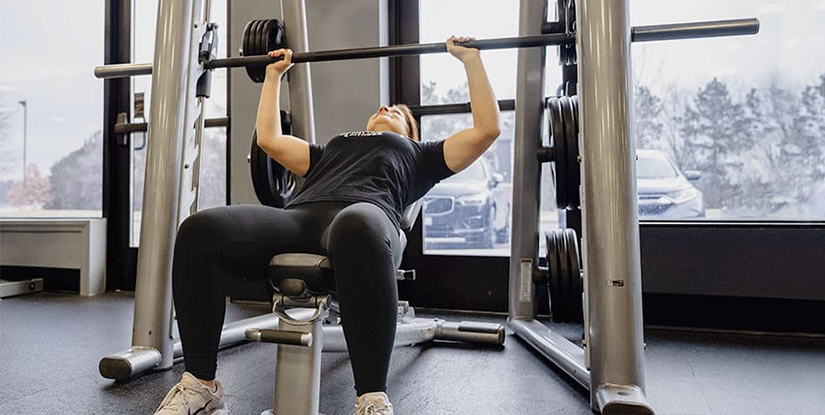
For facility managers and large-scale procurement officers, the decision to partner with specific workout equipment manufacturers is rarely about choosing a brand name and more about auditing a manufacturing ecosystem. A single failure in the production pipeline—be it an inferior steel grade or a skipped heat-treatment step—can manifest months later as a structural crack or a bearing failure, leading to costly downtime and liability concerns. Understanding the journey from raw material to finished assembly is essential for ensuring that the equipment delivered meets the rigorous demands of high-traffic commercial environments.
Material Selection and the Physics of Durability
The fundamental reliability of fitness apparatus begins long before any metal is cut or molded. Most high-end manufacturing processes start with the selection of raw materials, where the choice between mild steel, stainless steel, or aluminum alloys dictates the lifespan of the product. A common failure point in budget-grade equipment is the use of thin-walled tubing that lacks the tensile strength required for repetitive loading cycles.
Steel Grade and Tensile Strength Standards
Industrial-grade strength training machines typically utilize high-tensile carbon steel. When auditing a supplier's capabilities, one must look beyond the mere weight of the steel and investigate the wall thickness and the chemical composition of the alloy. A common mistake is prioritizing surface weight over structural integrity; a lighter frame may be easier to ship, but it often lacks the structural rigidity needed to prevent oscillation during heavy lifts.
| Material Type | Common Application | Pros | Cons/Failure Mode |
|---|---|---|---|
| Carbon Steel (High Tensile) | Racks, Power Cages, Heavy Plates | Exceptional durability and load capacity | Susceptible to oxidation if coating fails |
| Stainless Steel | Cardio Components, High-Moisture Areas | Corrosion resistance; aesthetic longevity | Higher cost; more difficult to weld |
| Aluminum Alloy | Lightweight Cardio, Small Dumbbells | High strength-to-weight ratio | Lower fatigue resistance under heavy impact |
| Polyurethane/Rubber | Dumbbell Shells, Flooring | Shock absorption and impact protection | Can degrade or crack under UV exposure |
By understanding these material trade-offs, procurement teams can better evaluate whether a manufacturer's specification matches the intended environment. This foundational selection process leads directly into the critical mechanical shaping of the components.
Precision Engineering: The Metal Fabrication Workflow
Once the materials are vetted, the transformation from raw sheets and tubes to complex geometries begins. The precision of this phase determines the 'feel' of the machine—specifically how smooth the resistance feels and how tight the mechanical tolerances are during movement.
CNC Cutting and Advanced Bending Processes
Modern manufacturing relies heavily on Computer Numerical Control (CNC) technology. Laser or plasma cutting ensures that every joint is perfectly aligned. A significant problem in lower-tier production is the use of manual cutting, which leads to slight misalignments in the frame. These micro-gaps force the welding process to bridge uneven surfaces, creating weak points that are prone to fatigue failure under high-frequency use.
Welding Integrity and Structural Fusion
Welding is where the structural skeleton of the equipment is finalized. Professional-grade manufacturing utilizes MIG (Metal Inert Gas) or TIG (Tungsten Inert Gas) welding to ensure deep penetration and consistent bead strength. A critical inspection point for any buyer is the visual check for 'undercutting' or porosity in the welds. Porous welds, often caused by contaminated metal or improper gas shielding, can lead to catastrophic structural failure during heavy lifting sessions. Verifying that a manufacturer utilizes automated or highly standardized welding protocols is a key way to mitigate this risk.
The strength of the frame is only as good as its joints; however, even the strongest frame is useless if the moving parts fail to operate smoothly.
Explore the complete technical specifications:
Chinese Workout Equipment: Factory Tiers, Audits & Quality Variance
Mechanical Component Integration and Motion Control
After the frame is constructed and welded, the focus shifts to the moving parts: bearings, cables, pulleys, and weight stacks. This is often the most complex stage of production, as it requires the seamless integration of multiple disparate systems to work in unison.
Bearing Assemblies and Friction Management
The longevity of a strength machine is often determined by its bearing quality. High-quality manufacturers use sealed, precision-ground bearings to minimize friction and heat buildup. A common defect in lower-end equipment is the use of open bearings or bushings that lack adequate lubrication. Over time, dust and sweat ingress causes these components to seize, leading to a jerky, uneven resistance that can cause user injury. When evaluating manufacturers, ask about the specific type of bearings used in their high-use cardio and strength lines.
Cable Tensile Strength and Pulley Systems
Cable-driven machines rely on a delicate balance of tension and smoothness. The cables themselves should be made of aircraft-grade, coated steel to resist fraying and corrosion. A critical failure mode occurs when the pulley diameter is too small for the cable, causing excessive wear on the cable strands and frequent replacement needs. Verification should include checking the 'sheave' (pulley) diameter and ensuring the coating on the cables is uniform and high-density.
| Component | Standard Specification | Common Failure Mode | Verification Method |
|---|---|---|---|
| Steel Cable | Aircraft-grade, nylon or vinyl coated | Internal strand fraying | Visual inspection for coating tears |
| Bearings | Sealed, high-precision ball bearings | Seizure due to debris/lack of lube | Smooth, silent rotation test |
| Pulleys | Nylon or Aluminum with steel core | Deformation or 'flat spots' | Constant-speed rotation check |
| Weight Stacks | Precision-cast iron or steel plates | Imbalance or plate rattling | Smooth vertical travel test |
Ensuring these mechanical components are top-tier prevents the most frequent maintenance calls. However, even perfectly moving parts require a protective layer to ensure long-term aesthetic and structural survival.
Explore the complete technical specifications:
Workout Equipment Wholesale: Smarter Sourcing & Margin Protection
Surface Treatment and Environmental Protection
The final stage of the manufacturing process involves coating the metal to protect it from the environment. This is not merely an aesthetic step; it is a critical defense against oxidation and chemical degradation from sweat and cleaning agents.
Powder Coating vs. Liquid Painting
Most reputable manufacturers employ electrostatic powder coating. This process involves applying a dry powder to the metal and then curing it in an oven to create a hard, durable finish. Powder coating is significantly more resilient than standard liquid painting, which can peel or chip under heavy use. A major pitfall for buyers is ignoring the 'micron thickness' of the coating. A thin coating may look good initially but will quickly succumb to the corrosive effects of high-humidity gym environments.
Corrosion Resistance in High-Usage Zones
In environments like boutique studios or high-traffic commercial gyms, equipment is frequently wiped down with aggressive cleaning chemicals. If the surface treatment is insufficient, these chemicals can penetrate the coating and cause sub-surface oxidation. When inspecting samples, a professional should perform a scratch test or a chemical resistance test to ensure the finish can withstand daily sanitation protocols without degrading.
Once the surface is protected, the entire unit must undergo a rigorous battery of tests to ensure it is ready for the floor.
Explore the complete technical specifications:
Top Gym Equipment Manufacturers: Global Leaders & Niche Builders
Quality Control Protocols and Compliance Standards
A manufacturer’s reputation is built on the consistency of their quality control (QC). The transition from a single production run to a standardized product line requires rigorous, repeatable testing at several stages of the assembly process.
The Pre-Assembly Inspection Stage
Quality control begins with the components themselves. Before any part reaches the assembly line, it must pass a visual and dimensional check. This includes verifying that the steel tubing is free from dents and that the CNC-cut edges are deburred (smoothed out). Failure to catch a dented tube at this stage will result in a misaligned machine that vibrates during use, creating a lifelong maintenance headache.
End-of-Line Stress Testing
The final and most crucial stage is the end-of-line stress test. This involves subjecting a statistically significant percentage of the production run to load-bearing tests that exceed the rated capacity. For example, a rack designed for a 500lb limit should be tested at a higher threshold to ensure safety margins. A common mistake by procurement officers is relying solely on the manufacturer's self-reported data; it is better to ask for independent third-party certification or a detailed description of their internal load-testing protocols.
Robust QC and thorough stress testing result in a product that is both safe and predictable. These processes, while expensive for the manufacturer, are what differentiate premium suppliers from low-cost alternatives.
Explore the complete technical specifications:
How to Identify Reliable Fitness Equipment Manufacturers in 2024
Procurement Strategies for Facility Operators
Given the technical complexity detailed above, facility operators must move away from 'price-only' procurement and toward 'total cost of ownership' (TCO) models. Selecting the cheapest workout equipment manufacturers often leads to higher long-term costs due to frequent repairs and premature replacement.
Developing a Technical Audit Checklist
When interviewing potential suppliers, don't just ask for a catalog; ask for a technical specification sheet. A professional audit checklist should include questions about steel thickness, welding methods, bearing types, and the thickness of the powder coating. If a supplier cannot provide specific technical details (e.g., 'Is it 11-gauge steel or 14-gauge?'), it is a red flag that they may be sourcing generic, lower-quality parts.
The Lifecycle Cost Calculation
A higher initial investment in high-spec equipment often pays for itself through reduced maintenance and longer replacement cycles. Consider the following comparison when building your business case for premium equipment:
| Metric | Budget-Tier Equipment | Professional-Tier Equipment |
|---|---|---|
| Initial Cost | Low | High |
| Annual Maintenance Frequency | Frequent (Cables, Bearings) | Minimal (Routine Lubrication) |
| Expected Lifespan | 3–5 Years | 10+ Years |
| Replacement Interval | High (Frequent Downtime) | Low (Maximum Uptime) |
By weighing these factors, an operator can make an informed decision that prioritizes long-term operational stability over short-term savings. The complexity of manufacturing is the ultimate driver of value in the fitness industry.
Explore the complete technical specifications:
How to Identify Reliable Fitness Equipment Manufacturers in 2024
Future Outlook: The Evolution of Manufacturing Standards
As the industry moves toward more connected and automated training, the requirements for manufacturers are expanding. We are seeing a shift toward even tighter tolerances to accommodate the integration of digital sensors and electronic resistance systems.
Integration of Smart Technology and Sensors
The next generation of manufacturing will require much higher precision in the fabrication of machine frames to allow for the seamless embedding of electronics. The emergence of 'smart' weights and digital strength tracking means that manufacturers must now manage not just metal and cables, but also electronic-friendly interfaces. This adds a new layer of complexity to the quality control process, as electrical compatibility must be tested alongside mechanical durability.
Sustainability and Material Circularity
Furthermore, there is an increasing pressure on manufacturers to adopt more sustainable practices. This includes the use of recycled steel and more eco-friendly powder coating processes. For large-scale buyers, sustainability is no longer just a 'nice-to-have' but a core metric in ESG (Environmental, Social, and Governance) reporting. Choosing manufacturers who invest in high-efficiency production and circular material loops is becoming a standard part of advanced procurement strategy.
Ultimately, the strength of a fitness facility is built upon the technical integrity of its components. From the initial choice of steel to the final quality control check, every step in the manufacturing process dictates the longevity and safety of the equipment used by thousands of people daily.