How to Identify Reliable Fitness Equipment Manufacturers in 2024

Best Fitness Equipment Manufacturers - China Factory, Supplier, Manufacturer

The global fitness equipment manufacturing landscape is dominated by a mix of vertically integrated Asian powerhouses and specialized Western brands that prioritize R&D. Understanding which manufacturers offer the optimal balance of cost-efficiency, supply chain reliability, and certification compliance (EN20957, ISO) is critical for facility owners and distributors aiming to maximize ROI without compromising user safety.

In the commercial sector, the primary decision often boils down to sourcing from OEM/ODM hubs in China—such as those in Xiamen and Qingdao—versus established European or North American assembly lines. While Western manufacturers excel in biomechanical research and brand prestige, Asian suppliers currently lead in production scalability and material cost management, with lead times and minimum order quantities varying significantly between these regions.

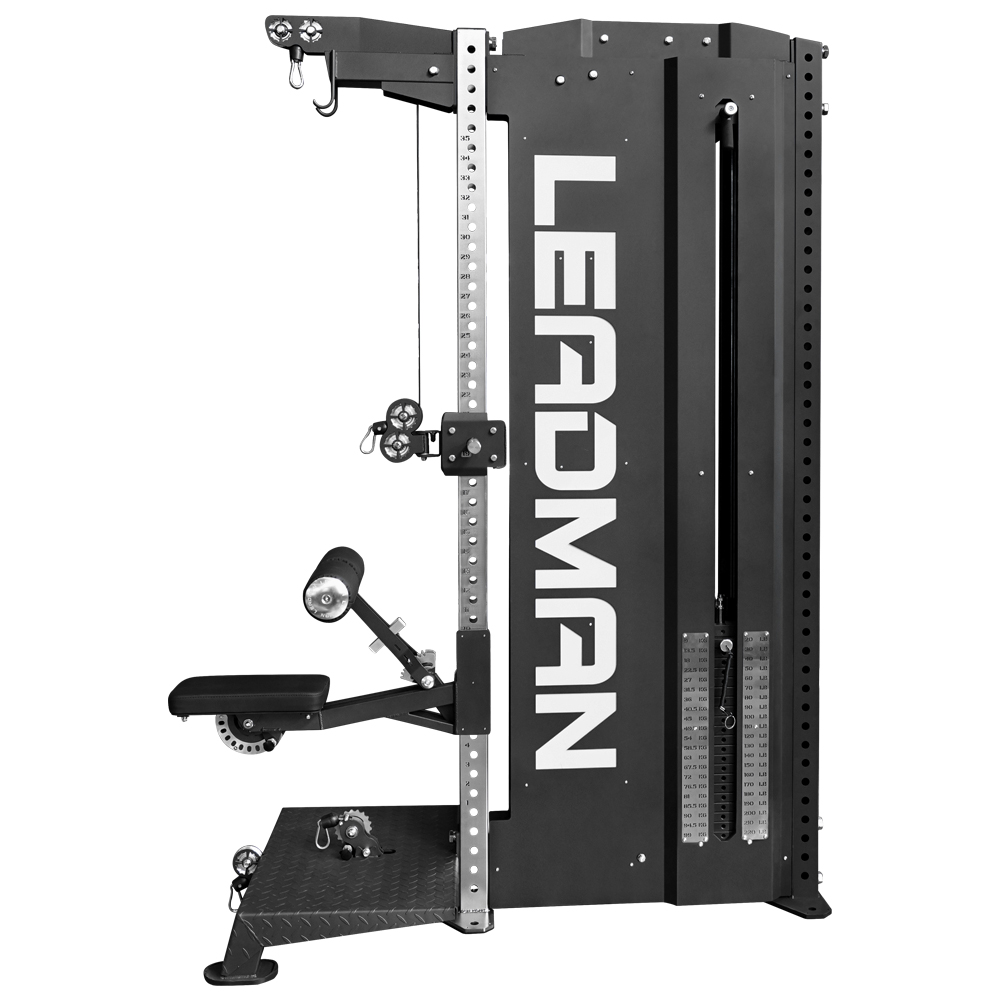
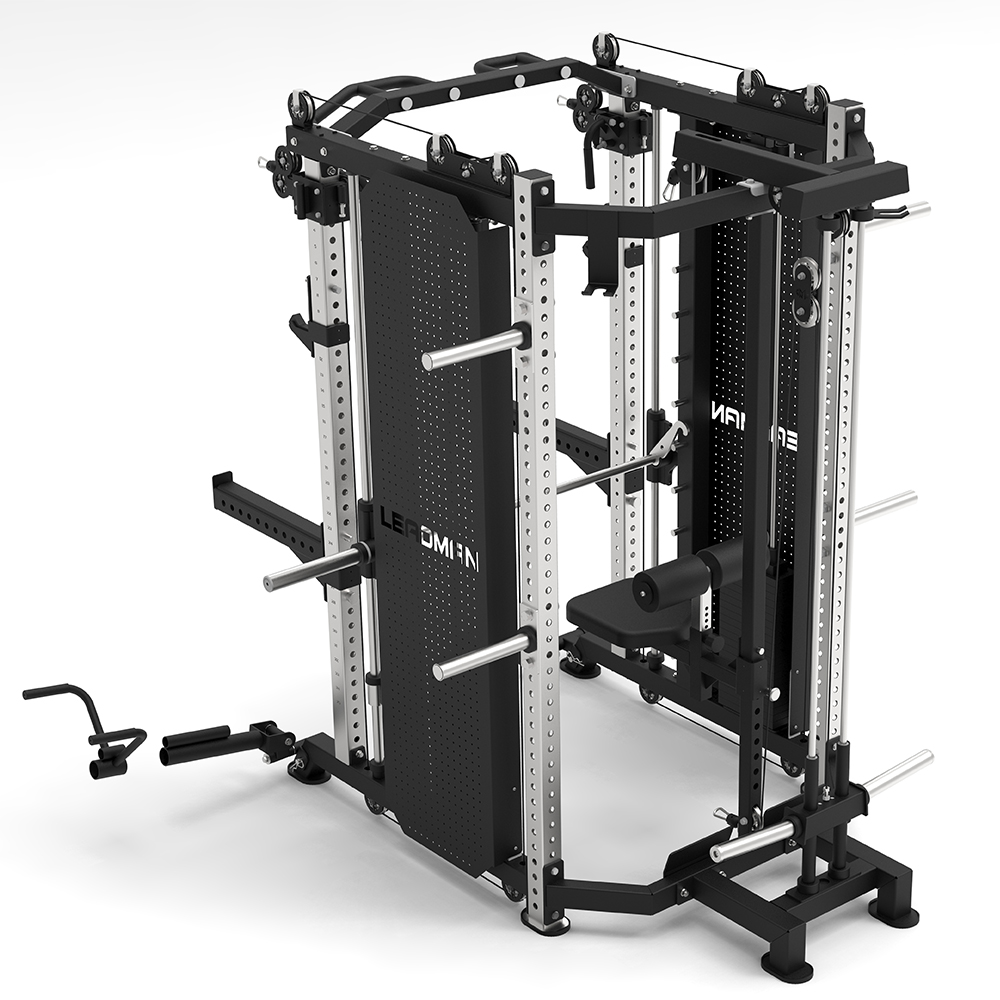
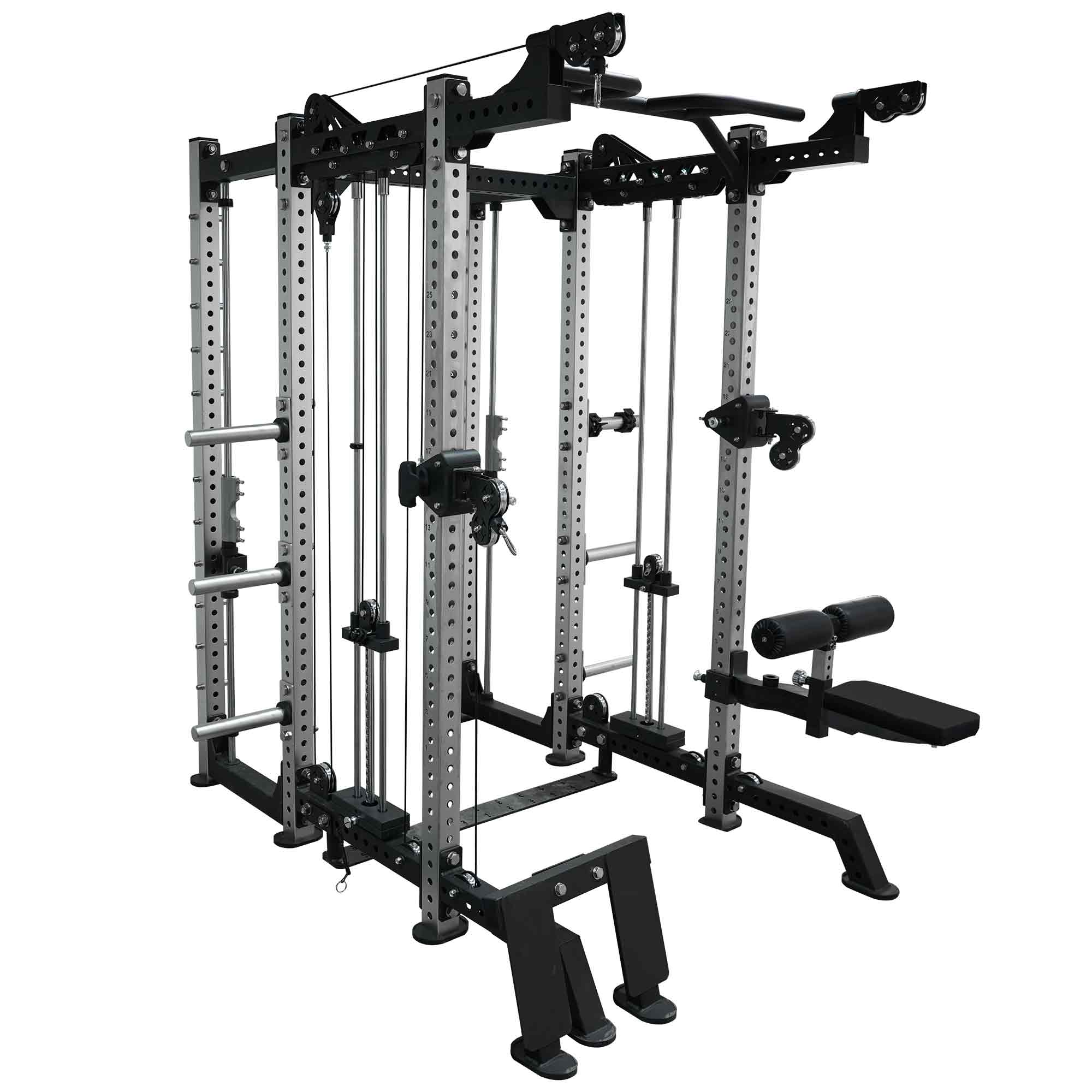
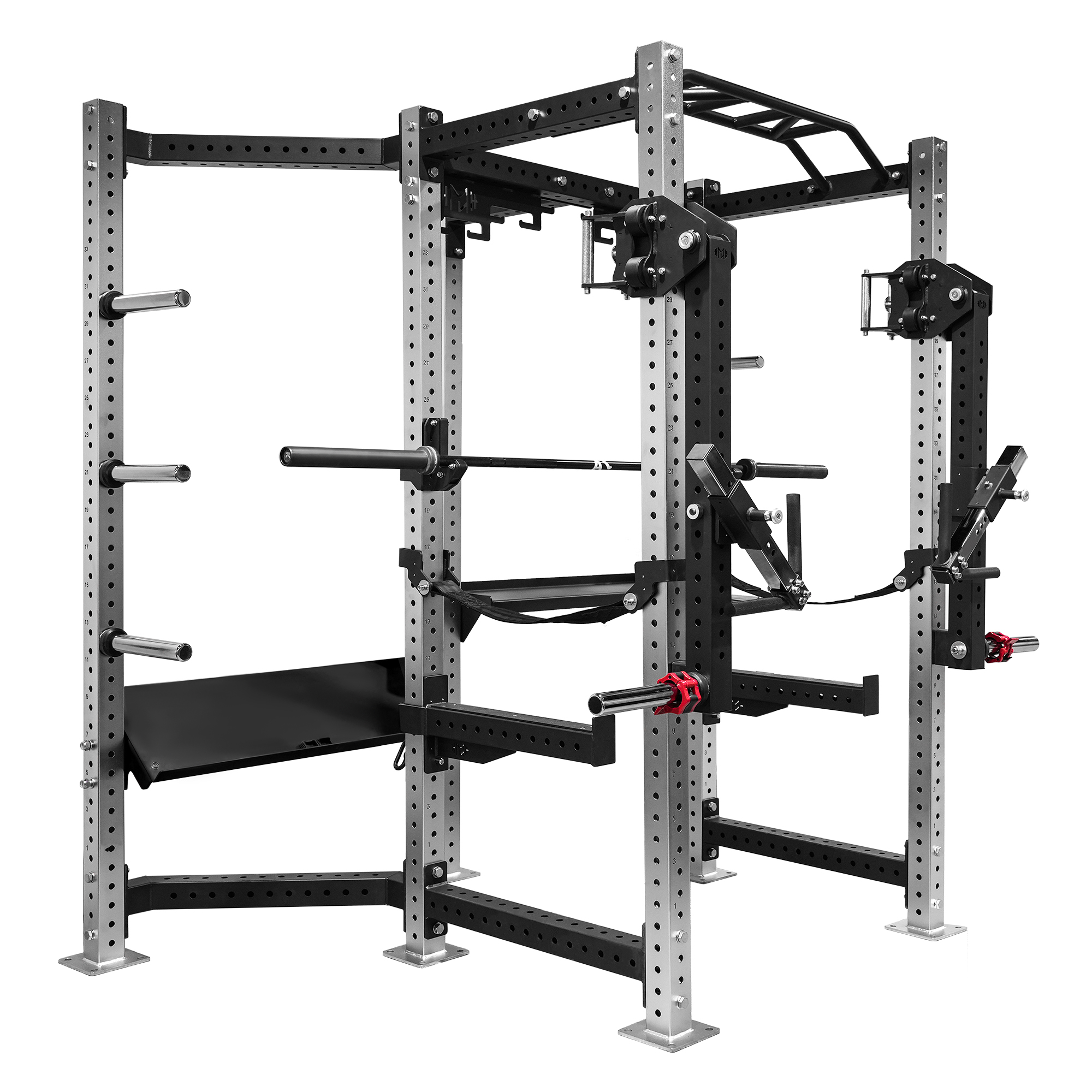
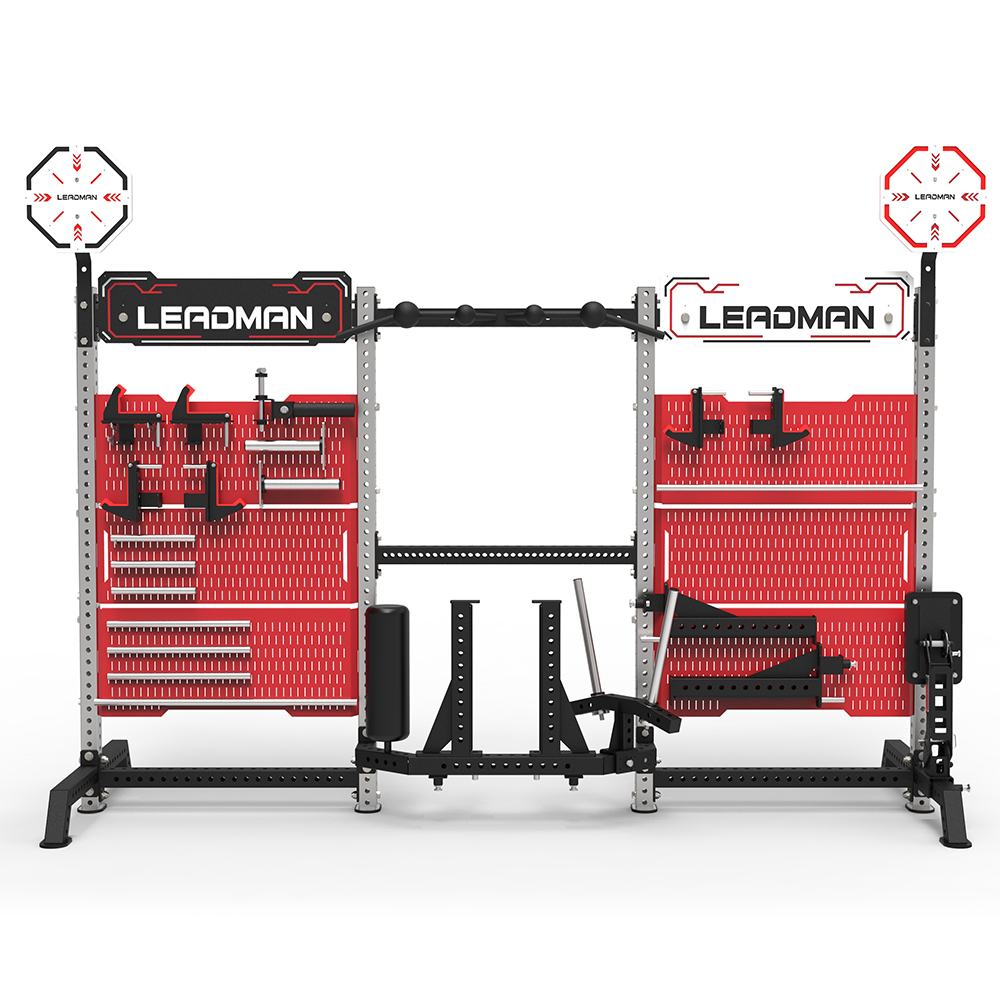
For strength equipment specifically, look for manufacturers that utilize a heavy-duty structural steel framework rather than relying solely on powder coating thickness as a quality indicator. The best in class implement laser-cut gussets at critical stress points, a feature visible in high-end racks, which ensures lateral stability under dynamic loading.

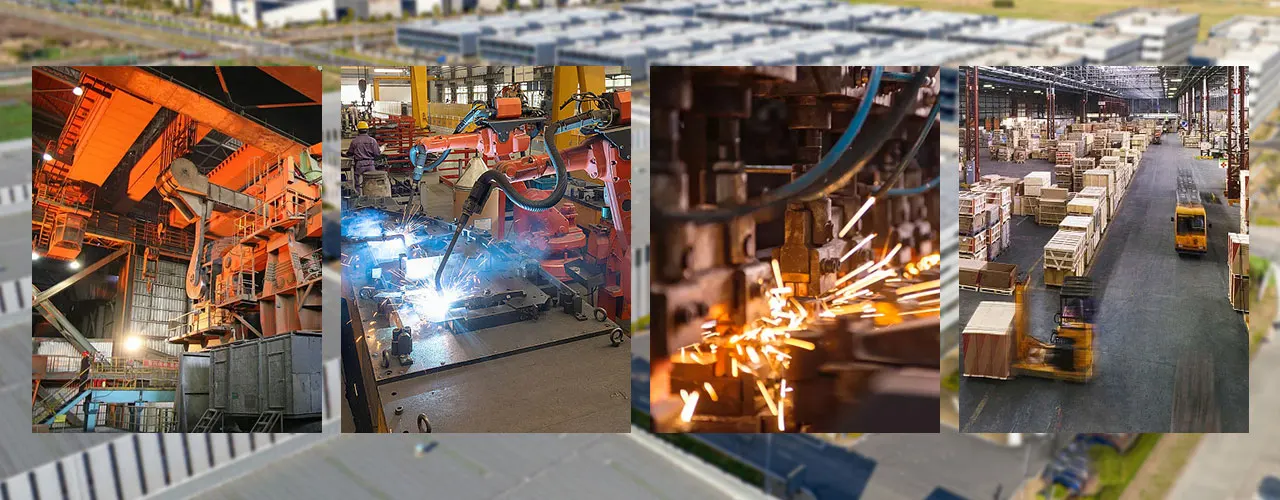
When evaluating a partner, assess their quality assurance protocols. Top-tier manufacturers provide third-party testing documentation and maintain strict welding certification standards. Recent industry benchmarks indicate that facilities sourcing from vertically integrated suppliers report fewer post-installation maintenance issues compared to those using assemblers who rely on multiple, unvetted subcontractors.

Finally, consider post-sale technical support and parts availability. The most reliable fitness equipment manufacturers offer modular component designs, allowing for easy replacement of worn parts like bushings or pulleys without specialized rigging. This approach to lifecycle management significantly reduces long-term operational costs compared to brands that require proprietary, hard-to-source spare parts.
Frequently Asked Questions

OEM (Original Equipment Manufacturer) produces designs owned by the buyer, while ODM (Original Design Manufacturer) offers pre-existing, proprietary designs that can be branded by the buyer. ODM typically offers lower upfront tooling costs but less product exclusivity.
Ask for material test reports (MTRs) or inspect visible weld consistency and edge finishing. Reputable suppliers use heavy-duty structural steel with uniform powder coating; avoid suppliers hesitant to share batch-specific quality documentation.
Many Western "manufacturers" actually outsource production to Asian OEMs. True vertical integration is rare; look for brands that list specific assembly locations and in-house R&D teams rather than generic "global sourcing" statements.
Minimum required certifications include ISO 9001 for quality management and EN20957 or ASTM for specific equipment classes. For cardio equipment, electrical safety marks like CE or UL are mandatory.
Base unit prices are lower, but final costs must include freight, customs duties, and inland logistics. Small-to-mid volume buyers often find regional distributors more cost-effective when factoring in inventory holding and after-sales support.
Concentrated supply chains in regions like Xiamen provide immediate access to raw materials, electroplating services, and component parts within a 50km radius, eliminating the logistical delays common in distributed Western supply chains.
Sign a Non-Disclosure Agreement (NDA) before sharing technical drawings, file design patents in your target market, and use a third-party inspection service to ensure exported goods match approved samples without unauthorized modifications.
Standard color and logo customization often requires 100–300 units per SKU. For structural or mechanical design changes, minimums rise to 500+ units due to tooling and engineering costs. Lower MOQs are possible with shared production batches.
Request a corporate credit report or trade reference from a known logistics provider. Consistent delays in raw material payments often precede production stoppages. Publicly traded manufacturers offer the most transparent financial data.
Specialization matters. Top strength suppliers focus on rack and plate-loaded systems, while cardio requires different motor/belt engineering. For mixed facilities, work with two specialized vendors or a master distributor rather than a single generalist factory.
Hidden costs include requalification time for new samples, one-time mold fees (often $5k–$20k per part), logistics route optimization, and potential downtime during the transition. These can add 15–25% to the first year's total cost.
Tariffs vary by product category and country of origin. Some manufacturers offer "tariff engineering" by shipping knock-down kits or altering final assembly location. Consult a customs broker for real landed-cost calculations before committing to a supplier.

Related Products

Best Fitness Equipment Manufacturers

Top Selling Products

Contact Form Modal

Ready to Transform Your Fitness Space?

Let our experts design the perfect gym solution for your business. Get a free consultation and quote today.
Free Consultation
Custom Design
Global Delivery
Professional Installation
WhatsApp