

Optimizing Procurement: A Technical Guide to Barbell Wholesale
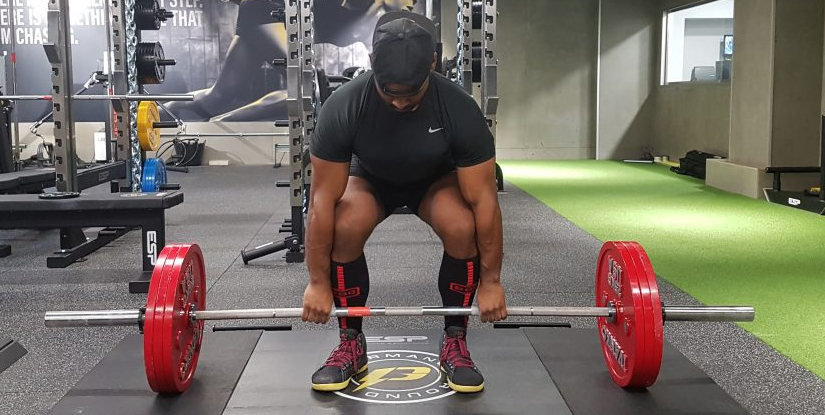
Addressing Quality Inconsistency in Barbell Wholesale Procurement
The primary frustration for commercial gym operators and large-scale distributors stems from receiving shipments that fail to meet the exact technical tolerances promised in a sales contract. When sourcing at volume, a subtle deviation in steel tensile strength or a lack of uniformity in knurling pattern can lead to catastrophic failures in a commercial environment. These issues often arise not from a single mistake, but from a systemic lack of standardized quality control within the manufacturing-to-wholesale pipeline.
A common failure mode occurs when a buyer assumes that all equipment labeled as 'competition grade' meets the same engineering standards. In reality, variations in the chemical composition of the steel can lead to bars that feel 'dead' under heavy loads or, more dangerously, bars that suffer from unexpected structural fatigue. To mitigate these risks, one must look beyond the surface aesthetics and demand specific technical documentation. Identifying these discrepancies early in the procurement process ensures that your facility's investment remains safe and durable. Once the baseline for quality is established, the next step is understanding the material nuances that dictate long-term performance.
The Cost of Substandard Sourcing
Ignoring technical specifications during the initial order leads to higher long-term operational costs. A failed barbell is not just a lost piece of equipment; it is a liability. Operators must evaluate the trade-offs between initial price savings and the total cost of ownership, including replacement cycles and maintenance requirements.
| Procurement Metric | Low-End Wholesale Profile | High-End Wholesale Profile |
|---|---|---|
| Steel Composition | Standard carbon steel with high impurity rates | High-tensile alloy steel with controlled chemistry |
| Knurling Consistency | Uneven depth and irregular spacing | Precision-etched uniform pattern for grip safety |
| Bearing/Bushing Type | Basic bushings with high friction levels | Precision needle bearings or high-grade bronze bushings |
| Tolerance Deviation | Highly variable across batches | Strict adherence to millimeter-level standards |
Understanding these baseline differences is essential before moving into the deep-level engineering of the bar shaft itself.
Material Engineering and Strength Specifications
Understanding the mechanical properties of the steel is the prerequisite for selecting the right product from a Barbell Wholesale provider. A barbell's ability to withstand extreme loading without permanent deformation is a function of its tensile strength and yield strength. Without these specific data points, a buyer is essentially gambling on the long-term utility of the equipment.
The distinction between yield strength and tensile strength is critical. The yield strength is the point at which the bar begins to permanently bend, while the tensile strength is the point at which the bar actually breaks. For high-traffic commercial facilities, the gap between these two metrics must be significant to ensure the equipment can handle the rhythmic stresses of heavy lifting. A common mistake is selecting bars based solely on weight capacity without inquiring about the metal's elastic properties. This leads to 'bent bars' that appear structurally sound but have undergone molecular deformation, making them dangerous for precision lifting.
Evaluating Tensile Strength and Elasticity
When reviewing technical spec sheets, look for the following parameters to verify the quality of the steel alloy. A professional operator should always request these metrics before finalizing a bulk order to prevent receiving equipment that lacks the necessary resilience.
- Minimum Tensile Strength: The threshold for maximum load capacity.
- Yield Strength: The threshold for structural integrity and recovery.
- Hardness (Rockwell Scale): A measure of how the surface responds to impact and friction.
- Elastic Recovery: The ability of the bar to return to its original shape after a heavy lift.
Establishing these material benchmarks allows you to transition from evaluating surface-level aesthetics to assessing fundamental structural integrity, which leads directly to the mechanical complexity of the barbell sleeves.
Mechanical Precision: Sleeve Rotation and Bearing Mechanics
Once the shaft integrity is confirmed, the focus must shift to the sleeve mechanism. The way a barbell rotates under load is the most significant factor in protecting the lifter's wrists and elbows. In many bulk procurement scenarios, the difference between a high-quality bearing system and a low-quality bushing system is the difference between a premium lifting experience and a high injury-risk environment.
The mechanism of rotation serves a specific purpose: to dissipate the rotational momentum of the weight plates during a lift. If the sleeve does not rotate smoothly, the weight will 'whip' or lag, causing uneven force distribution. This is often caused by either insufficient lubrication or poor-quality internal components. A common failure mode in mid-tier wholesale products is the use of low-grade bushings that seize up over time due to dust or moisture ingress, creating a dangerous lag in weight movement.
Comparing Rotation Systems
Operators must decide between bearing-based or bushing-based systems based on the specific intended use of the facility. Each system has distinct mechanical advantages and maintenance requirements.
| Feature | Needle Bearing System | Bronze/Polymer Bushing System |
|---|---|---|
| Primary Use Case | Olympic Weightlifting / High-speed rotation | Powerlifting / Stable, slow rotation |
| Rotation Speed | Very High (Smooth and rapid) | Moderate (Controlled and stable) |
| Maintenance Level | Requires precision lubrication | Low maintenance/sealed systems |
| Durability Profile | Sensitive to dust and impact | Highly resilient to heavy usage |
With the mechanical movement of the sleeves understood, it is essential to focus on the interface where the lifter touches the bar: the knurling and the grip surface.
Explore the complete technical specifications:
The Role of Knurling Precision in Grip Safety
The texture of the barbell, known as knurling, is the primary interface between the athlete and the tool. While it may seem like a secondary aesthetic detail, knurling depth and pattern density are critical for grip security and long-term hand health. Inconsistent knurling is a frequent indicator of poor manufacturing standards in many barbell wholesale shipments.
The problem with substandard knurling is twofold: it is either too shallow, causing the bar to slip during heavy movements, or too aggressive, causing skin abrasions and discomfort. The cause of these discrepancies is usually the lack of precision in the CNC machining process used during production. A high-quality manufacturer uses controlled diamond-pattern etching to ensure that the grip remains consistent across the entire length of the bar. A common mistake is failing to verify the 'feel' or the technical depth of the knurling via sample testing before committing to a large-scale order.
Standard Knurling Depth and Patterns
When conducting a quality audit of a sample, use the following checklist to determine if the knurling meets commercial standards:
- Uniformity: Does the pattern remain consistent from the center to the sleeves?
- Depth: Is the knurling etched to a consistent depth (typically 0.3mm to 0.5mm for commercial use)?
- Sharpness: Is the texture aggressive enough for grip without being abrasive to the skin?
- Symmetry: Is the pattern centered correctly on the shaft?
Ensuring a reliable grip profile is the final step in verifying the physical contact points, which leads into the necessary protocols for maintaining these surfaces over time.
Explore the complete technical specifications:
Maintenance Protocols for Commercial-Grade Equipment
Even the highest quality barbell will eventually degrade if subject to improper handling or neglect. For facility operators, establishing a rigid maintenance cadence is the only way to protect the initial investment and ensure the safety of the end-user. Neglecting maintenance leads to a predictable cycle of rust, bearing failure, and reduced lifespan.
The most common cause of barbell degradation is oxidation (rust) and the accumulation of contaminants within the sleeves. If moisture is left on the shaft or if weight plates are stored in humid environments, the steel will begin to corrode. Furthermore, if the internal bearings are not periodically inspected, the lubricants can dry out or become contaminated with debris, leading to friction-induced heat and mechanical failure. A proactive approach involves both regular cleaning and periodic mechanical inspection.
Standard Maintenance Checklist
To ensure longevity, operators should implement a structured maintenance schedule that includes the following actions:
- Daily: Wipe down the shaft with a clean, dry cloth to remove sweat and moisture.
- Weekly: Inspect the knurling for any signs of rust or debris accumulation.
- Monthly: Check the sleeve rotation for smoothness and any unexpected friction or 'drag.'
- Quarterly: Perform a deep clean of the sleeves and, if necessary, apply a thin layer of high-grade lubricant to the bearing/bushing system.
By adhering to these protocols, an operator can significantly extend the life of their equipment, ensuring that the high standards of the initial procurement are maintained throughout the product's lifecycle.
Explore the complete technical specifications:
Identifying and Verifying Counterfeit or Substandard Products
As the market for volume-based gym equipment expands, the risk of receiving 'grey market' or substandard goods disguised as premium products increases. This is particularly true when dealing with unverified barbell wholesale vendors who may lack transparent manufacturing processes. Identifying these products requires a technical approach rather than a visual one.
The problem often involves a product that looks perfect on the surface—polished, shiny, and well-packaged—but fails upon the first heavy test. This is caused by 'spec-padding,' where a manufacturer uses lower-grade steel or inferior bushings but uses high-quality finishes to mask the deficiency. To verify the authenticity of the equipment, one must move beyond the visual and use physical testing methods. A common mistake is relying solely on the manufacturer's provided specification sheet without performing independent verification.
Verification Strategies for High-Volume Orders
When receiving a large shipment, use the following methods to ensure the products match the agreed-upon technical specifications:
| Verification Method | What to Look For | Success Metric |
|---|---|---|
| Weight Calibration | Total weight of the bar with and without plates | The bar must be within +/- 1% of the stated weight. |
| The 'Bend Test' | Observe the bar during a heavy load (150kg+) | The bar must return to its original straightness without residual bend. |
| Rotation Test | Spin the sleeves with one hand while holding the bar | Rotation should be smooth, consistent, and near-instantaneous. |
| Knurling Audit | Tactile inspection of the texture | No patches of smoothness or over-aggressive spikes. |
Explore the complete technical specifications:
Logistics and Scalability in Barbell Distribution
The final stage of professional procurement involves the movement of heavy, high-density goods. Scaling a distribution network requires more than just finding a supplier; it requires a logistical partner that understands the fragile nature of high-precision steel. Errors in transit—such as improper stacking or exposure to extreme temperature fluctuations in shipping containers—can introduce microscopic stress fractures or accelerate oxidation before the product even reaches the warehouse.
A failure mode in large-scale logistics is the lack of specialized packaging for the sleeve mechanisms. If the bearing housings are subjected to excessive vibration during sea freight without adequate internal bracing, the precision of the rotation can be permanently compromised. Therefore, procurement managers must include packaging requirements in their initial RFQ (Request for Quotation). A robust distribution strategy relies on a combination of strict quality control at the source and rigorous environmental monitoring during transit.
- Packaging Requirement: Ensure sleeves are protected by specialized, non-abrasive inserts.
- Environmental Control: Request documentation regarding humidity control during long-distance shipping.
- Batch Tracking: Utilize serial numbers per batch to ensure traceability in case of a manufacturing defect.