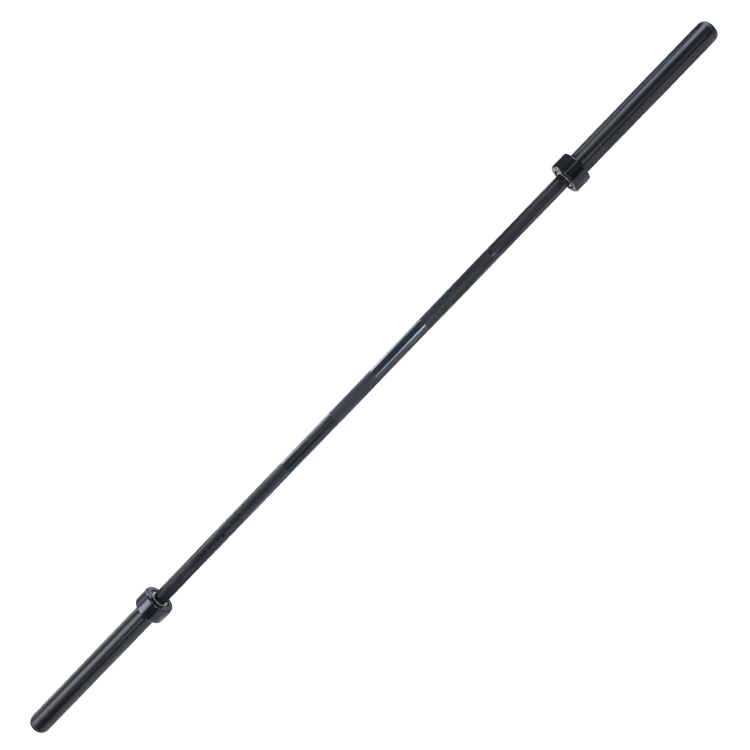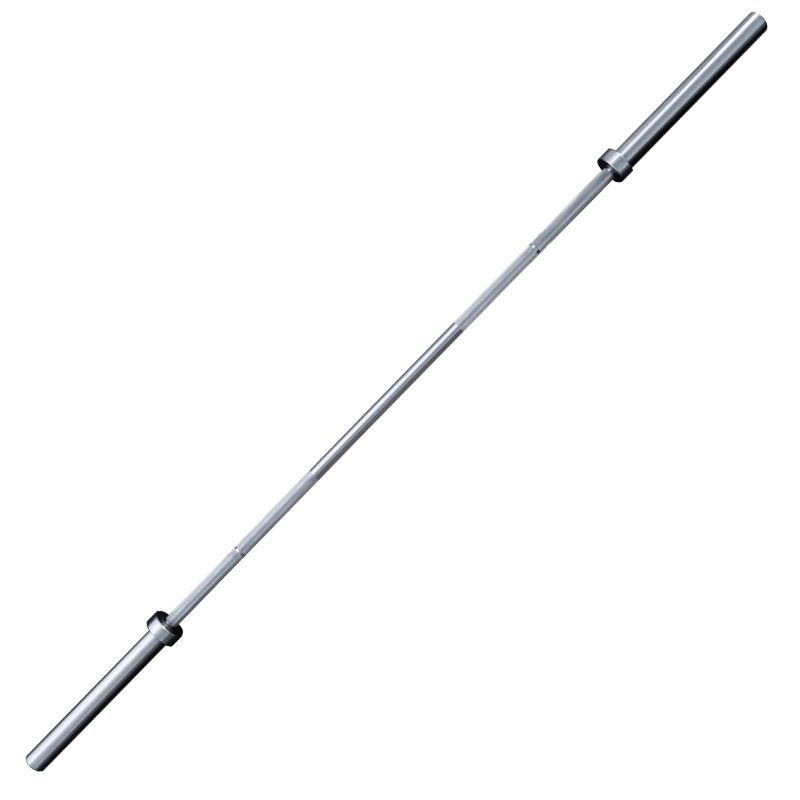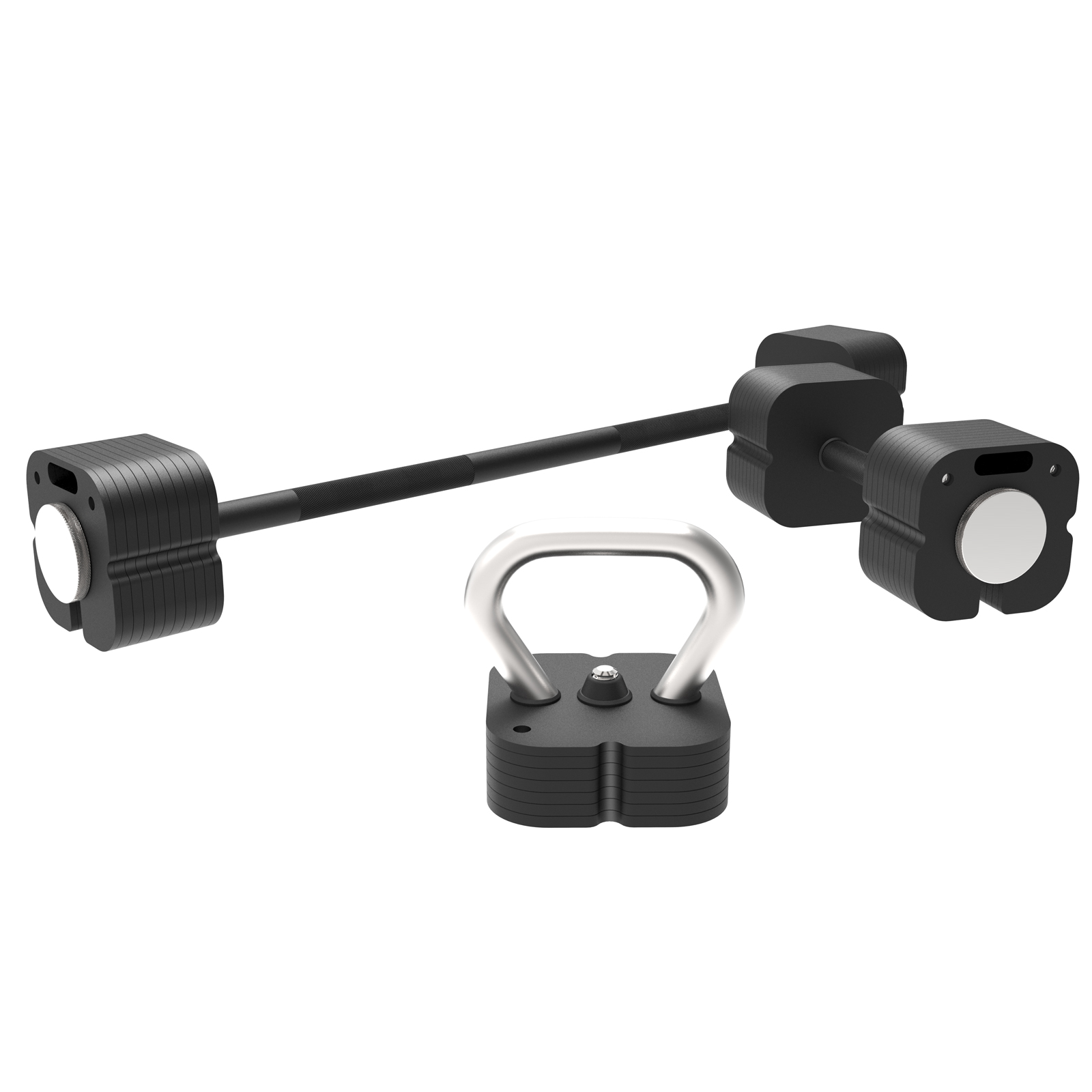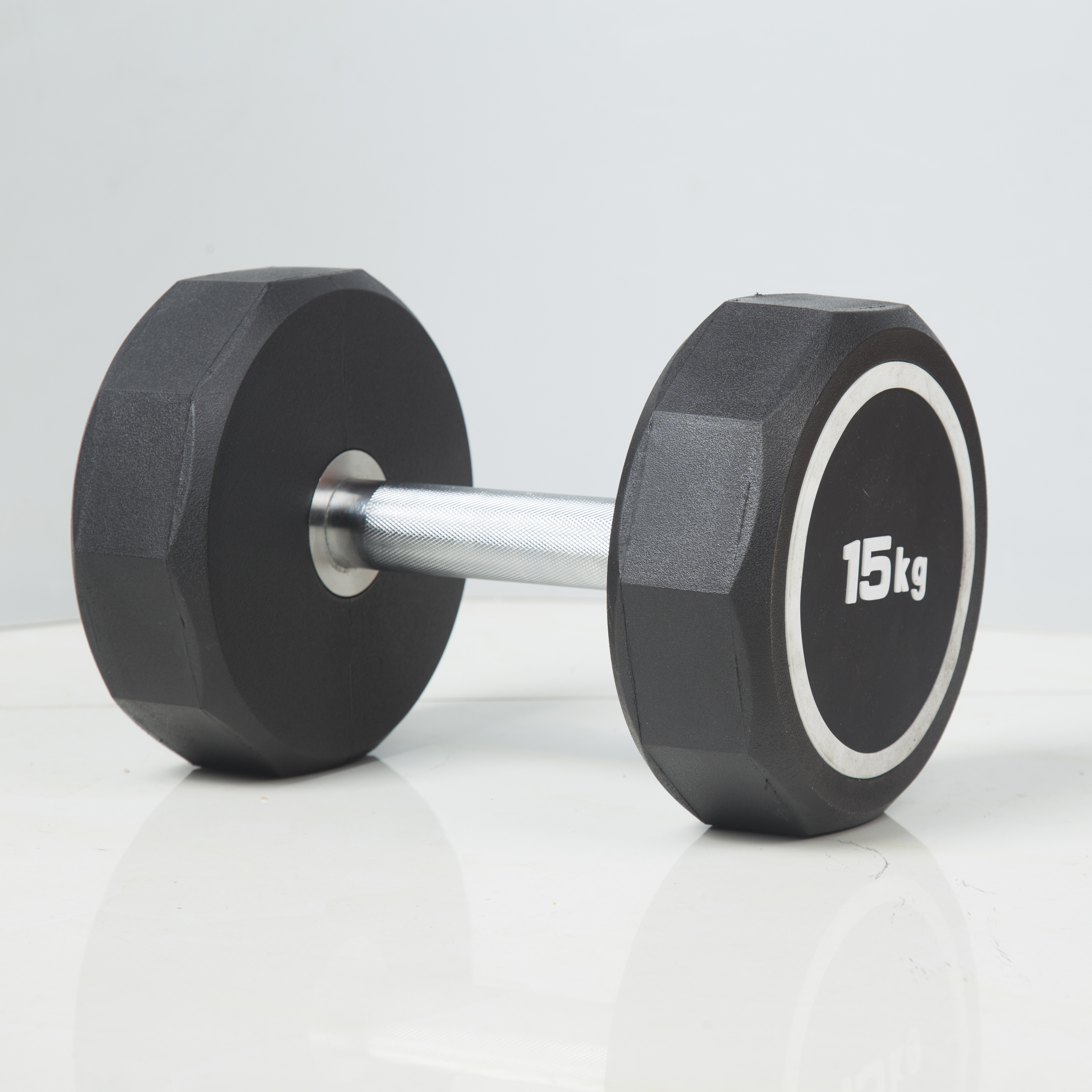
In the landscape of professional strength training, the 50 lb barbell serves as a fundamental tool for progressive overload, metabolic conditioning, and foundational strength development. Unlike standard Olympic bars that require plate loading, fixed-weight barbells are engineered for rapid transitions, high-volume circuit training, and specialized functional movements where speed and safety are paramount.
Technical Construction and Material Integrity
High-quality 50 lb barbells are typically constructed from solid steel or high-density polymer-coated materials to ensure durability under heavy repetitive use. For commercial environments, procurement specialists should prioritize equipment with reinforced end caps and non-slip grip textures. The structural integrity of the bar is critical to prevent bending or permanent deformation during high-velocity movements such as cleans, snatches, or overhead presses. Depending on the specific application, these bars may feature a knurled steel shaft for maximum friction or a smooth, coated surface for rapid handling in group fitness settings.
Primary Use Cases and Applications
Fixed-weight bars are highly versatile across various training modalities:
Selection Criteria for B2B Procurement
When sourcing 50 lb barbells for commercial facilities or distributors, technical specifications must be vetted against usage intensity. Load consistency is essential; each unit must meet strict weight tolerances to ensure uniform training across a fleet of equipment. Furthermore, the impact resistance of the bar ends and the coating durability (such as polyurethane or powder coating) should be evaluated to ensure longevity in high-traffic commercial environments. Buyers should also consider the bar's diameter and grip texture to ensure compatibility with various user demographics and training styles.

Let our experts design the perfect gym solution for your business. Get a free consultation and quote today.