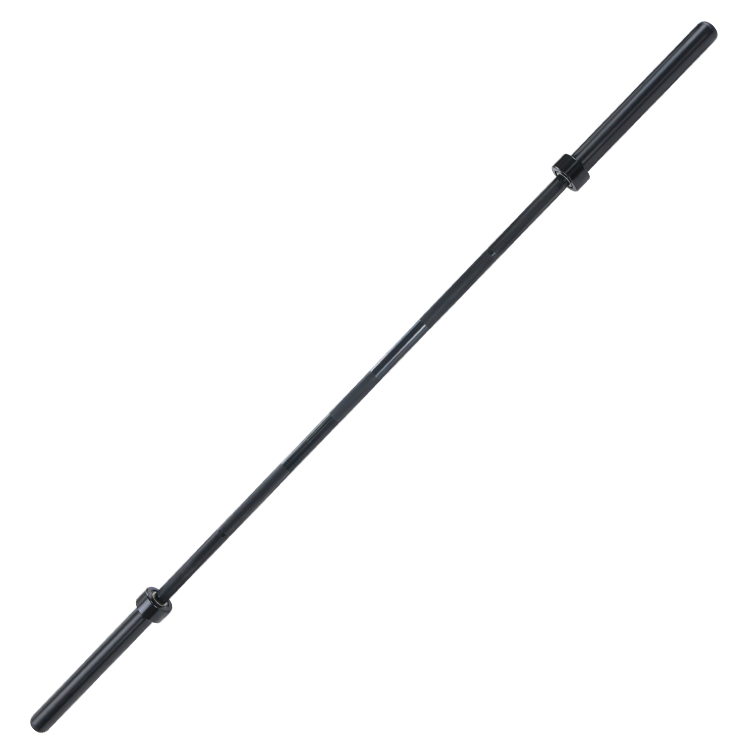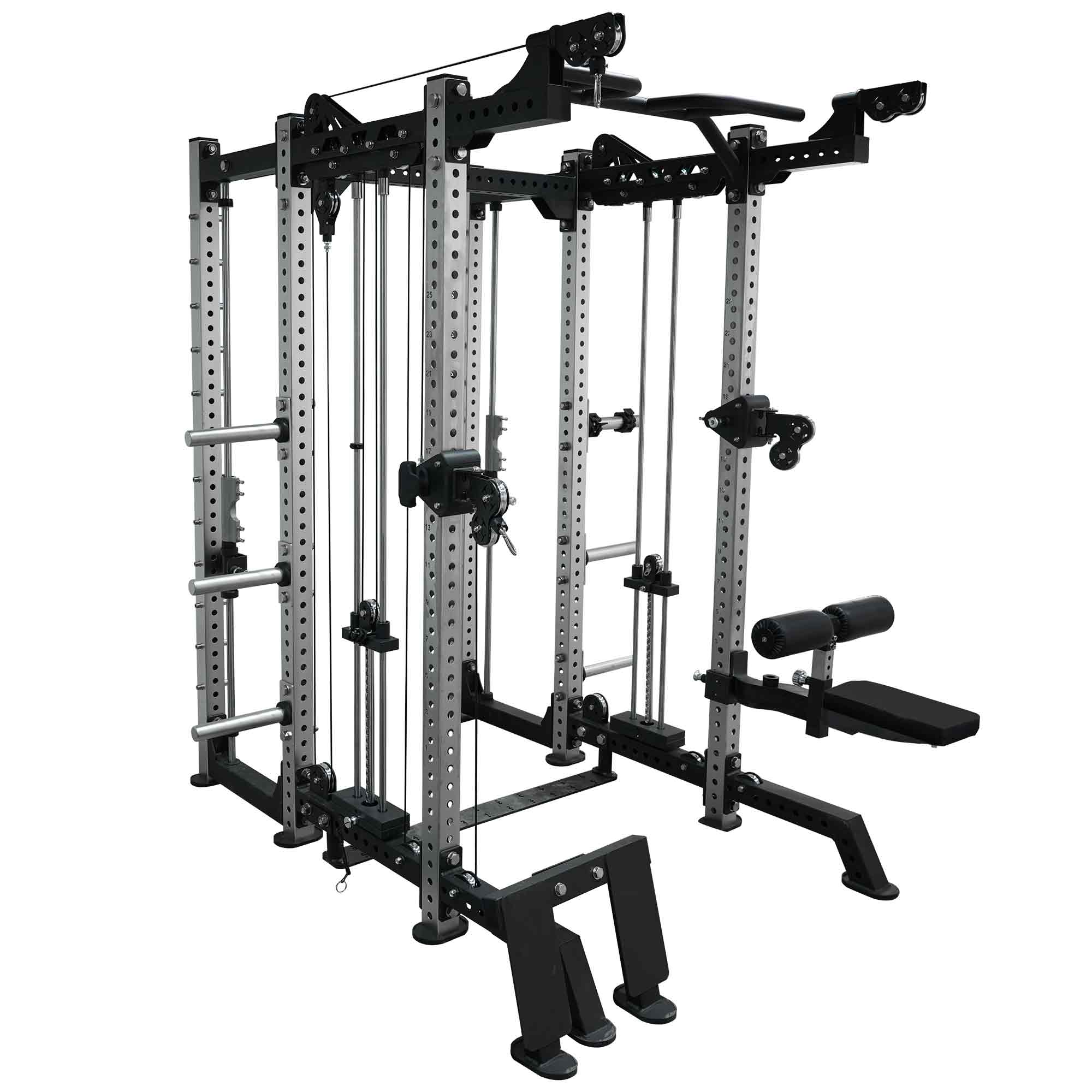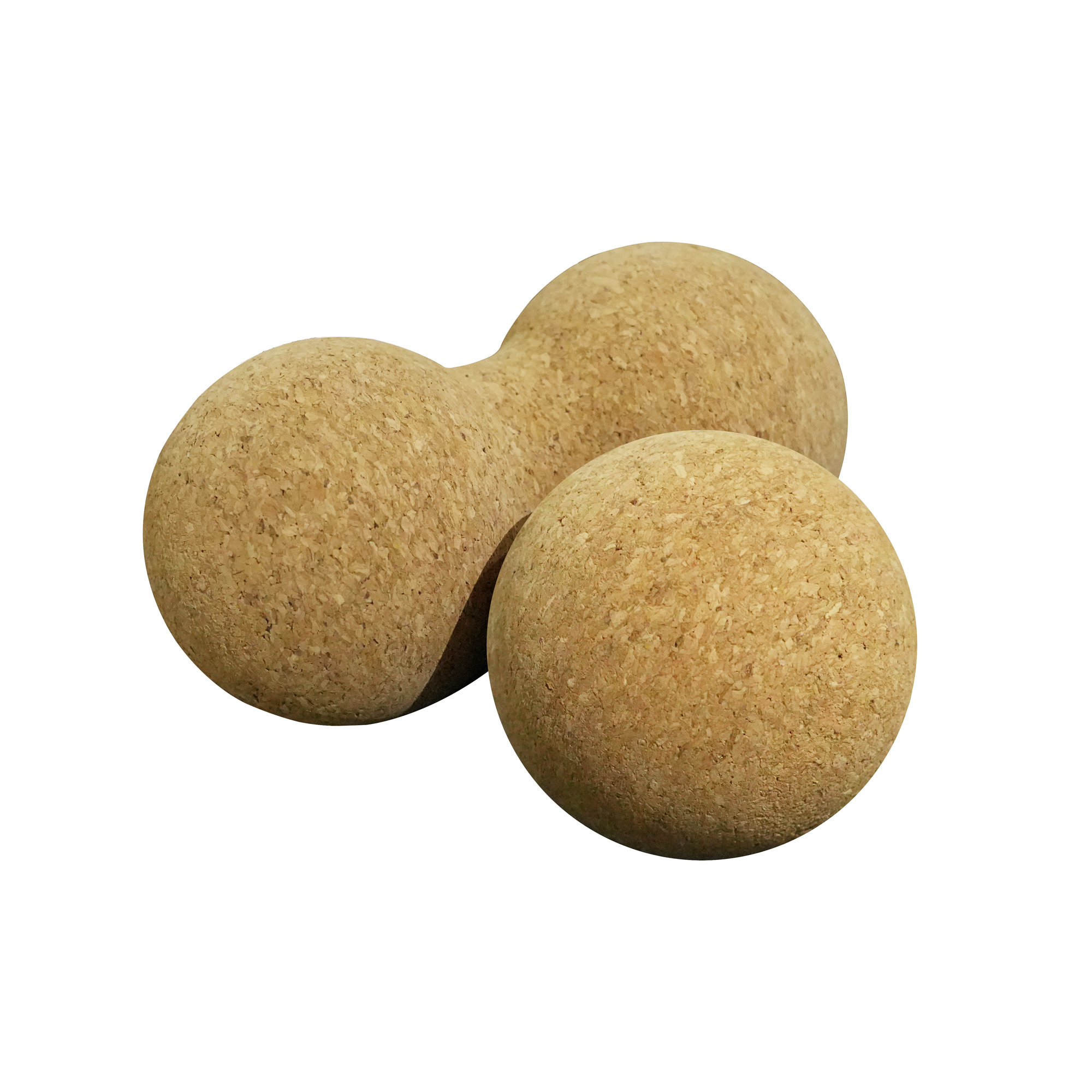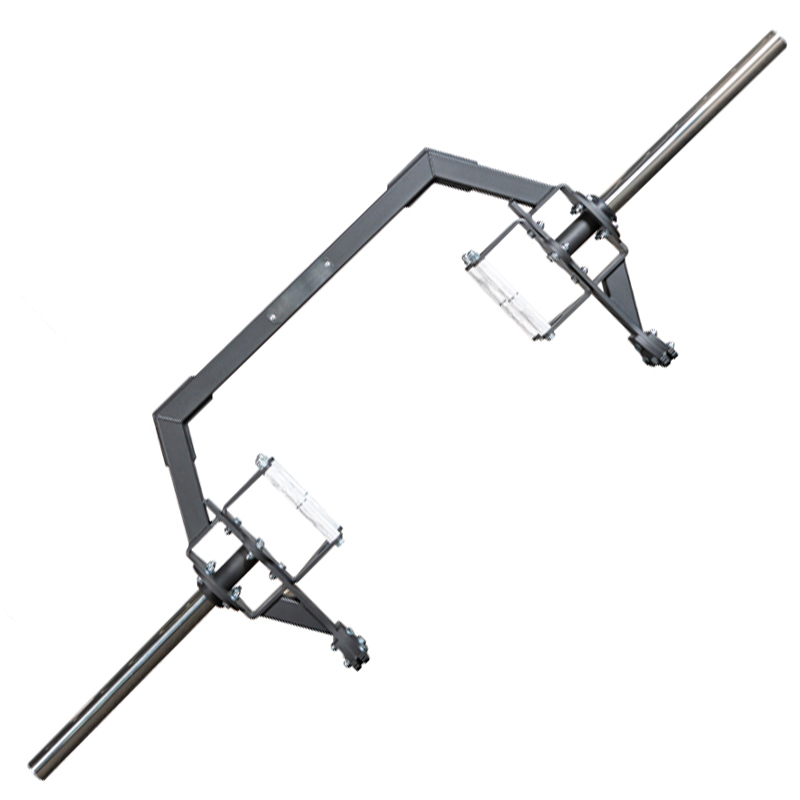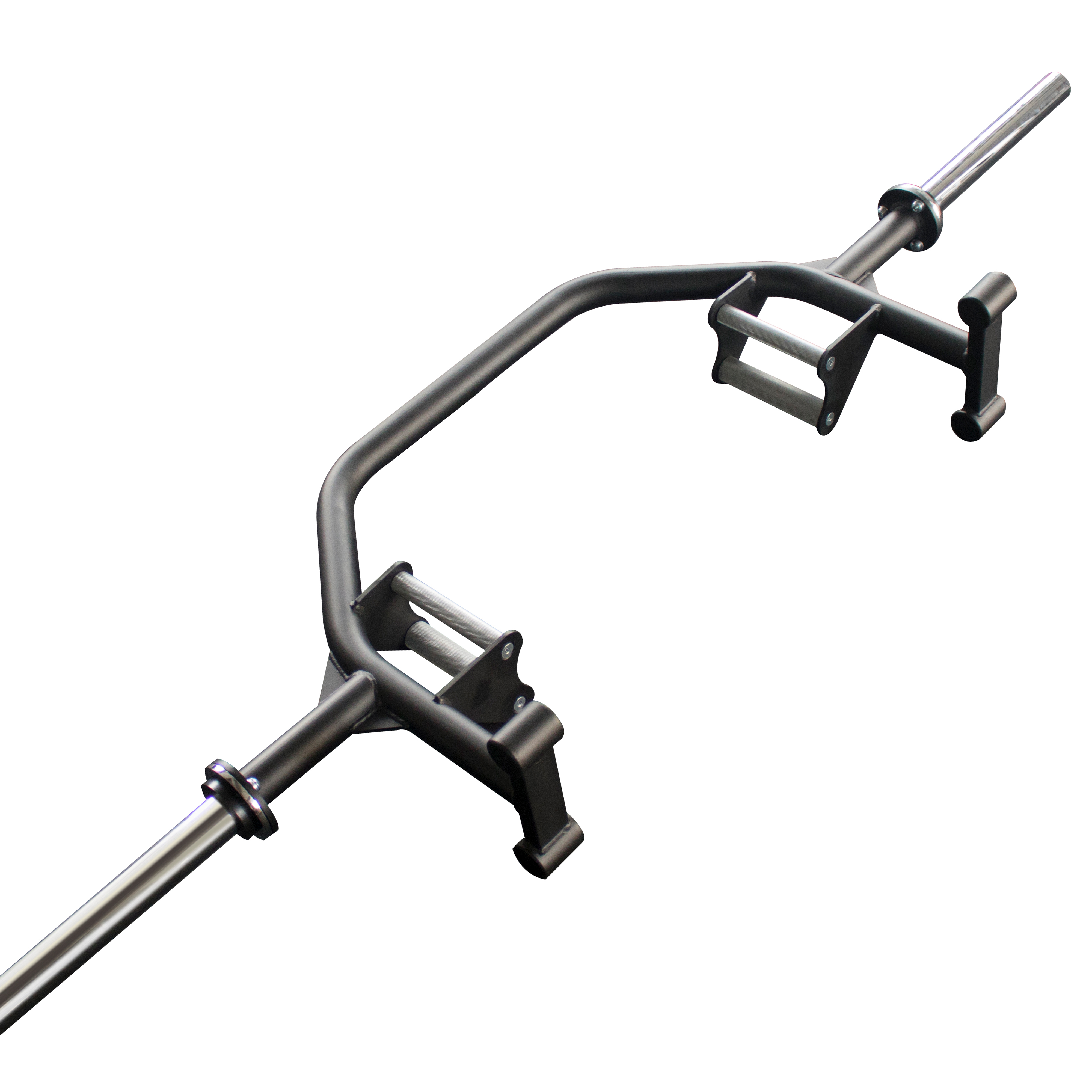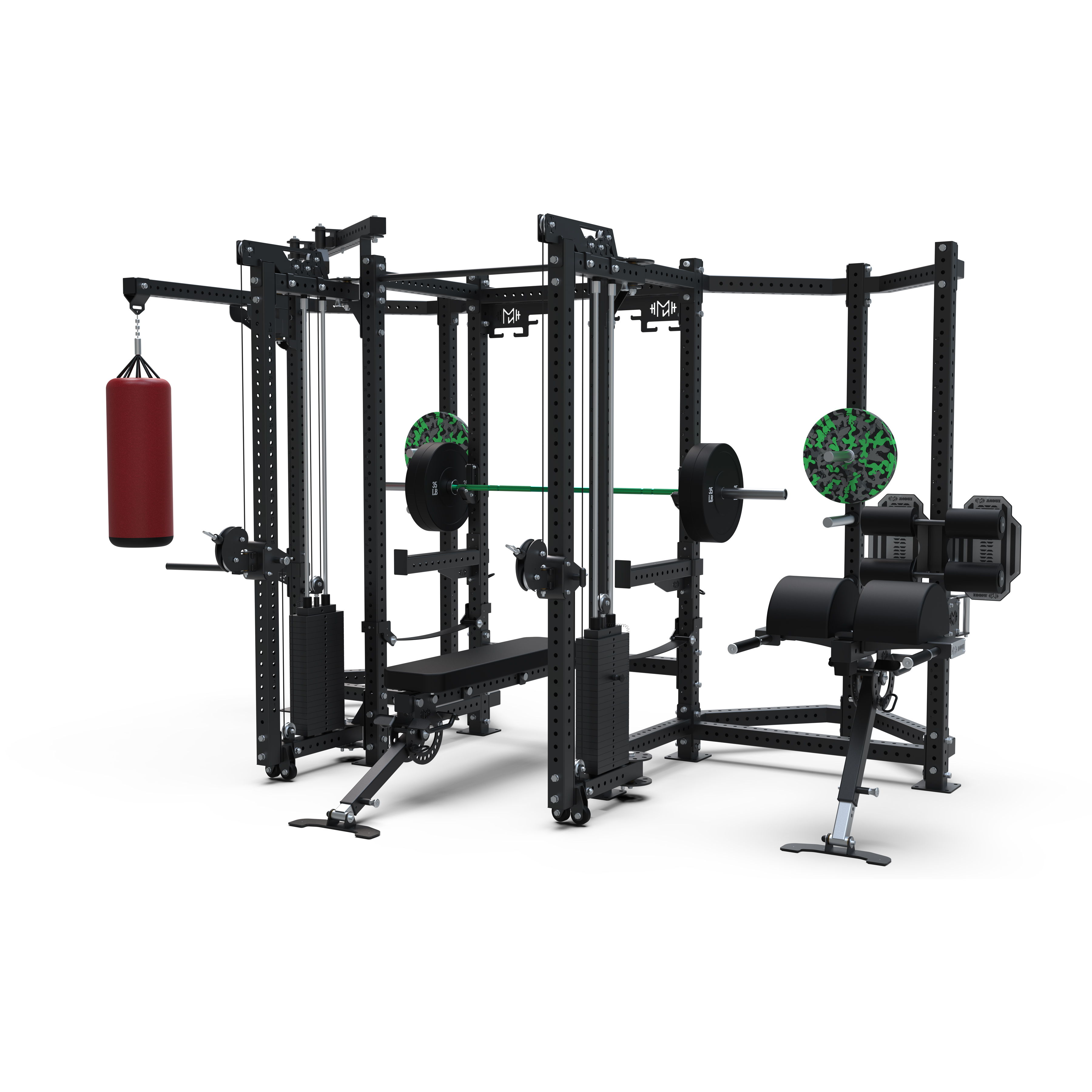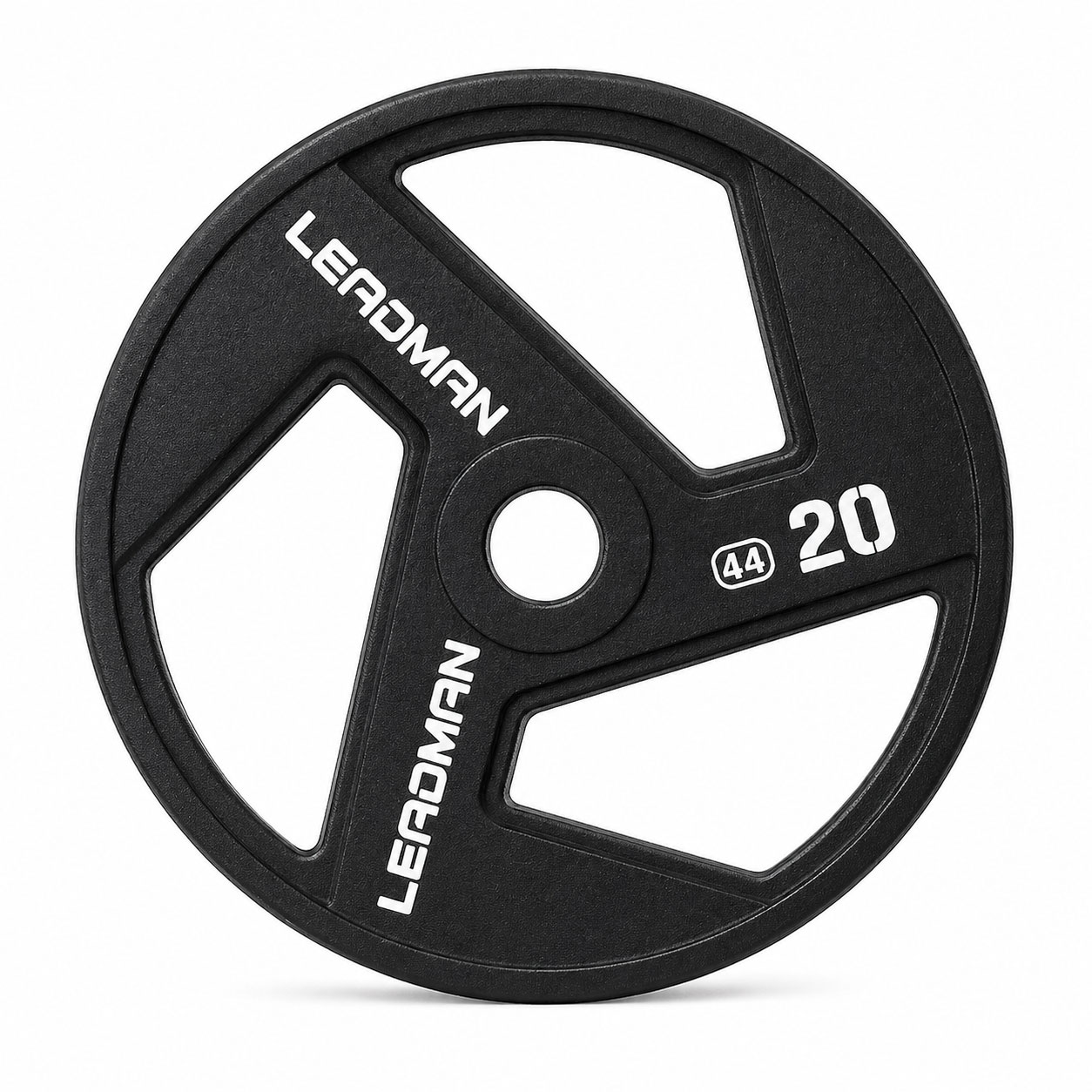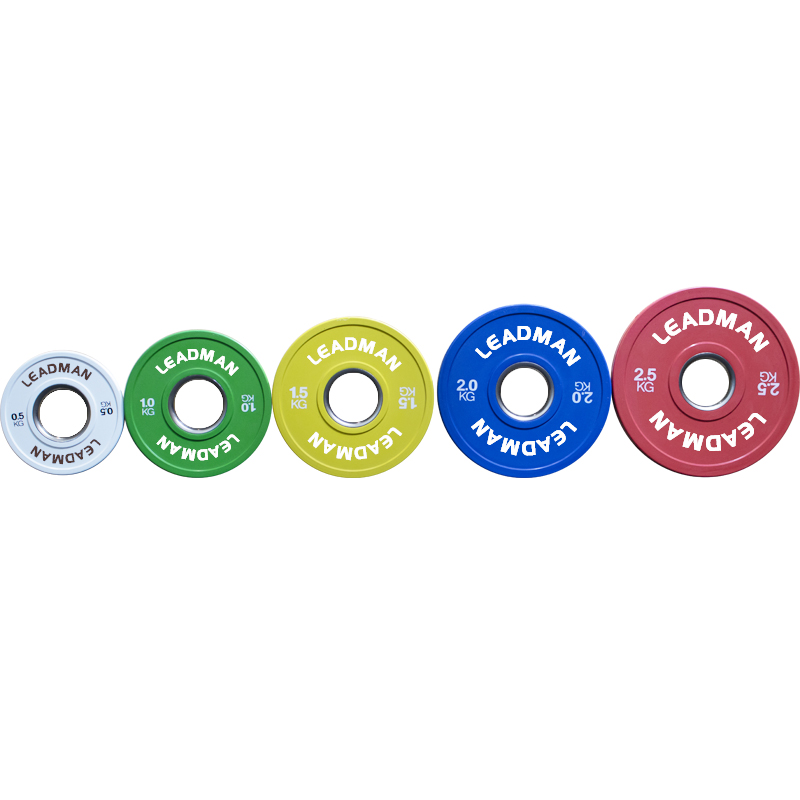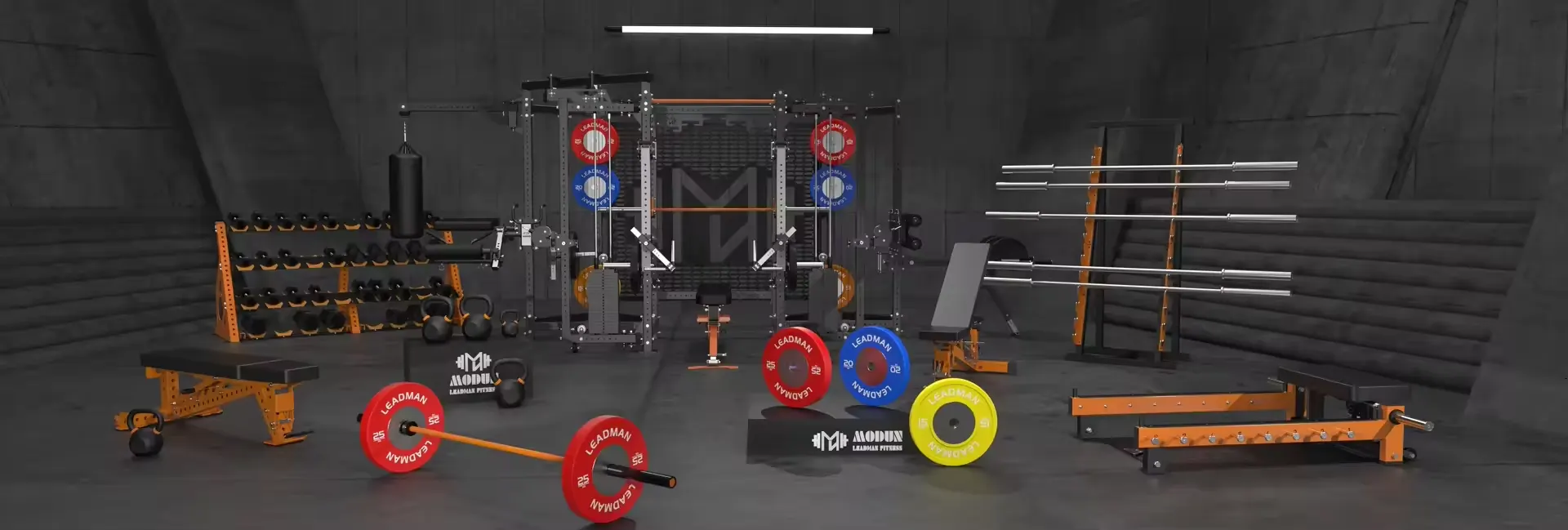
Chinese workout equipment dominates global fitness supply chains, accounting for an estimated 60-70% of all strength training products sold worldwide—from dumbbells and bumper plates to power racks and selectorized machines. The concentration of manufacturing in provinces like Shandong (barbells and plates), Jiangsu (benches and racks), and Guangdong (cardio electronics) creates economies of scale that drive competitive pricing, but quality varies significantly by factory tier.
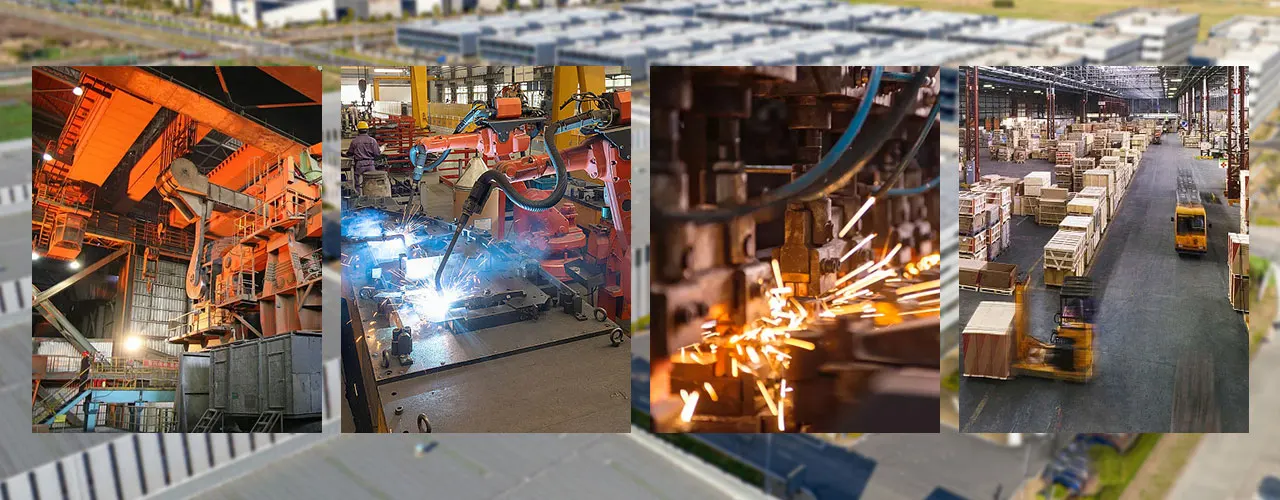
The structural advantage of Chinese workout equipment stems from industrial clustering and vertical integration. In Qingdao, a single industrial park may contain iron foundries, rubber vulcanization lines, chrome plating facilities, and finished goods assembly within a 10km radius. This proximity reduces production costs by 25-40% compared to manufacturers importing components. However, this efficiency also enables low-quality producers to mimic premium products at surface level—using thinner steel (14-16 gauge vs 11-gauge), recycled rubber instead of virgin, and cosmetic welds rather than full-penetration joints.
Third-party audit data indicates significant quality stratification among Chinese fitness factories. Tier-1 manufacturers (ISO 9001 certified, EN/ASTM testing on-site) produce equipment meeting or exceeding Western commercial standards, with defect rates below 1.5%. Tier-2 factories (some process controls, third-party testing) achieve 3-5% defect rates, acceptable for home gym or light commercial use. Tier-3 workshops (no certification, minimal QC) show 10-20% defect rates and should be avoided for any application involving user safety. A 2023 sourcing report found that buyers who conducted on-site audits reduced defect-related losses from 12% to under 2% of order value.
For buyers sourcing Chinese workout equipment, prioritize sample verification and third-party inspection. Order pre-production samples (5-10 units) and test for weight tolerance, finish adhesion, weld penetration, and dimensional accuracy. Specify material certifications (steel mill reports, rubber durometer data, foam density specs) as contract requirements, not optional documentation. Use SGS, Bureau Veritas, or TÜV inspections during production and before container loading—this adds 1-3% to order cost but prevents receiving substandard goods. Understand Incoterms and tariff exposure: FOB Qingdao or Ningbo transfers risk at port of loading; CIF or DDP shifts risk to supplier. For US buyers, factor Section 301 tariffs (7.5-25% depending on product) into landed cost calculations. Establish relationships with sourcing agents or bilingual quality control staff who can navigate factory communications and identify tier-1 versus tier-3 operations before quoting.
Let our experts design the perfect gym solution for your business. Get a free consultation and quote today.