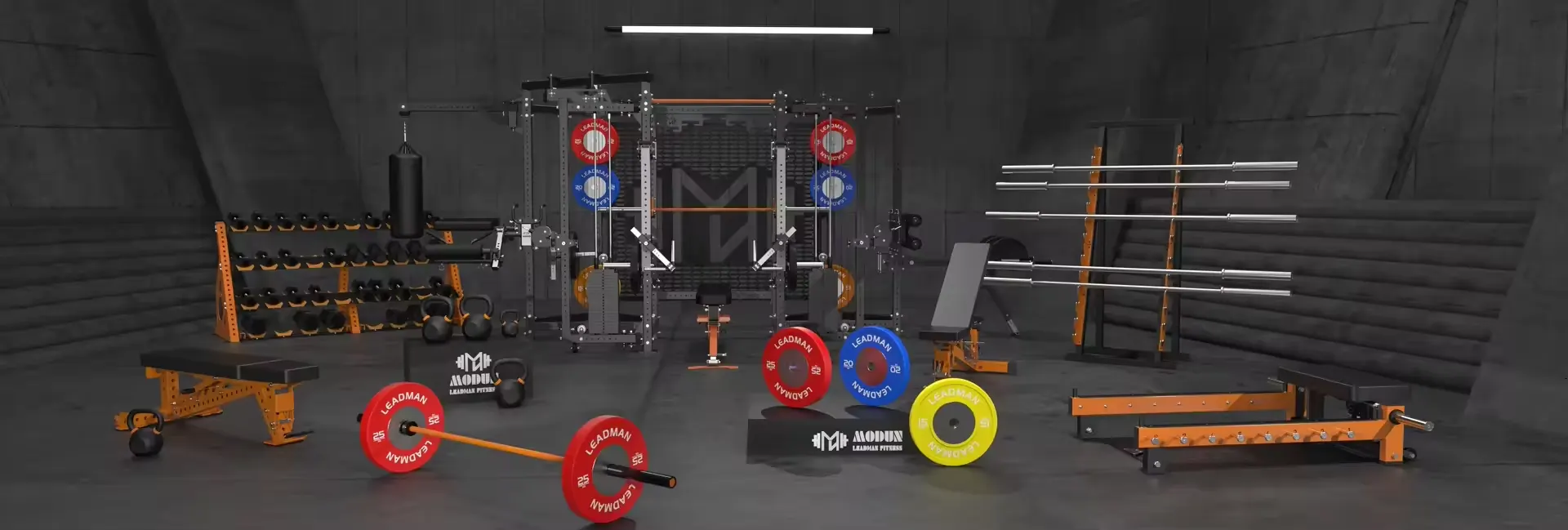
Global fitness infrastructure expansion has intensified demand for specialized production partners, yet sourcing gym equipment manufacturers that balance commercial durability, regulatory compliance, and scalable customization remains a primary hurdle for facility operators and franchise procurement teams. Unlike consumer-grade suppliers, industrial-scale producers must navigate material science trade-offs, evolving safety certifications across multiple jurisdictions, and just-in-time logistics without compromising structural integrity. The selection process, therefore, transcends price comparison—it demands forensic evaluation of welding protocols, powder-coating adhesion standards, and load-testing documentation that verifies each rack, pulley, and weight stack performs safely under repeated high-intensity cycles.
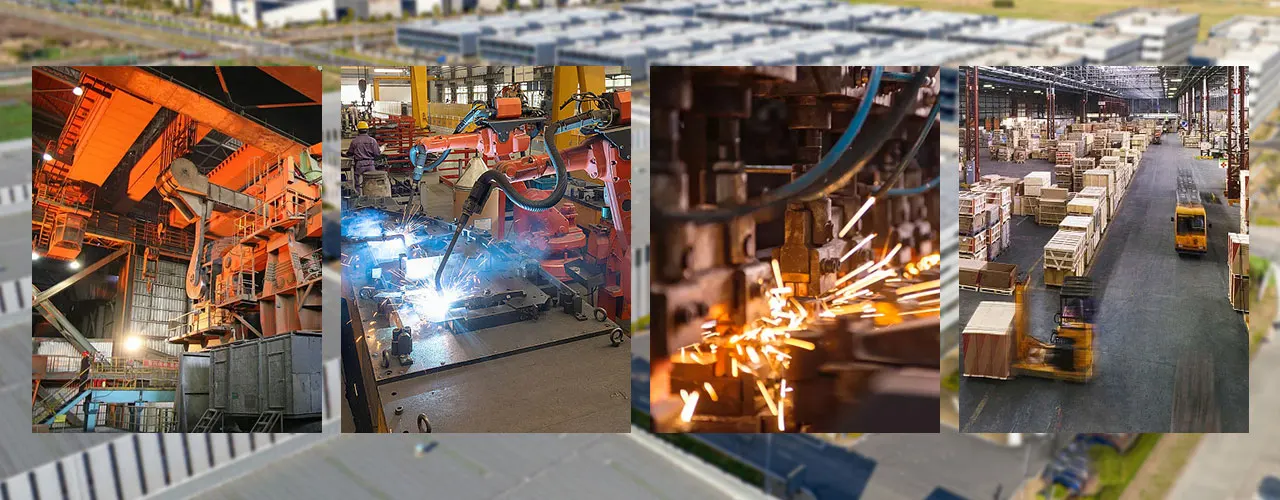
For procurement managers, the strategic decision begins with distinguishing original design manufacturers from assembly-only workshops. True manufacturers invest in robotic welding cells, continuous laser-cutting systems, and in-house R&D capabilities that enable bespoke frame geometries—critical when retrofitting equipment into non-standard floor plans or branding enclosures. Conversely, brokers often obscure their subcontracted supply chains, creating inconsistent tolerances between production batches. Industry insiders increasingly demand factory audit reports and independent third-party verification (e.g., EN 957 or ASTM standards) before negotiating volume commitments.
Operational efficiency further separates market leaders: advanced facilities employ real-time production monitoring and predictive maintenance to sustain lead times of 4–6 weeks for standard rigs, while offering expedited prototyping for test-market deployments. However, the true differentiator lies in post-sale support—manufacturers that maintain digital spare-part libraries, interactive assembly guides, and remote troubleshooting reduce facility downtime by up to 40%, according to internal performance benchmarks. Emerging trends also point toward eco-conscious fabrication, with leaders adopting water-based finishing systems and recyclable packaging to align with corporate sustainability mandates without inflating per-unit costs.
Nevertheless, hidden costs frequently undermine perceived savings: unfavourable payment terms (e.g., 100% upfront), vague freight insurance clauses, or inadequate rust-prevention treatments for coastal installations. Mature buyers therefore construct weighted scorecards that allocate 30% weighting to technical certification completeness, 25% to customization flexibility, 20% to logistics transparency, and the remainder to long-term service infrastructure. This analytical approach, combined with sample order testing and on-site quality walks, consistently identifies partners that evolve alongside facility growth—transforming transactional purchases into collaborative engineering relationships that future-proof commercial fitness assets for a decade or more.
Let our experts design the perfect gym solution for your business. Get a free consultation and quote today.