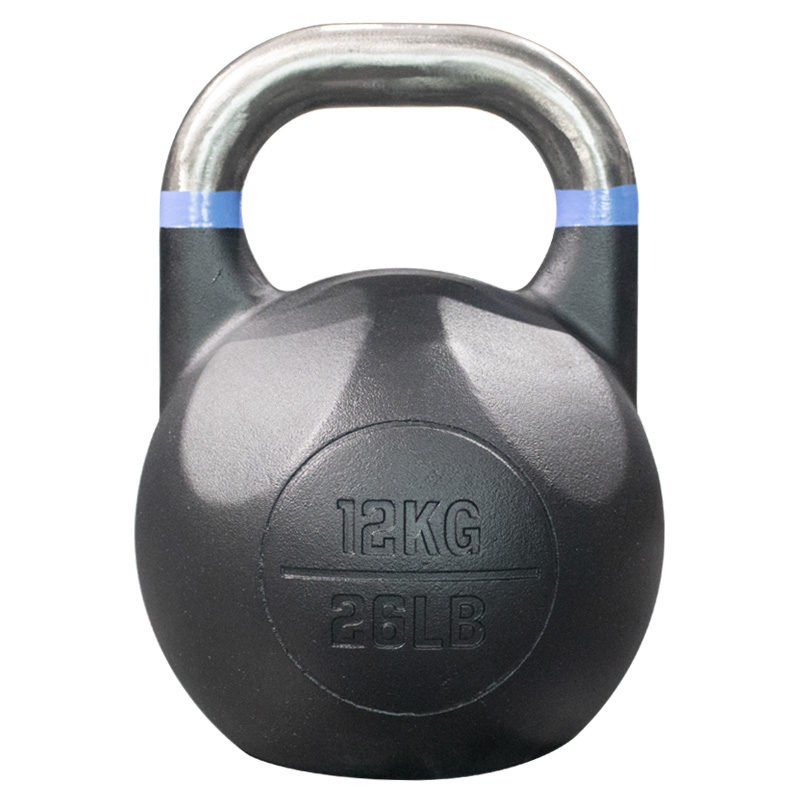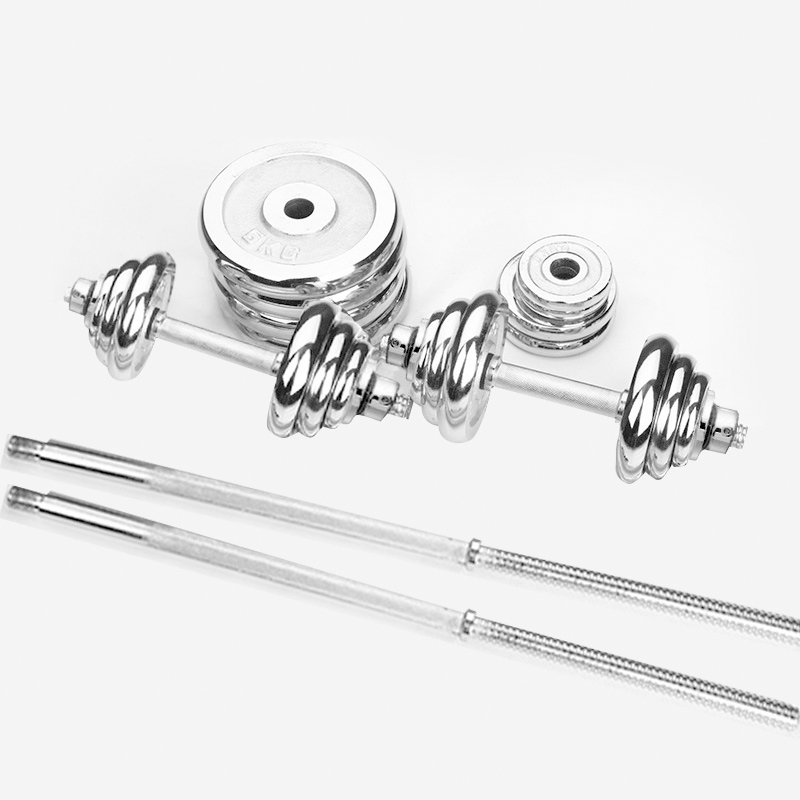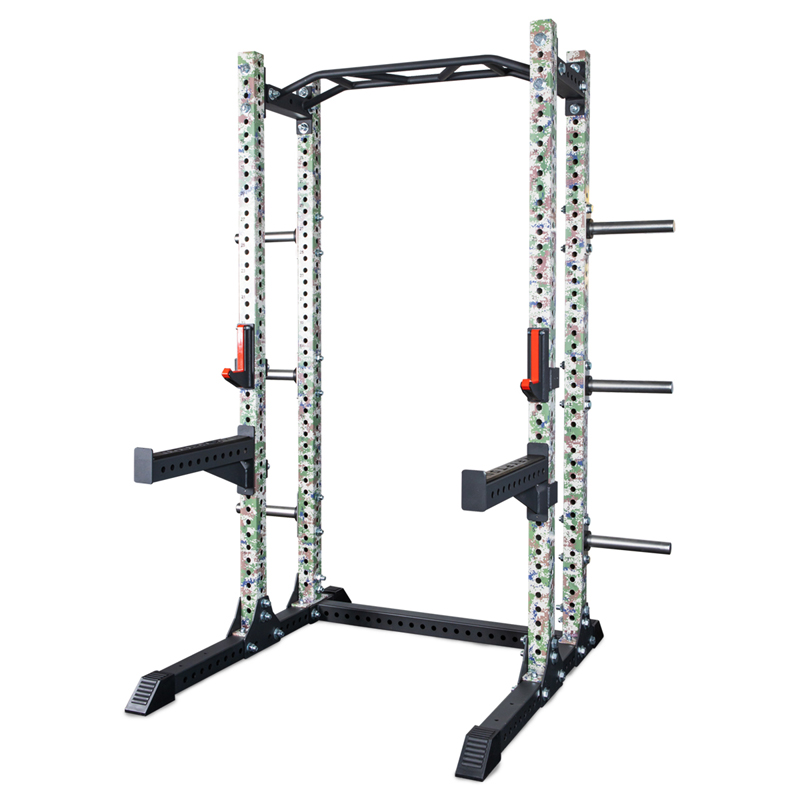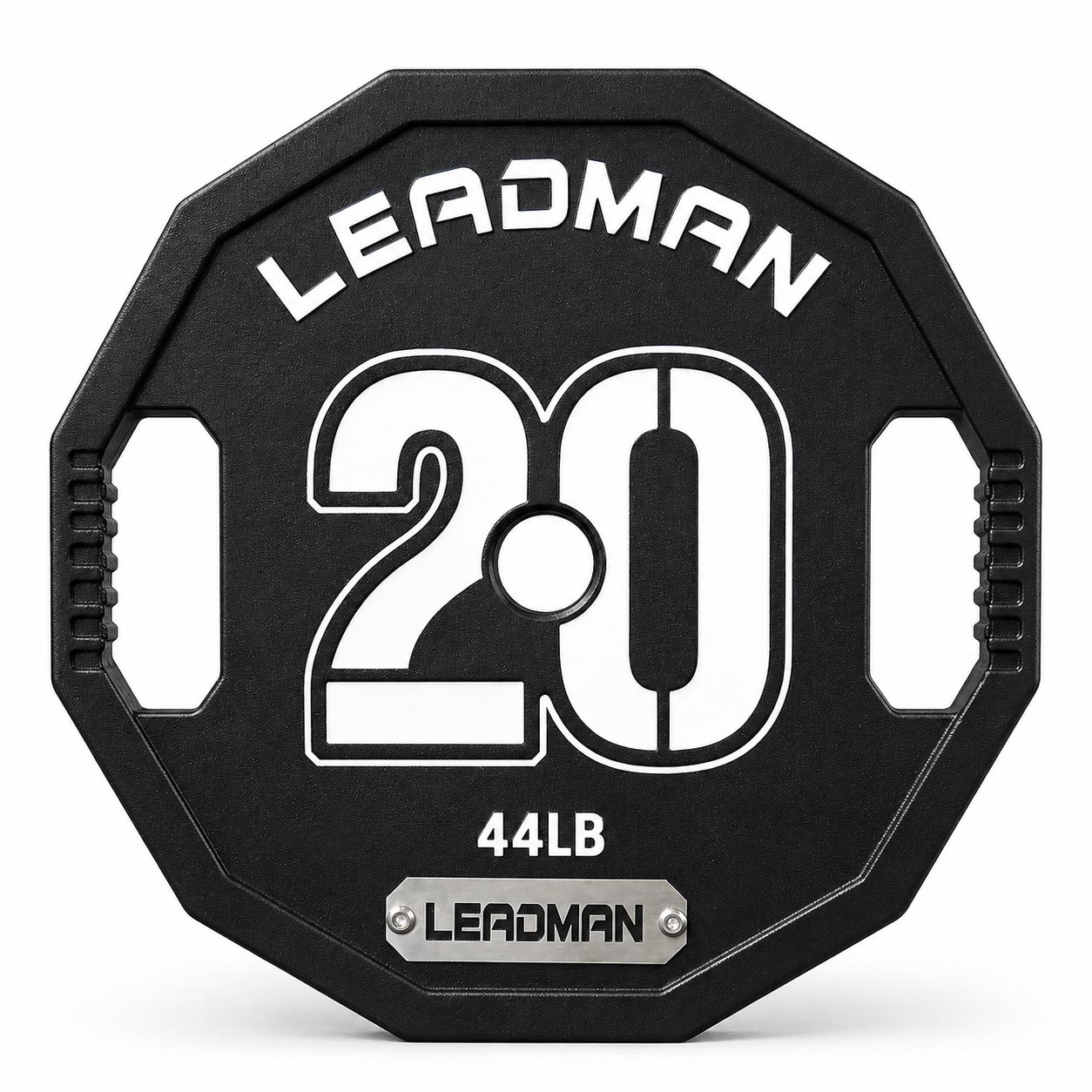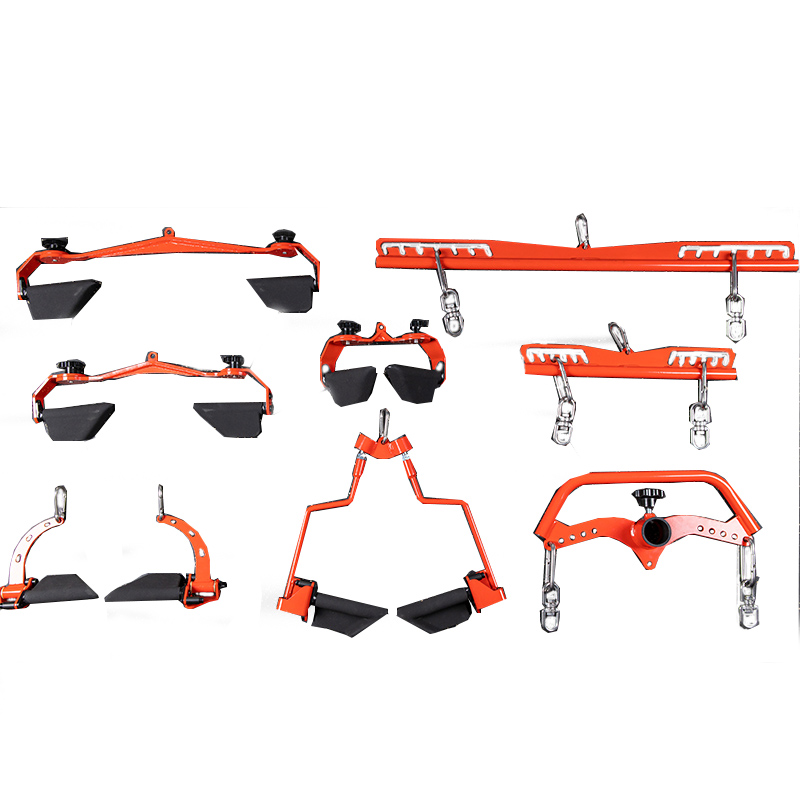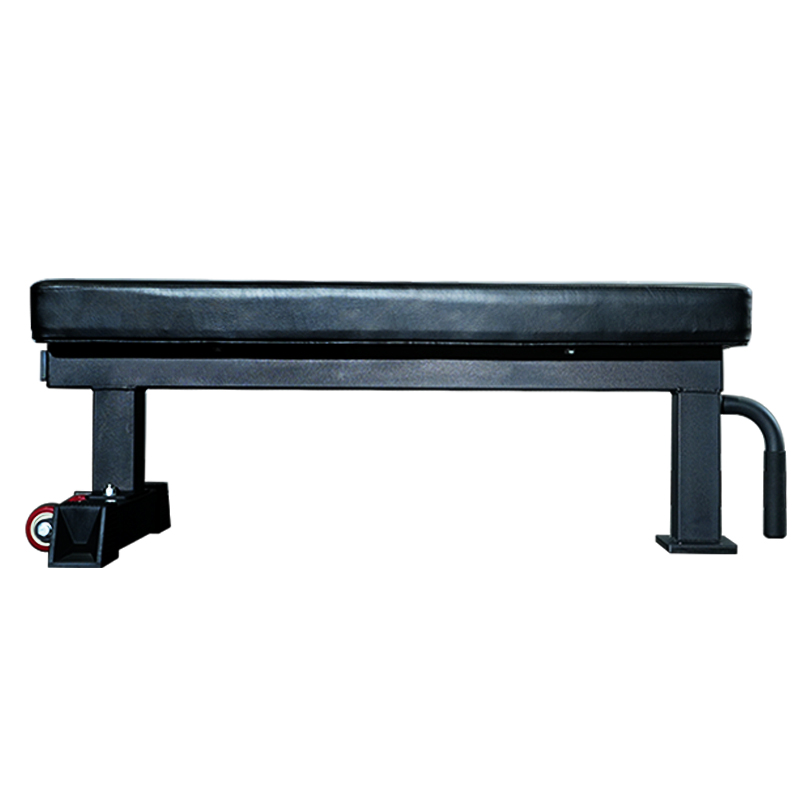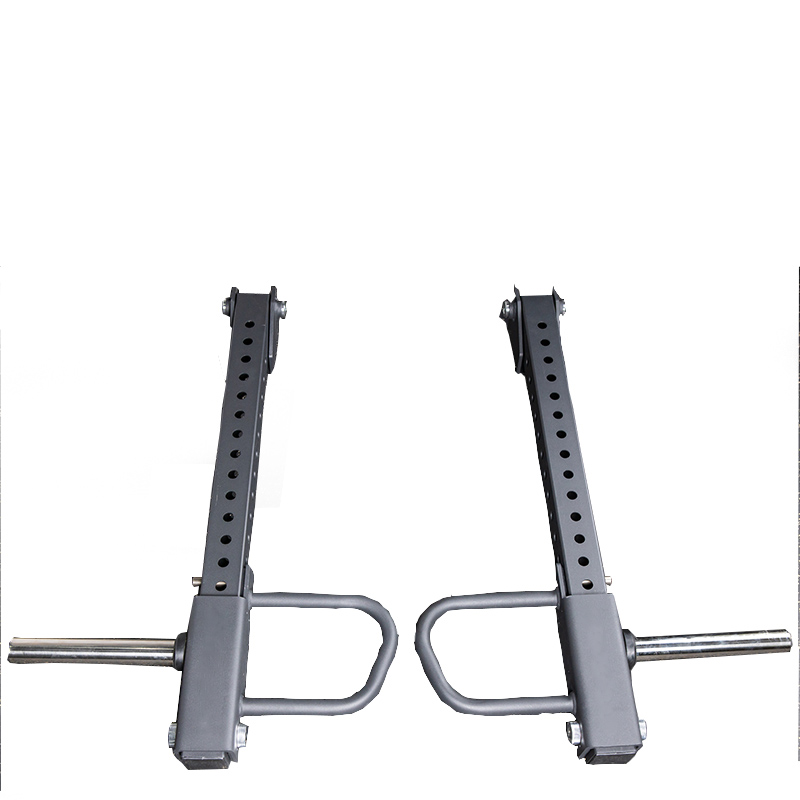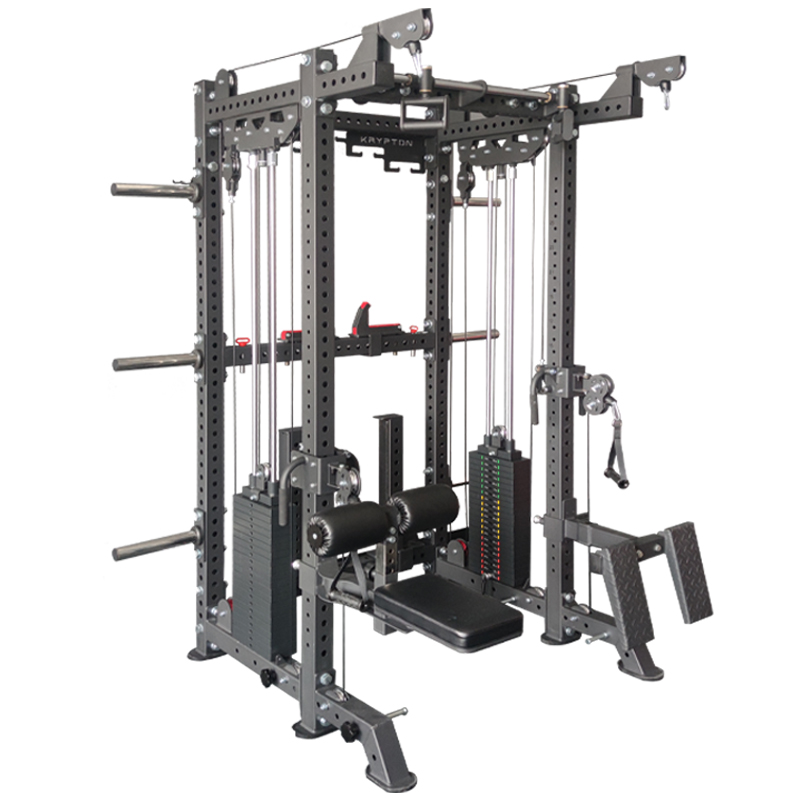
Identifying the best fitness manufacturer is not about finding a single global leader—it requires matching production capabilities to your specific business model. For commercial gym operators, the optimal partner excels in heavy-duty structural fabrication and holds verifiable certifications like EN20957 or ISO 9001. For boutique studios or home fitness brands, agility in low MOQ (Minimum Order Quantity) and rapid design iteration often outweigh pure production scale.
Geographic sourcing strategies heavily influence manufacturer selection. China's Pearl River Delta and Shandong province remain the world's densest hubs for OEM and ODM fitness equipment, offering integrated supply chains for steel forming, foam padding, and electronic console assembly. Conversely, manufacturers in Italy and Germany lead in biomechanical research and commercial-grade durability, albeit at significantly higher price points. Taiwan and South Korea provide a middle ground, emphasizing precision engineering and stricter quality control protocols than lower-cost alternatives.
The best manufacturers distinguish themselves through quality assurance systems rather than marketing claims. Look for partners that publish third-party load test results, maintain ISO-certified welding procedures, and conduct batch sampling for coating adhesion. A truly reliable supplier will provide a traceable quality control report for each shipment, documenting everything from bushing compression scores to pulley alignment tolerances.
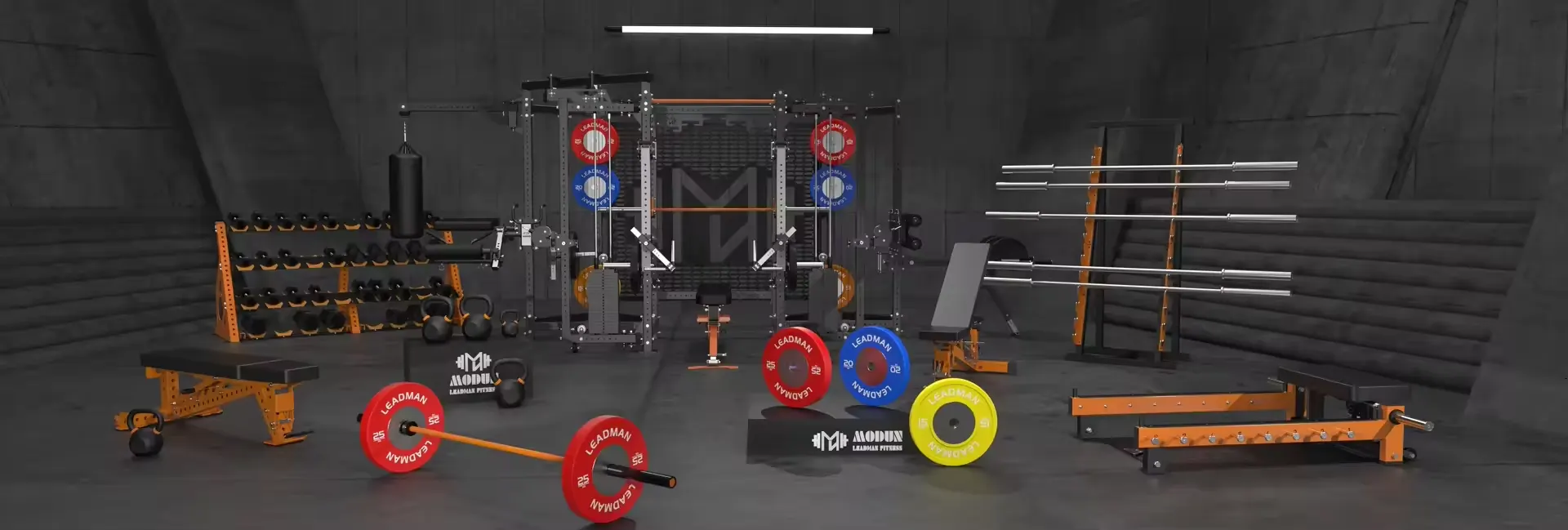
For strength equipment specifically, evaluate how a manufacturer manages structural integrity across product families. Top-tier producers use consistent material grades—such as Q235 or Q355 steel—across racks, benches, and rigs, ensuring predictable load performance. They also implement modular designs with standardized hole spacing and component interfaces, allowing facility owners to mix and match attachments without proprietary lock-in. This approach significantly reduces long-term replacement costs.
Finally, assess the manufacturer's approach to supply chain transparency and lead time management. The best fitness equipment manufacturers maintain buffer stocks of raw steel and common components, shielding clients from raw material price volatility. They provide proactive production scheduling updates and offer consolidated海运 (sea freight) or air freight options through established logistics partners. Avoid suppliers that cannot clearly articulate their upstream material sources or production bottlenecks—these are early warning signs of delivery risks.
Let our experts design the perfect gym solution for your business. Get a free consultation and quote today.