

Sourcing Excellence: A Technical Guide to a Wholesale Dumbbells Manufacturer
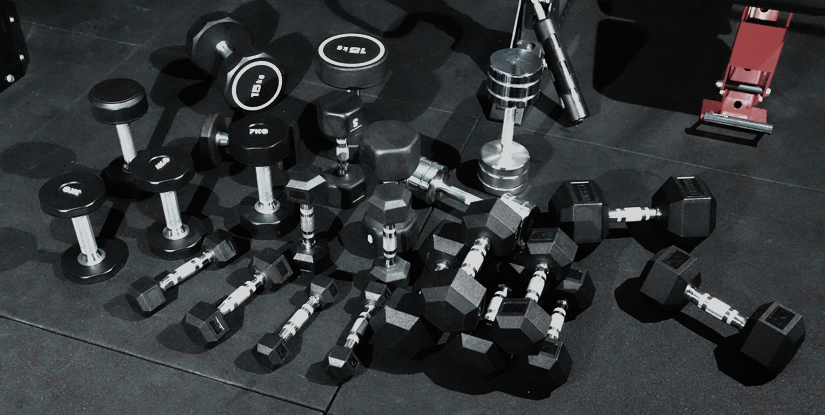
For procurement managers and fitness equipment distributors, the transition from conceptualizing a product line to executing a high-volume order is fraught with technical risks. Selecting a Wholesale Dumbbells Manufacturer is not merely a transaction of volume, but a deep engagement with material science, casting precision, and coating durability. A single oversight in the manufacturing process—such as improper casting density or substandard grip coatings—can lead to catastrophic product failures, uneven weight distribution, and high return rates. This guide follows the lifecycle of dumbbell production to provide professionals with the technical benchmarks required to verify quality at every stage.
Material Selection and Raw Input Standardization
Before the first cast is poured, the structural integrity of the dumbbell is decided at the material specification stage. A common pain point for buyers is receiving a batch that looks uniform but possesses inconsistent density, leading to slight weight variances between pieces in a set. This is often caused by the use of recycled scrap metal with high impurity levels.
Iron and Steel Grade Specifications
For traditional cast iron dumbbells, the carbon content must be tightly controlled to prevent brittleness. High-grade foundry sand and high-purity pig iron are standard requirements. When sourcing, professionals should ask for the specific grade of steel used for the handles, as low-carbon steel may lack the tensile strength required for heavy-duty commercial use.
Polymer and Rubber Compound Integrity
In the case of rubber-encased or neoprene-coated dumbbells, the failure mode is often 'delamination' or 'cracking.' This occurs when the bond between the weight core and the outer layer is weak due to incompatible chemical properties. Verification involves checking the Shore A hardness of the rubber to ensure it meets the required density and impact resistance standards.
Once the raw materials are verified, the process shifts from chemical composition to physical shaping through casting or molding.
The Precision Casting and Molding Workflow
The transition from raw metal to a shaped weight is a high-risk phase where geometric accuracy is determined. If the mold is not perfectly maintained, the resulting dumbbells will exhibit 'flash' (excess material) or uneven shapes that affect user ergonomics and aesthetics.
Sand Casting vs. Die Casting Techniques
Most mass-market manufacturers utilize sand casting for cast iron products due to its cost-effectiveness for large batches. However, die casting offers much higher precision for metal-core dumbbells with complex handle shapes. Understanding this distinction is critical for determining the level of finish you can expect from a manufacturer.
| Casting Method | Primary Advantage | Common Defect Risk | Best For |
|---|---|---|---|
| Sand Casting | High volume, low tooling cost | Surface roughness, irregular edges | Standard Cast Iron Dumbbells |
| Die Casting | High precision, smooth finish | Higher initial mold investment | Premium Hex Dumbbells |
| Injection Molding | Perfect weight encapsulation | Thermal expansion issues | Rubber/Neoprene Coated Sets |
The precision of the cast dictates how well the subsequent coating and finishing stages will adhere to the core.
Explore the complete technical specifications:
Handle Fabrication and Ergonomic Engineering
The handle is the primary touchpoint for the end-user, and its failure is often the most visible sign of poor manufacturing. A common issue is the 'spinning handle' phenomenon, where the weights detach or rotate around the central rod. This is a direct result of poor welding or insufficient thread engagement.
Knurling Patterns and Tensile Strength
Knurling is the diamond-patterned texture etched into the handle to provide grip. The depth and precision of this pattern must be uniform across a production run. A common mistake is using shallow knurling to save time, which results in a slippery grip when the user's hands are sweaty. Furthermore, the diameter of the bar must be consistent to within tight tolerances to ensure a standardized feel across different weight increments.
Welding and Threading Integrity
For adjustable dumbbells or those with separate head and handle components, the threading must be precision-machined. Verification should involve a visual and tactile check for 'burrs' or uneven threads that could strip during heavy use. If a manufacturer uses low-quality welding for fixed-handle designs, the structural bond between the weight and the bar will be a point of failure.
With the core structure and handle finalized, the manufacturer must now address the aesthetic and protective layers.
Explore the complete technical specifications:
Surface Treatment and Protective Coatings
A high-quality Wholesale Dumbbells Manufacturer treats surface finish as a functional requirement rather than just an aesthetic choice. The primary goal of a coating is to prevent oxidation (rust) and to protect the floor surfaces where the weights may be dropped.
Powder Coating and Electrostatic Application
Powder coating is the industry standard for high-durability finishes. Unlike liquid paint, powder coating is electrostatically applied and then cured under heat, creating a much tougher barrier. A failure mode to watch for is 'peeling,' which typically indicates improper surface preparation (failure to remove oils or oxidation before coating).
Neoprene and Polyurethane Encapsulation
For premium or home-use lines, the core is often encased in a polymer. The critical metric here is the 'bond strength.' A professional buyer should request samples to test for easy peeling. If the polymer is too soft, it will tear under impact; if it is too hard, it may crack during temperature fluctuations.
To ensure these coatings remain consistent, rigorous inspection protocols must be applied during the final stages of production.
Explore the complete technical specifications:
Quality Control and Dimensional Tolerance Standards
Quality control (QC) is the bridge between a finished product and a reliable commercial asset. Without strict adherence to dimensional tolerances, a set of 10kg dumbbells may actually vary from 9.5kg to 10.5kg, which is unacceptable for professional training environments.
Weight Verification and Tolerance Ranges
Manufacturers should utilize calibrated electronic scales to verify weight accuracy. A standard acceptable tolerance for high-quality manufacturing is typically within ±1-3% of the stated weight. Any deviation beyond this range suggests a lack of control over the casting density or the volume of coating applied.
Structural Integrity Checklists
Before shipping, a random sample from each batch should undergo a stress test. This includes checking the grip strength, the smoothness of the knurling, and the durability of the coating. Use the following checklist when reviewing a manufacturer's QC reports:
- Weight Uniformity: Are all weights within the ±2% threshold?
- Knurl Consistency: Is the texture uniform and free of sharp burrs?
- Coating Adhesion: Does the coating show signs of chipping or unevenness?
- Handle Centering: Is the handle perfectly centered within the weight heads?
- Oxidation Test: Has the metal been treated to prevent immediate rust exposure?
Verification of these metrics ensures that the final shipment meets the professional standards expected by gym operators.
Explore the complete technical specifications:
Logistics, Packaging, and Damage Prevention
Even the most perfectly manufactured dumbbell can be ruined during the transit phase if the packaging is insufficient. For heavy, high-density items, the logistical challenge is preventing impact damage and structural shifts during sea or road freight.
Bulk Packaging and Crating Specifications
Standard cardboard boxes are often insufficient for high-volume dumbbell shipments. Heavy-duty corrugated boxes or custom wooden crates are required to prevent the weight from crushing the bottom layers. A common failure in international shipping is 'crushed corners,' which occurs when the vertical strength of the box is not rated for the weight of the dumbbells inside.
Container Loading Optimization
When shipping via sea freight, the way dumbbells are stacked in a container can affect the entire shipment. Over-stacking can lead to deformation of the lower units. Manufacturers should provide documentation regarding their loading protocols to ensure that the heavy density of the product does not compromise the container'l integrity or the product's finish.
Reflecting on the entire process, from raw metal to the final container, the importance of technical oversight remains constant.
Explore the complete technical specifications:
The Future of Dumbbell Manufacturing: Sustainability and Innovation
As the fitness industry moves toward more sustainable practices, the manufacturing landscape is shifting. Buyers should look for manufacturers who are integrating more eco-friendly processes into their production lines.
Recycled Content and Green Manufacturing
The use of recycled steel is becoming a standard for many top-tier producers. This not only reduces the environmental footprint but also ensures a stable supply chain of raw materials. However, buyers must ensure that the inclusion of recycled content does not compromise the metallurgical properties of the final product.
Advanced Materials: High-Density Polyurethane (HDPU)
The next generation of dumbbells is moving toward HDPU and advanced silicone coatings that offer better durability and a more ergonomic feel. These materials are more expensive but offer a higher ROI due to their longevity and lower maintenance requirements in commercial settings. Selecting a manufacturer that invests in these advanced technologies is a signal of long-term reliability and product evolution.
By understanding these technical layers, a Wholesale Dumbbells Manufacturer partner becomes more than just a supplier; they become a critical component of your brand's quality promise.