

Optimizing Performance with Bumper Plates For Barbell Training
Understanding Material Composition and Density Standards
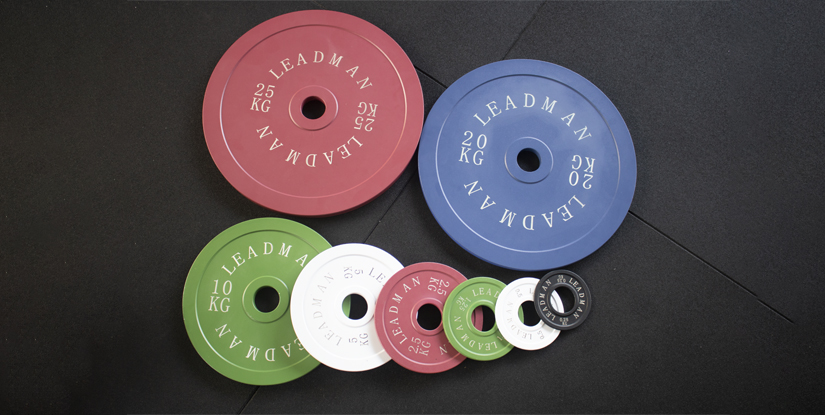
High-performance training environments require more than just standard weight increments; they require gear that can withstand repetitive high-impact loading. When selecting Bumper Plates For Barbell applications, the primary differentiator is the density and the specific polymer blend used in the construction. A common problem faced by facility managers is the premature cracking of the outer edges, often caused by using low-density recycled rubber that lacks sufficient elasticity. To prevent this, operators must verify the material specification before procurement.
Rubber Grade and Durability Factors
The choice between virgin rubber and recycled rubber is not merely a cost-driven decision but a functional one. Virgin rubber offers superior shock absorption and a more consistent diameter, whereas recycled rubber, while more economical, can suffer from dimensional inconsistencies. These variations in thickness can lead to uneven loading on the barbell, potentially causing the bar to tilt during a lift. As we analyze these physical properties, the next critical factor to consider is how these plates interact with the barbell sleeve.
| Material Type | Shock Absorption | Longevity Expectation | Typical Use Case |
|---|---|---|---|
| Virgin Rubber | High | Extended (High Impact) | Professional Weightlifting/CrossFit |
| Recycled Rubber | Moderate | Standard (Moderate Impact) | Commercial Gyms/General Strength |
| Urethane Coated | High/Controlled | Maximum (High Friction) | High-Volume Professional Facilities |
Establishing a baseline for material density ensures that the equipment remains a reliable asset rather than a recurring expense. Once the material integrity is understood, the focus must shift to the precision of the central hole.
Precision Tolerances of the Center Hole and Sleeve Fit
A frequent failure mode in strength training is the excessive 'wobble' experienced when a barbell is loaded. This is rarely a fault of the bar itself but is often a consequence of poor tolerances in the Bumper Plates For Barbell manufacturing process. If the internal diameter is too large, the plate will not sit flush against the sleeve, leading to uneven weight distribution and increased wear on the barbell's bearings. Conversely, a hole that is too tight can make rapid plate changes difficult and may even scratch the barbell sleeve.
Verifying Diameter Consistency
To ensure professional-grade performance, operators should use a calibrated caliper to measure the internal diameter of a sample set. A standard 50mm sleeve requires a plate with a very tight tolerance to prevent lateral movement. When the plates do not seat correctly, the kinetic energy from a dropped lift is not absorbed vertically but is transferred sideways, which can damage the barbell or the lifting platform. By prioritizing precision, you protect your entire equipment ecosystem.
- Problem: Unstable barbell during heavy lifts.
- Cause: Wide tolerance in the internal plate diameter.
- Fix: Select plates with a specification of 50.4mm to 50.5mm for 2-inch bars.
- Verification: Use a digital caliper to check three random plates from a new shipment.
Securing a consistent fit is the foundation of safety, which leads directly into the necessity of understanding different plate geometries.
Comparing Bumper Plate Geometries: Standard vs. Competition
Not all bumper plates are designed for the same movement patterns. While all high-quality bumper plates are meant to be dropped, the distinction between standard and competition-style plates lies in their thickness and edge profile. A common mistake is assuming that all bumper plates will provide the same 'bounce' or feedback. This can lead to unexpected behavior during high-velocity lifts, such as the Olympic snatch or clean and jerk.
Weight Distribution and Profile Analysis
Competition-style plates are engineered to have a very specific, uniform diameter across all weights to ensure that the barbell remains balanced. Standard commercial-grade bumper plates may vary in diameter as the weight increases, which can affect the center of gravity during a lift. Selecting the correct geometry is essential for athletes who require predictable barbell behavior. The following table outlines the distinctions between these two common categories.
| Feature | Standard Bumper Plates | Competition Bumper Plates |
|---|---|---|
| Diameter Consistency | Variable by weight class | Uniform across all weights |
| Edge Profile | Often rounded or thicker | Highly refined and consistent |
| Durening Precision | General purpose/High durability | High precision/Low bounce |
| Ideal For | General strength/CrossFit | Olympic Weightlifting/Competition |
Choosing the appropriate geometry ensures the athlete's technique is not hindered by equipment variability. Once the geometry is decided, the operator must consider the specialized requirements of the barbell sleeve itself.
Explore the complete technical specifications:
Barbell Sleeve Protection and Plate Interaction
The interaction between the Bumper Plates For Barbell and the barbell sleeve is a high-wear zone. A critical pain point for gym owners is the rapid degradation of barbell knurling and sleeves due to metal-on-metal or high-friction contact. This is often caused by using plates that lack a smooth internal finish or by using plates with excessive thickness that causes the plates to 'clench' the sleeve during a drop.
Reducing Friction and Wear
To extend the life of expensive barbells, it is recommended to use plates that feature a high-quality, polished internal ring. This ensures that as the barbell oscillates during a lift, the plate rotates or moves with minimal resistance. If a plate is too tight or has rough edges, it will act as an abrasive, prematurely wearing down the barbell's finish. Maintaining a clean, smooth interface is vital for both performance and longevity.
When the interface is optimized, the next logical step is to establish a rigorous maintenance and inspection protocol to catch wear before it leads to failure.
Explore the complete technical specifications:
Barbell Guide | Olympic Bar Sizes, Knurling & Tensile Strength
Operational Inspection Protocols for High-Volume Facilities
In high-traffic environments, a reactive approach to equipment maintenance is a recipe for injury. Professional operators must move from 'fixing things when they break' to a proactive inspection cycle. The goal is to identify structural fatigue in the Bumper Plates For Barbell before a catastrophic failure occurs. This includes checking for micro-cracks in the rubber or deformation of the central steel ring.
Daily vs. Monthly Inspection Checklist
A tiered inspection approach ensures that minor issues are caught during daily walkthroughs, while structural integrity is verified through more intensive monthly audits. Regularity in these checks is the only way to guarantee long-term safety and return on investment.
- Daily Visual Check: Look for visible surface tears, significant discoloration, or loose weight markings.
- Weekly Impact Test: Drop a single plate from a low height to observe the rebound; inconsistent or erratic bounce may indicate internal structural decay.
- Monthly Structural Audit: Measure the plate thickness and diameter to ensure no warping has occurred under heavy load.
By implementing these systematic checks, you transition from a consumer to a professional equipment manager. This management extends beyond the plates and into the environment they inhabit.
Explore the complete technical specifications:
Olympic Rubber Plate Set | Durable Bumper Plates for Weightlifting & CrossFit
Optimizing the Lifting Environment: Platforms and Flooring
Even the highest quality bumper plates will fail prematurely if the lifting surface is inadequate. A common cause of rapid bumper plate degradation is dropping heavy weights directly onto concrete or thin rubber mats. The lack of a proper damping system causes the energy of the impact to rebound through the plate and back into the barbell, causing excessive vibration and structural stress.
Impact Energy Management
A professional lifting platform should consist of three layers: a rigid sub-floor, a high-density shock-absorbing layer, and a high-durability surface layer. This setup ensures that the kinetic energy from the Bumper Plates For Barbell is dissipated effectively. Without this, you will see a rapid increase in 'bouncing'-related accidents and shortened equipment lifespan.
Selecting the right floor protection is a prerequisite for any facility that intends to use bumper plates for heavy lifting. This brings us to the critical relationship between the weight of the plate and its physical dimensions.
Explore the complete technical specifications:
Bumper Plates Per Pound: Cost Analysis, Material Tiers, and Procurement
Weight Accuracy and Calibration Standards
The Importance of Weight Tolerance
In a professional setting, 'close enough' is not an acceptable standard for weight accuracy. Discrepancies in plate weight can lead to unbalanced barbell loading, which is a significant safety hazard during unilateral or high-velocity movements. Most high-end bumper plates are manufactured to a tolerance of +/- 1% to 3%. If your equipment falls outside this range, it can throw off an athlete's calibration and progression.
To verify the accuracy of your equipment, it is best practice to use a calibrated digital scale periodically. This is especially important for the heavier plates (20kg/45lb), where a small percentage error translates to a significant weight difference. Accurate equipment is the hallmark of a professional facility.
Explore the complete technical specifications:
Cluster Bumper Plates: Durable Urethane Plates for Olympic Lifting
Long-Term Maintenance and Storage Solutions
Proper storage is the final piece of the operational puzzle. Leaving bumper plates in a humid or high-temperature environment can lead to material degradation, such as the drying out of the rubber or the oxidation of the central steel ring. A well-maintained set of plates should last for years if the environmental factors are controlled.
Storage Best Practices
Avoid storing plates in direct sunlight or near HVAC vents that blow extreme temperatures. When not in use, plates should be stored on dedicated weight trees or racks rather than being left on the floor, where they can collect dust and moisture. A clean, dry environment preserves the elasticity of the polymer and the integrity of the steel ring, ensuring the Bumper Plates For Barbell remain a high-performing asset for the long term.