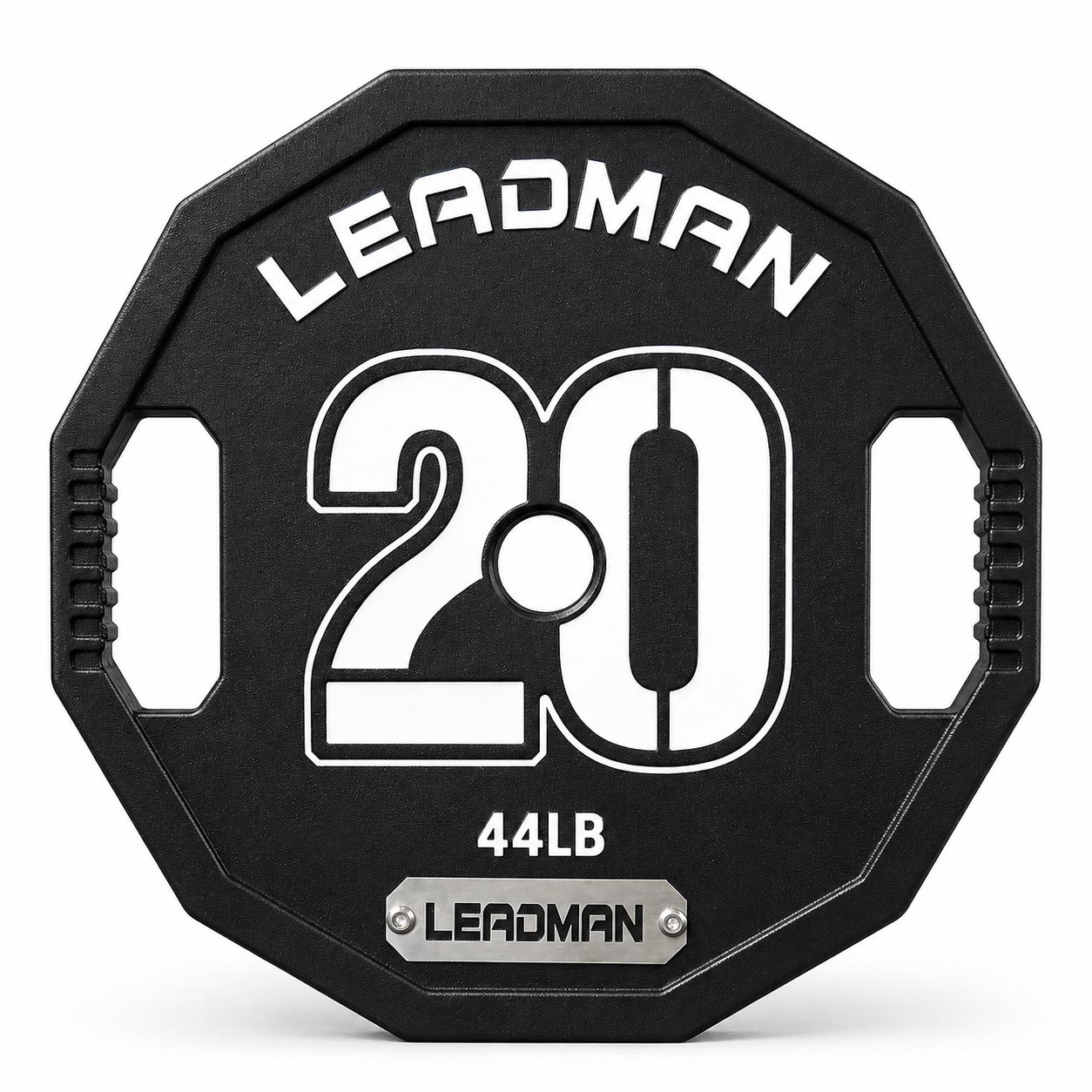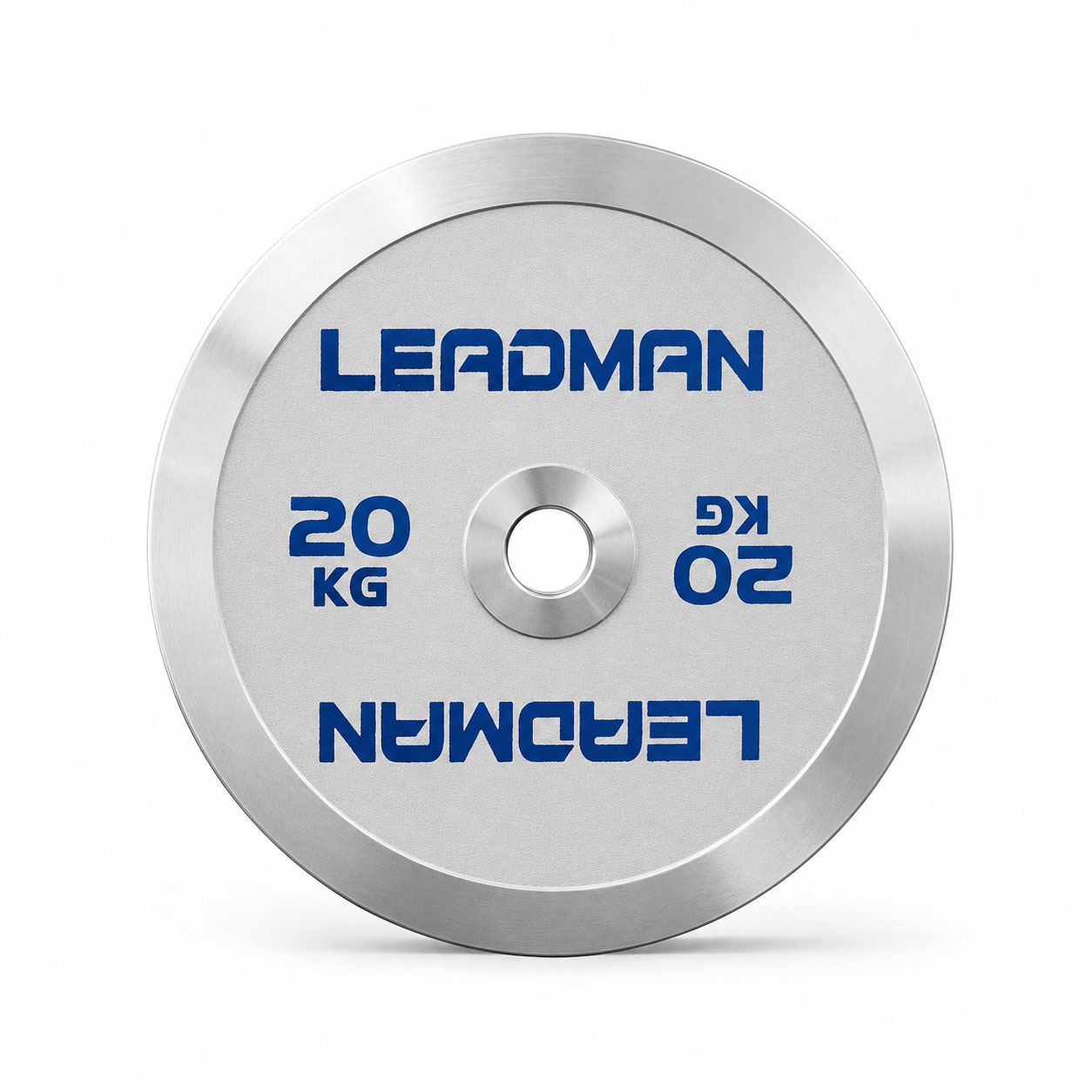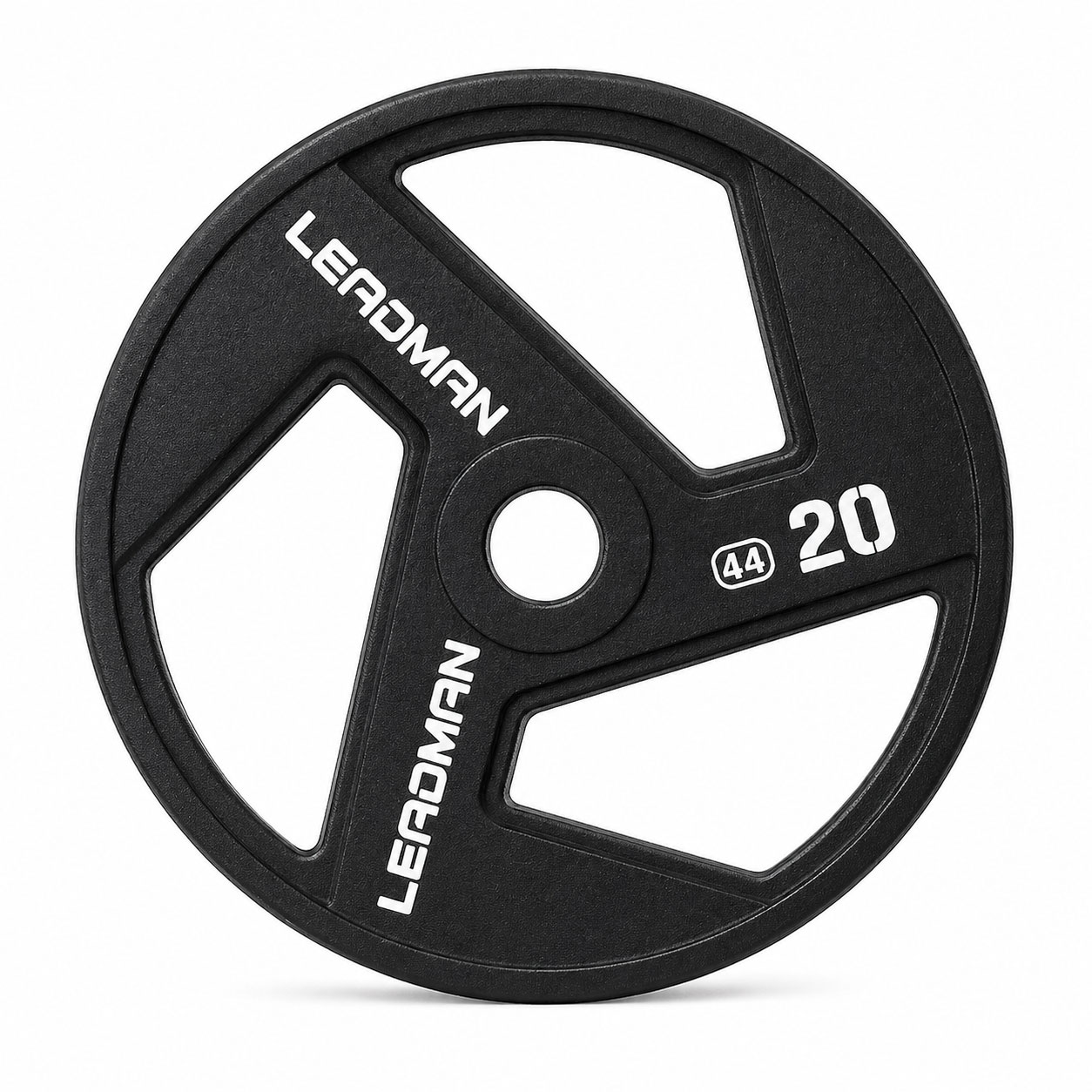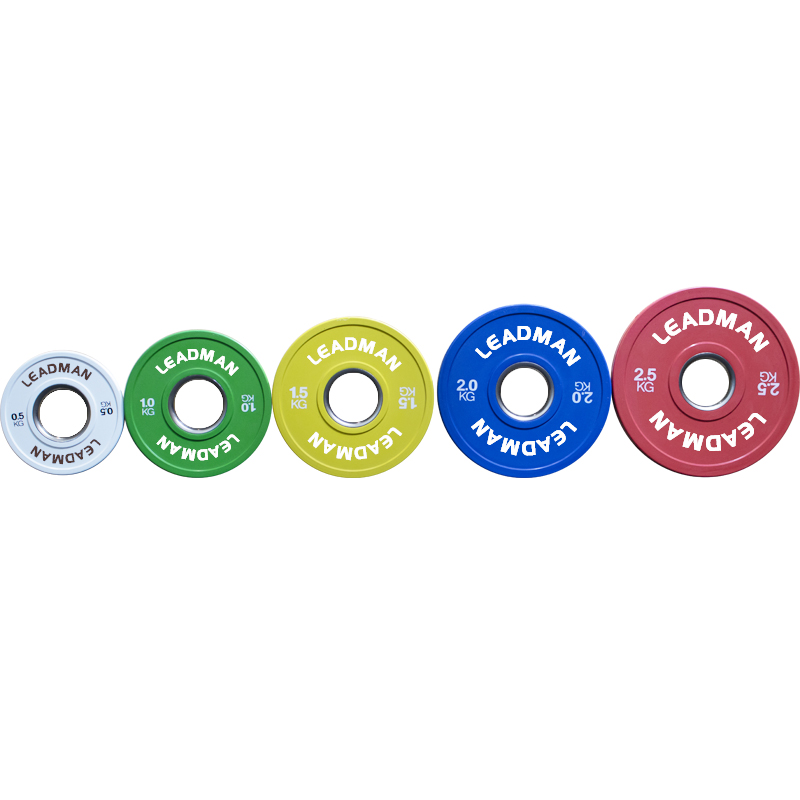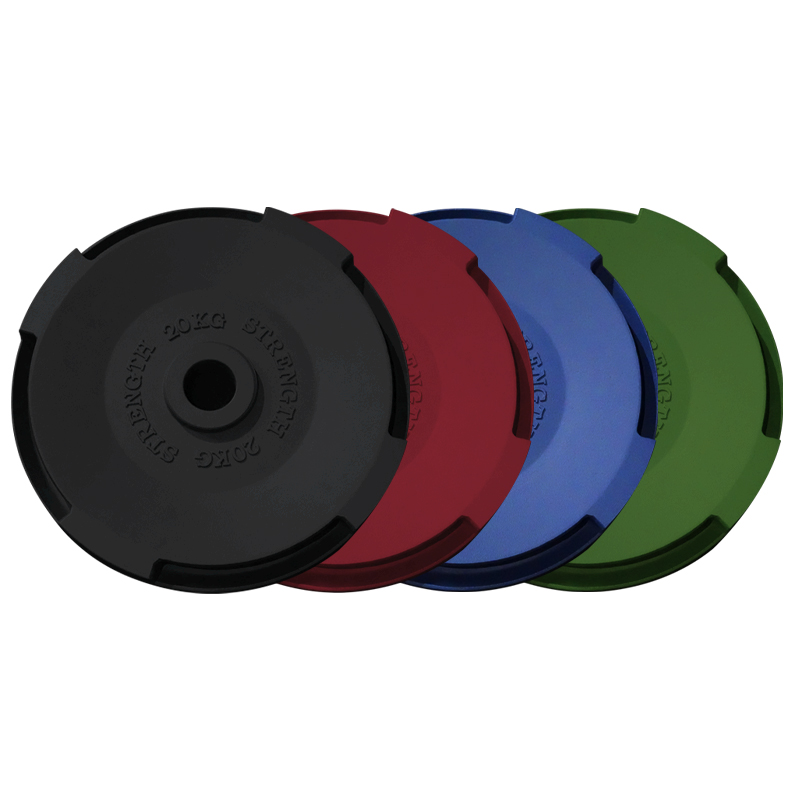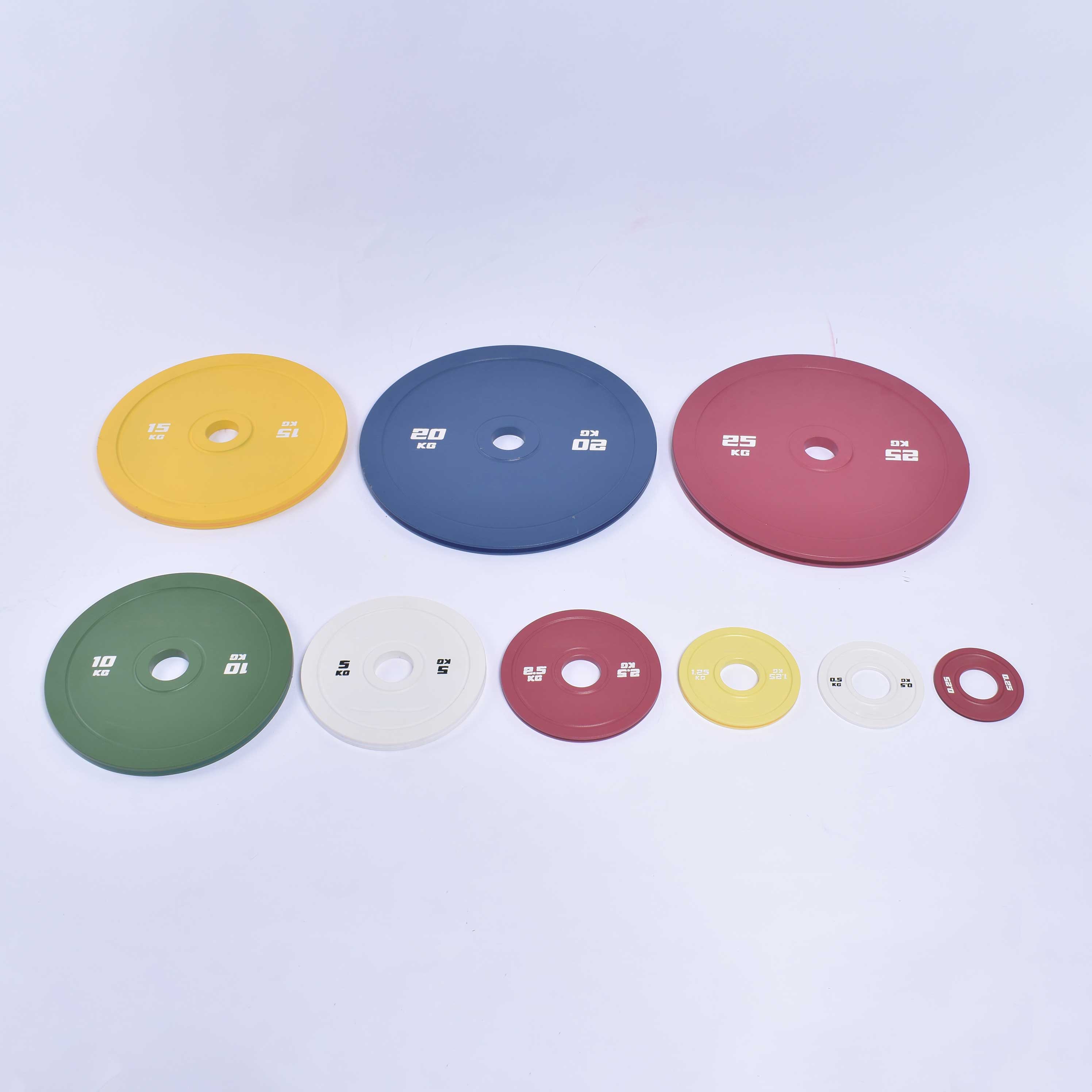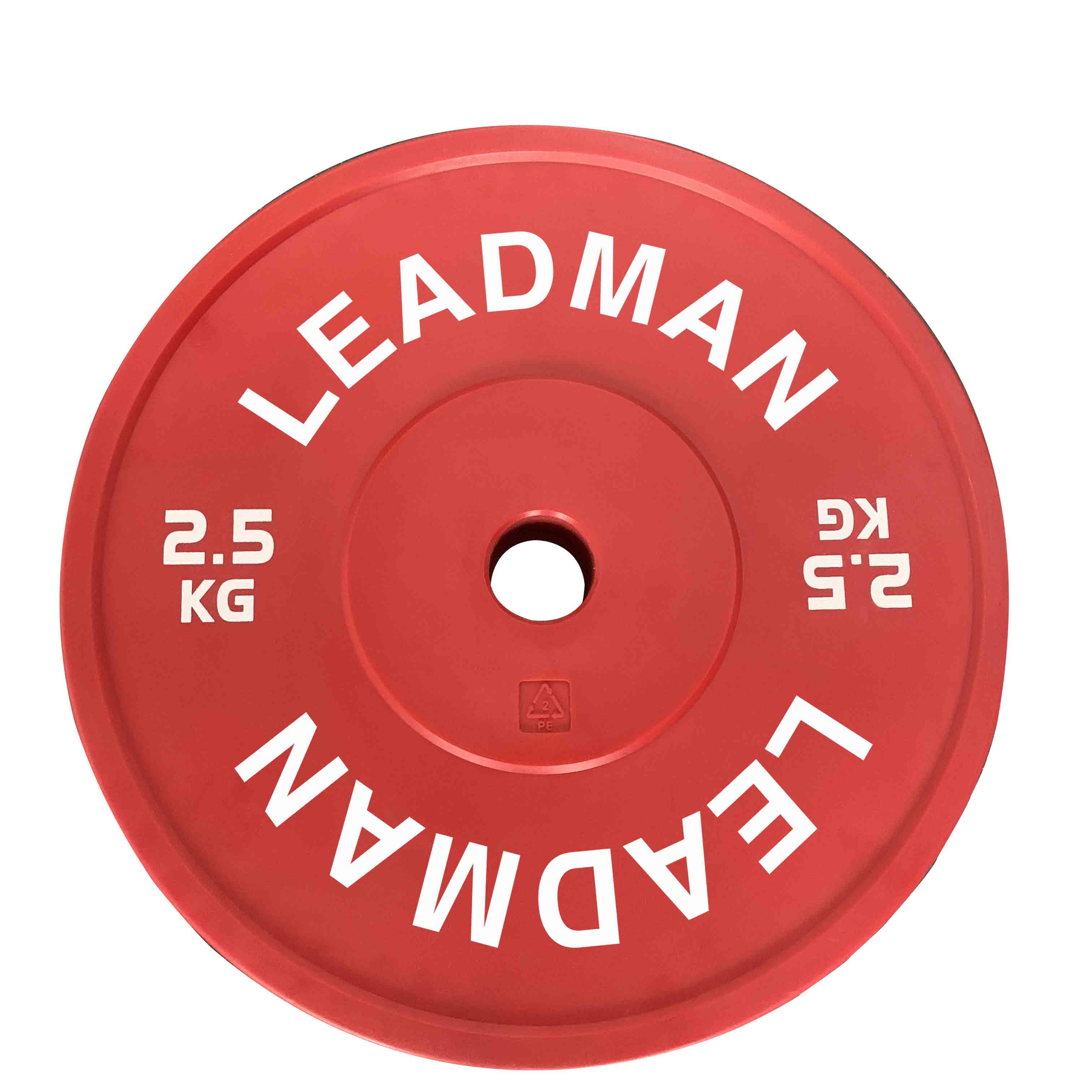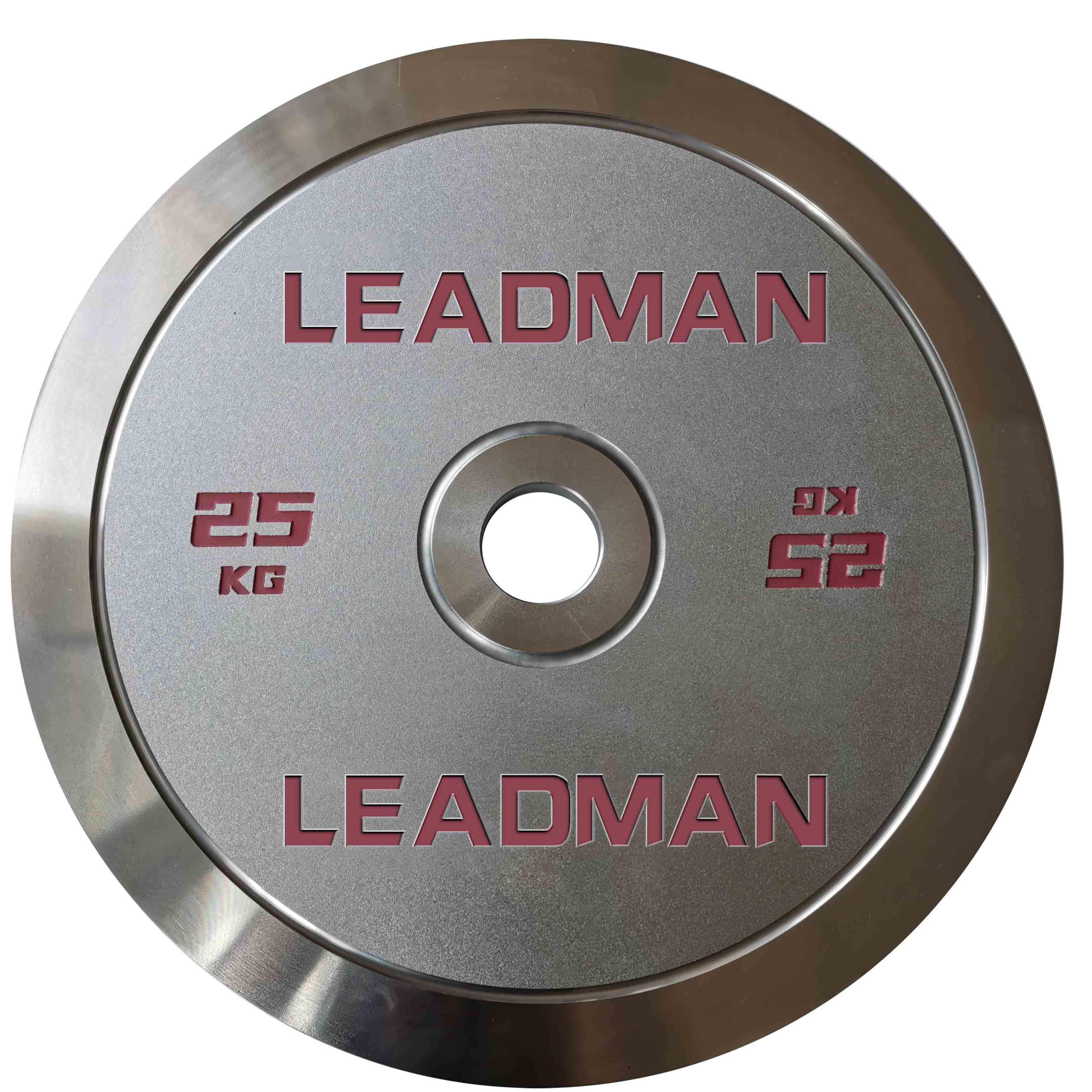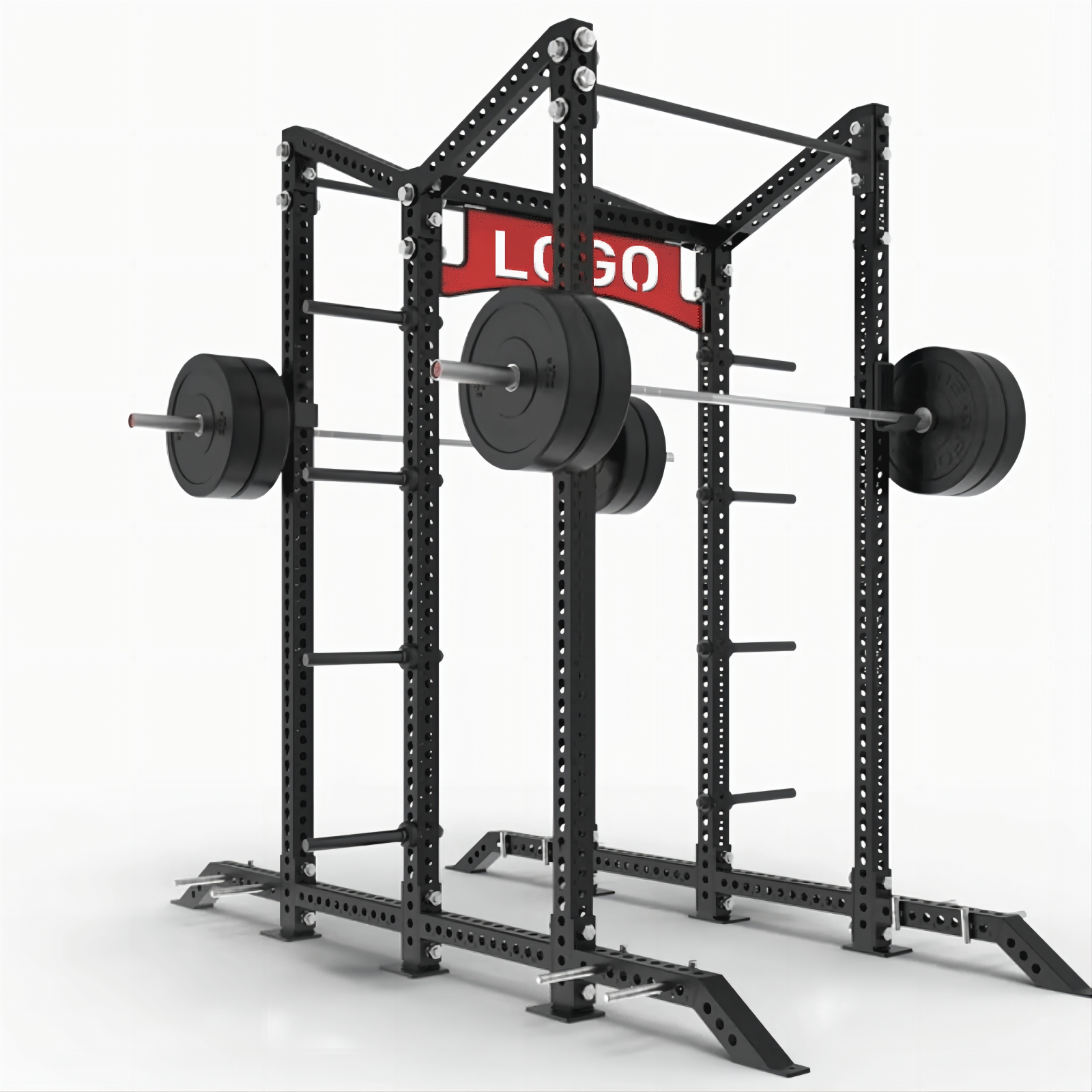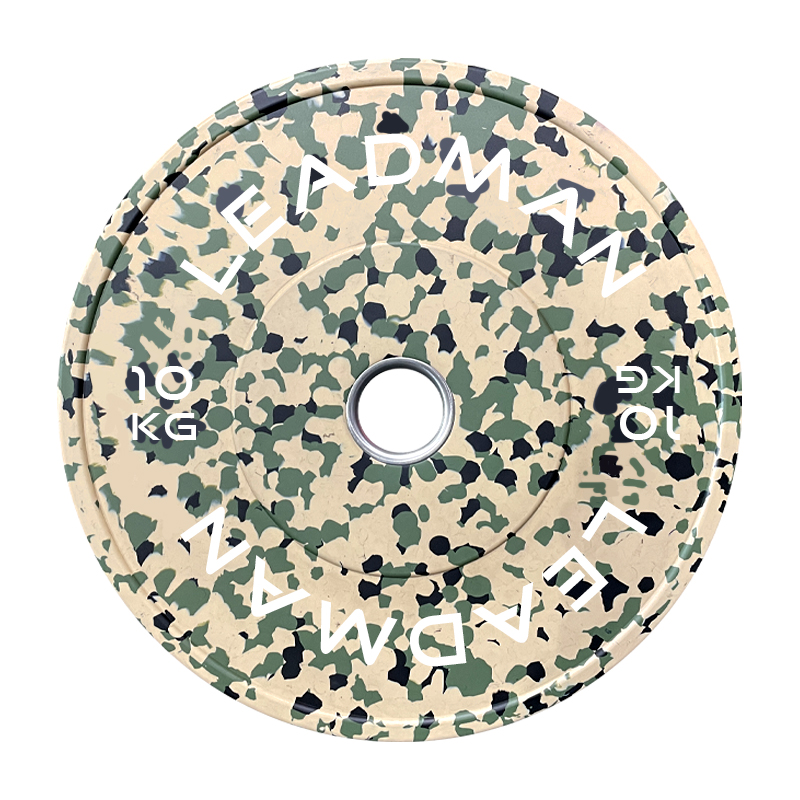
The Olympic rubber plate set has become the default choice for commercial gyms, CrossFit facilities, and serious home garages, replacing traditional cast iron plates across most training environments. Unlike iron plates that transmit impact shock directly through floor and equipment, rubber plates absorb impact energy, reduce noise, and protect both the barbell sleeves and the training surface. However, not all rubber plates are engineered equally—the differences in material composition, durometer rating, and hub design determine whether a set lasts a decade or crumbles within eighteen months.
At the most fundamental level, an Olympic rubber plate consists of three integrated components: a precision-machined steel hub that interfaces with the barbell sleeve, a rubber body that absorbs ground impact, and the bond between these two materials. The steel hub must conform to the 50mm Olympic standard with a tolerance window of +0.5mm/-0.0mm—looser than competition calibrated plates but tight enough to prevent excessive wobble during dynamic lifts. The hub width determines how tightly plates stack together; narrower hubs leave gaps that create side-to-side plate movement during loaded carries or walking lunges.
The rubber compound itself separates premium Olympic rubber plate sets from economy alternatives. Two durometer measurements matter: Shore A hardness determines surface durability, and compression set resistance indicates how well the rubber returns to its original shape after repeated impacts. A quality rubber plate uses virgin rubber with Shore A hardness between 80 and 90—soft enough to absorb impact but hard enough to resist chunking and peeling. Plates made with recycled rubber or excessive filler material typically fail at the bonding line between hub and rubber, where repeated flexing causes separation. Professional buyers request material data sheets specifying the percentage of virgin rubber content.
Drop testing is the single most important quality metric for Olympic rubber plates. Commercial facilities should only consider plates that have passed independent drop tests exceeding 10,000 cycles from standard deadlift height onto concrete or rubber flooring. Each cycle tests two failure modes: hub loosening and rubber tearing. A plate that survives 10,000 drops without measurable hub movement or edge cracking will typically last five to seven years in a busy gym environment. Some premium manufacturers offer lifetime warranties against hub separation—this is a meaningful differentiator worth the price premium.
Weight tolerance distinguishes professional-grade Olympic rubber plate sets from consumer-grade options. The industry standard for commercial rubber plates is ±3% of stated weight, meaning a 20kg plate may weigh between 19.4kg and 20.6kg. While this tolerance is wider than competition calibrated plates (which achieve ±0.5% to ±1%), it remains acceptable for general strength training. Problems arise when plates from different manufacturers or even different batches show systematic weight deviations—a 20kg plate from one batch and a 20kg plate from another might differ by 1.5kg, creating uneven loading when paired on opposite ends of the bar. Reputable suppliers provide batch-specific weight certification.
Three thickness thresholds matter when evaluating Olympic rubber plate sets. For facilities with limited weight storage, thin plates (approximately 25mm for 20kg plates) allow more total weight to be loaded on the bar before sleeves fill up, critical for advanced lifters deadlifting beyond 300kg. Standard plates (approximately 30mm for 20kg plates) offer the best balance of loading capacity and impact absorption. Thick plates (40mm or more for 20kg plates) are acceptable for beginner to intermediate facilities but frustrate stronger lifters who run out of sleeve space. Bumper plates specifically designed for Olympic weightlifting use an even thicker profile to survive overhead drops, but these are a separate product category.
From a procurement perspective, Olympic rubber plate sets require consideration of two additional factors: odor and color stability. Economy rubber plates often use sulfur-based vulcanization accelerators that off-gas for months, creating an unpleasant smell in indoor facilities. Premium plates use accelerated curing processes or low-odor compounds that dissipate within days. Color stability matters for branded facilities—cheap plates fade unevenly under UV exposure, turning from black to brown or from colored to pastel within two years. UV-stabilized compounds and through-colored rubber (where the pigment extends through the full thickness, not just a surface skin) maintain appearance significantly longer.
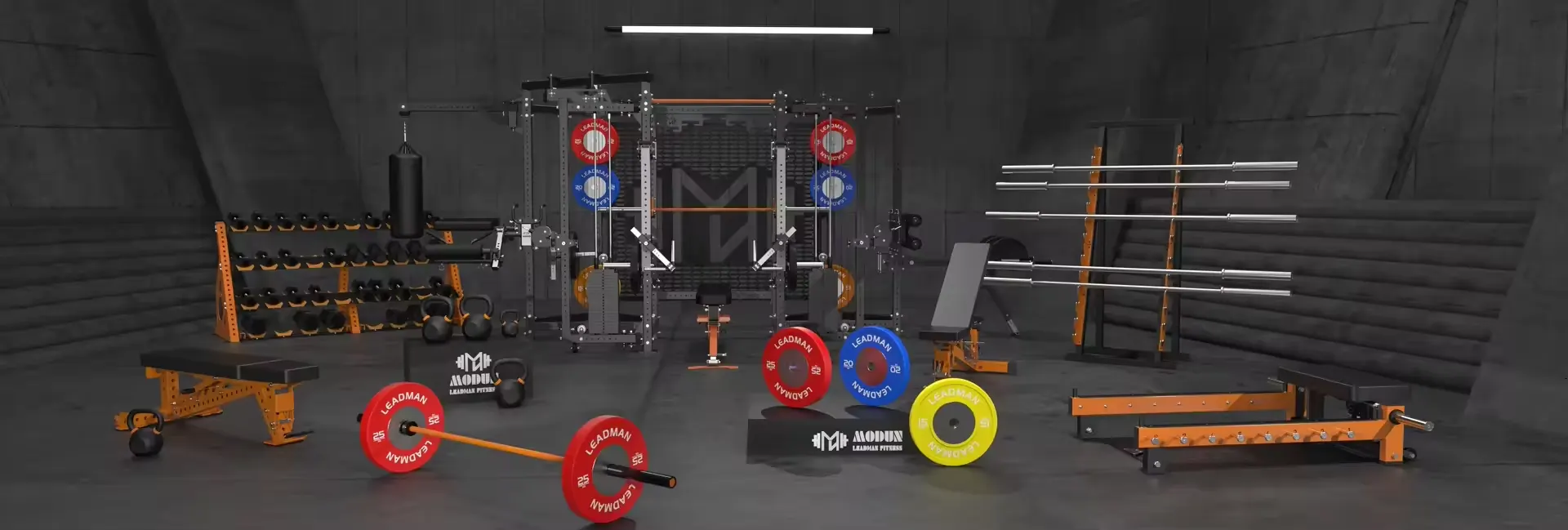
The economics of Olympic rubber plate sets favor buying complete matched sets rather than piecemeal accumulation. A matched set ensures consistent weight tolerances, uniform thickness, and identical durometer across all plates. Typical commercial sets include pairs of 25kg, 20kg, 15kg, 10kg, 5kg, and 2.5kg plates, sometimes packaged with a barbell and storage rack. For facilities with limited upfront capital, purchasing the 25kg and 20kg pairs first, then adding smaller plates later, is a viable strategy. However, mixing plates from different brands or even different production batches of the same brand introduces the tolerance drift problem described above.
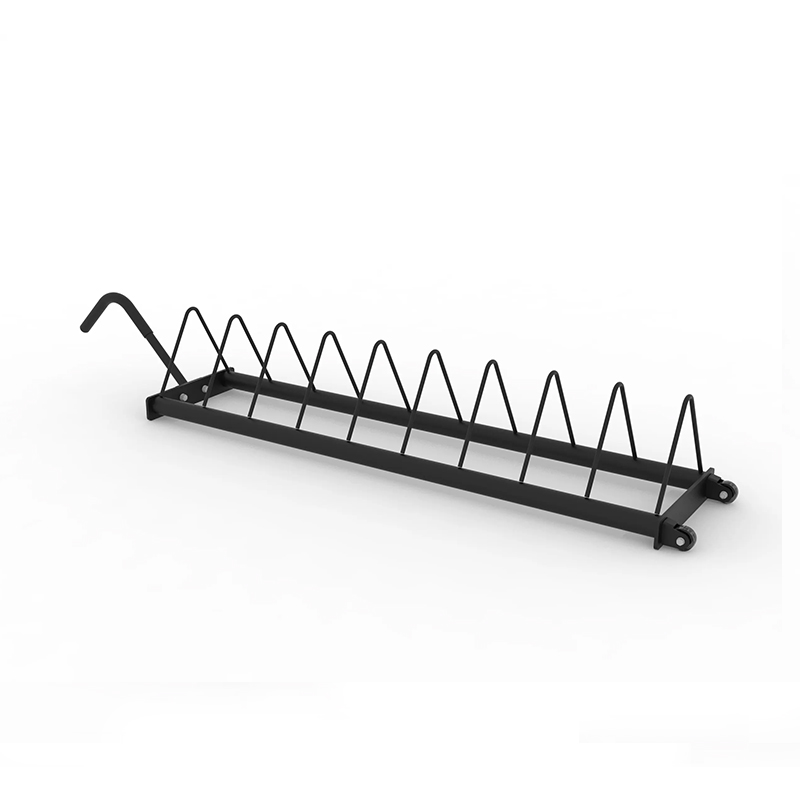
Maintenance requirements for Olympic rubber plate sets are minimal but non-negotiable. Rubber plates should never be stored on edge or leaning against walls—this causes flat-spotting where the rubber permanently deforms under its own weight. Vertical plate storage on pegs or horizontal stacking on racks with full support are acceptable. Periodic inspection of the rubber-to-steel bond line for cracking or separation catches failures before they become hazardous. Cleaning with mild soap and water preserves appearance; harsh solvents accelerate rubber degradation. Under proper storage and use, a quality Olympic rubber plate set outlasts the facility that purchased it.

Let our experts design the perfect gym solution for your business. Get a free consultation and quote today.