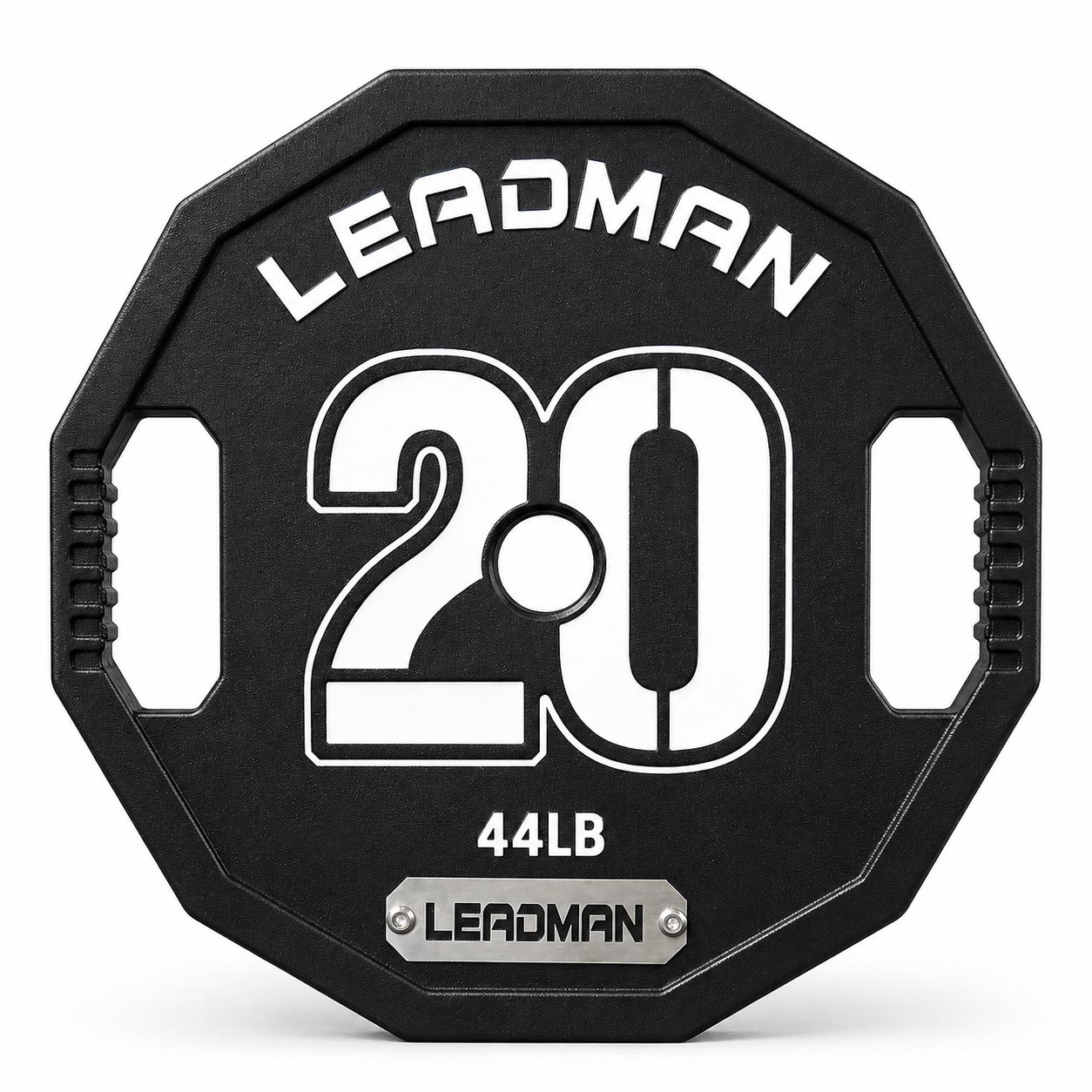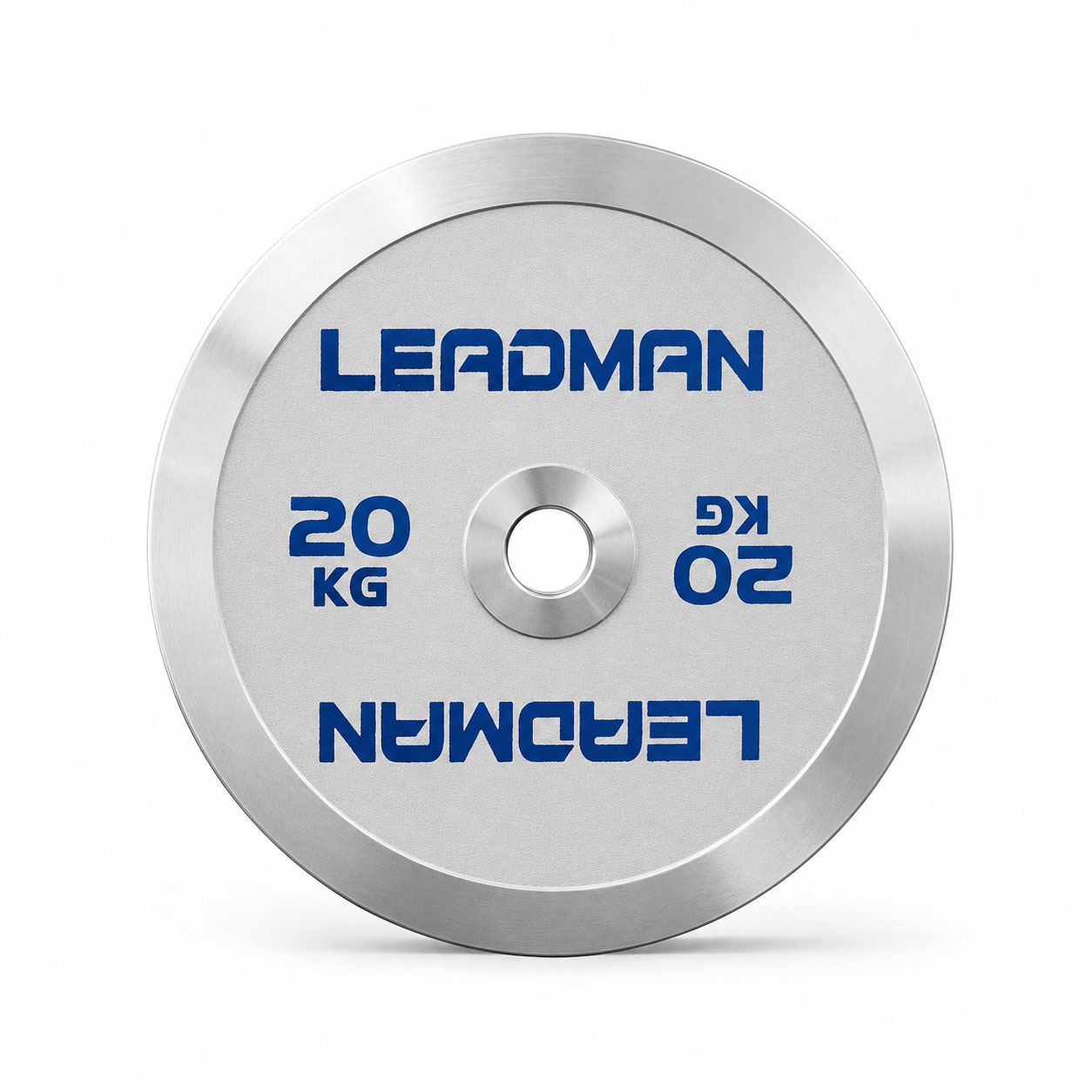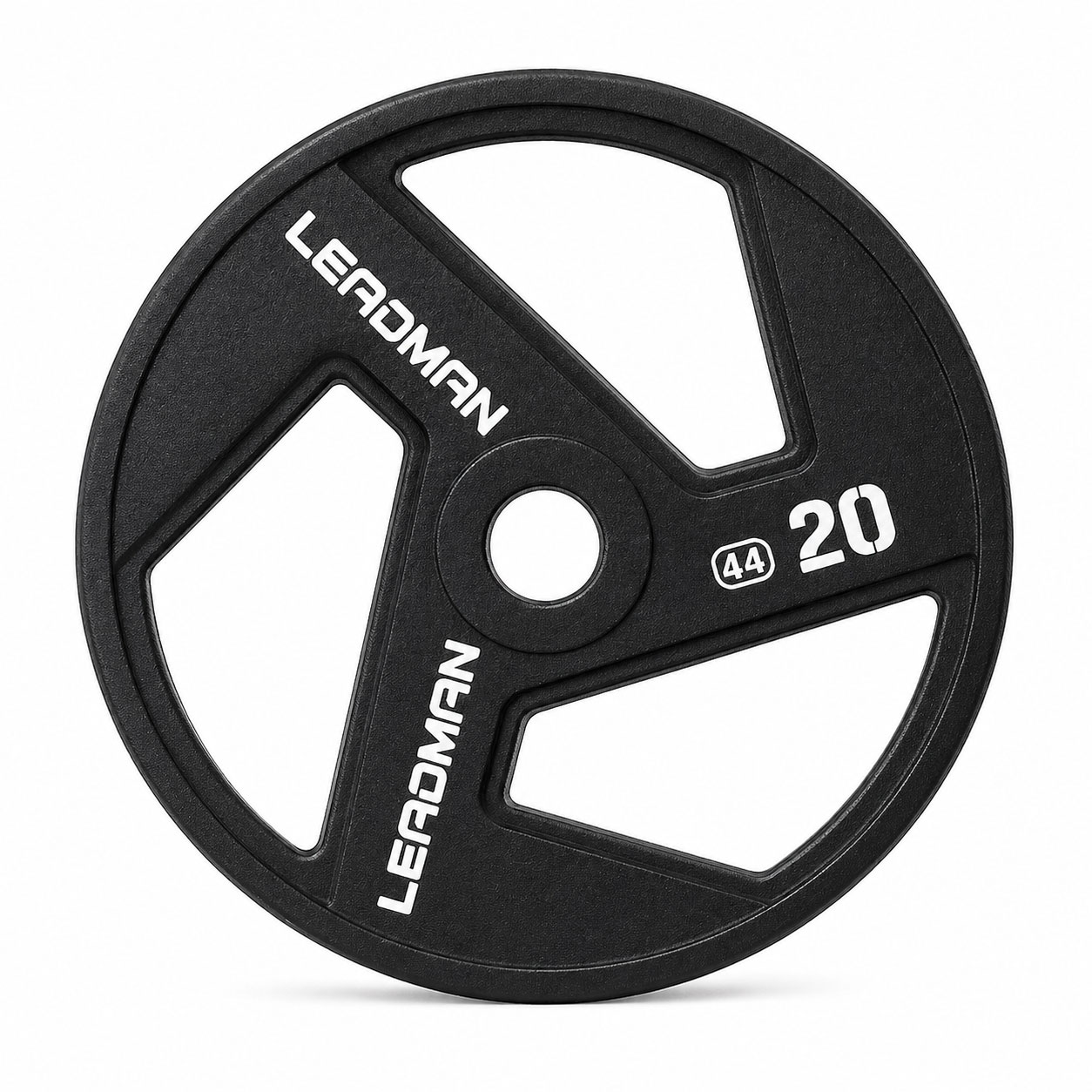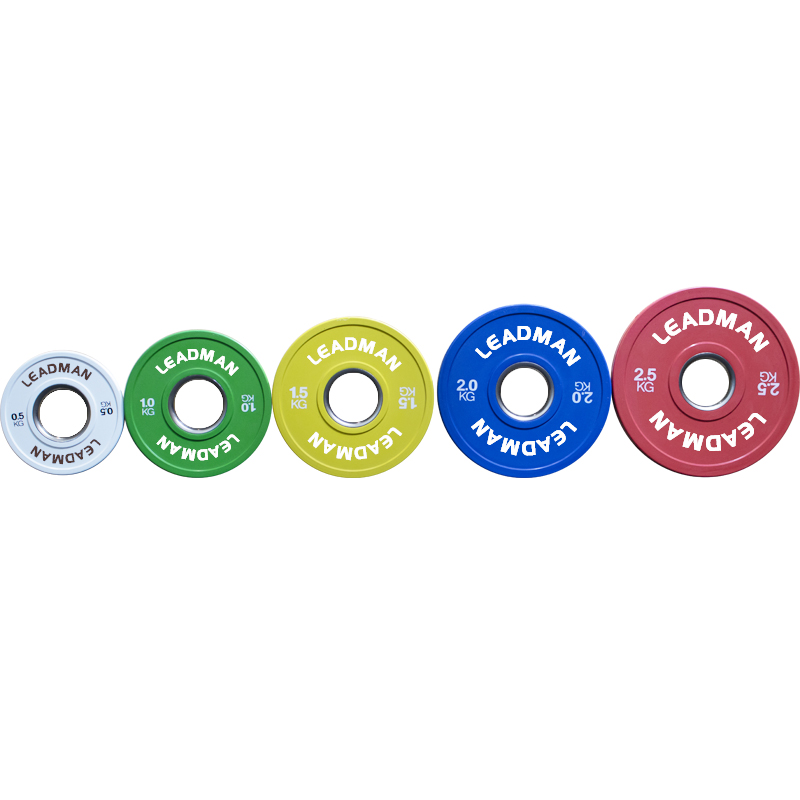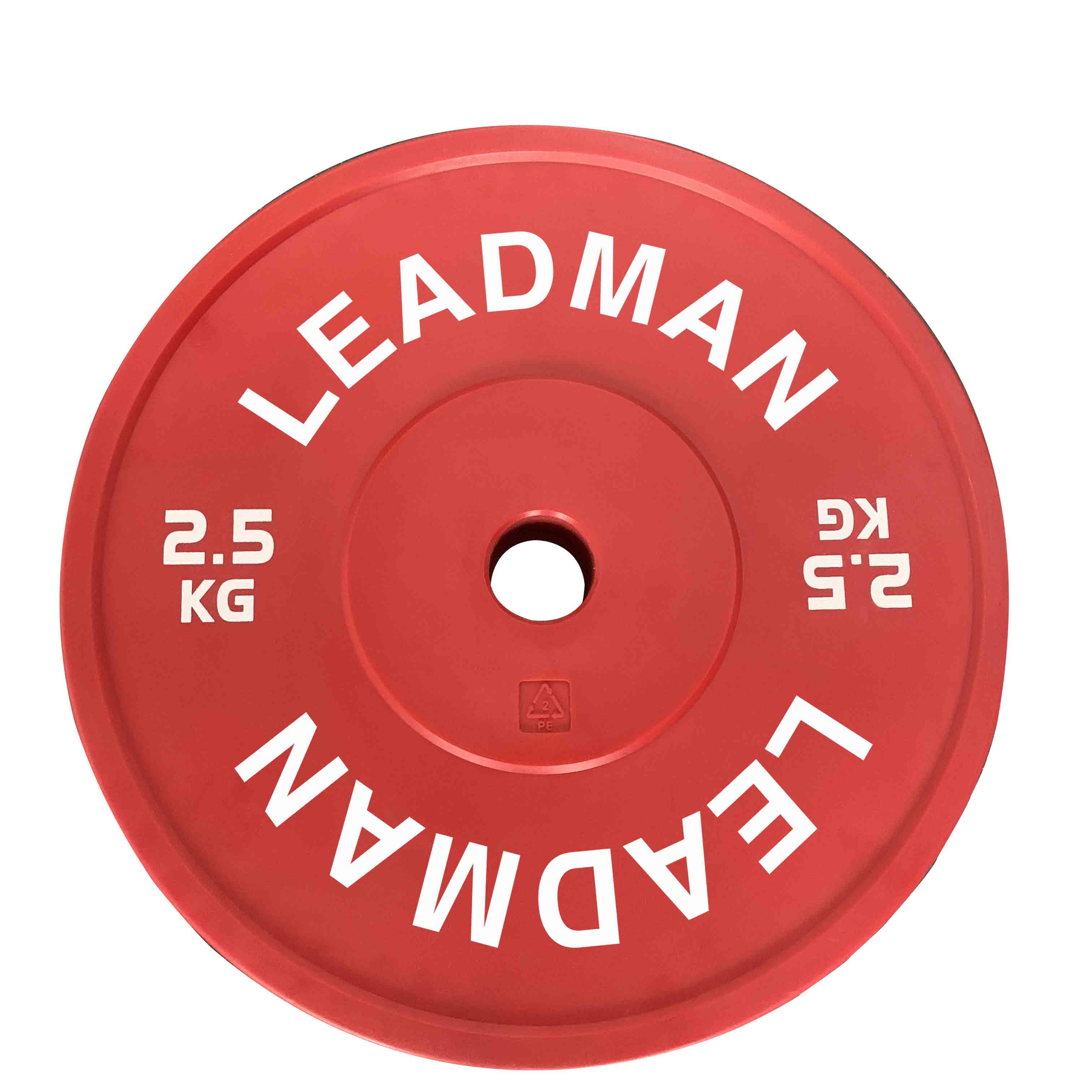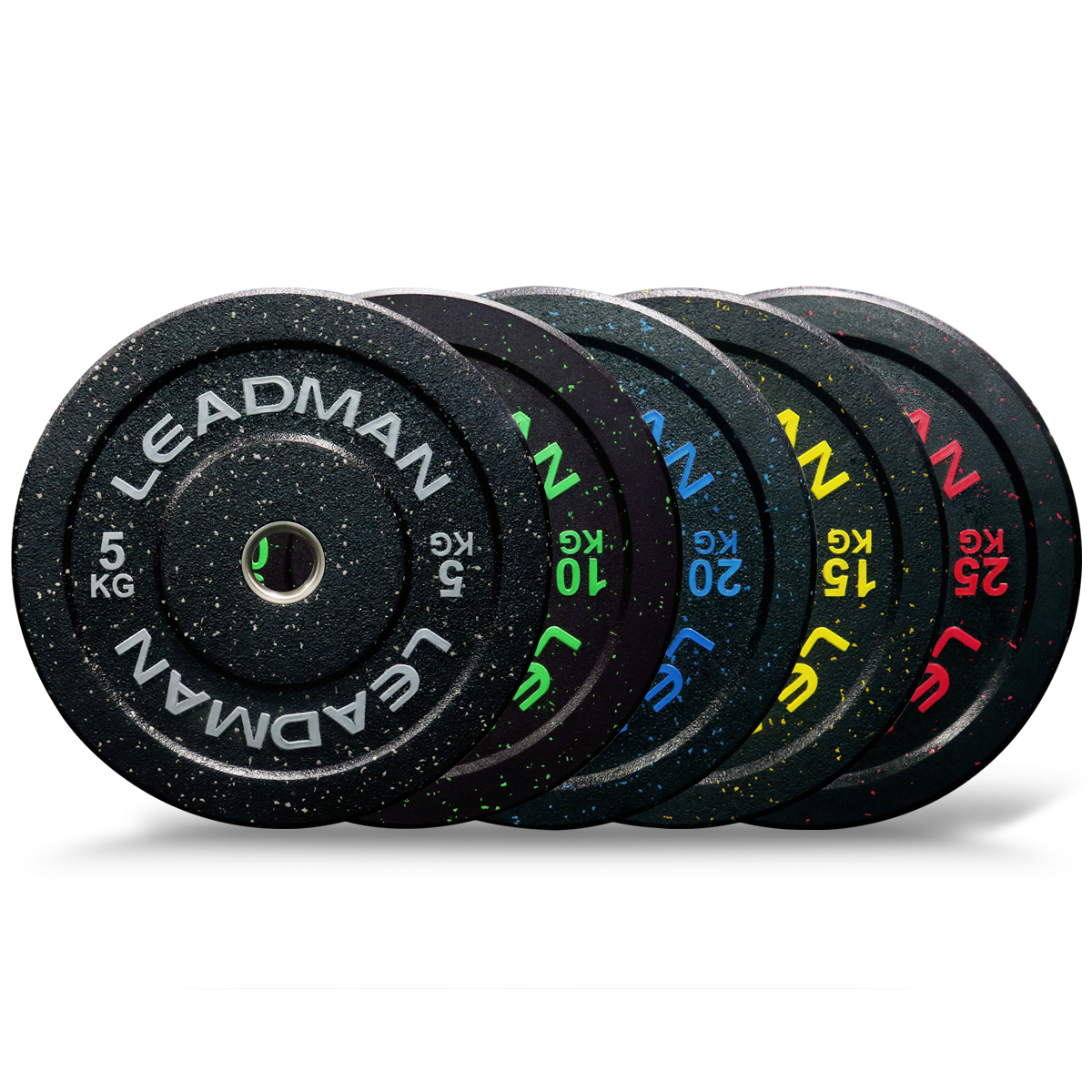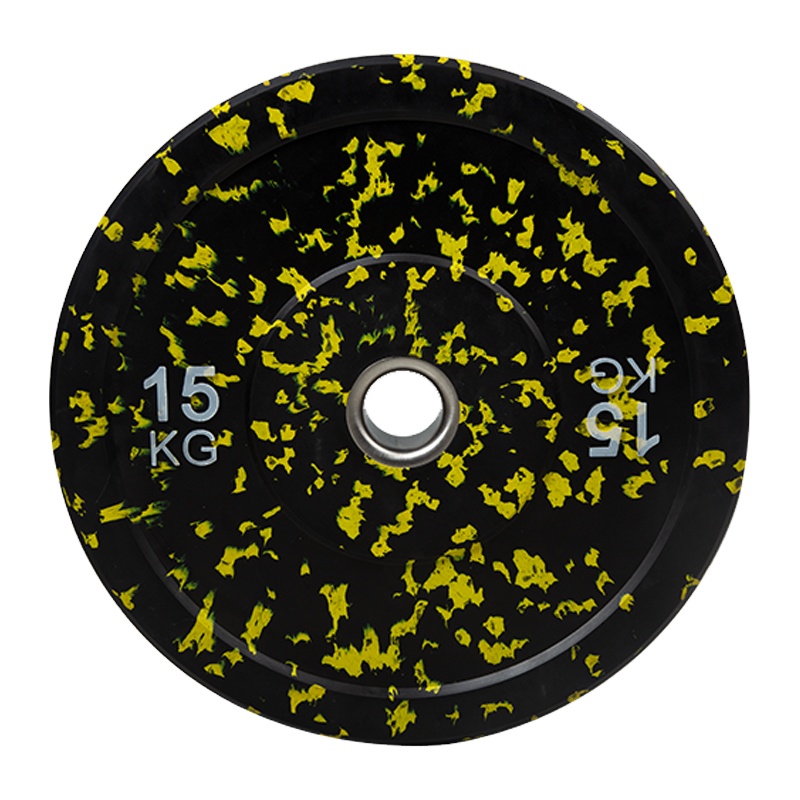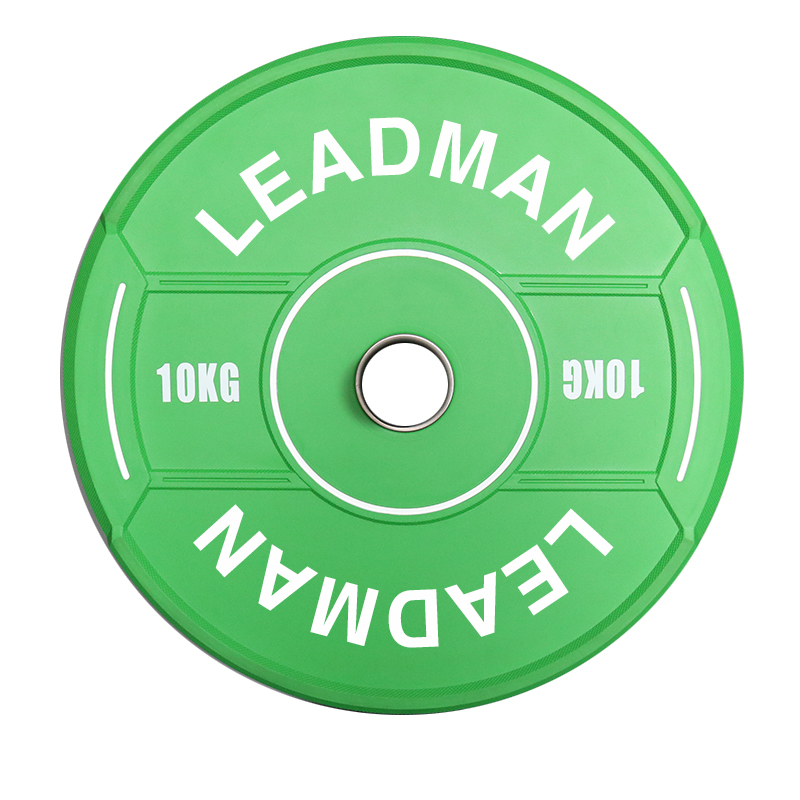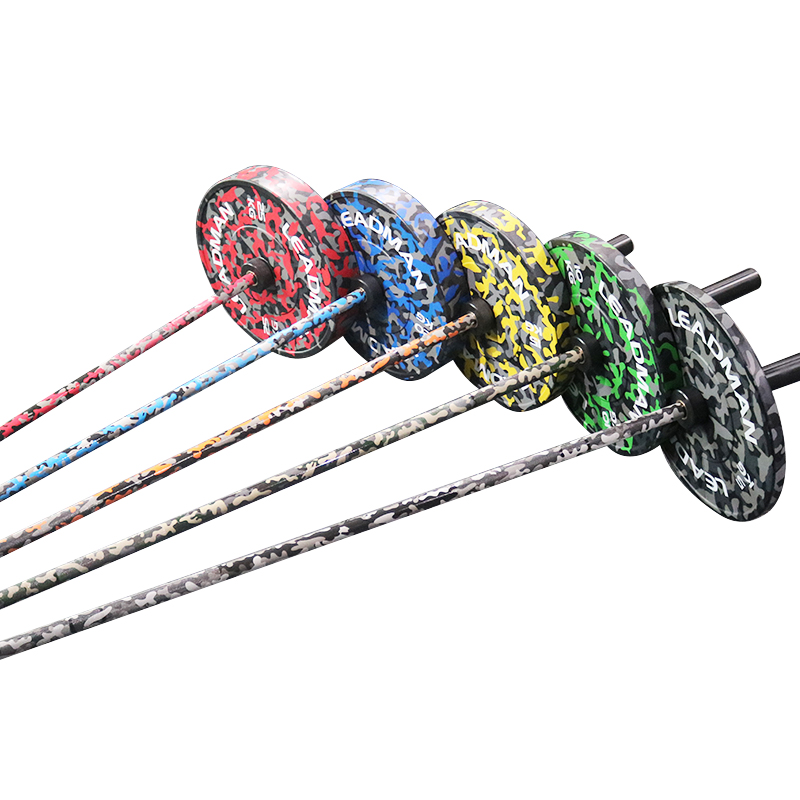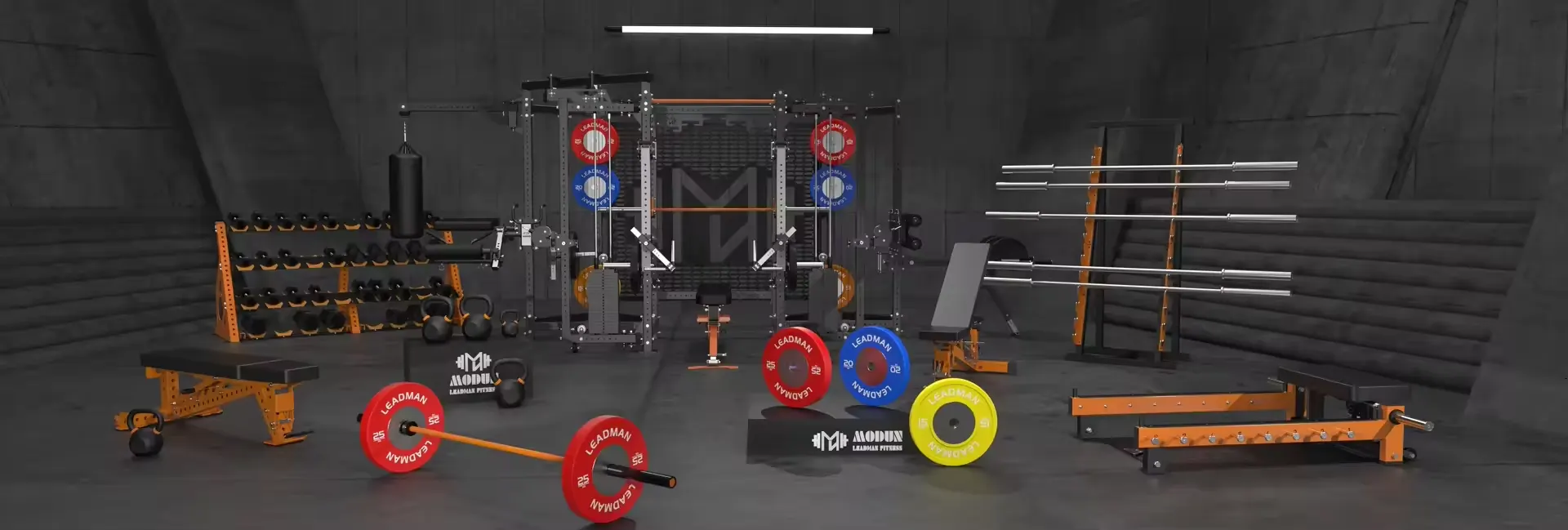
When evaluating commercial gym investments, bumper plates per pound pricing represents a critical metric that connects upfront material costs to long-term equipment performance. However, focusing solely on per-pound price obscures significant quality and lifespan variations that fundamentally alter total cost of ownership across different plate tiers. Price-per-pound comparisons reveal the true economics: entry-level rubber bumper plates cost $0.70–1.00 per pound; mid-tier options range $1.00–1.50 per pound; premium urethane-encased bumper plates command $2.00–3.00+ per pound. Understanding the total cost of ownership across these tiers is essential for commercial buyers seeking optimal lifecycle value.
Material science explains why per-pound costs vary so dramatically. Cost-effective bumper plates use recycled rubber compounds with lower density and less precise moulding, producing plates with weight tolerance ±3–5% and shore hardness ratings often exceeding 90. Mid-tier plates utilise higher-density virgin rubber compounds with stricter process control and improved adhesion for steel inserts. Premium urethane plates employ reaction injection moulding with precise density control, delivering tolerance ±0.5–1% and shore hardness in the 85–92A range. This translates to superior shock absorption, reduced bounce (under 3% coefficient), and extended commercial service life. Per-pound price differences reflect these fundamental material and manufacturing quality variations.
The longevity implications of commercial bumper plate selection are stark. Entry-level rubber plates may require replacement every 3–5 years in high-volume gyms due to cracking, odour, and hub loosening; mid-tier options last 5–8 years; premium urethane plates maintain performance for 8–12 years. These replacement cycles dramatically alter per-pound economics: a $1.00 per pound plate costing $1,000 for 1,000lb set amortised over 4 years becomes $250 per year; a $2.50 per pound set costing $2,500 amortised over 10 years is $250 per year. The mid-tier option costs $200 per year, proving the higher upfront investment superior. Facilities serving Olympic lifters or high-intensity CrossFit classes justify premium plate investment through extended lifespan and superior training experience.
Procurement professionals can reduce per-pound costs through strategic timing and volume commitments. Aligning orders with Chinese factory production cycles (October-March) typically secures 5–10% better pricing due to raw material demand patterns. Container-volume commitments (20+ metric tons) yield economies of scale, reducing freight and logistics costs by 12–18%. Standardisation across multiple gym locations enables blanket purchase agreements with guaranteed pricing. Bundling bumper plates with barbells, racks, and storage racks and consolidating shipping reduces per-pound costs. Analysing certified supplier partnerships with documented quality processes maintains quality while accessing competitive pricing. Ultimately, bumper plate investment should prioritise performance and longevity through informed, total-cost-driven decisions.
Let our experts design the perfect gym solution for your business. Get a free consultation and quote today.