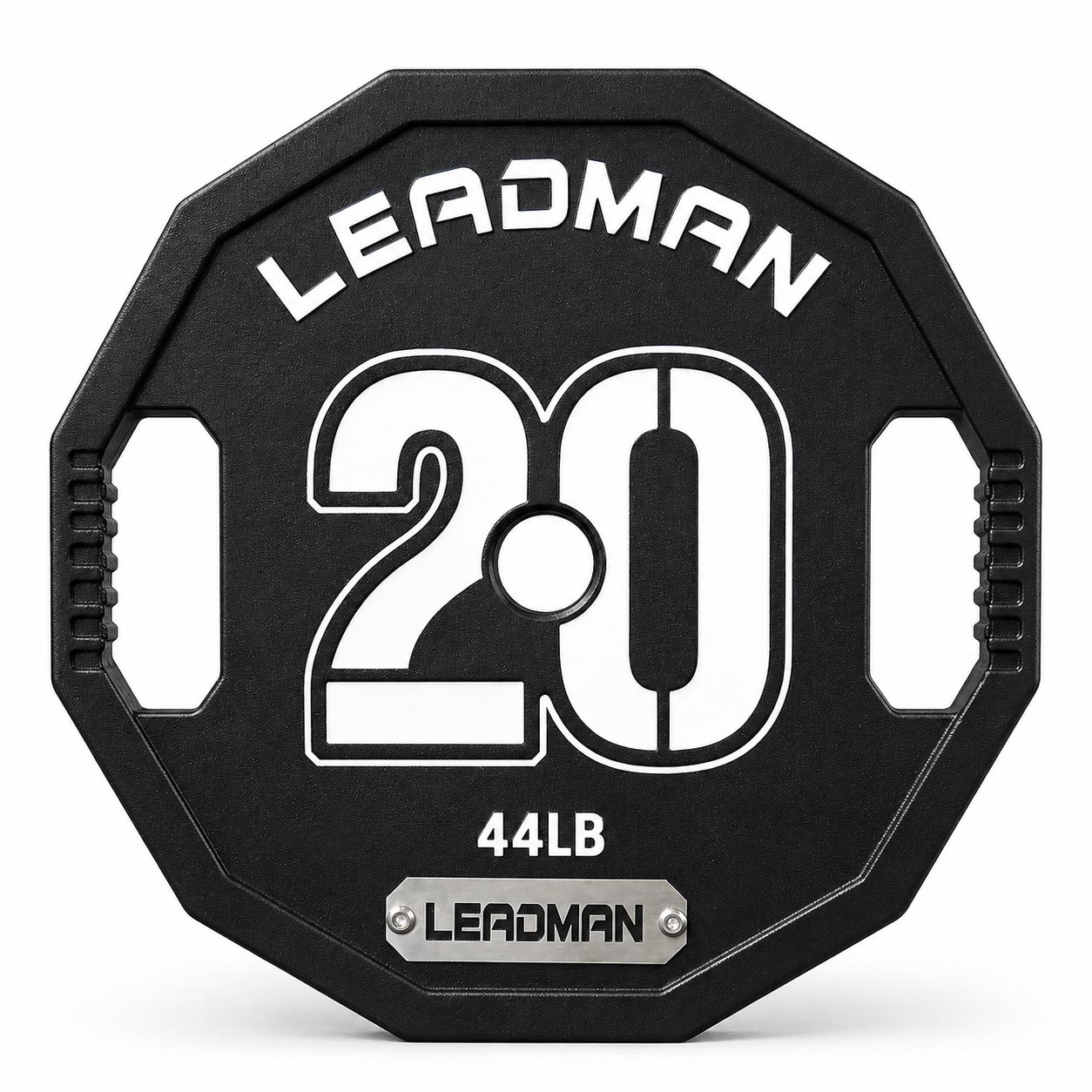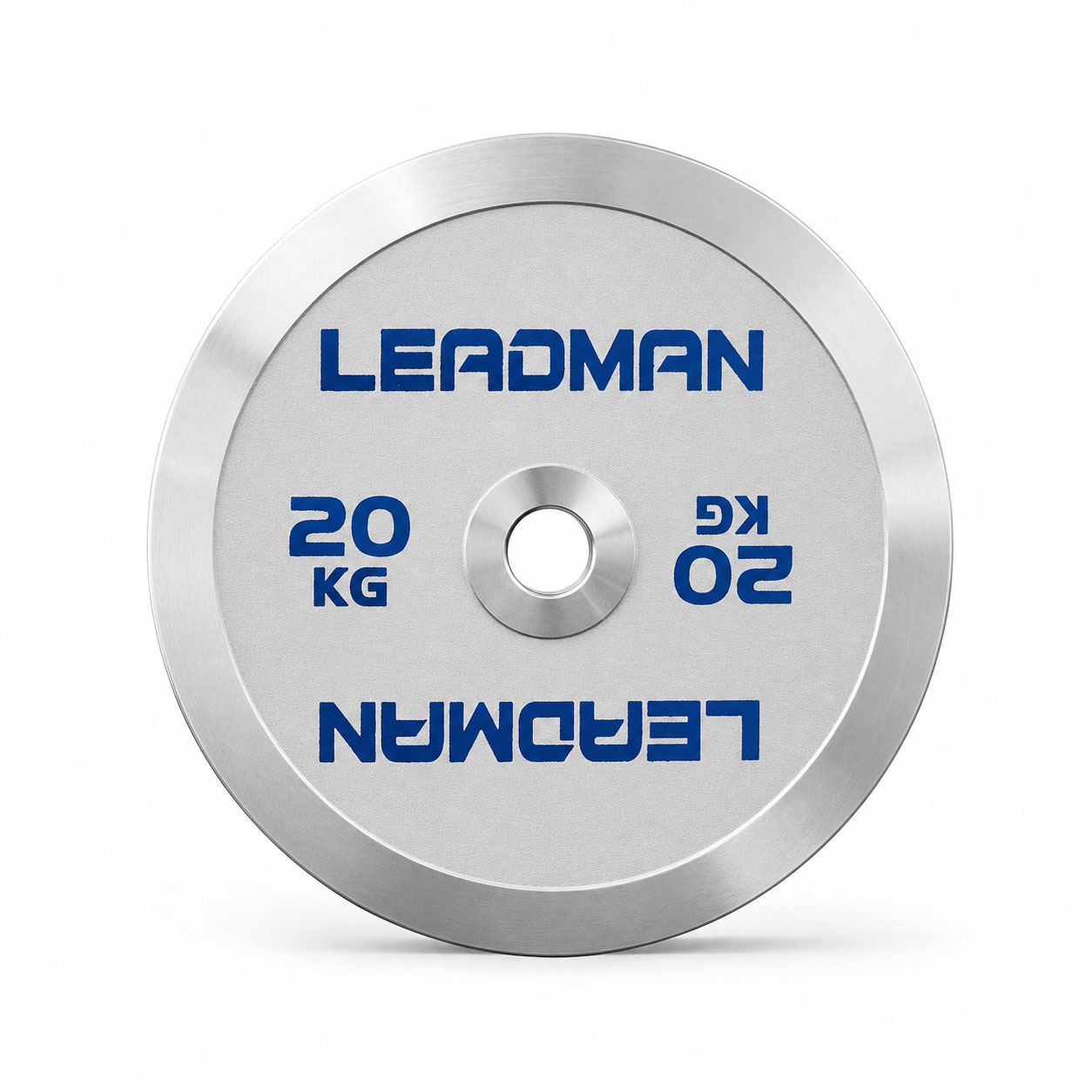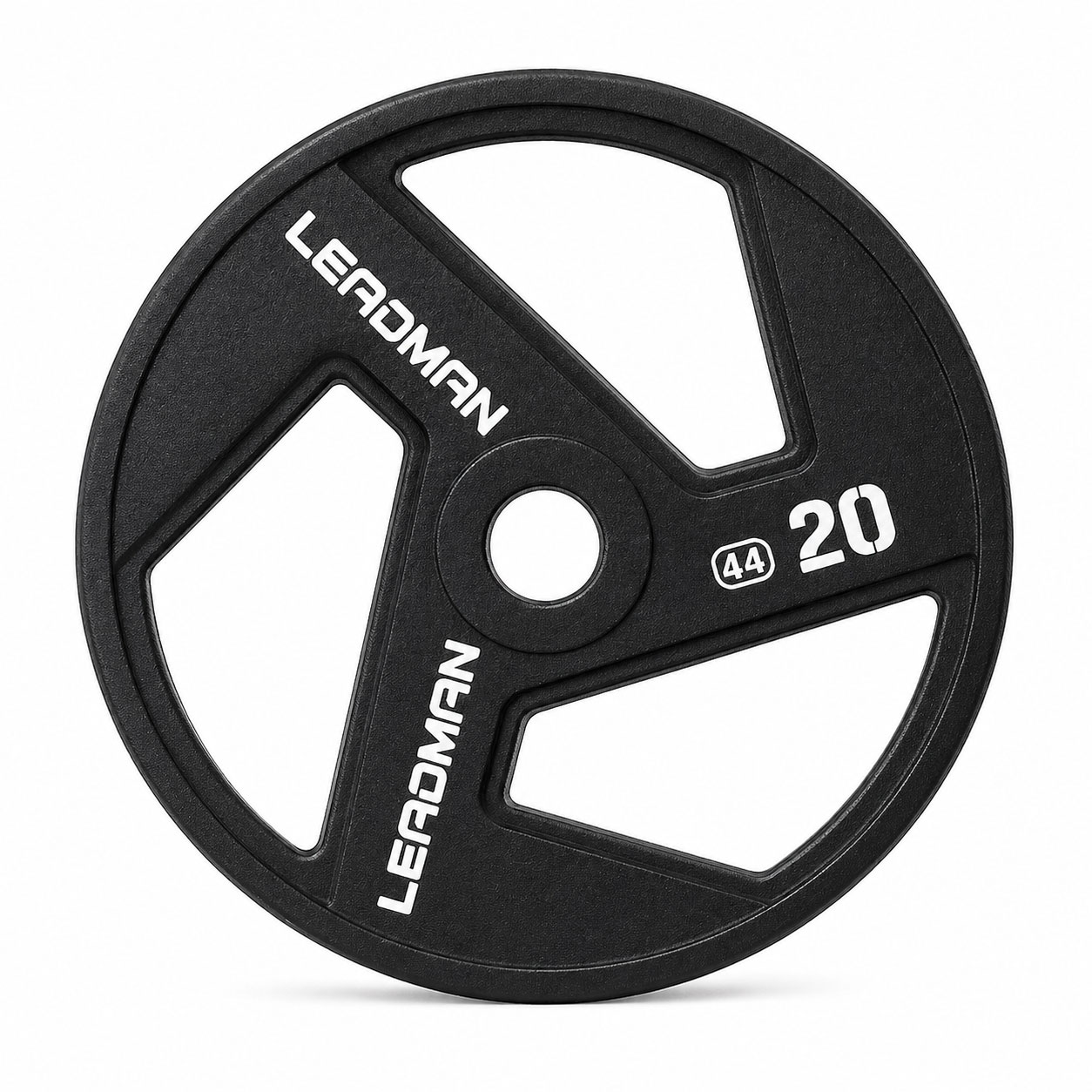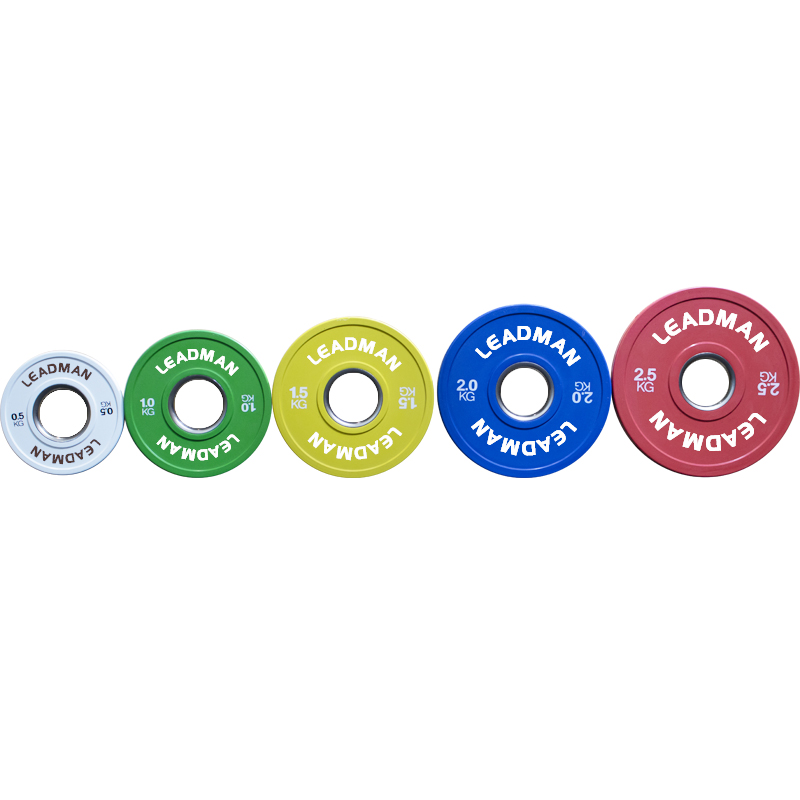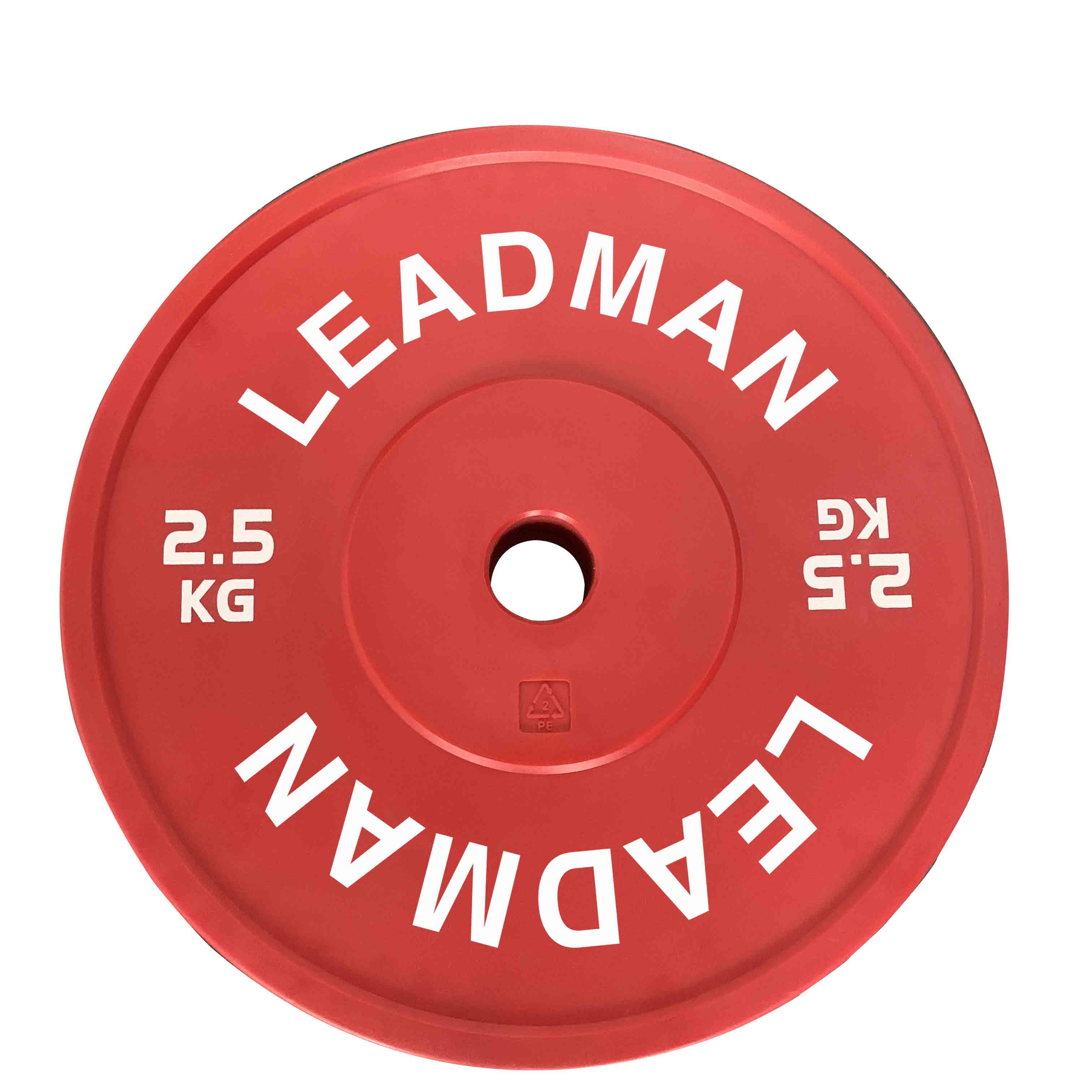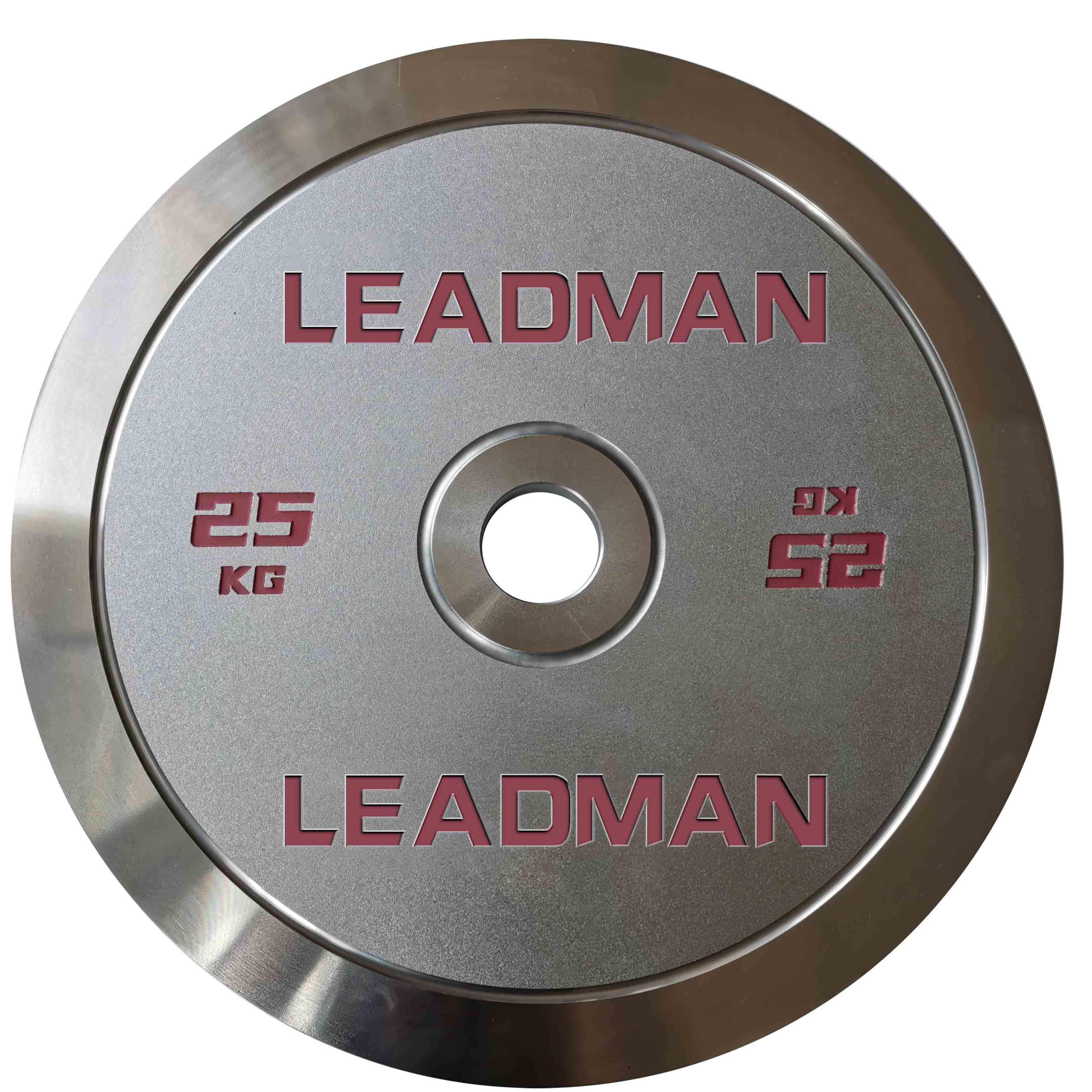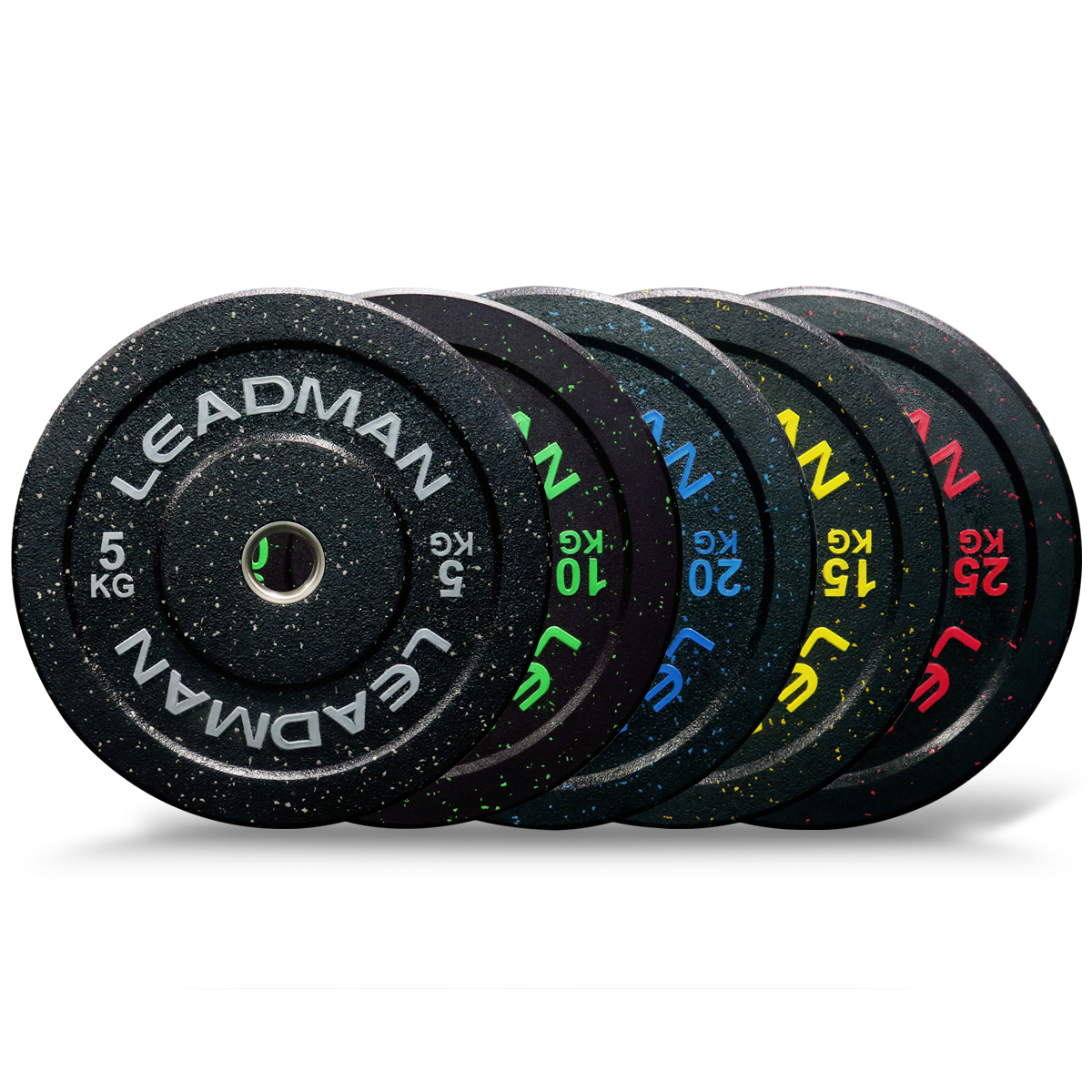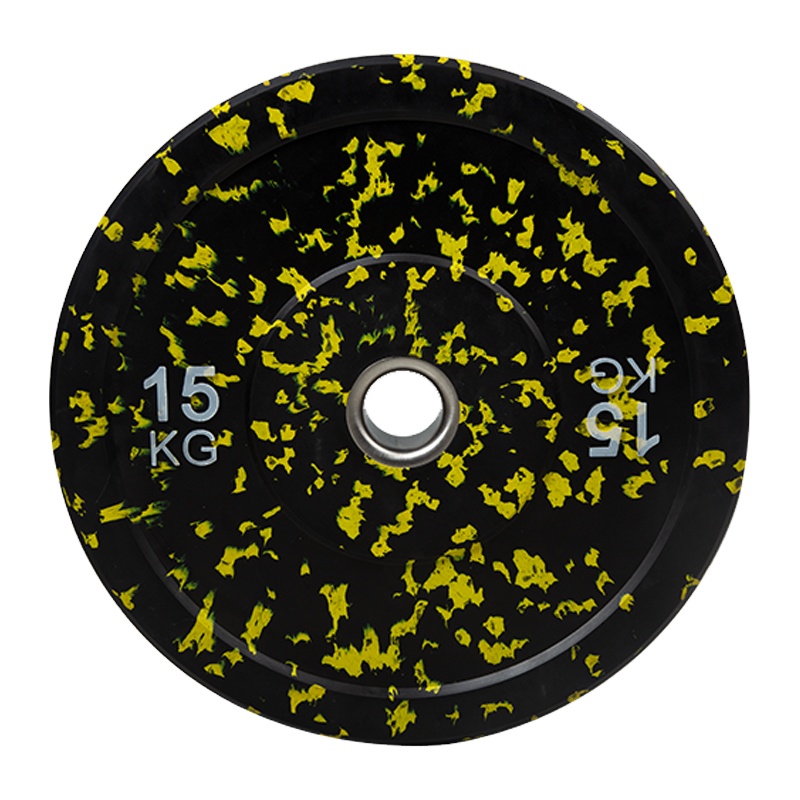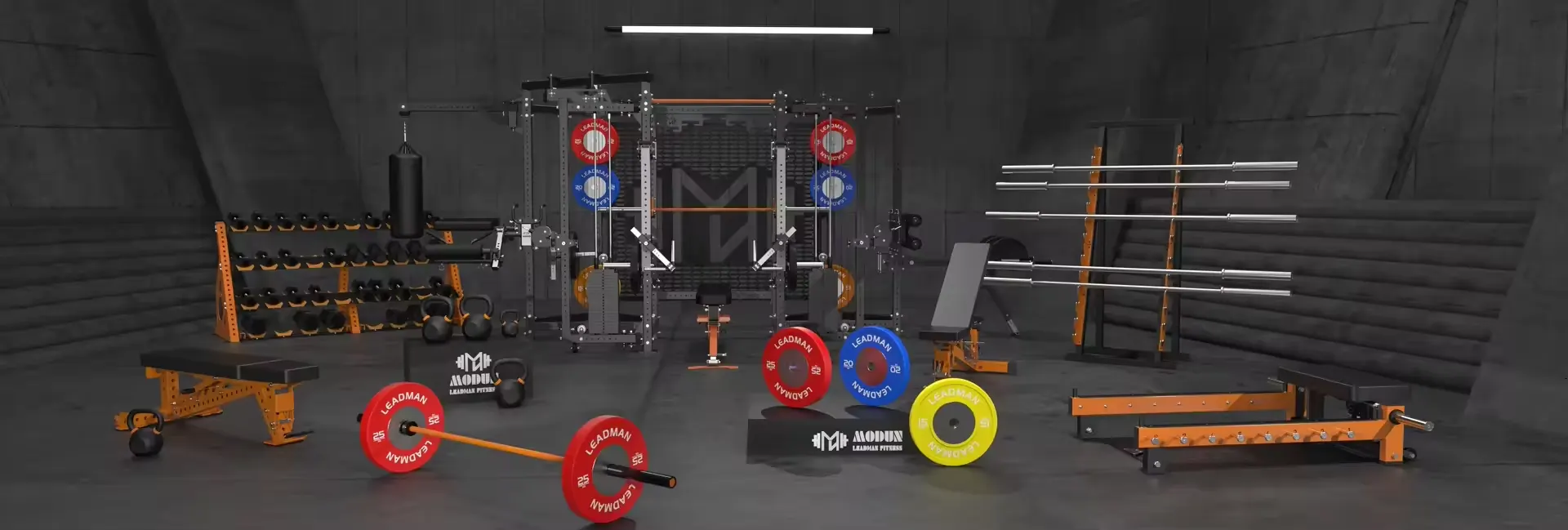
In recent years, the commercial fitness market has seen a significant shift in material preferences for weight plates, with many elite facilities transitioning from solid rubber to urethane or advanced composite formulations. At the forefront of this evolution is the cluster bumper plates category—a high-density, low-bounce plate design engineered to address the limitations of traditional rubber bumper plates in high-volume training environments. Unlike conventional plates that rely on virgin rubber with steel inserts, cluster plates utilise proprietary urethane blends and precision-machined hubs that deliver superior durability, noise reduction, and dimensional consistency over thousands of loading cycles.
The mechanical superiority of cluster plates manifests in three critical performance metrics: rebound control, dimensional stability, and insert retention. Standard rubber plates often exhibit bounce coefficients exceeding 8%, leading to bar oscillation and reduced user confidence during Olympic lifts. Premium cluster bumper plates achieve rebound coefficients under 3% through engineered urethane formulations that absorb kinetic energy more efficiently. This low-bounce characteristic not only protects floor surfaces and platform decks but also reduces impact noise by up to 40%, a significant advantage for facilities operating in noise-sensitive commercial or residential zones.
Durability under continuous loading is another defining feature. Traditional plates suffer from hub loosening over time, as steel inserts become detached from the rubber compound after repeated dropping. Cluster plate manufacturers address this through mechanically locked insert systems, often incorporating multi-stage adhesion bonding and reverse-taper designs that resist rotational forces during eccentric phases. Additionally, the uniformity of urethane density ensures consistent weight distribution across the entire plate, eliminating the manufacturing variances that plague cheap rubber castings. These attributes translate to calibrated plates suitable for competitive weightlifting, where tolerance levels must meet IWF or USAW specifications.
From a commercial procurement perspective, the higher initial cost of cluster plates is offset by extended service life and reduced maintenance. While standard rubber bumpers may require replacement every 24–36 months under intense commercial usage, well-maintained cluster plates typically operate for 8–10 years without significant degradation. Facility managers should also consider the colour customisation potential: cluster plates accept aesthetic colour finishes that remain legible even after repeated impacts, reinforcing brand consistency in high-end training environments. As the fitness industry continues to professionalise, the adoption of cluster bumper plates signals a commitment to training quality, equipment longevity, and operational efficiency that resonates with discerning clientele.
Let our experts design the perfect gym solution for your business. Get a free consultation and quote today.