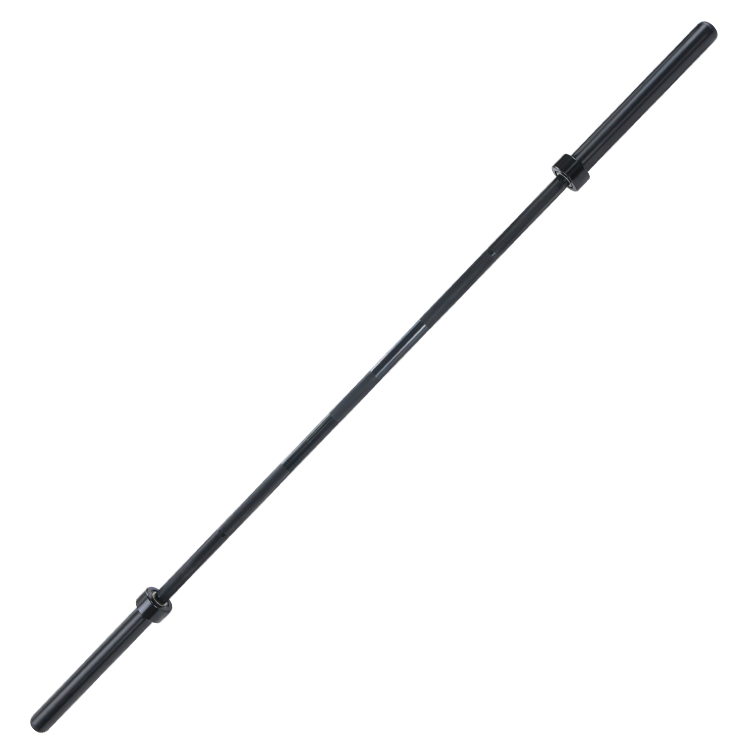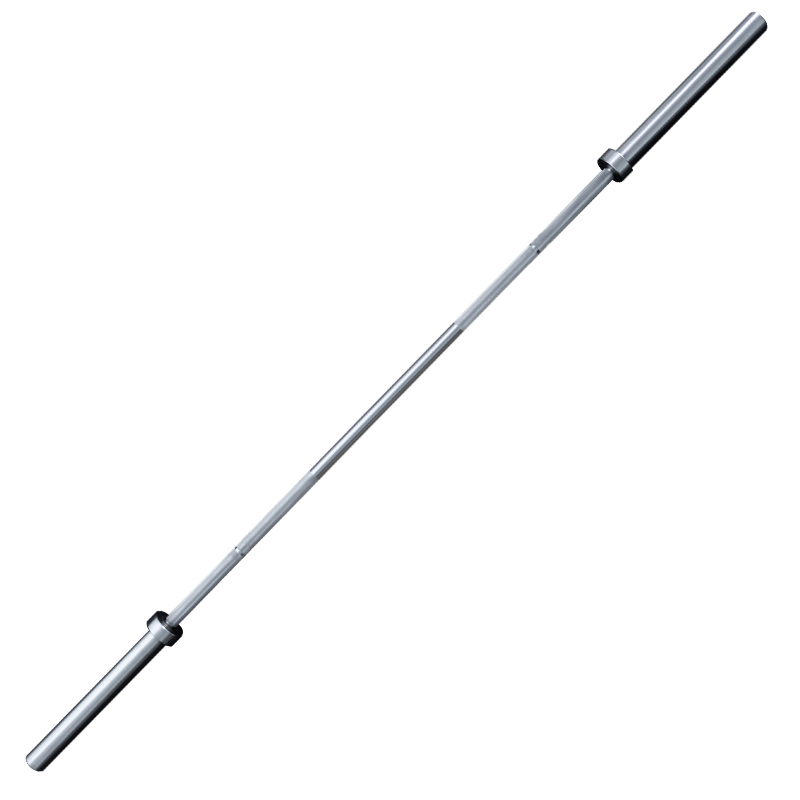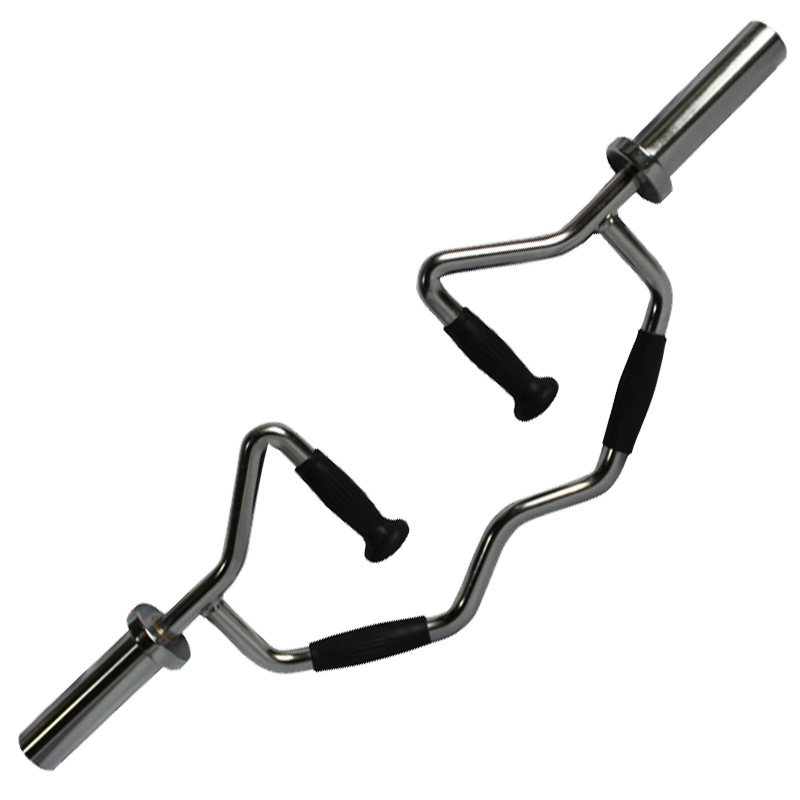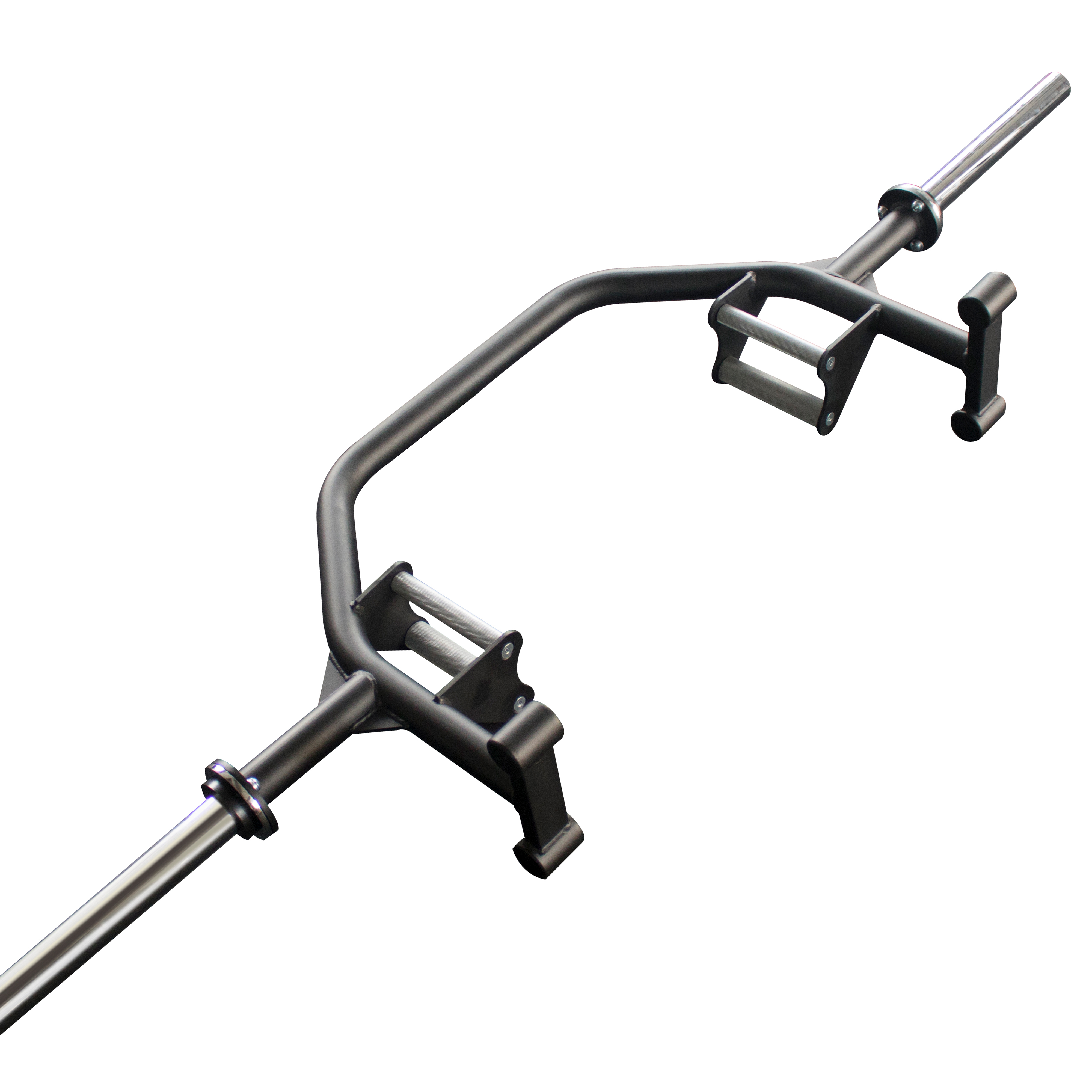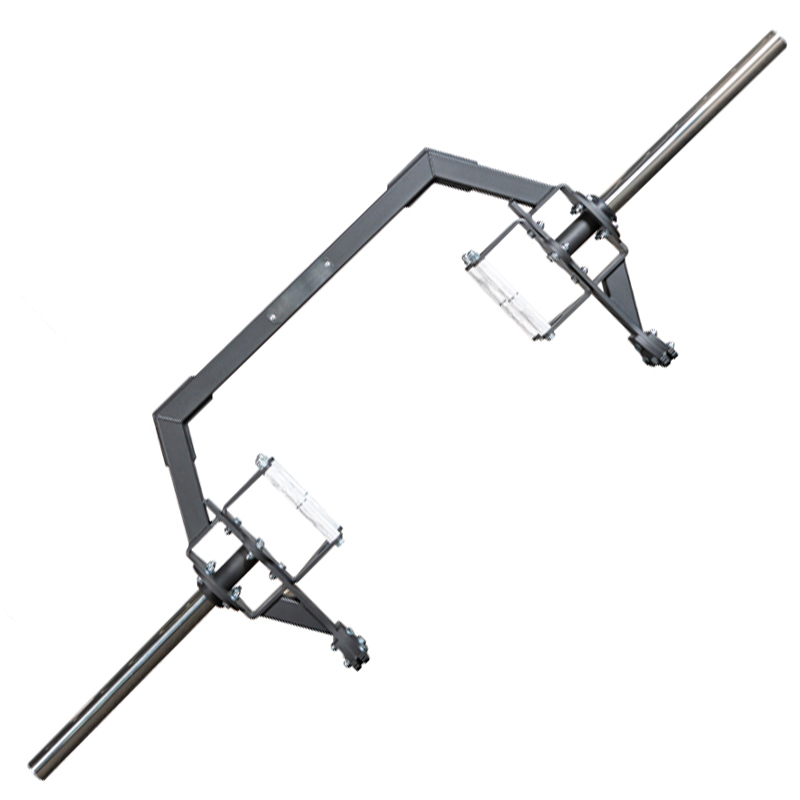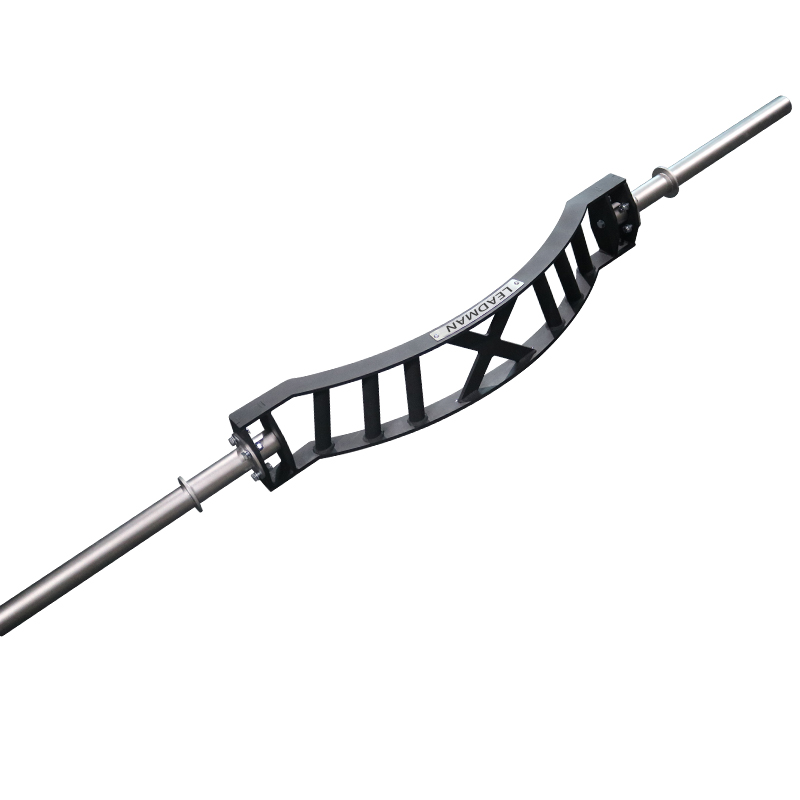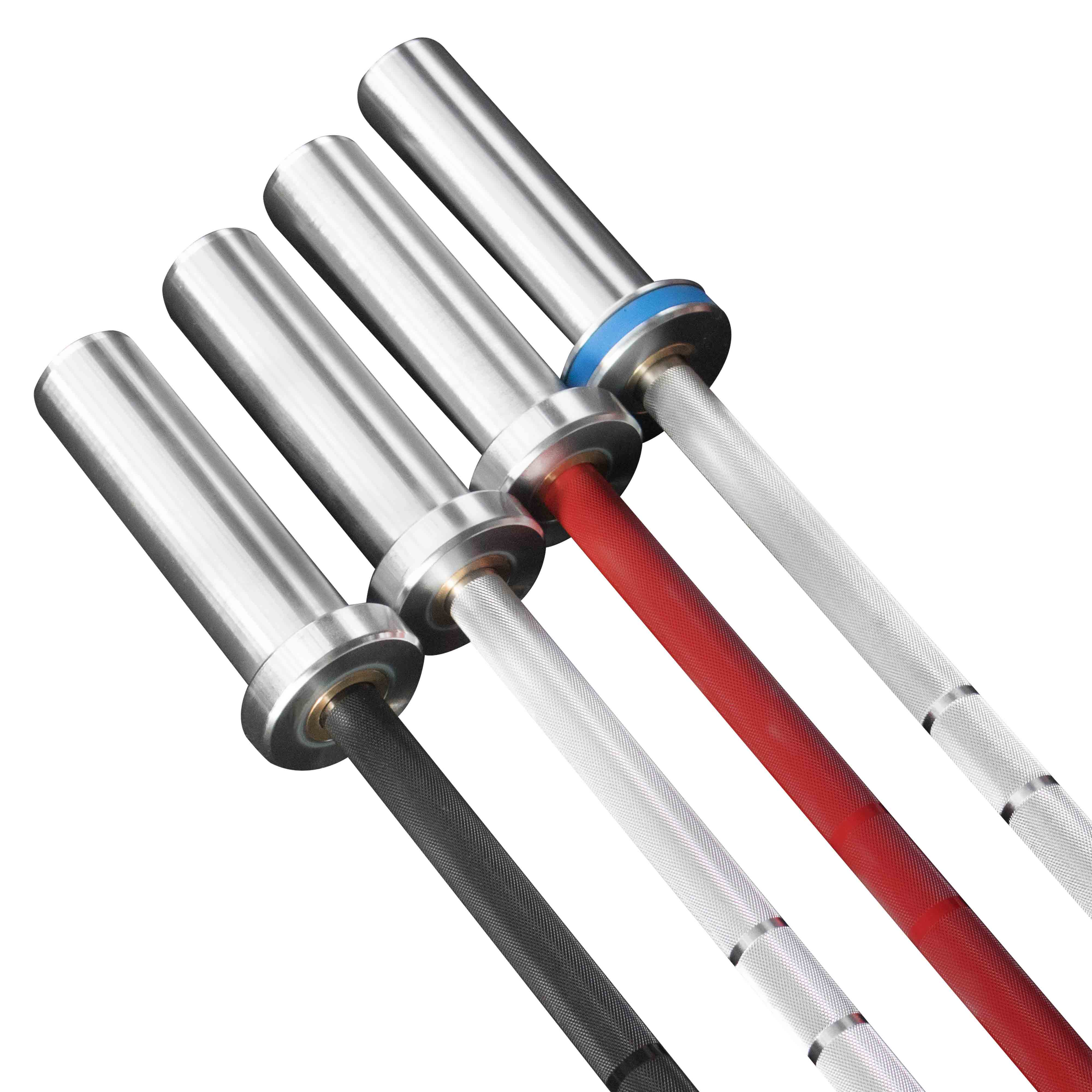
The barbell is a steel training bar designed for weighted resistance exercise, consisting of a shaft and rotating sleeves. Standard Olympic bars feature a 50mm sleeve diameter, 28-29mm shaft for men (25mm for women), and tensile strength from 150,000 to 220,000 psi. The knurling pattern, shaft stiffness, and center knurl presence differentiate powerlifting, weightlifting, and general-purpose bars. For commercial gyms, selecting a barbell involves matching its flex profile to the primary lifts performed.
Barbell construction directly affects performance and longevity. The shaft is typically cold-rolled steel, heat-treated to resist bending under repeated heavy loads. Tensile strength ratings indicate the maximum stress before permanent deformation; higher psi (190,000+) allows loading beyond 1,000 lbs without taking a set. The sleeves rotate via bronze bushings (controlled spin, lower cost) or needle bearings (faster spin, ideal for Olympic lifts). A hard chrome finish resists rust and reduces friction against weight plate hubs. Knurling depth varies: aggressive (20-22 TPI) for powerlifting, moderate (18-20 TPI) for weightlifting, passive (16-18 TPI) for general fitness. Center knurling is mandatory for squat bars to grip the back but omitted on deadlift bars to prevent shin abrasion. The distance between collars (1310mm for IPF, 1302mm for IWF) dictates rack compatibility. Straightness tolerance should be under 0.5mm over full length. Regular maintenance—cleaning chalk from knurling and lubricating sleeves—extends service life past 15 years. For facilities, stocking at least three bar types (squat, deadlift, multipurpose) meets diverse member needs.
Let our experts design the perfect gym solution for your business. Get a free consultation and quote today.