

Optimizing Gym Rubber Weight Plates: A Technical Selection and Maintenance Guide
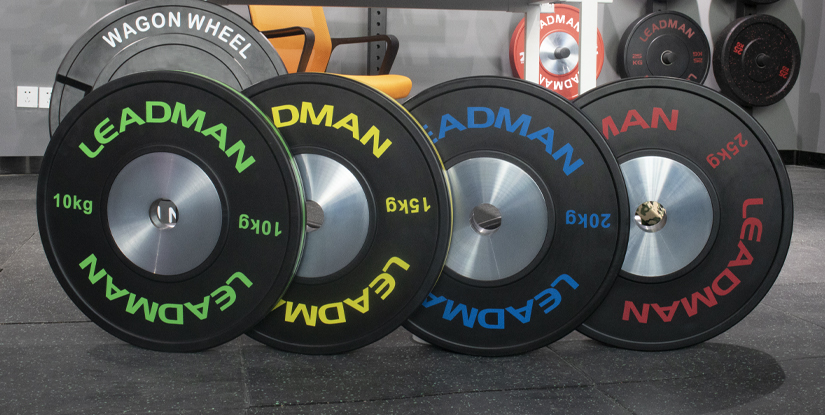
Selecting high-quality Gym Rubber Weight Plates involves more than just choosing a weight; it requires a deep understanding of material density, manufacturing tolerances, and long-term durability. For facility operators, the wrong choice leads to premature degradation, uneven weight distribution, and increased floor damage. This guide addresses the critical technical parameters required to select, implement, and maintain rubber-encased or solid rubber training equipment effectively.
Material Composition and Density Standards
Before procurement, it is essential to understand the physical properties of the rubber used in the manufacturing process. The primary distinction in the industry lies between solid rubber plates and rubber-coated iron plates. Each serves a different functional role within a training environment.
Comparing Solid Rubber vs. Rubber-Coated Iron
Operators often struggle with the choice between impact resistance and precision. Solid rubber plates are typically designed for high-impact environments like CrossFit or weightlifting, whereas rubber-coated iron plates are preferred for traditional strength training where extreme precision is paramount.
| Feature | Solid Rubber Plates | Rubber-Coated Iron Plates |
|---|---|---|
| Primary Use Case | High-impact/Olympic lifting | Traditional strength training |
| Impact Absorption | High (Superior shock dissipation) | Moderate (Better for precision) |
| Weight Tolerance | Moderate (± 2-3% variation) | High (± 0.5-1% variation) |
| Durability Profile | Highly resistant to chipping | Susceptible to edge chipping |
Understanding these material profiles allows for better budget allocation. A common mistake is purchasing solid rubber for a precision powerlifting setting, where the slightly higher tolerance might frustrate competitive lifters. Once the material type is established, the next logical step is verifying the technical specifications of the core structure.
Verifying Weight Tolerance and Dimensional Accuracy
A recurring pain point for professional gym owners is the realization that their plates are inconsistent. When Gym Rubber Weight Plates deviate from their nominal weight, it can cause barbell imbalances, leading to user injury or uneven wear on bars. Achieving a balanced load requires strict adherence to tolerance standards.
The Impact of Eccentric Loading and Imbalance
If a single plate is significantly heavier than its counterpart, the barbell will develop an uneven center of gravity. This is often caused by low-quality molding processes where the rubber density is not uniform throughout the plate. To verify quality, operators should perform a batch weight check using a calibrated digital scale.
- Standard Deviation Check: Weigh five 20kg plates from the same batch. The deviation should ideally remain under 1.5% for premium equipment.
- Visual Uniformity: Inspect the surface for air bubbles or uneven thickness, which indicate density inconsistencies.
- Thickness Calibration: Ensure the center hub thickness is consistent across the entire set to prevent stacking issues on the barbell.
By ensuring dimensional accuracy through these checks, operators can prevent the long-term damage caused by uneven loading. This precision becomes even more critical when considering how these plates interface with the floor surface.
Explore the complete technical specifications:
Floor Protection and Impact Dispersion Mechanics
The utility of high-quality rubber is not just in the weight itself, but in how it protects the facility's structural integrity. The relationship between the plate's durometer (hardness) and the thickness of the floor mats is a frequent area of failure in gym design.
Optimizing the Flooring Interface
A common error is assuming that any rubber plate provides sufficient protection. In reality, the density of the plate must be paired with an appropriate damping layer. If the rubber is too hard (high durometer) and the floor is too thin, the kinetic energy from a dropped weight will transmit directly into the concrete subfloor, causing micro-fractures over time.
Selection Criteria for Floor Interaction:
- Low-Drop Zones: Use high-durometer plates with thick (20mm+) rubber matting to absorb high-velocity impacts.
- General Strength Areas: Standard rubber-coated plates with 10mm-15mm mats are sufficient for controlled lifting.
- Verification Method: After a controlled drop of a 20kg plate, observe the vibration of the surrounding floor mats. Excessive bouncing suggests a lack of damping.
Effective impact management reduces the total cost of ownership by extending the life of the flooring. Moving from protection to long-term care, we must address the environmental factors that degrade rubber over time.
Explore the complete technical specifications:
Environmental Vulnerabilities and Degradation Prevention
The longevity of Gym Rubber Weight Plates is directly tied to the environment in which they are stored and used. Rubber is a polymer that reacts to temperature fluctuations and chemical exposure, which can lead to cracking or loss of elasticity.
Common Causes of Rubber Failure
In many commercial settings, the degradation of plates is not caused by usage, but by improper maintenance or environmental neglect. For instance, leaving rubber plates in direct sunlight or in unventilated, high-heat areas can accelerate the oxidation process.
Failure Mode Analysis:
| Problem | Primary Cause | Actionable Fix |
|---|---|---|
| Surface Cracking | UV exposure or extreme cold | Store in temperature-controlled areas. |
| Odor/Gas Off-gassing | Low-grade recycled rubber | Ensure high-quality ventilation in storage. |
| Surface Stickiness | Chemical/Sweat buildup |
Preventing these issues requires a disciplined approach to cleaning and storage. This brings us to the specific maintenance routines that should be implemented into the facility's weekly operations.
Explore the complete technical specifications:
Standard Operating Procedures for Plate Maintenance
To maintain the aesthetic and functional integrity of your equipment, a standardized maintenance schedule is mandatory. Neglecting routine care can lead to the buildup of contaminants that eventually compromise the rubber surface.
Daily vs. Weekly Maintenance Tasks
Effective maintenance is divided into daily surface care and weekly deep inspection. A professional operator should train staff to recognize the early signs of material fatigue before it becomes a safety hazard.
The Maintenance Checklist:
- Daily: Wipe down surfaces with a damp cloth to remove sweat and skin oils. Avoid harsh industrial solvents which can melt or brittle the rubber.
- Weekly: Inspect the hub-to-plate connection. For rubber-coated iron, look for signs of the inner core expanding or the coating separating from the metal.
- Monthly: Check the thickness of the center holes for any signs of elongation or metal burrs that could scratch barbells.
Regularity in these tasks ensures that the equipment remains in top condition for years. However, even with perfect maintenance, physical wear and tear will eventually necessitate replacement or repair.
Explore the complete technical specifications:
Troubleshooting Common Weight Plate Issues
Despite the best maintenance efforts, issues will arise. Troubleshooting these problems early can save significant capital expenditures by identifying if a problem is a design flaw or a usage error.
Identifying Wear and Tear Patterns
When a plate shows signs of wear, the first step is to determine if the cause is mechanical or environmental. For example, if the edges of a plate are chipping, it is likely a mechanical impact issue. If the surface is cracking, it is likely an environmental or chemical issue.
Diagnostic Guide:
- Issue: Plate feels 'greasy' or sticky.
Diagnosis: Excessive skin oil buildup or reaction to a harsh cleaning agent.
Fix: Deep clean with a pH-neutral solution and dry thoroughly. - Issue: Visible gaps between the rubber and the inner ring.
Diagnosis: Thermal expansion/contraction or low-quality adhesion.
Fix: If minor, monitor; if significant, replace to prevent weight imbalance. - Issue: Unusual smell during high-intensity sessions.
Diagnosis: Poor ventilation or high-VOC recycled rubber.
Fix: Increase air exchange rates in the facility.
Once the diagnosis is complete, the operator can decide whether to implement a fix or proceed with procurement for new equipment. This leads us to the final consideration: the long-term return on investment.
Explore the complete technical specifications:
Olympic Rubber Plate Set | Durable Bumper Plates for Weightlifting & CrossFit
The Long-Term ROI of Premium Rubber Equipment
While the initial cost of high-grade Gym Rubber Weight Plates may be higher than budget alternatives, the total cost of ownership (TCO) is often significantly lower. This is due to reduced replacement frequency and lower facility maintenance costs.
Evaluating Total Cost of Ownership
When evaluating a purchase, do not look solely at the unit price. A premium plate may last 5-7 years with proper care, whereas a budget plate might show signs of failure within 18 months. Calculating the cost-per-year provides a more accurate picture of the investment's value.
Investment Comparison Table:
| Metric | Budget-Grade Equipment | Professional-Grade Equipment |
|---|---|---|
| Initial Capital Outlay | Low | High |
| Average Lifespan | 12 - 24 Months | 60 - 84 Months |
| Maintenance Requirement | Frequent (due to failure) | Low (Routine care) |
| Impact on Floor Life | High (Higher vibration) | Low (Better damping) |
In conclusion, a professional approach to selecting and maintaining rubber weight plates ensures a safer, more durable, and more efficient training environment. From selecting the correct material composition to implementing a rigorous maintenance schedule, every decision impacts the long-term success of the facility.