

Bumper Plates vs. Iron Plates—Which Is Better for Your Gym?
The Misconception of 'One Size Fits All' Weight Systems
A frequent error made by new facility operators and boutique gym owners is the assumption that all weight plates are functionally interchangeable. Many enter the procurement process believing that a standard 45lb (20kg) plate is a universal constant, regardless of whether it is cast from iron or molded from high-density rubber. This misunder
The Cost of Incorrect Selection: Choosing the wrong plate type for a specific training modality leads to two primary failures: accelerated equipment degradation and increased facility maintenance costs. For instance, using thin, rigid iron plates for high-velocity Olympic lifting can lead to cracked floor surfaces and chipped plates, while using oversized bumper plates for precision bodybuilding movements may limit the number of plates a user can fit on a barbell, causing depth-related inaccuracies in training.
Understanding Material Mechanics: The Density and Surface Properties
To make an informed decision, one must look beyond the surface aesthetics and understand the core mechanical properties of the two primary materials used in commercial strength training: cast iron and high-density rubber (polyurethane or vulcanized rubber).
Cast Iron: Rigidity and Precision
Iron plates are characterized by their high density and minimal thickness. Because iron is non-compressible, these plates provide a highly consistent diameter and weight profile. This makes them the gold standard for strength training disciplines where technical precision and maximal weight loading are the priorities. However, their lack of elasticity means they possess virtually zero shock absorption capacity.
Bumper Plates: Elasticity and Impact Management
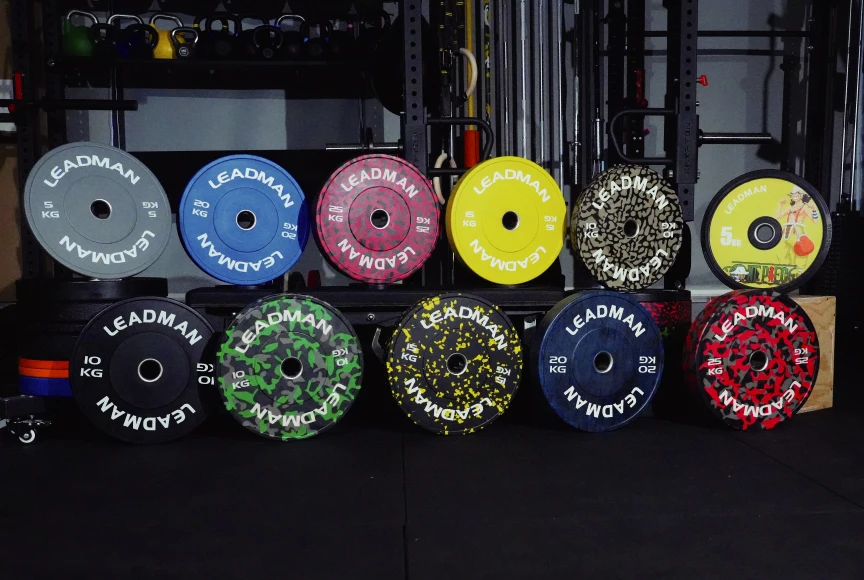
Bumper plates are engineered to withstand the kinetic energy of a falling weight. Constructed from high-density rubber or specialized polymers, these plates are designed to compress and rebound upon impact. This elasticity is not just a luxury; it is a structural necessity in weightlifting environments where the barbell is frequently dropped from overhead.
Comparing Durability and Failure Modes
A primary pain point for gym owners is the lifecycle of their equipment. Different materials fail in distinct ways based on the mechanical stresses they endure. Understanding these failure modes allows for better procurement planning and risk mitigation.
| Failure Mode | Iron Plate Behavior | Bumper Plate Behavior |
|---|---|---|
| High-Velocity Impact | Cracking, chipping, or complete fracture of the cast body. | Surface abrasion, slight deformation, or internal core compression. |
| Long-Term Storage | Corrosion/rust if humidity is not controlled. | Potential for degradation if stored in extreme heat or UV light. |
| Surface Friction | Low friction; high risk of barbell slippage if not used with collars. | Variable friction depending on rubber density; higher grip. |
| Diameter Tolerance | Highly consistent; maintains weight precision over time. | May experience 'bulging' or slight diameter shifts with heavy use. |
Technical Analysis of Impact Resistance
When a lifter drops a loaded barbell, the kinetic energy must be dissipated. In a system using iron plates, that energy travels directly into the floor and the plate itself. If the floor is not a specialized lifting platform, the resulting vibration can damage structural components of the building. Bumper plates act as a dampening mechanism, absorbing a significant portion of that energy through material deformation, thereby protecting both the equipment and the facility infrastructure.
Total Cost of Ownership: The Hidden Price of Cheap Iron
The most common mistake in gym procurement is focusing solely on the initial purchase price per pound. While iron plates often have a lower upfront cost, the long-term operational costs can be deceptive. An operator must calculate the Total Cost of Ownership (TCO) by factoring in floor replacement, plate replacement, and potential facility damage.
The TCO Equation for Gym Operators
If a facility is designed for Olympic weightlifting, investing in iron plates will lead to an inevitable increase in flooring maintenance and potential repair costs for the subfloor. Conversely, if a facility is a traditional bodybuilding gym focused on low-impact movements, the extra expense of high-grade bumper plates may result in an unnecessary capital expenditure with no functional benefit. A professional operator should verify the primary training style of their clientele before finalizing the order.
Verification Checklist for Procurement
- Identify the Primary Modality: Is the gym focused on Powerlifting (Iron/Hybrid) or Weightlifting (Bumper)?
- Assess Flooring Integrity: Will the weight be dropped frequently? If yes, bumper plates are mandatory.
- Calculate Volumetric Needs: How much total weight do users expect to lift? Bumper plates are thicker and may limit the total weight on a bar.
- Evaluate Space Constraints: Iron plates are thinner, allowing more weight on a standard 7ft barbell.
When to Choose Bumper Plates: High-Impact Scenarios
Bumper plates are the definitive choice for environments where the barbell is frequently released from a height. This includes CrossFit boxes, weightlifting clubs, and high-performance strength facilities. The ability to perform 'drops' safely is the core advantage.
The Benefits of Bumper Plate Implementation
Beyond impact resistance, bumper plates offer several operational advantages. Their larger diameter ensures that they remain relatively stable during movement, and the rubber construction provides a more forgiving edge, reducing the risk of injury during contact with the lifter. Furthermore, high-quality bumper plates are often color-coded to international standards, which aids in quick weight identification and organized loading.
Common Pitfalls of Bumper Plate Selection
A common mistake is purchasing low-grade, 'budget' bumper plates. These often have poor density consistency, meaning a 45lb plate might actually weigh 43lbs or 47lbs. This discrepancy can lead to significant issues in competitive training or professional-level coaching. Operators should always verify the weight tolerance (ideally within +/- 1-3%) before a bulk purchase.
When to Choose Iron Plates: Precision and Density Scenarios
Iron plates remain the superior choice for traditional strength training, such as powerlifting, bodybuilding, and heavy compound lifting where the barbell is not intended to be dropped. In these environments, the rigidity of the plate is a feature, not a flaw.
Optimization for Powerlifting and Bodybuilding
In a powerlifting setting, the goal is to reach maximal loads. Because iron plates are significantly thinner than bumper plates, an athlete can fit more total weight on a single barbell. For example, a 500lb+ squat or deadlift might require the density of iron to prevent the bar from being 'out of weight' due to the thickness of rubber bumpers. Additionally, the high precision of cast iron ensures that the barbell balance remains perfectly consistent during technical lifts.
Maintenance and Longevity of Iron Equipment
Iron plates require minimal maintenance but are susceptible to oxidation. In humid environments, the steel or iron can develop surface rust, which can eventually transfer to the barbell. To prevent this, operators should ensure the gym has proper ventilation and that plates are stored in a dry environment. Periodally cleaning the plates with a light machine oil can restore the finish and prevent further corrosion.
Selection Criteria: A Comparative Decision Matrix
To assist in the final decision-making process, the following table compares the core operational parameters of each plate type.
| Criteria | Bumper Plates (Rubber) | Iron Plates (Cast) |
|---|---|---|
| Best Use Case | Olympic Lifting, CrossFit, HIIT | Powerlifting, Bodybuilding, Strength Training |
| Impact Absorption | High (Excellent) | Minimal to None (Poor) |
| Thickness/Density | Thick (Limiting for max weight) | Thin (Optimal for max weight) |
| Weight Precision | Moderate (Varies by quality) | High (Very consistent) |
| Floor Protection | Superior | Requires high-quality platform |
| Higher per pound | Lower per pound |
Practical Implementation: Building a Hybrid Weight Room
For many commercial gym operators, the most effective solution is not an 'either/or' decision, but rather a strategic hybrid approach. A modern facility often benefits from having both types of plates available to cater to different training demographics.
Structuring a Multi-Functional Facility
A professional implementation strategy involves designating specific zones within the gym. For instance, the 'Lifting Platform Zone' should be equipped with high-density bumper plates and specialized lifting platforms to handle high-impact loads. Meanwhile, the 'Strength/Rack Zone'—where lifters perform squats, bench presses, and deadlifts—should be stocked with high-quality iron plates. This separation of duties ensures that the specialized equipment is used for its intended purpose, maximizing the lifespan of both the plates and the flooring.
Verification of Load Distribution
Before finalizing your floor layout, verify the load-bearing capacity of your facility. If you choose to use bumper plates heavily, ensure your flooring sub-structure can handle the rhythmic, repetitive impact of dropped weights. If you rely on iron plates, ensure your weight racks and platforms are designed to minimize the transfer of vibration to the building's foundation.
Final Technical Recommendation
The decision between bumper plates and iron plates depends entirely on the intended movement profile of your athletes. If your gym culture involves dropping the bar frequently, the higher upfront cost of bumper plates is a mandatory investment to protect your facility and your equipment. If your focus is on maximal weight precision and traditional strength disciplines, the density and thin profile of iron plates will provide a superior training experience. Always prioritize weight tolerance and material quality over the lowest initial price to ensure long-term operational success.