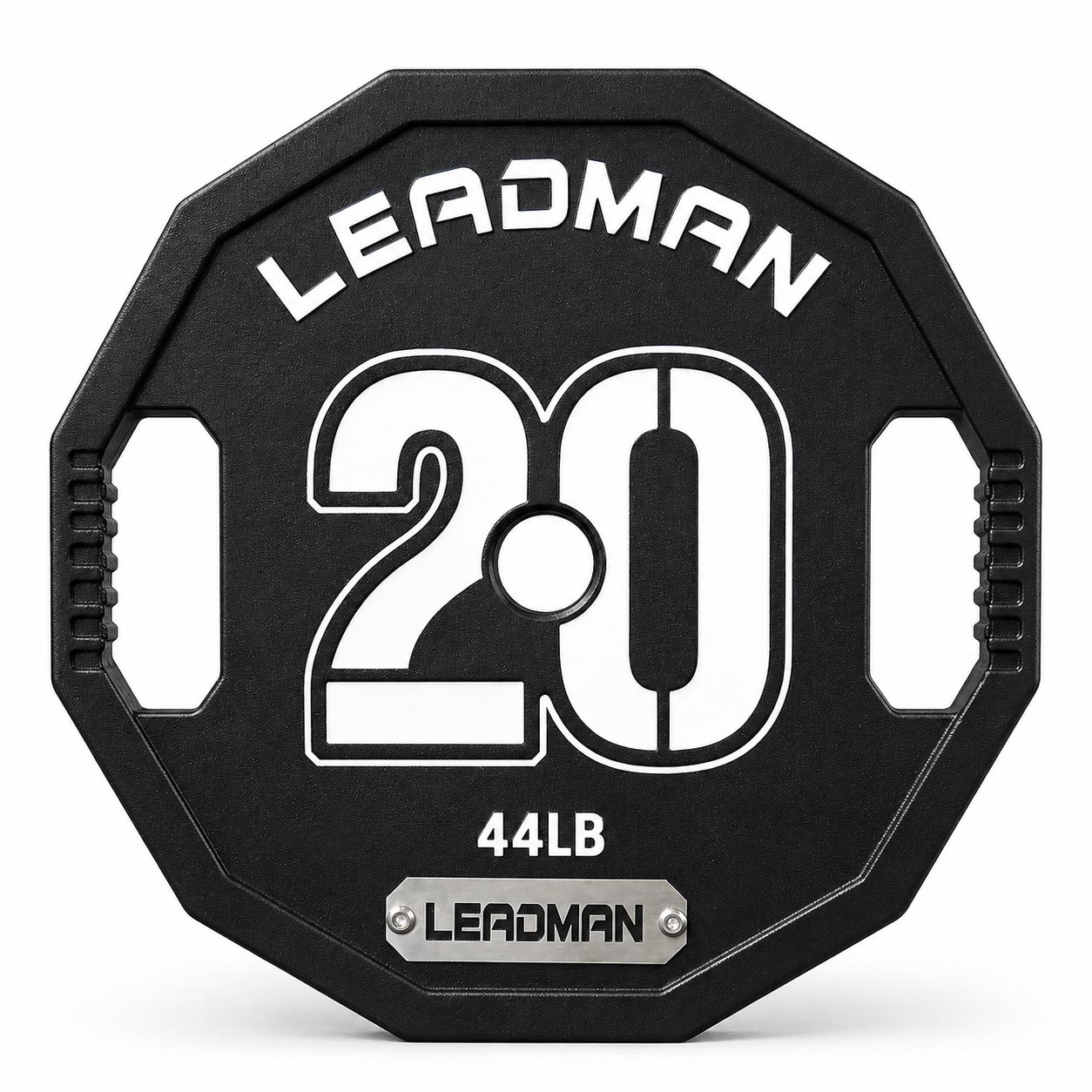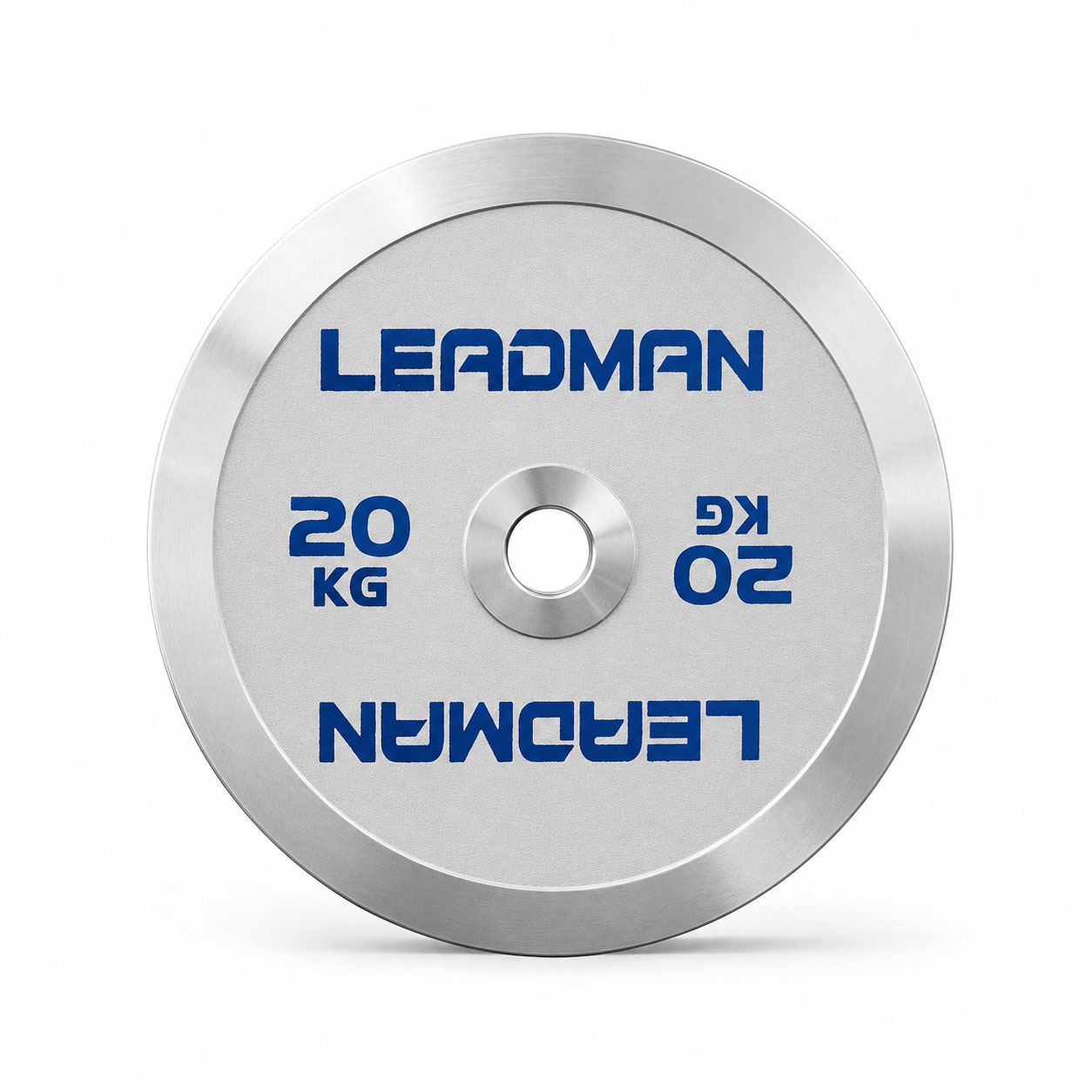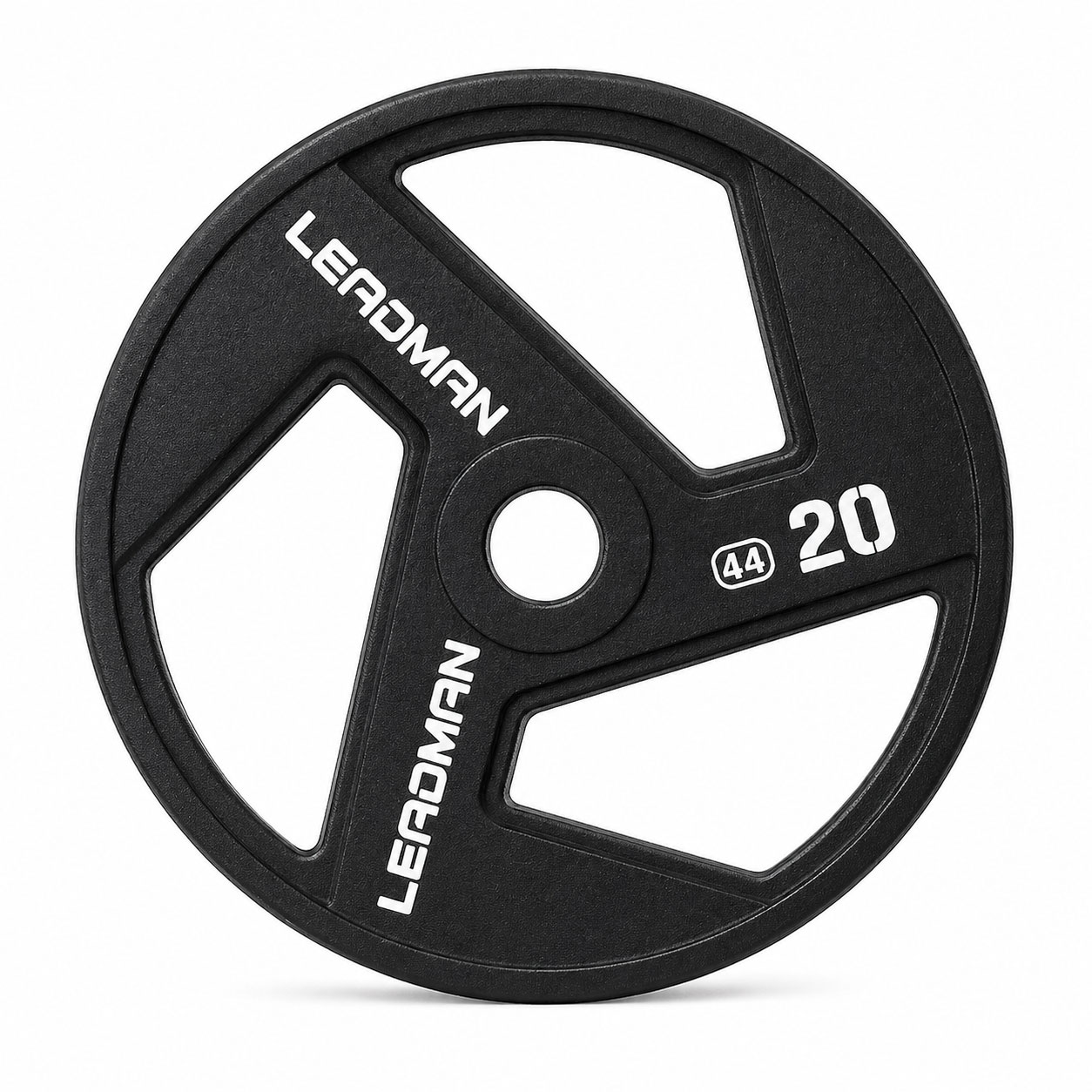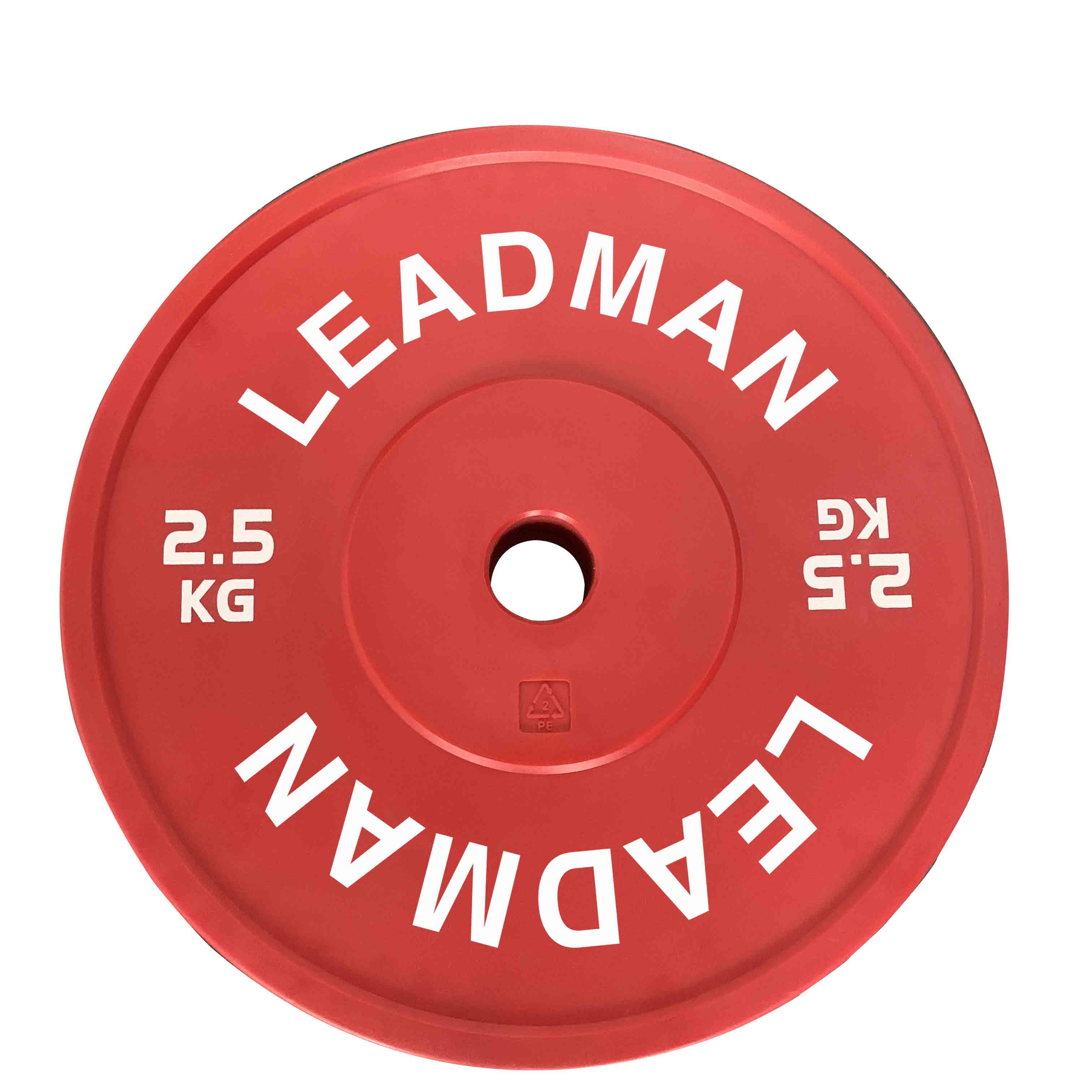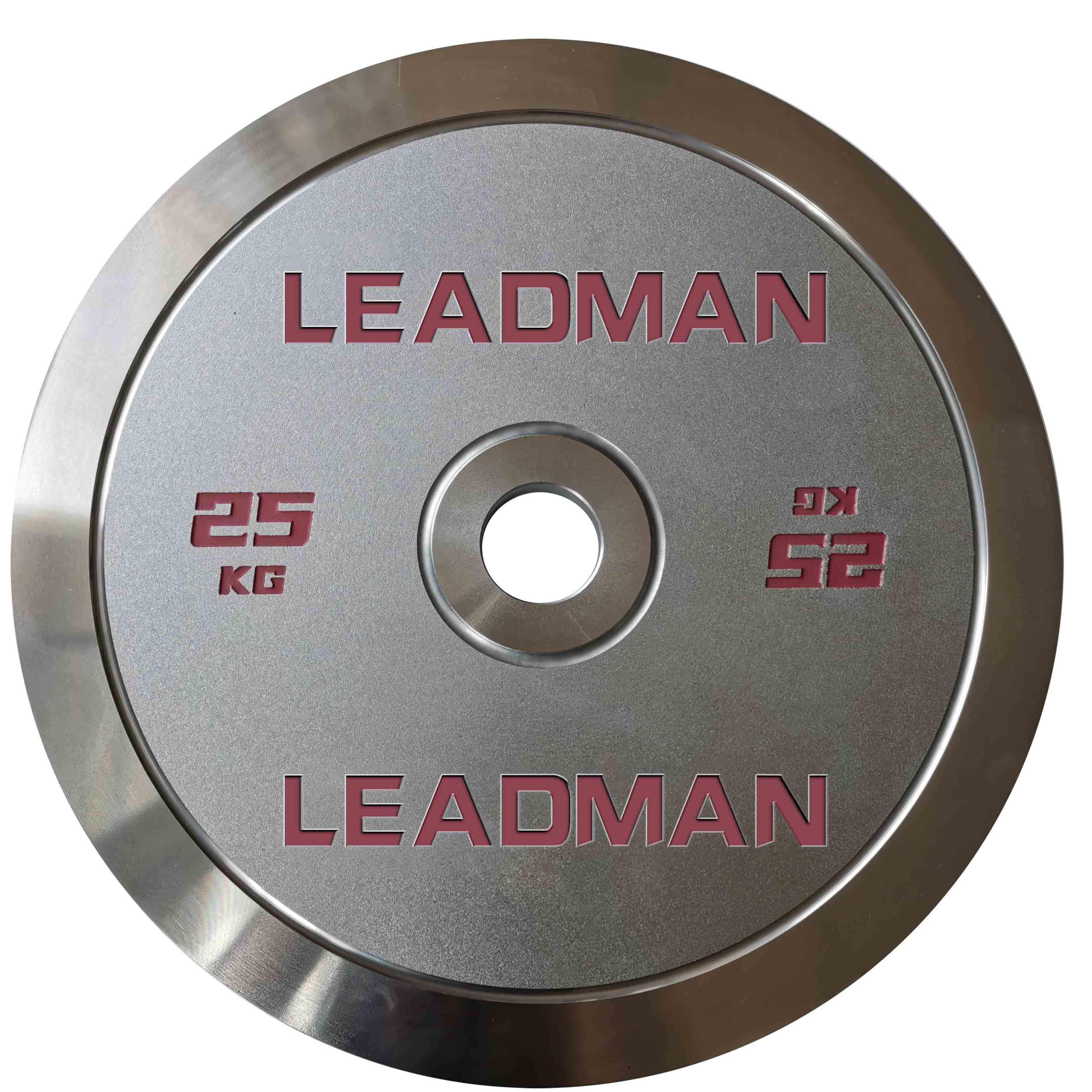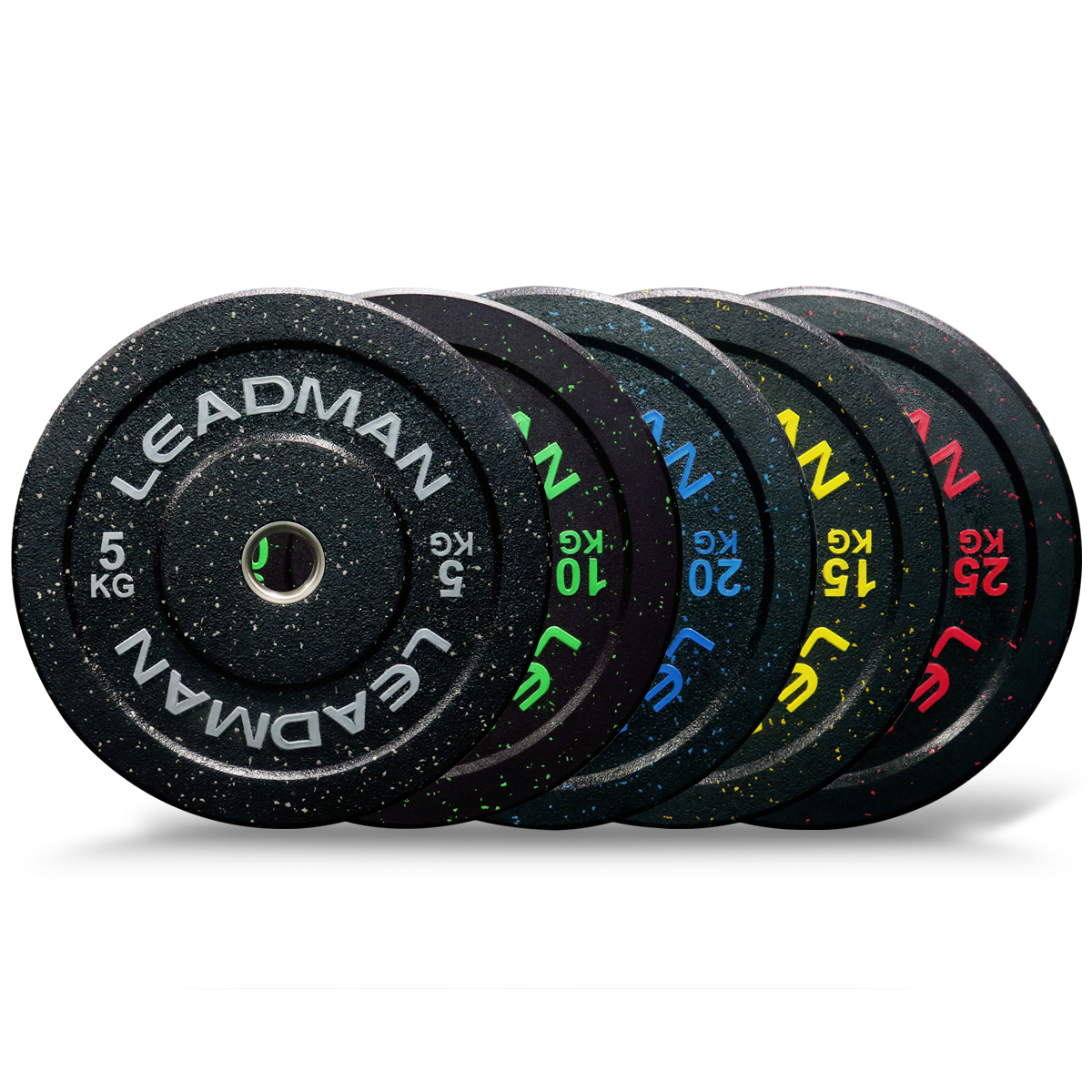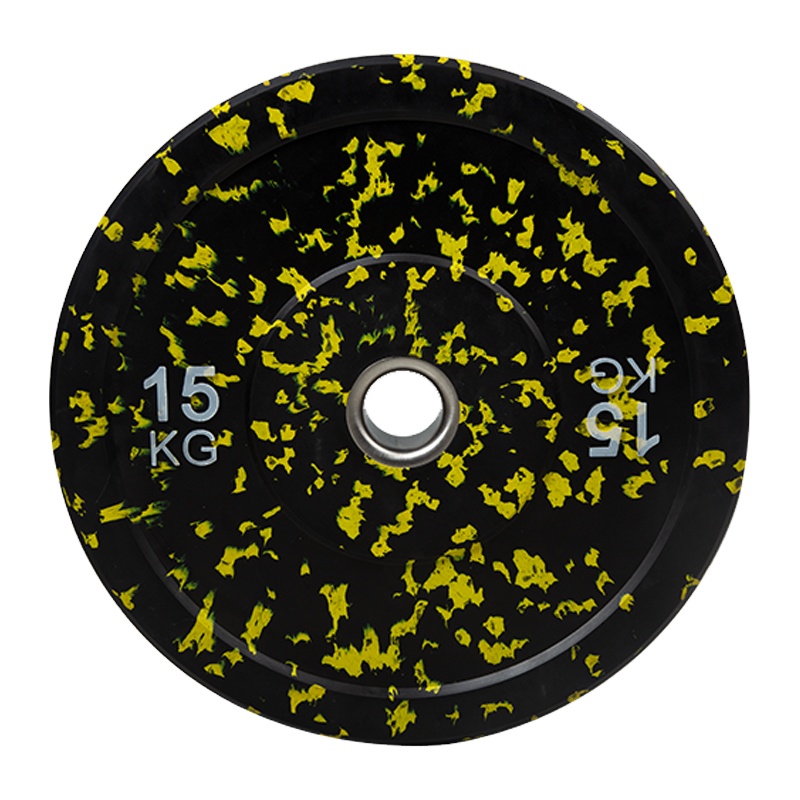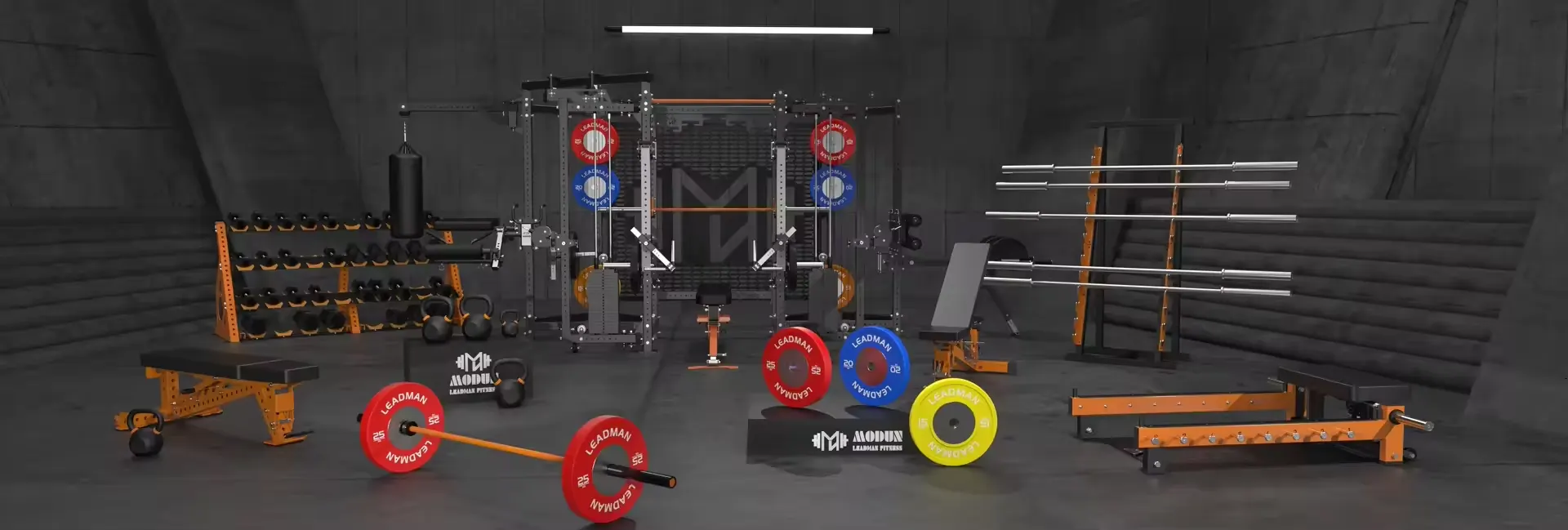
The rubber bumper plate set has become the cornerstone of commercial weightlifting zones, providing essential impact absorption, noise reduction, and floor protection essential for safe Olympic weightlifting and high-intensity functional training. Unlike standard cast iron plates, which transfer impact forces directly to the platform and barbell, rubber bumper plates use vulcanised rubber encasement to absorb shock during dropped lifts, preserving equipment integrity and extending platform life. This protective function is not merely a convenience but a safety and cost-saving investment in high-traffic facilities where bars are dropped repeatedly from overhead positions and heavy deadlifts land on platforms hundreds of times daily.
When evaluating commercial bumper plate sets, procurement professionals must assess material composition, construction quality, and weight tolerance specifications. The rubber compound's shore hardness—typically ranging from 75 to 90 on the Shore A scale—determines bounce characteristics and impact absorption, with lower hardness providing better shock absorption but potentially faster wear. Advanced formulations incorporating virgin rubber and polymer additives achieve optimal balance between durability and impact absorption, maintaining shape and performance across temperature variations. Insert retention, the adhesion strength between the steel hub and the rubber body, is tested to withstand thousands of drop cycles without separation. Weight tolerance requirements vary by intended use: general commercial sets allow ±2–3%, while competition-spec sets require ±0.5–1%.
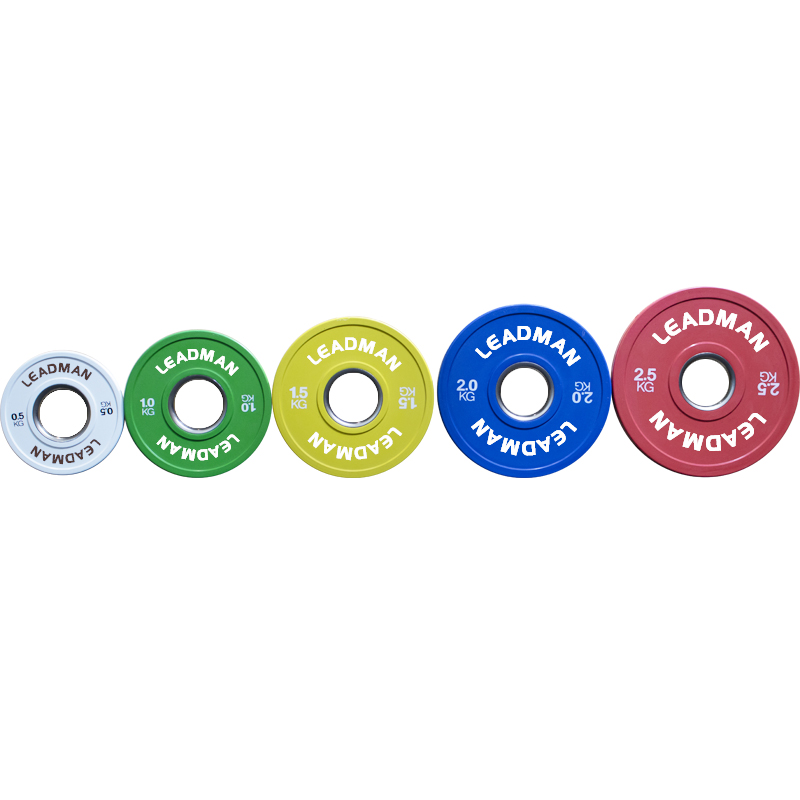
The typical commercial rubber bumper plate set includes pairs from 5kg to 25kg (or 10lb to 55lb), providing comprehensive weight coverage for progressive loading. Premium sets extend the range down to 2.5kg for fine-load adjustments and up to 50kg for heavy pullers. Plate diameter standardisation (450mm across all bumper plates) maintains consistent deadlift height across the set, ensuring proper starting position mechanics. Colour-coding, following IWF convention (green 10kg, yellow 15kg, blue 20kg, red 25kg), simplifies plate identification and speeds loading. Urethane coating, a premium option offering superior odour resistance and colour retention, commands 40–60% higher cost but delivers extended service life under intensive use. Facilities should allocate 1.5–2 times the heaviest anticipated working sets across all stations for comprehensive coverage.
Storage and handling systems significantly affect bumper plate set longevity. Vertical plate trees with urethane-coated pegs reduce edge damage and preserve plate condition. Drop zones with industry-standard 2–3 inch rubber flooring or dedicated deadlift platforms with built-in drop protection reduce shock transfer to plates and floor. Regular cleaning with mild detergent prevents chalk build-up. Consistent maintenance including monthly hub torque checks, surface inspections, and weight verification extends set service life, typically 5–12 years depending on material tier. Procurement decisions should account for these factors, weighing upfront investment against long-term operational costs to select sets that deliver maximum value through performance and longevity in commercial environments.
Let our experts design the perfect gym solution for your business. Get a free consultation and quote today.