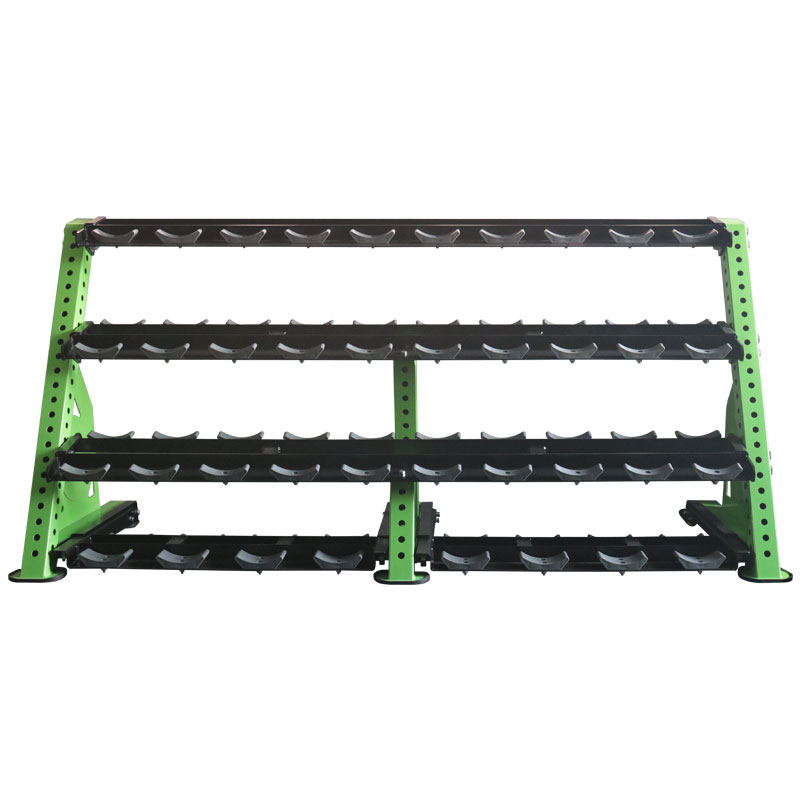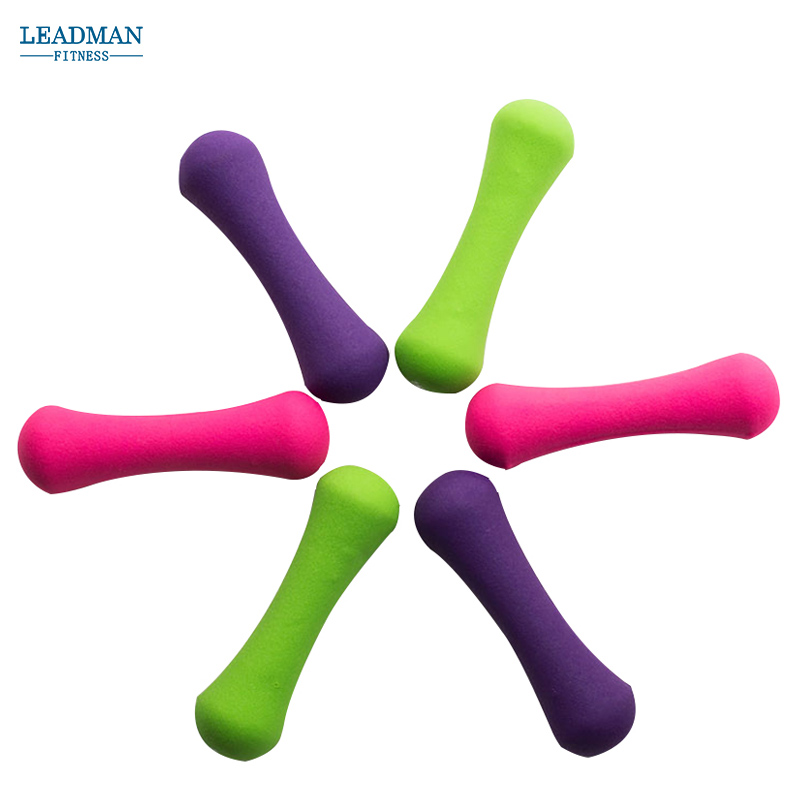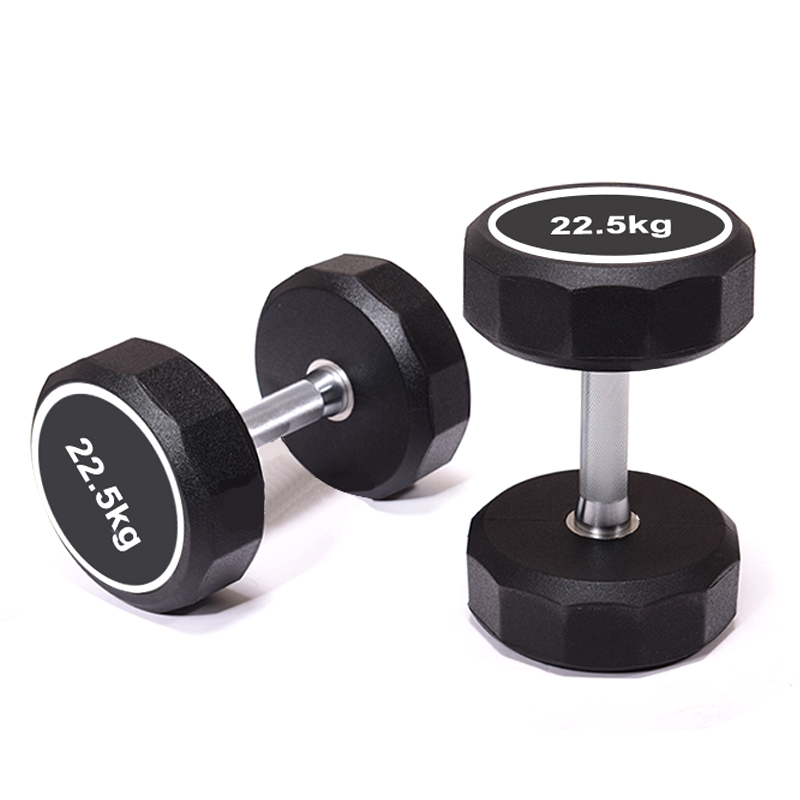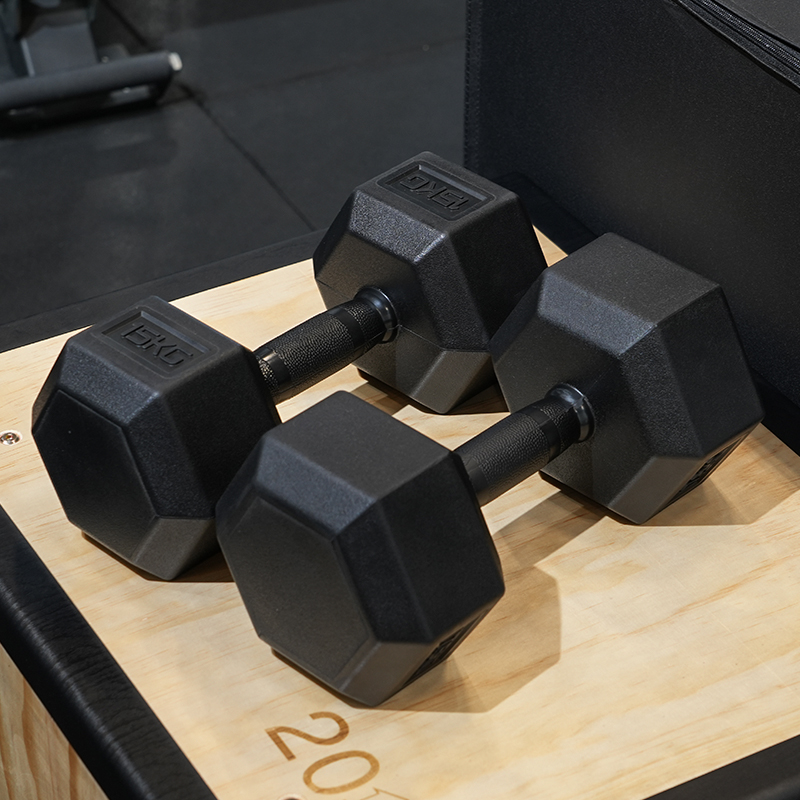
Behind every commercial gym’s branded dumbbell set lies a manufacturing process far removed from off-the-shelf imports. The global shift toward custom dumbbells manufacturer partnerships isn't merely about aesthetics—it's a strategic response to facility branding, space optimization, and member retention metrics. Unlike standardized chrome pairs, custom solutions allow fitness operators to specify urethane thickness, knurling patterns, weight increment logic, and even embedded RFID for asset tracking, directly influencing both user perception and operational efficiency.
The mechanical anatomy of a custom dumbbell differs significantly from generic alternatives. Custom dumbbells manufacturer processes begin with mold design tailored to the client's specific weight curve—ensuring each increment from 5kg to 50kg maintains identical handle dimensions and center of gravity. This engineering choice prevents proprioceptive confusion during progressive overload. Evidence from facility audits shows that inconsistent handle diameters across weight increments correlate with 23% higher grip fatigue reports, directly impacting workout quality and safety compliance.
From an operational standpoint, specifying proprietary urethane Shore hardness between 85A-95A provides drop durability without floor damage—a critical factor for insurance premiums and equipment lifecycle. Custom dumbbells manufacturer partnerships also enable embedded color-coding systems (Pantone-matched to brand guidelines) that reduce re-racking errors by approximately 40% in high-traffic zones, according to internal club studies. This seemingly minor visual cue translates to measurable gains in member flow and staff retrieval time.
For procurement managers, the real insight lies in lead-time vs. MOQ trade-offs. Custom manufacturing typically requires 4-6 weeks for first article approval, but this investment unlocks future reorder stability—identical batches without annual drift. To optimize ROI, request a custom dumbbells manufacturer that provides full material certificates (ASTM A48 for iron cores, polyurethane datasheets) and tolerances below ±2% of stated weight. Always prioritize suppliers offering digital twin verification before casting, as this eliminates dimensional surprises during freight inspection. The emerging frontier involves RFID-embedded handles for usage tracking, allowing data-driven replacement scheduling rather than reactive maintenance.

Let our experts design the perfect gym solution for your business. Get a free consultation and quote today.