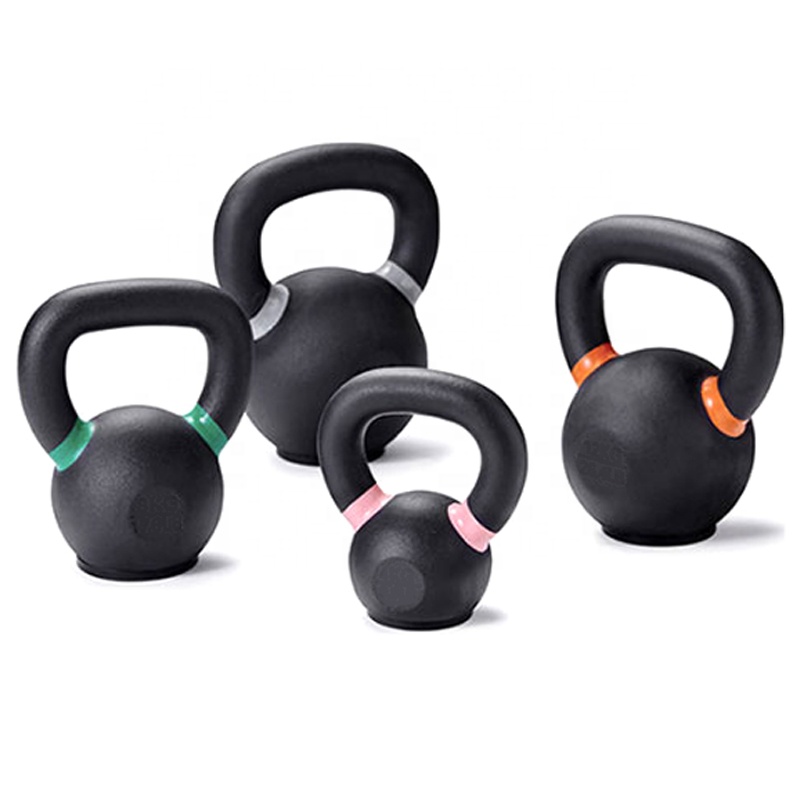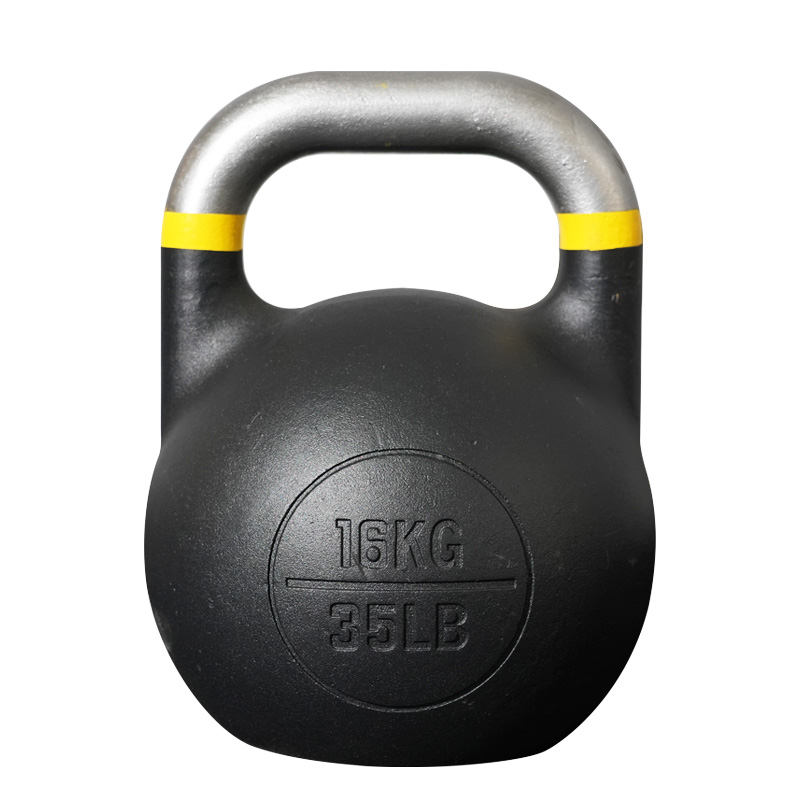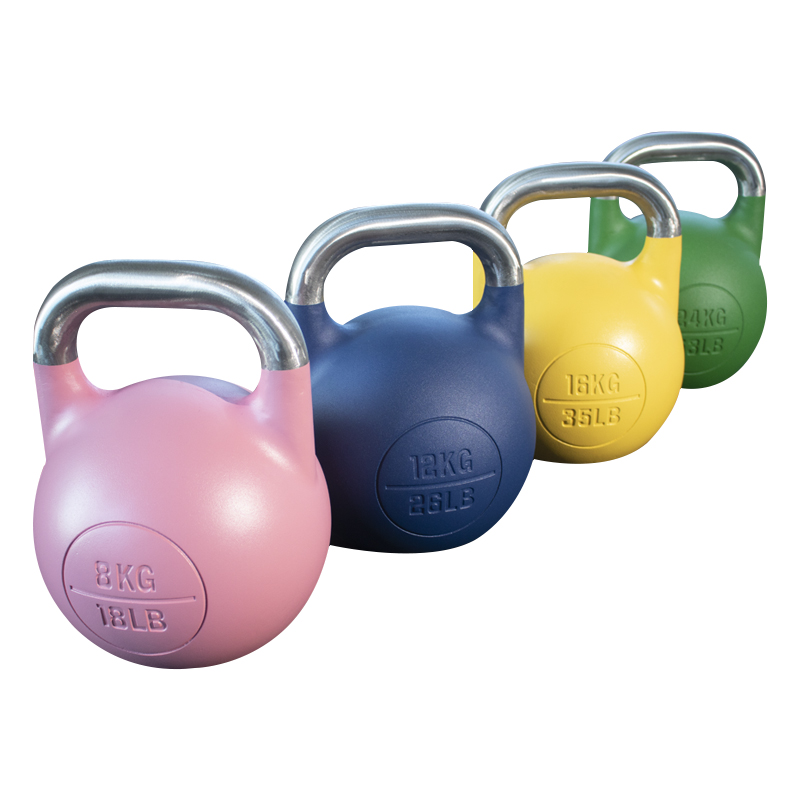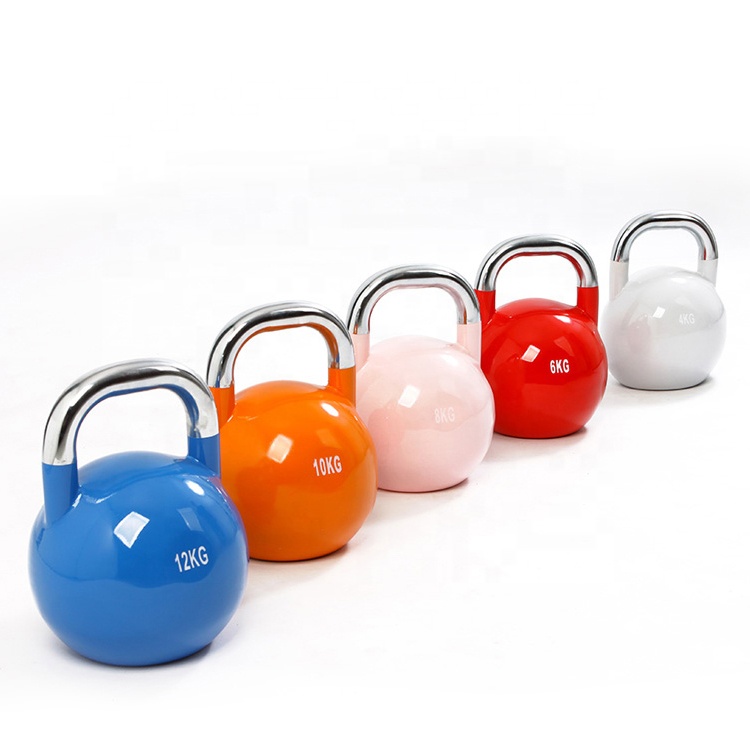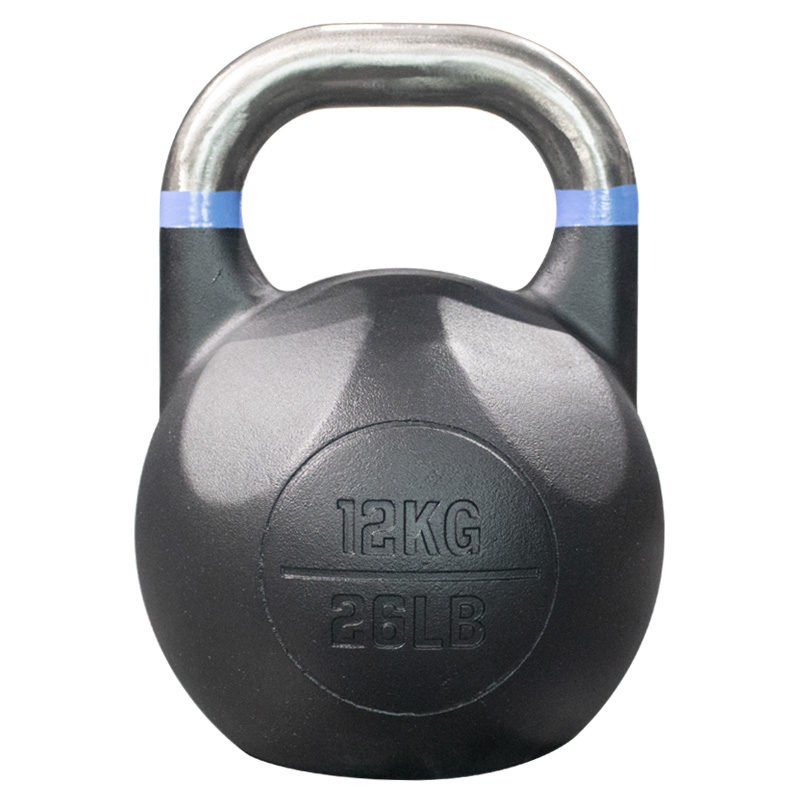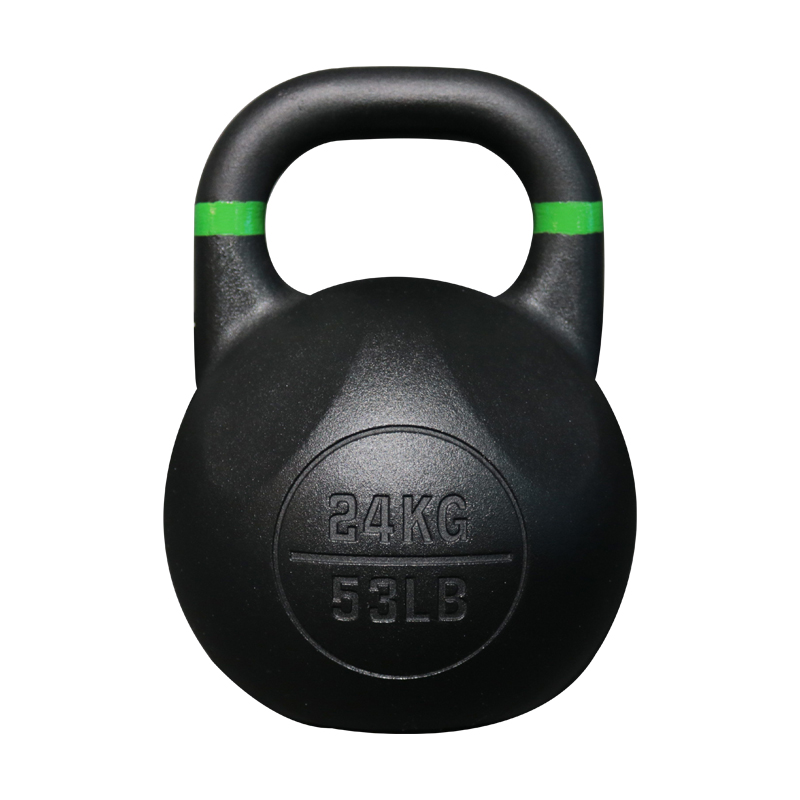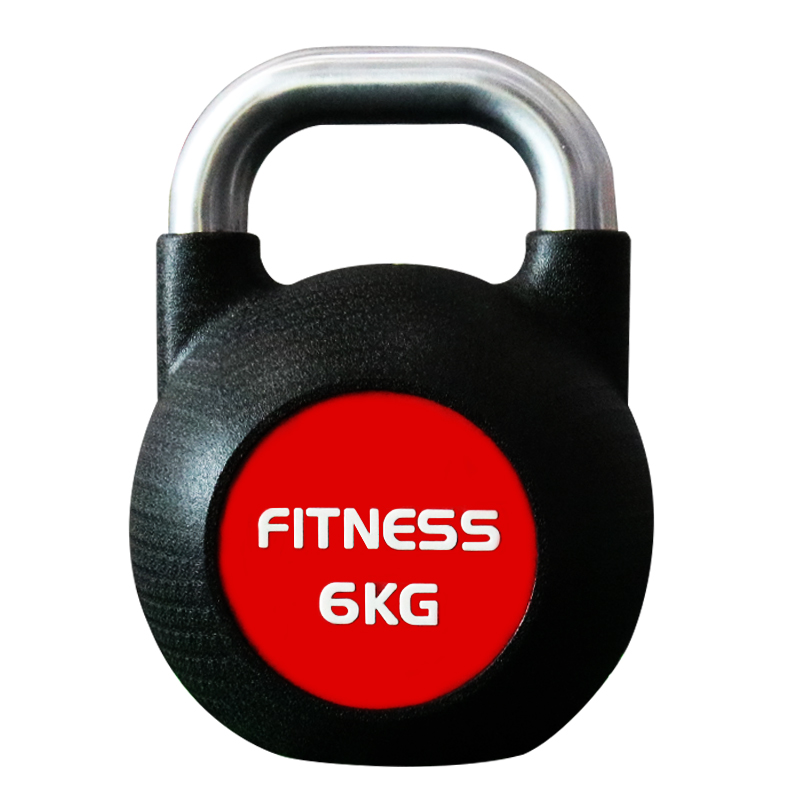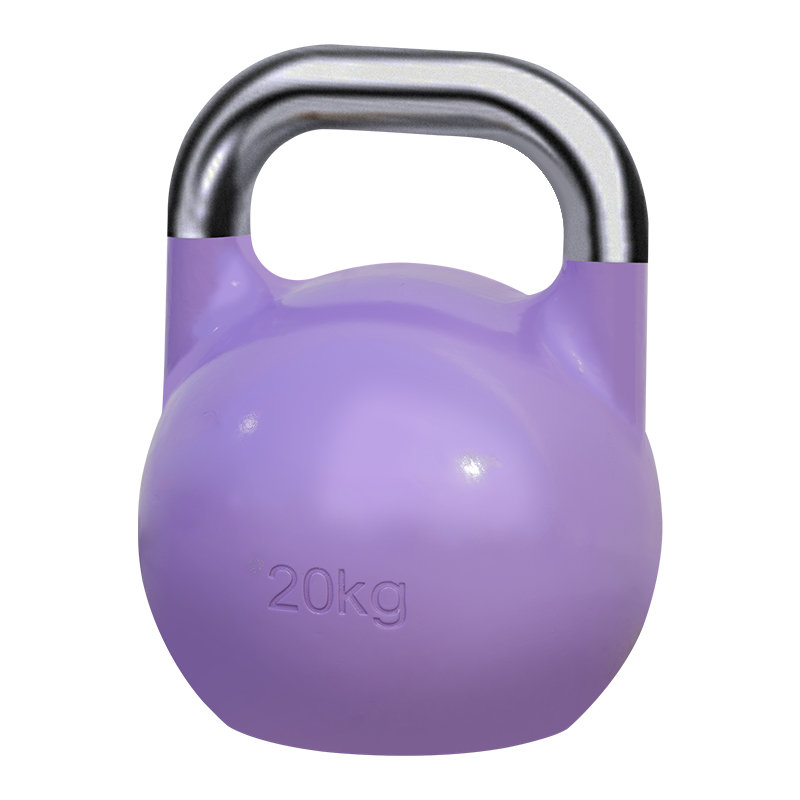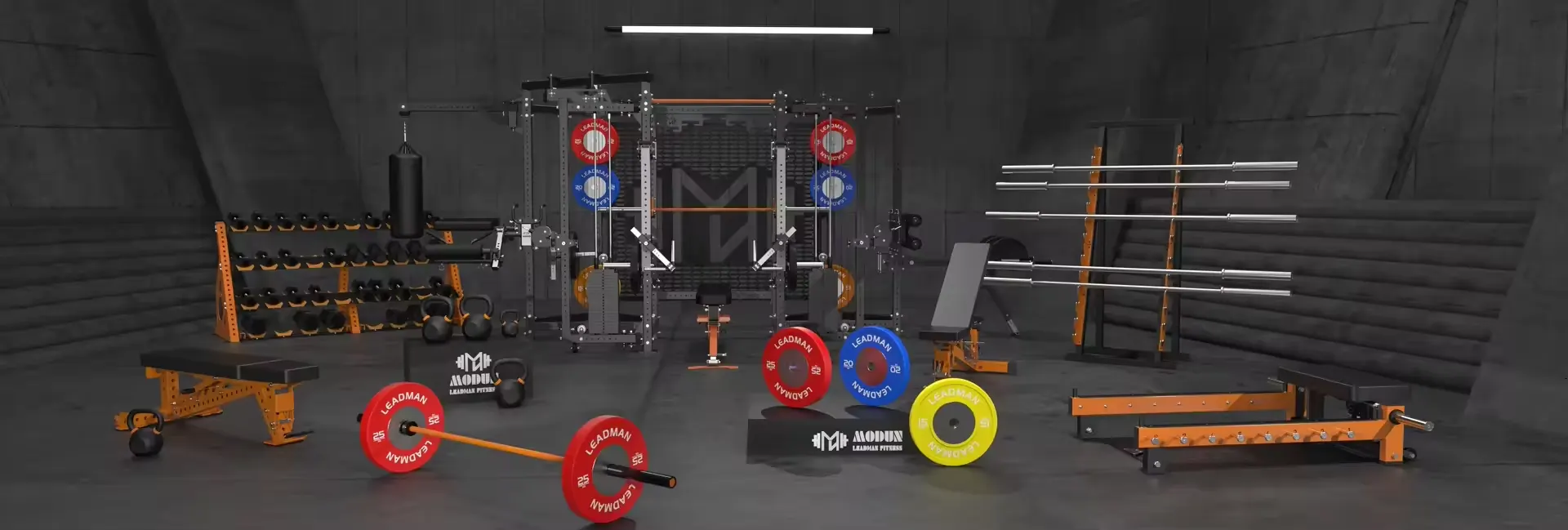
Gym dumbbell manufacturers occupy a distinct segment within the commercial fitness industry, where the demands of material durability, weight precision, and ergonomic design converge to define long-term asset value. Unlike barbells or plate-loading systems, dumbbells endure daily handling by a diverse member population, subjecting handles to abrasive sweat exposure and heads to repeated impacts on racks, benches, and floors. This operational reality places extraordinary emphasis on manufacturing processes—from forging and finishing to weight tolerance and handle texture—that collectively determine the equipment's service life, member satisfaction, and facility safety performance.
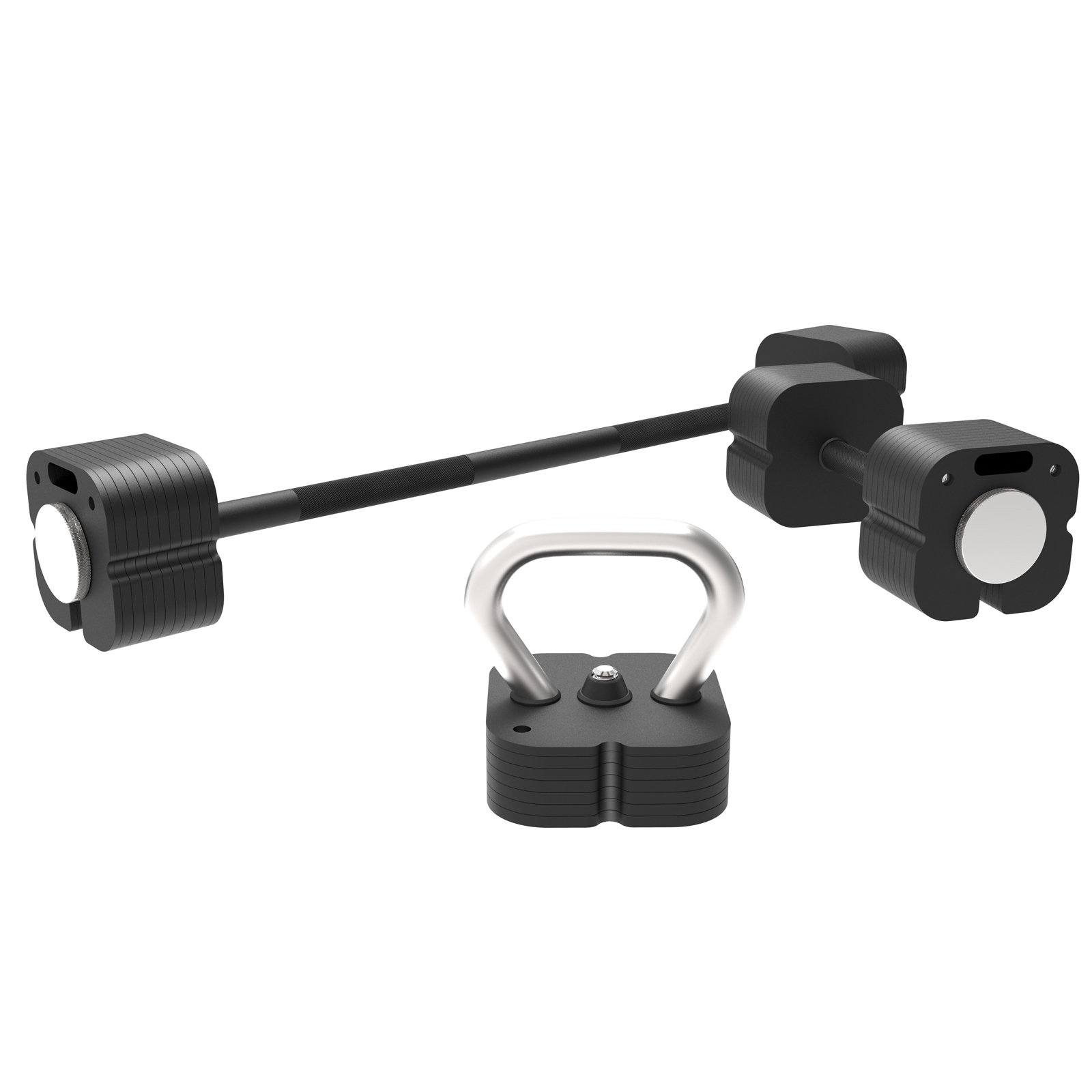
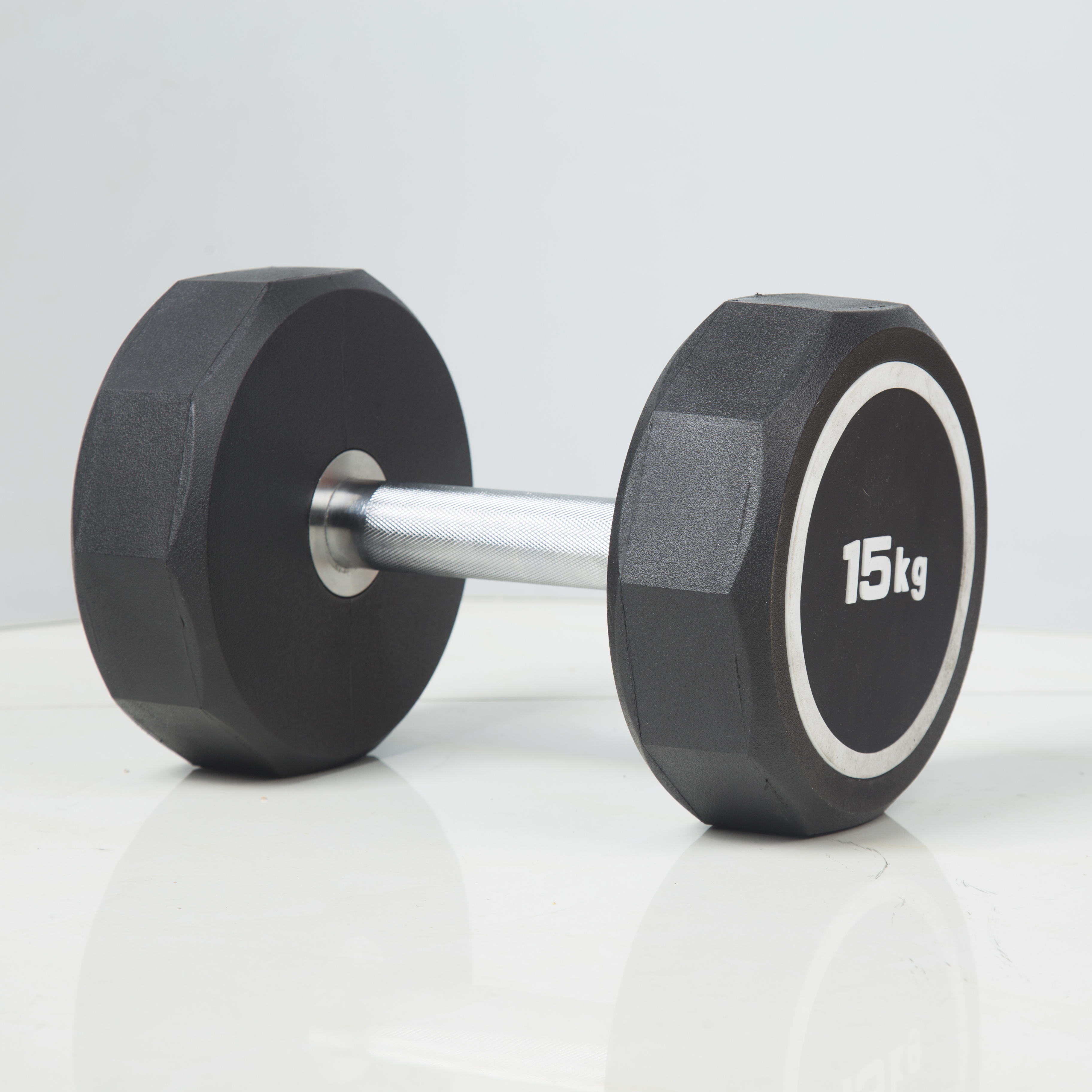
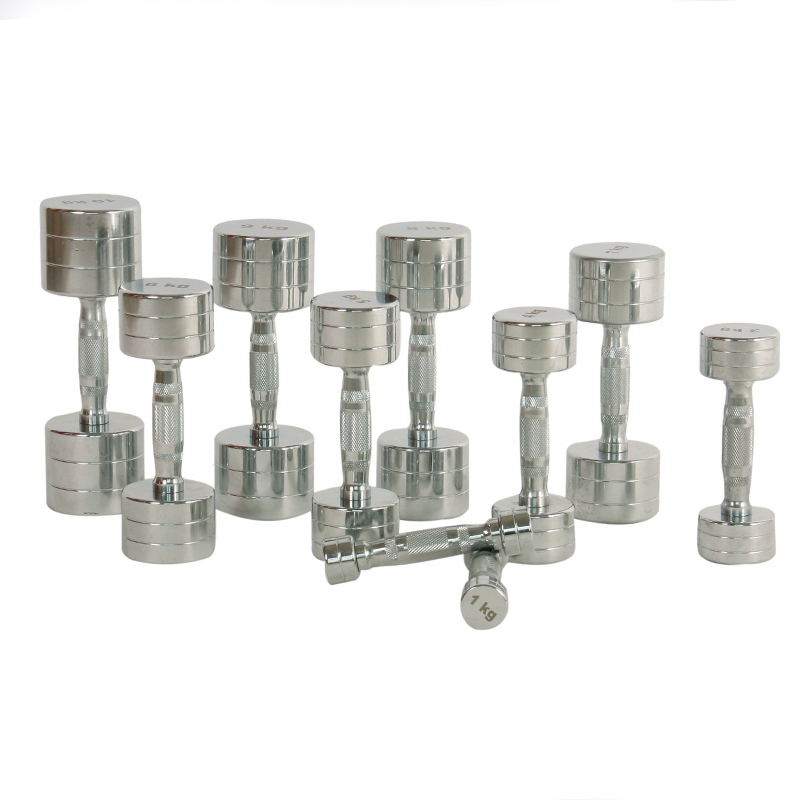
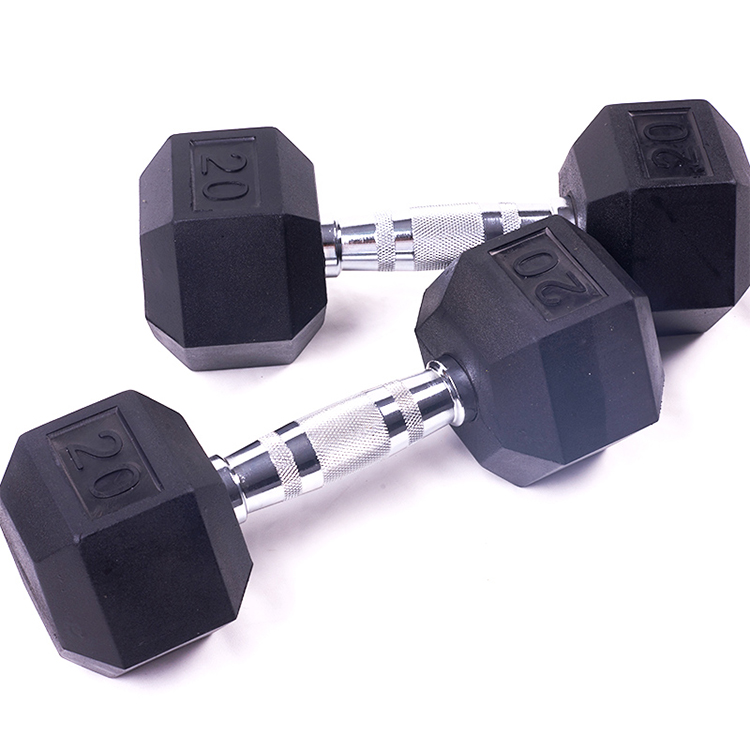
A sophisticated gym dumbbell manufacturer typically operates across multiple product architectures: premium lines feature solid cast iron or steel heads with chrome-plated, knurled handles, while commercial-grade options utilise urethane or rubber-encased hexagonal designs that dampen noise and protect flooring. The manufacturing progression begins with molten iron or steel, poured into permanent moulds achieving precise head geometry and weight distribution. Handle construction demands separate attention—high-quality manufacturers employ carbon steel bar stock, precision knurling at 1.2–1.5mm pitch, and hard chrome or nickel-zinc plating that resists corrosion and maintains secure grip under perspiration.
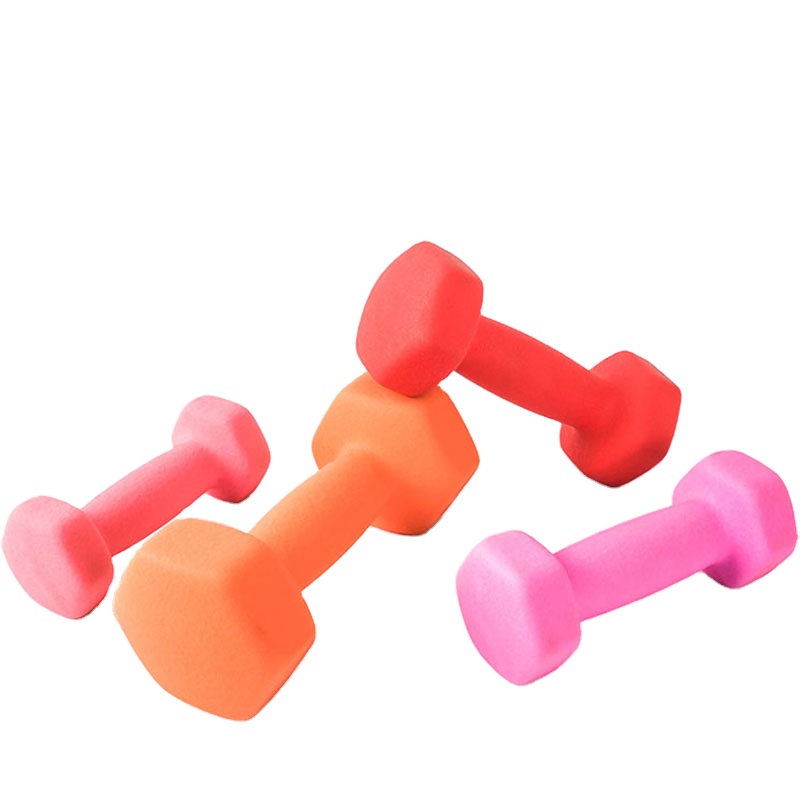
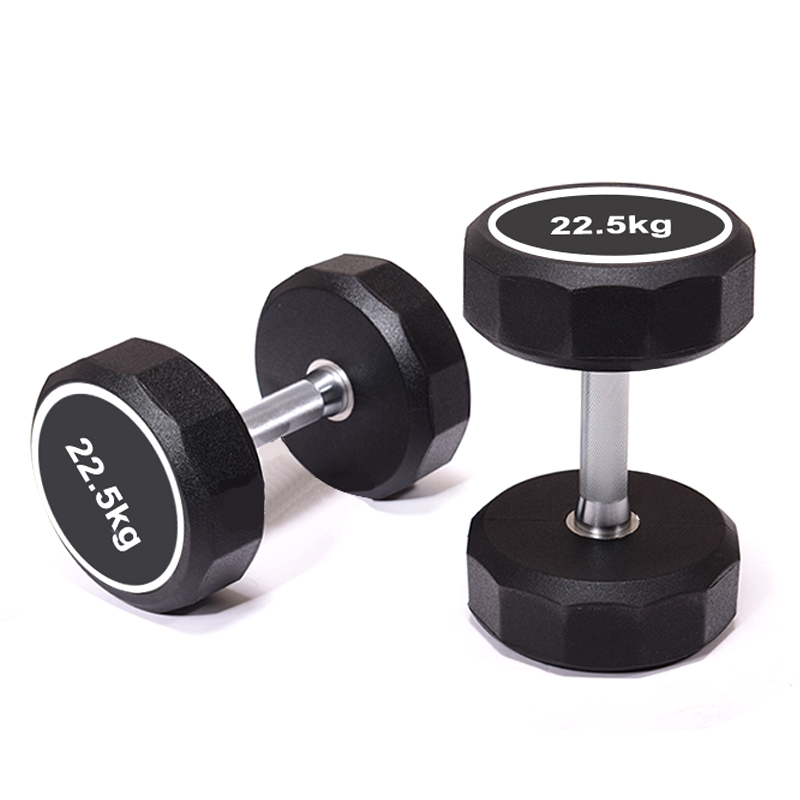
Weight accuracy represents the critical quality index for gym dumbbells manufacturers, with industry benchmarks requiring ±2% tolerance for general fitness lines and ±0.5% for calibrated competition series. Leading manufacturers achieve this precision through automated boring and balancing stations that remove excess material from head interiors, followed by laser-certified verification that assigns actual weight to each unit. In commercial practice, facilities that invest in precision-matched pairs enable members to execute symmetrical training without biomechanical compensation, reducing injury risk and improving progression tracking. Additionally, urethane-encased designs with colour-coded end caps simplify equipment identification and reinforce brand visual identity.
Beyond manufacturing fundamentals, procurement decisions increasingly incorporate lifecycle costing and sustainability criteria. Durable gym dumbbells with reinforced handle-weld interfaces endure 8–12 years under high-traffic conditions, outperforming rubberised alternatives prone to odour development or chunking. Manufacturers that implement automated painting lines with powder coating application (60–80µ thickness) and advanced polymer moulding reduce per-unit labour variance while achieving consistent aesthetic finish. As facility operators embrace circular economy principles, suppliers providing refurbishment services—recoating heads, replacing grips, recalibrating weights—create a closed-loop value proposition that enhances ROI. This alignment of quality, precision, and sustainability positions differentiated gym dumbbell manufacturers as partners in operational excellence rather than mere equipment suppliers.
Let our experts design the perfect gym solution for your business. Get a free consultation and quote today.