

Optimizing Performance and Longevity of Gym Weight Plates Rubber
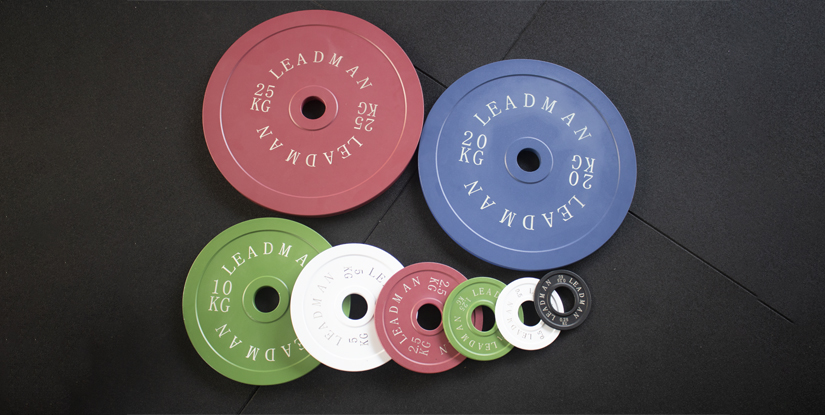
The Impact of Material Integrity on Gym Weight Plates Rubber Selection
Commercial facility managers and high-performance training centers often encounter a frustrating pattern: weight plates that appear durable on the surface but suffer from premature degradation, cracking, or surface shedding. This is rarely a matter of heavy usage alone, but rather a fundamental failure in the selection of high-quality Gym Weight Plates Rubber and the underlying casting processes. When a facility invests in equipment, the goal is to minimize the total cost of ownership, which is directly tied to how well the rubber coating withstands impact, temperature fluctuations, and chemical exposure from cleaning agents.
A common failure mode occurs when low-grade, highly recycled rubber content is used without sufficient binding agents. Under the high-impact conditions of a functional training environment, these plates often exhibit 'crumbling' edges or a loss of dimensional accuracy. To prevent this, operators must look beyond the aesthetic finish and evaluate the density and bonding strength of the material. Understanding these technical nuances allows for a more strategic procurement process, ensuring that the equipment remains a reliable asset rather than a recurring maintenance expense. This technical understanding sets the stage for evaluating specific coating types and their intended use cases.
Analyzing Rubber Coating Types and Mechanical Properties
Moving from the fundamental problem of material selection, we must examine the specific engineering differences between the various coatings used in modern weight plates. Not all rubber is created equal; the distinction between virgin rubber, recycled rubber, and synthetic elastomers determines the lifespan of the plate under high-frequency impact.
Technical Comparison of Common Coating Formulations
| Coating Type | Material Composition | Primary Advantage | Typical Failure Mode |
|---|---|---|---|
| Virgin Rubber | High-purity natural/synthetic elastomers | Superior elasticity and impact absorption | Higher initial procurement cost |
| Recycled Rubber | Regrind from processed tires/industrial waste | Cost-effective and eco-friendly | Potential for surface shedding and odor |
| Hybrid/Composite | Mixed rubber with polymer additives | Balanced durability and cost-efficiency | Variable consistency in batch quality |
When selecting equipment, a key decision criterion is the ratio of virgin to recycled content. High-performance environments typically demand a higher concentration of virgin rubber to ensure the Gym Weight Plates Rubber coating does not undergo thermal degradation during summer months or in unconditioned facilities. A common mistake is prioritizing the lowest bid without auditing the material specification sheet for density and shore hardness values. By analyzing these mechanical properties, an operator can better predict how a plate will respond to the high-decibel impact of heavy lifting. This leads directly into the critical need for assessing the thickness and adhesion of the bond between the rubber and the inner core.
Evaluating Core-to-Coating Adhesion and Dimensional Tolerances
Even the highest quality rubber will fail if the bond to the internal metal or high-density polymer core is weak. A frequent complaint in professional settings is the 'peeling' effect, where the rubber coating begins to separate from the center hub. This is almost always caused by improper heat-curing processes during manufacturing or the use of incompatible bonding agents. If the expansion coefficients of the core and the coating are significantly different, temperature shifts within the gym will inevitably lead to structural failure.
The Checklist for Verifying Plate Precision
To ensure your inventory meets professional standards, use the following verification steps during the receiving process:
- Visual Inspection: Check for any micro-cracks or separations at the interface where the rubber meets the central metal ring.
- Tolerance Testing: Use a calibrated caliper to measure the thickness of the rubber coating at multiple points; deviations should not exceed ±2% of the specified thickness.
- The Sound Test: Strike the plate lightly with a mallet; a hollow or 'tinny' sound can indicate internal delamination or air pockets within the coating.
- Weight Verification: Weigh a sample of plates from the same batch to ensure the mass-to-thickness ratio is consistent across the entire shipment.
Maintaining these standards during the initial inspection phase prevents the long-term headache of uneven weights and unbalanced barbells. Once the plates are verified and integrated into the facility, the focus shifts from procurement to the rigorous standards of daily operational care.
Explore the complete technical specifications:
Optimizing Surface Integrity Through Proper Cleaning Protocols
Once high-quality Gym Weight Plates Rubber are in active use, the durability of the surface depends heavily on the facility's sanitation protocols. A pervasive issue in commercial gyms is the use of aggressive, petroleum-based cleaners or highly acidic solutions that inadvertently strip the essential oils and plasticizers from the rubber coating. Over time, this leads to the rubber becoming brittle, losing its shock-absorption properties, and eventually cracking.
Standardized Cleaning Hierarchy
To preserve the integrity of the coating, operators should adhere to a strict, non-destructive cleaning regimen. The goal is to remove perspiration and skin oils without compromising the chemical structure of the elastomer. Below is a recommended maintenance hierarchy:
| Step | Action | Approved Tools/Solutions | Frequency |
|---|---|---|---|
| 1. Pre-Cleaning | Dry wipe with microfibers to remove loose debris and grit. | Dry, lint-free cloth. | Daily/Post-use |
| 2. Surface Sanitization | Wipe with a damp cloth using pH-neutral cleaning agents. | Water and mild, non-abrasive soap. | Weekly or as needed |
| 3. Deep Maintenance | Full surface inspection for cracks or buildup of oils. | Soft brush and specialized rubber cleaner. | Quarterly |
A critical mistake made by many maintenance teams is the excessive use of high-pressure sprayers or steam cleaners. While effective for flooring, these methods can force moisture into the core-to-coating interface, leading to oxidation of the internal metal structure. By implementing these standardized cleaning protocols, a facility can significantly extend the aesthetic and functional life of their weight plates. This longevity is not just about appearance; it is about maintaining the safety and reliability of the training environment.
Explore the complete technical specifications:
Environmental Factors and Material Stability
The environment in which Gym Weight Plates Rubber are stored and used plays a significant role in their long-term structural stability. Fluctuations in ambient temperature and humidity can cause different rates of expansion and contraction between the rubber layer and the internal weight core. In facilities with poor climate control, the constant thermal cycling can exacerbate any minor manufacturing defects in the adhesion process.
Environmental Risk Assessment
Facility managers should monitor the following environmental parameters to prevent premature aging:
- Thermal Stability: Avoid storing plates in areas where temperatures fluctuate wildly (e.g., near uninsulated external walls or loading docks).
- UV Exposure: Direct sunlight can accelerate the oxidation of certain synthetic elastomers, leading to surface chalking or discoloration.
- Moisture Management: High humidity environments must ensure that the internal metal cores are adequately protected by a thick, continuous rubber seal to prevent internal rust.
By understanding the relationship between environment and material science, a facility can implement better storage solutions that mitigate these risks. This proactive approach to environmental control is closely linked to the broader understanding of how to identify and fix equipment wear through troubleshooting.
Explore the complete technical specifications:
Troubleshooting Common Issues: From Odor to Dimensional Drift
Despite best practices, equipment will eventually show signs of wear. Distinguishing between normal aging and a fundamental material defect is essential for making informed decisions about replacement cycles. A frequent problem reported by operators is a persistent, acrid odor emanating from the weight plates. This is often an indicator of low-quality recycled rubber that was not properly 'off-gassed' during the manufacturing process, which can be particularly problematic in smaller, poorly ventilated training studios.
Diagnosing Surface and Structural Failures
When an issue is identified, use the following diagnostic logic to determine if the plate is a candidate for replacement or can be salvaged through maintenance:
- Surface Chalk Buildup: If the rubber feels tacky or sticky, it is likely a buildup of skin oils and chalk. Fix: Clean with a pH-neutral solution and a soft brush. Verify: Surface should return to a matte, smooth texture.
- Edge Chipping: If small pieces of rubber are breaking off the edges. Cause: Impact on hard surfaces or low-quality binding agents. Fix: If minor, monitor; if accelerating, replace the plate to prevent core exposure.
- Weight Drift: If the plate no longer matches its labeled weight due to material loss. Cause: Severe erosion or manufacturing error. Fix: Non-repairable; the plate must be removed from service to maintain barbell balance.
Understanding these failure modes allows staff to act decisively, preventing minor issues from becoming safety hazards. As we conclude this guide, it is important to recognize that the lifecycle of your equipment is a direct reflection of both the initial material quality and the diligence of your operational protocols.
Explore the complete technical specifications:
Strategic Procurement: A Long-Term ROI Perspective
In the final analysis, the purchase of Gym Weight Plates Rubber should be viewed through the lens of long-term operational expenditure (OpEx) rather than immediate capital expenditure (CapEx). While premium-grade plates with higher virgin rubber content may carry a 15-25% price premium, the extended replacement interval and reduced maintenance requirements often result in a much lower total cost of ownership over a five-year period.
A professional procurement strategy involves requesting detailed material breakdowns and testing certifications from suppliers. Don't settle for generic descriptions; demand clarity on rubber density, shore hardness, and the specific chemistry of the binding agents. By prioritizing technical specifications over the lowest unit price, you ensure that your facility remains a high-performance environment capable of withstanding the rigors of modern strength training. This strategic approach is the foundation of a successful, low-maintenance training facility.