

Optimizing Performance and Longevity of Pu Bumper Plates
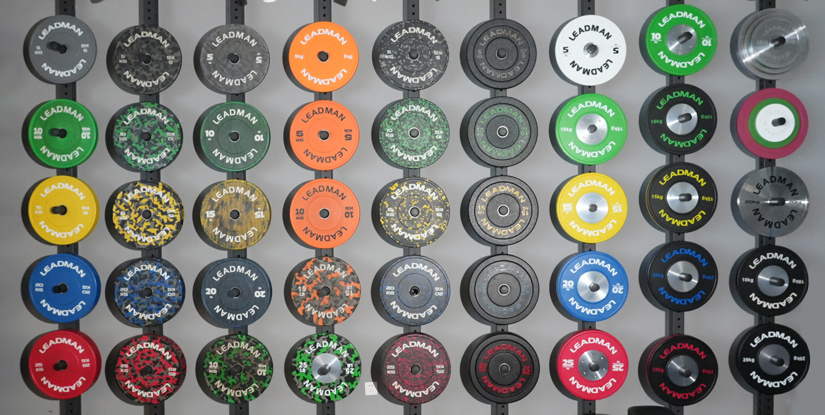
The Durability Myth of Polyurethane Coating
Many facility managers operate under the misconception that all rubberized weight plates are created equal. There is a prevalent belief that high-density rubber is the gold standard for impact resistance, yet this often ignores the long-term degradation caused by environmental exposure and repeated high-velocity drops. In reality, the distinction between standard rubber and high-grade polyurethane, or Pu Bumper Plates, is foundational to the lifecycle of your strength equipment.
While rubber plates often suffer from oxidation, cracking, and 'blooming' (a white powdery residue), high-quality polyurethane offers a chemically stable alternative. The primary cause of premature failure in standard plates is often the lack of a specialized coating to protect the inner core from UV rays and moisture. By transitioning to a polyurethane-encapsulated design, operators solve the problem of surface degradation before it begins. A professional approach requires verifying the thickness and uniformity of this coating during the procurement phase to ensure consistent density across all weight increments.
Understanding these material properties is the first step toward long-term asset management, which leads directly into the technical specifics of how these plates are actually constructed.
Structural Composition and Density Variations
Building upon the understanding of material stability, we must examine the internal architecture that defines the performance of Pu Bumper Plates. A high-performance plate is not a single monolithic block of plastic; rather, it is a sophisticated assembly of a high-density core encased in a resilient polymer shell.
The Core and Shell Relationship
The internal core provides the mass, while the polyurethane shell provides the shock absorption and surface integrity. A common failure mode in lower-tier equipment is a mismatch between the expansion coefficient of the core and the shell, which leads to delamination after repeated drops. To prevent this, operators should look for plates that utilize a seamless injection process rather than simple glue-on coatings. This ensures that the shock of a heavy lift is distributed evenly through the entire circumference of the plate.
| Feature | Standard Rubber Bumper | Premium Polyurethane Bumper |
|---|---|---|
| Surface Resilience | High risk of cracking/abrasion | Excellent resistance to impact |
| Environmental Stability | Degrades under UV and heat | UV stable and moisture resistant |
| Weight Tolerance | Higher variance in weight per plate | Strict adherence to weight tolerances |
| Cleanability | Difficult (porous texture) | Easy (non-porous surface) |
By evaluating the relationship between the core and the shell, procurement officers can avoid the high replacement costs associated with delaminated equipment. This structural integrity is what enables the next critical phase: the precise calibration of weight tolerances.
Verifying Weight Tolerance and Calibration Standards
Because the density of polyurethane can vary slightly depending on the manufacturing process, rigorous verification of weight tolerances is essential for competitive lifting environments. A common mistake is assuming that a 25kg plate is exactly 25kg; in many commercial settings, a variance of even 1-2% can disrupt the balance of a barbell during high-speed movements.
To ensure your facility maintains high standards, implement a regular calibration check using a digital scale. Professional-grade Pu Bumper Plates should maintain a tolerance within a specific range (typically +/- 1% to 3% depending on the weight class). If you notice a significant discrepancy between your lighter and heavier plates, it may indicate a batch-level manufacturing defect or localized material compression.
- Step 1: Weigh 5 random plates from a single shipment.
- Step 2: Compare the actual weight against the labeled mass.
- Step 3: Calculate the percentage of deviation for each plate.
- Step 4: If the average deviation exceeds 3%, flag the batch for inspection.
Maintaining this level of precision ensures that athletes remain consistent in their training, but even the best-calibrated plates require a specific maintenance cadence to prevent surface wear.
Explore the complete technical specifications:
Operational Maintenance and Surface Care Protocols
Once the plates are integrated into your facility, the focus shifts from procurement verification to daily operational maintenance. A common problem in high-traffic gyms is the buildup of sweat, chalk, and skin oils, which can, over time, affect the grip and aesthetics of the polyurethane surface.
Unlike traditional rubber, which can become brittle, the polyurethane shell is relatively easy to maintain, provided the correct cleaning agents are used. Using harsh solvents or abrasive brushes can actually micro-scratch the surface, leading to a dull finish and reduced durability. Instead, follow a standardized cleaning protocol to preserve the professional appearance and tactile quality of the plates.
Standardized Cleaning Checklist
- Daily: Wipe down surfaces with a damp, lint-free microfiber cloth to remove loose chalk.
- Weekly: Use a mild, pH-neutral detergent to remove accumulated oils and sweat.
- Monthly: Conduct a visual inspection for any signs of 'bubbling' or edge chipping.
- Quarterly: Inspect the center hole (hub) for any signs of deformation or widening.
Consistent adherence to these protocols prevents the gradual degradation of the plate's aesthetic and functional value. However, even with meticulous cleaning, physical wear and tear are inevitable, requiring a proactive approach to safety inspections.
Explore the complete technical specifications:
Identifying and Mitigating Impact-Related Wear
As a facility manager, you must be able to differentiate between normal aesthetic aging and structural failure. The primary goal of using Pu Bumper Plates is to mitigate impact, but repeated drops from extreme heights can still cause issues if the facility's flooring is not properly calibrated.
A common failure mode is 'edge chipping,' where the corner of the plate begins to fracture. This is often caused by dropping the weight at an angle rather than flat, or by using a lifting platform that has become too hard or non-compliant over time. If you notice chipping, it is a signal to either inspect your weightlifting platforms or to review athlete technique training, as constant angled drops will eventually compromise the structural integrity of the plate's circumference.
| Issue Type | Visual Indicator | Potential Cause | Action Required |
|---|---|---|---|
| Edge Chipping | Small fragments missing from edges | Improper drop angles/Hard floor | Inspect platform/Review technique |
| Hub Widening | Center hole feels loose on barbell | Excessive use/Low-quality core | Replace plate/Check barbell diameter |
| Surface Bubbling | Small raised areas on the shell | Material delamination | Retire plate from heavy use |
Recognizing these subtle signs of distress allows for preemptive replacement, ensuring that a minor issue does not turn into a safety hazard. This vigilance is particularly important when transitioning to high-intensity training environments.
Explore the complete technical specifications:
Safety Protocols for High-Volume Lifting Environments
Effective management of Pu Bumper Plates requires a comprehensive understanding of the safety implications involved in high-volume lifting. While the polyurethane shell provides significant protection, the kinetic energy of a dropped barbell remains a constant variable that must be managed through proper setup and layout.
One critical mistake in facility layout is failing to account for the 'bounce' or rebound of the plates. While polyurethane is highly resilient, the rebound height can vary based on the weight of the plate and the surface it hits. In a professional setting, you must ensure that weightlifting platforms are sized appropriately to contain the footprint of the rebound. A failure to do so can result in plates bouncing into walkways or interfering with other athletes.
The 'Safe-Drop' Setup Protocol
To minimize risk, operators should implement a standardized setup for heavy lifting zones:
- Buffer Zones: Maintain at least a 1.5-meter clear zone around all lifting platforms.
- Platform Integrity: Ensure lifting platforms are level and free of cracks that could cause uneven rebounds.
- Barbell Alignment: Instruct athletes to ensure the barbell is centered on the platform to prevent off-center drops.
- Visual Cues: Use floor markings to delineate 'High-Impact Zones' for athletes and general members.
By establishing these boundaries, you move from reacting to accidents to preventing them through environmental control. This structural approach to safety is the final component of a professional equipment management strategy.
Explore the complete technical specifications:
Evaluating Long-Term ROI and Replacement Cycles
The final stage of professional equipment management is the transition from operational oversight to financial evaluation. When purchasing Pu Bumper Plates, the initial price point is often higher than standard rubber alternatives, but the return on investment (ROI) is realized through extended lifespans and reduced replacement frequency.
To calculate the true value, facility operators should look beyond the acquisition cost and analyze the 'cost-per-use' over a three-to-five-year period. A cheaper rubber plate that requires replacement every 18 months due to surface cracking actually represents a higher long-term expense than a premium polyurethane plate that lasts for the full five-year cycle. This includes not just the cost of the equipment, but the labor costs associated with the frequent disposal and re-ordering processes.
ROI Calculation Factors
- Acquisition Cost: The upfront investment per unit.
- Expected Lifespan: The years of viable use under standard commercial traffic.
- Maintenance Overhead: The labor/materials required for cleaning and inspection.
- Replacement Frequency: How often the inventory must be refreshed to maintain standards.
Ultimately, the choice of equipment is a decision between a low-entry cost and a high-performance standard. By applying these rigorous technical and financial criteria, you ensure your facility remains a high-quality environment for professional athletes.