

Optimizing Performance with Hercules Bumper Plates: A Technical Guide
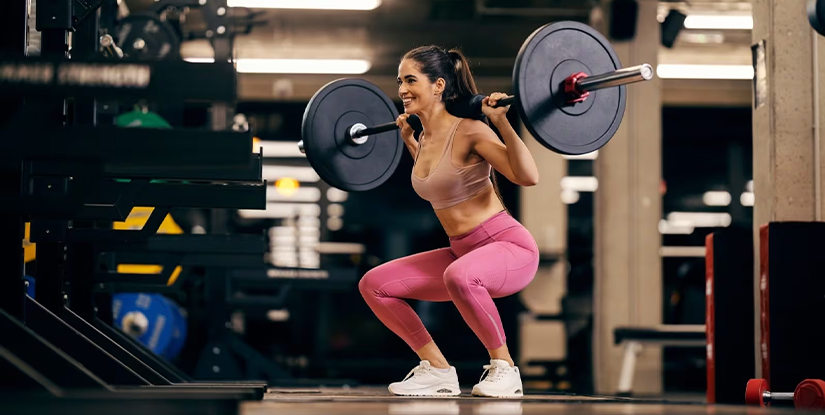
Heavy lifting environments demand equipment that maintains structural integrity under repetitive high-impact stress. A common frustration for facility managers is the premature degradation of weight plates, manifesting as surface chipping, dimensional instability, or uneven density. These issues are rarely isolated incidents but are often the direct result of improper material selection or inadequate maintenance protocols. Understanding the technical nuances of Hercules Bumper Plates can help operators mitigate these risks, ensuring both safety and longevity in high-performance training settings.
Structural Integrity and Material Composition Standards
When evaluating high-impact training equipment, the fundamental cause of failure is often a mismatch between the material's density and the intended usage frequency. Low-quality rubberized composites tend to suffer from internal delamination when subjected to constant drop cycles. In contrast, professional-grade construction focuses on a high-density virgin rubber or high-grade polyurethane core that maintains a consistent bounce coefficient.
Identifying Quality Through Density Profiles
A common mistake in procurement is prioritizing visual uniformity over density consistency. High-quality plates should exhibit a uniform weight distribution across the entire surface area to prevent uneven loading on the barbell. If a plate displays significant bulging or an irregular circumference, it is a sign of poor compression molding during the manufacturing phase.
| Feature | Low-Grade Composite | High-Performance Hercules Bumper Plates |
|---|---|---|
| Material Core | Recycled Rubber/Filler | High-Density Virgin Rubber |
| Bounce Control | High/Erratic | Controlled/Predictable |
| Edge Durability | Frequent Chipping | Reinforced Impact Zones |
| Dimensional Tolerance | Variable | Strictly Controlled |
Recognizing these material distinctions is the first step in securing a long-term asset for your facility. Once the material quality is established, the focus must shift to the physical tolerances of the center sleeve to ensure seamless barbell integration.
Precision Tolerances and Center Hole Diameter
A frequent operational pain point involves plates that do not fit standard Olympic barbells or, conversely, plates that slide too loosely, causing uneven weight distribution during a lift. This is typically caused by inconsistent casting processes that fail to meet strict diameter tolerances. For optimal performance, the center sleeve must be precision-engineered to accommodate a standard 2-inch (50mm) barbell with minimal friction but zero excessive play.
The Impact of Sleeve Fitment on Barbell Longevity
If the center hole of the Hercules Bumper Plates is too tight, it can create unnecessary friction, leading to premature wear on the barbell's bushings or bearings. If it is too loose, the weight may shift abruptly during a lift, creating a dangerous moment of instability. Operators should verify the fitment using a standardized gauge or by checking for smooth rotational movement during a lift cycle.
- Over-tight fit: Causes barbell sleeve heat buildup and friction.
- Loose fit: Leads to uneven weight loading and erratic barbell oscillation.
- Optimal fit: Allows the barbell to rotate freely with minimal resistance.
Maintaining the correct fitment is essential for protecting both the plates and the expensive barbells they accompany. This leads directly into the necessity of a systematic inspection routine to catch wear before it causes a failure.
Explore the complete technical specifications:
Bumper Plates Per Pound: Cost Analysis, Material Tiers, and Procurement
Routine Inspection and Maintenance Protocols
Even the most durable equipment requires a structured oversight program to prevent unexpected failures. Failure to implement a regular inspection cadence often results in a 'reactive' maintenance model, where equipment is only addressed once it has already become a safety hazard. A proactive approach involves monitoring the physical condition of the plates and the integrity of the center sleeve periodically.
Standard Inspection Checklist for Facility Operators
Operators should conduct a comprehensive audit at least once per quarter, or more frequently in high-volume commercial settings. The following checklist serves as a baseline for determining if a plate is still fit for service:
| Inspection Point | What to Look For | Action Required if Failed |
|---|---|---|
| Surface Integrity | Cracks, deep gouges, or peeling coating | Replace plate immediately to prevent debris |
| Center Sleeve | Deformation, burrs, or diameter change | Check barbell compatibility and sleeve wear |
| Weight Consistency | Significant weight deviation (±3% or more) | Recalibrate or replace for precision training |
| Odor/Outgassing | Strong chemical scent in a ventilated area | Evaluate ventilation and material quality |
By following this checklist, operators can move from guesswork to empirical verification of their equipment's health. Once the inspection results are documented, the next critical step is ensuring proper storage to prevent environmental degradation.
Explore the complete technical specifications:
Cluster Bumper Plates: Durable Urethane Plates for Olympic Lifting
Environmental Management and Storage Best Practices
A common cause of premature plate aging is improper storage, particularly in facilities where temperature and humidity fluctuate. While Hercules Bumper Plates are designed for heavy usage, they are not immune to the long-term effects of extreme environmental conditions. Exposure to direct sunlight or unventilated, high-heat areas can lead to material hardening or surface discoloration.
Mitigating Material Degradation in Variable Climates
UV exposure is a primary culprit for the breakdown of rubber polymers. Over time, UV rays can strip the essential oils from the rubber, resulting in a brittle surface that is prone to cracking. To prevent this, plates should be stored in a shaded, climate-controlled environment whenever they are not in active use.
Furthermore, improper stacking can cause deformation. If heavy plates are stacked vertically for extended periods without support, the bottom plates may experience compressive deformation. It is best practice to use specialized weight trees or horizontal racks designed to distribute the load effectively. Key Storage Parameter: Avoid storage in areas where temperatures exceed 35°C (95°F) consistently, as this can accelerate polymer breakdown.
Ensuring the environment remains stable is a vital part of a total equipment management strategy. This structural care is the foundation for the following phase: identifying and resolving performance issues during actual training sessions.
Explore the complete technical specifications:
45 lb Rubber Bumper Plates | 450mm Diameter Weight Plates for Deadlifts
Troubleshooting Common Performance Anomalies
Despite rigorous maintenance, operators may encounter performance issues that seem inexplicable. These anomalies—such as unexpected bounce or uneven weight sensation—usually stem from either external environmental factors or subtle changes in the equipment's internal structure. Understanding the 'why' behind these issues allows for faster, more accurate resolution.
Analyzing Bounce and Oscillation Deviations
If a set of plates begins to exhibit an inconsistent bounce pattern, it is rarely a result of a single drop. Instead, it is often a cumulative effect of high-velocity impacts on a hard, non-compliant surface. A hard concrete floor provides zero shock absorption, forcing the plate to absorb all the kinetic energy, which can eventually alter the internal density of the rubber.
- Problem: One plate bounces higher than its pair.
- Cause: Internal density shifts or surface compression.
- Fix: Inspect for surface cracks; ensure use on a high-quality lifting platform.
Addressing these anomalies immediately prevents minor issues from escalating into complete equipment failure. With troubleshooting techniques mastered, the final stage is integrating these standards into a permanent procurement and operational workflow.
Explore the complete technical specifications:
Bumper Plates Guide | Rubber & Urethane Weights for Olympic Lifting
Optimizing Floor and Platform Compatibility
A critical aspect often overlooked during the procurement of Hercules Bumper Plates is the interaction between the plate and the impact surface. Using high-quality plates on an inadequate surface can lead to a cascade of failure modes that affect both the equipment and the facility's structural integrity.
Surface Hardness vs. Impact Absorption
The level of impact absorption required depends heavily on the training modality. For example, Olympic lifting involves high-velocity drops that generate significant kinetic energy. If the landing surface is too hard (e.g., untreated concrete), the energy is reflected back into the plate, causing internal structural fatigue. If the surface is too soft, the plate may become unstable and tilt excessively during the drop.
| Surface Type | Primary Benefit | Potential Failure Mode |
|---|---|---|
| Standard Rubber Mat | Mild sound reduction | Lack of deep compression support |
| Professional Lifting Platform | Maximum shock absorption | Requires regular surface inspection |
| Bare Concrete | Zero budget/high stability | Rapid plate/barbell degradation |
Selecting the right platform is not just about protecting the floor; it is about protecting your investment in Hercules Bumper Plates. Integrating surface-specific considerations into your setup ensures long-term stability and performance.
Explore the complete technical specifications:
Laoch Bumper Plates: Virgin Rubber, Durometer 85-90 & Hub Retention
Strategic Procurement and Lifecycle Management
Effective facility management extends beyond the daily grind and into the strategic selection of long-term assets. When selecting Hercules Bumper Plates, the decision should be based on the total cost of ownership (TCO) rather than the initial purchase price. A cheaper plate that requires replacement every 18 months is significantly more expensive than a premium plate that lasts five years with proper care.
Developing a Sustainable Equipment Lifecycle
To maximize ROI, procurement teams should look for technical specifications that align with their specific training volume. A commercial strength club with 24/7 access requires much higher durability thresholds than a boutique personal training studio. Use the following criteria to guide your selection process:
- Usage Profile: Determine if the plates will undergo high-frequency dropping or more controlled movements.
- Surface Requirements: Decide if you need a high-grip finish or a smooth, low-friction surface for transitions.
- Total Load Requirement: Ensure the weight increments available match the training programs offered.
By treating the acquisition of Hercules Bumper Plates as a long-term capital investment rather than a one-time expense, operators can build more resilient and safer training environments. This disciplined approach to equipment selection, maintenance, and troubleshooting ensures that the facility remains a high-performance space for years to come.