

Optimizing Facility Branding with Personalised Weight Plates
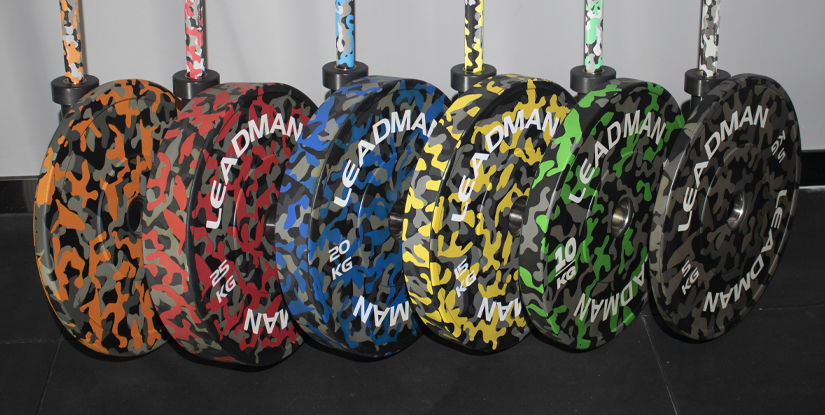
Facility managers and commercial gym owners often face a subtle but corrosive issue: the dilution of brand identity through generic equipment. While standard iron or rubber plates serve their functional purpose, they offer zero differentiation in a saturated fitness market. The transition to Personalised Weight Plates is frequently met with concerns regarding durability, manufacturing precision, and long-term maintenance costs. However, when approached as a strategic investment rather than a mere aesthetic upgrade, these custom assets become critical tools for professionalizing a training environment. This guide addresses the technical complexities of procurement, material selection, and long-term upkeep to ensure your custom branding enhances rather than complicates your operations.
Addressing Brand Dilution through Custom Equipment Specification
The primary driver for seeking custom solutions is often the desire to move away from the 'commodity' look of standard weight sets. When every commercial gym uses the same unbranded, black rubber bumpers, the facility lacks a unique visual signature. This lack of identity can result in a perceived lower value for premium memberships.
The technical problem arises when a facility attempts to implement branding without understanding the physical limitations of different casting and printing methods. For instance, applying a high-gloss logo to a high-impact bumper plate may result in rapid peeling or cracking due to the elastic nature of the material. To avoid this, operators must align their visual design with the specific material properties of the weight plate. Choosing a design that integrates with the plate's texture rather than sitting atop it ensures longevity.
By establishing a clear design-to-material compatibility standard early, operators can ensure that their brand assets remain intact through years of heavy usage. This foundational understanding of material behavior is essential before moving into the technical nuances of manufacturing tolerances.
Material Selection and Manufacturing Tolerances for Custom Plates
Moving from the concept of brand identity to the physical reality of the equipment requires a deep dive into material science. A common mistake among procurement officers is prioritizing the visual sharpness of a logo over the dimensional stability of the plate itself. If a custom plate deviates significantly from standard diameters or thicknesses, it can cause imbalances in barbell loading or damage to specialized lifting platforms.
Understanding the distinction between different base materials is the first step in successful procurement. The following table outlines the primary materials used in custom production and their operational characteristics:
| Material Type | Typical Use Case | Branding Method Advantage | Primary Operational Risk |
|---|---|---|---|
| Cast Iron | Standard lifting, high durability | Deep-etched relief branding | Dimensional variance in weight |
| Urethane (PU) | Durability-focused commercial gyms | High-resolution color printing | High cost per unit |
| Rubber (EPDM) | High-impact areas/Bumper plates | Embedded color/logo integration | Surface logo degradation |
| Steel | Compact high-density training | Laser engraving or etching | Corrosion if coating is thin |
When evaluating a supplier, you must request a specification sheet that details the acceptable margin of error for both weight and diameter. For example, high-end commercial-grade plates should ideally maintain a weight tolerance within a very narrow range to ensure consistent training. Establishing these parameters ensures that your custom order meets the professional standards required for high-performance environments. Once the materials and tolerances are established, the focus must shift to the physical integration of the brand onto the equipment.
Explore the complete technical specifications:
Weight Plates Manufacturers: Global Sourcing, Quality & Cost Guide
Technical Implementation of Branding on Weight Plates
Once the material base is selected, the mechanism of branding application becomes the central technical challenge. There are three primary methods used in the industry: embossing, etching, and surface printing. Each method affects the structural integrity and the aesthetic longevity of the plate differently.
Embossing and Relief Casting
Embossing involves creating the logo as part of the mold itself. This is the most durable method for cast iron and high-density rubber plates because the branding is a physical part of the object's geometry. It is virtually impossible to 'wear off' a relief-etched logo. However, it lacks the color versatility of other methods. This is an ideal choice for facilities prioritizing a classic, industrial aesthetic where longevity is the paramount concern.
Surface Printing and Coating Integrity
Surface printing allows for vibrant colors and complex photographic logos. However, the failure mode here is usually 'delamination'—where the printed layer separates from the base material due to constant impact or friction. To prevent this, operators should look for processes where the ink is infused into a clear coat or where the logo is embedded beneath a protective polyurethane layer. This technical detail is a key differentiator between a premium custom plate and a cheap, decorative one.
After selecting the method that fits your brand's visual and durability needs, the next step is rigorous quality control. Verifying that the branding does not compromise the plate's utility is a critical oversight in many procurement processes.
Explore the complete technical specifications:
Rubber Bumper Weight Plates: The Definitive Commercial Guide
Quality Verification and Load-Bearing Integrity Checks
The most significant danger in using Personalised Weight Plates is a reduction in safety due to structural flaws. A poorly manufactured custom plate may have uneven density or a compromised center hole, which can lead to catastrophic failure under heavy loads. It is not enough to simply 'look good'; the equipment must perform within safety parameters.
Operators should implement a verification checklist upon the arrival of any new custom shipment. This is not merely an aesthetic check, but a functional safety audit. Use the following checklist to verify the performance of incoming custom equipment:
- Weight Deviation Test: Compare the actual weight of five random plates against the stated weight. Deviation should not exceed the supplier's stated tolerance (typically <1-2%).
- Center Hole Precision: Ensure the inner diameter is consistent across all plates to prevent 'wobble' on the barbell.
- Surface Texture Uniformity: Check that embedded logos do not create sharp edges or uneven surfaces that could snag gloves or skin.
- Impact Response: For bumper plates, perform a drop test to ensure the density remains uniform and the branding does not shatter or chip excessively upon impact.
If a batch fails these checks, it should be rejected immediately. A failure to verify these metrics can lead to long-term maintenance issues or, in extreme cases, equipment failure. Regularity in these checks, however, is only effective if paired with a dedicated maintenance protocol. Ensuring the long-term value of these assets requires a disciplined approach to upkeep.
Explore the complete technical specifications:
Custom Barbell Plates | OEM Weight Plates with Logos & Colors
Maintenance Protocols for Long-Term Brand Preservation
A common frustration for facility owners is seeing their high-cost custom plates looking 'worn out' after only six months of use. This is rarely a fault of the manufacturing itself, but rather a failure in the maintenance cycle. Standard weight plates are often treated with heavy cleaning agents or stored in environments that are hostile to customized surfaces.
The cause of premature degradation is usually chemical reaction or physical abrasion. For example, using harsh industrial degreasers on plates with printed logos can dissolve the binding agents in the ink, leading to rapid fading. Similarly, leaving metal plates in high-humidity areas without proper coating can lead to oxidation that eats through the branding. To mitigate this, implement a structured maintenance plan tailored to your specific plate materials.
| Material Type | Recommended Cleaning Agent | Storage Requirement | Avoid This Action |
|---|---|---|---|
| Cast Iron | Damp cloth with mild detergent | Dry, temperature-controlled area | Leaving in high-humidity/wet zones |
| Urethane / Rubber | Water and pH-neutral soap | Indoor, away from direct sunlight | Using abrasive scouring pads |
| Steel (Branded) | Damp microfiber cloth | Dry environment | Direct exposure to acidic cleaning chemicals |
By adhering to these cleaning and storage protocols, the facility ensures that the Personalised Weight Plates continue to project a professional image for several years. Consistent care reduces the frequency of replacement, directly improving the Return on Investment (ROI) for the custom order. As facilities evolve, maintaining this standard becomes a core part of the operational excellence required in modern fitness management.
Explore the complete technical specifications:
45 lb Rubber Bumper Plates | 450mm Diameter Weight Plates for Deadlifts
Optimizing ROI: The Economic Value of Customization
While the initial capital expenditure for custom equipment is higher than standard options, the long-term economic impact is often positive when managed correctly. The perceived value of the facility increases, which can justify higher membership tiers or premium add-on services. However, to realize this ROI, one must avoid the 'low-cost trap' of ordering unverified, low-quality custom products.
The calculation of ROI for custom equipment should include the expected lifespan of the branding versus the replacement cycle of standard plates. If a low-quality printed plate requires replacement every 12 months due to surface failure, while a high-quality embossed plate lasts 48 months, the higher upfront cost of the embossed option is the more economical choice. Facility managers should view these assets as long-term branding tools rather than short-term equipment purchases.
Explore the complete technical specifications:
Yellow Weight Plates | 15kg / 35lbs IWF Color-Coded Plates for Gyms
Long-Term Implementation Strategy and Scaling
Scaling a facility's custom equipment collection requires a phased approach rather than an all-at-once replacement. This mitigates sudden capital outflows and allows for testing the durability of different customization methods in a real-world environment. A successful strategy involves starting with high-visibility areas—such as the main lifting platforms—before expanding to peripheral training zones.
When planning a rollout, consider the following scaling parameters:
- Phase 1 (High Impact): Implement Personalised Weight Plates in heavy lifting areas using high-durability embossing to set the brand tone.
- Phase 2 (Visual Variety): Introduce color-specific or printed plates in accessory or functional training zones to add visual depth.
- Phase 3 (Consistency Check): Evaluate wear patterns across all zones to refine future procurement specifications.
In conclusion, the transition to customized weight sets is a high-stakes decision that requires a balance of aesthetic vision and technical scrutiny. By prioritizing material compatibility, rigorous quality verification, and disciplined maintenance, a facility can transform its training environment into a powerful, identifiable, and durable brand asset.