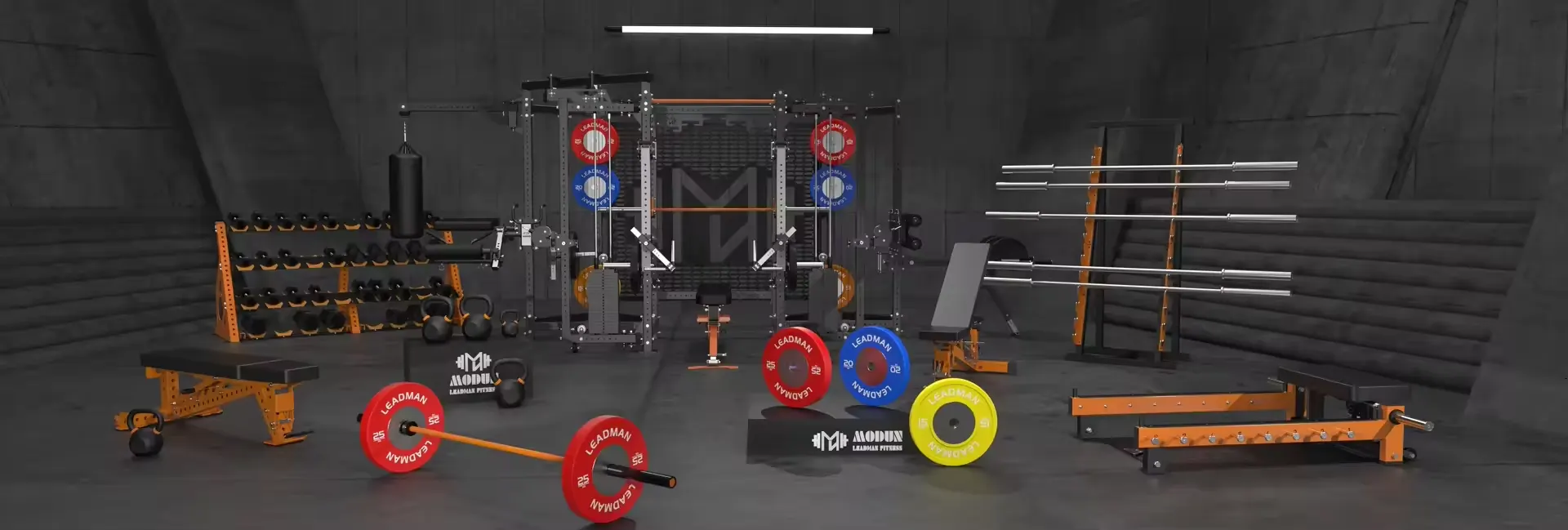
Global procurement of weight plates manufacturers requires navigating a fragmented landscape where material science, production volume, and supply chain transparency determine commercial viability. Unlike consumer goods, weight plates are capital assets subject to repeated impact, humidity exposure, and dimensional stress, demanding manufacturers that control every stage—from iron melting and alloy composition to precision machining and surface finishing. Industry data indicates that leading facilities maintain cupola or induction furnaces with spectrographic analysis to certify carbon content (3.2–3.6% in grey iron) and tensile strength (minimum 200 MPa), ensuring plates resist chipping, cracking, and hub separation under continuous commercial loading cycles exceeding 10,000 drops.
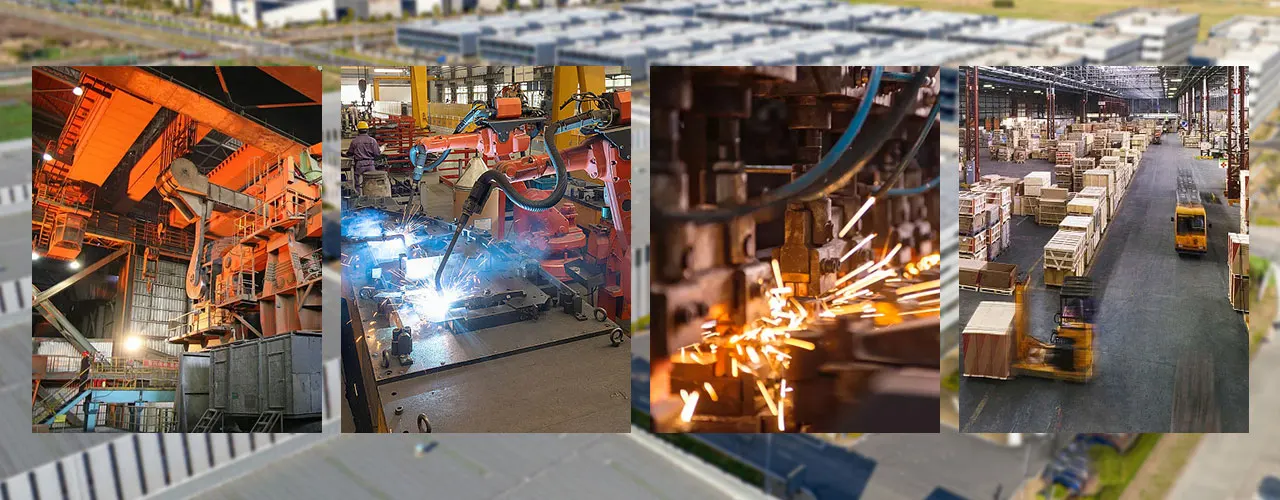
Production capability differentiates weight plates factories through four measurable dimensions: casting tolerance, machining accuracy, finishing consistency, and material traceability. Manufacturers employing automated green sand or shell moulding achieve wall thickness uniformity within ±0.5mm, eliminating visible mould lines and balance deviations. Subsequent CNC turning centres bore hub diameters to 50.4mm (+0.1/-0.0mm) for Olympic plates or 25.4mm for standard bars, with chamfered edges that protect barbell sleeves from abrasive wear. Advanced facilities implement inline laser measurement systems, rejecting plates with weight variance exceeding ±1% before they reach packaging stations.
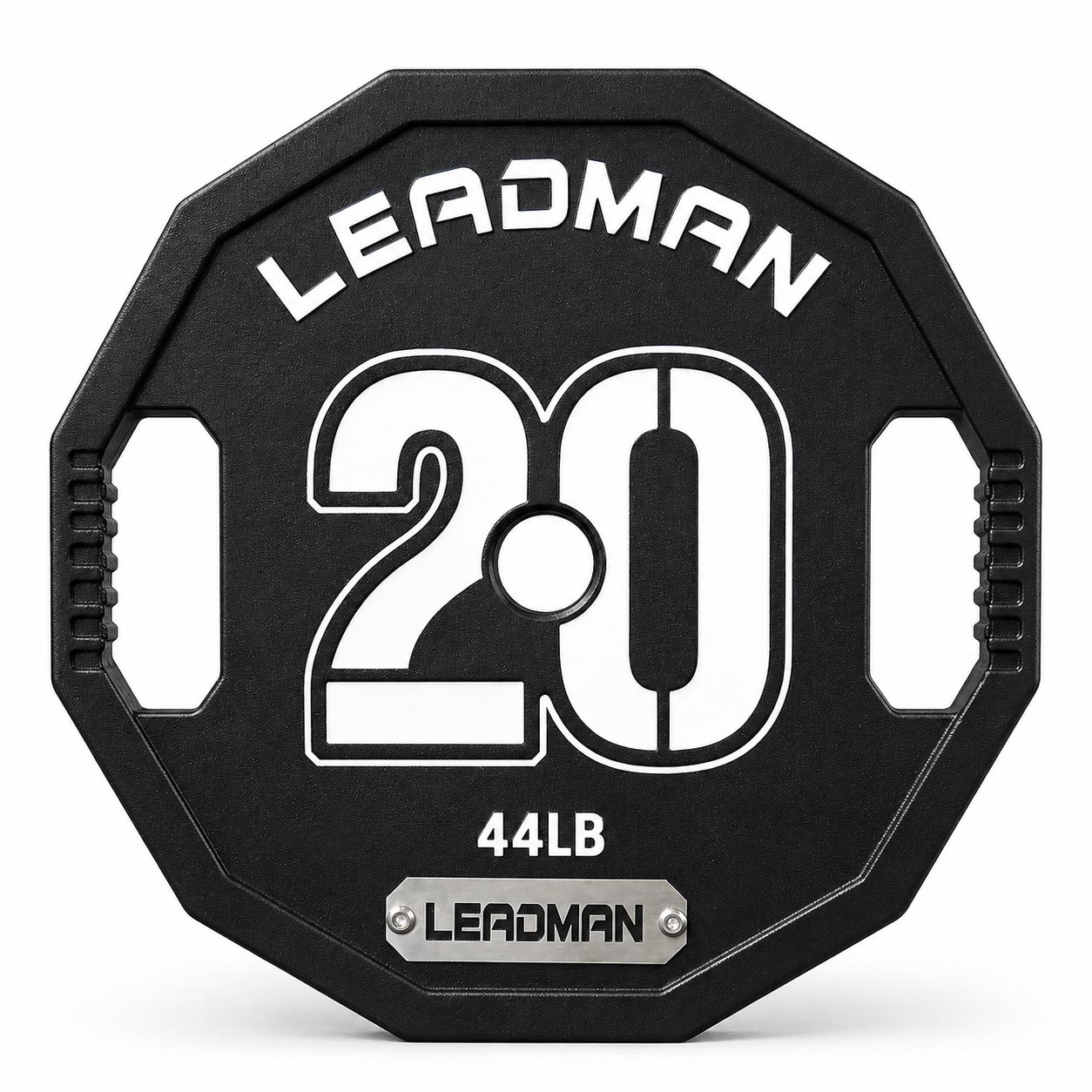
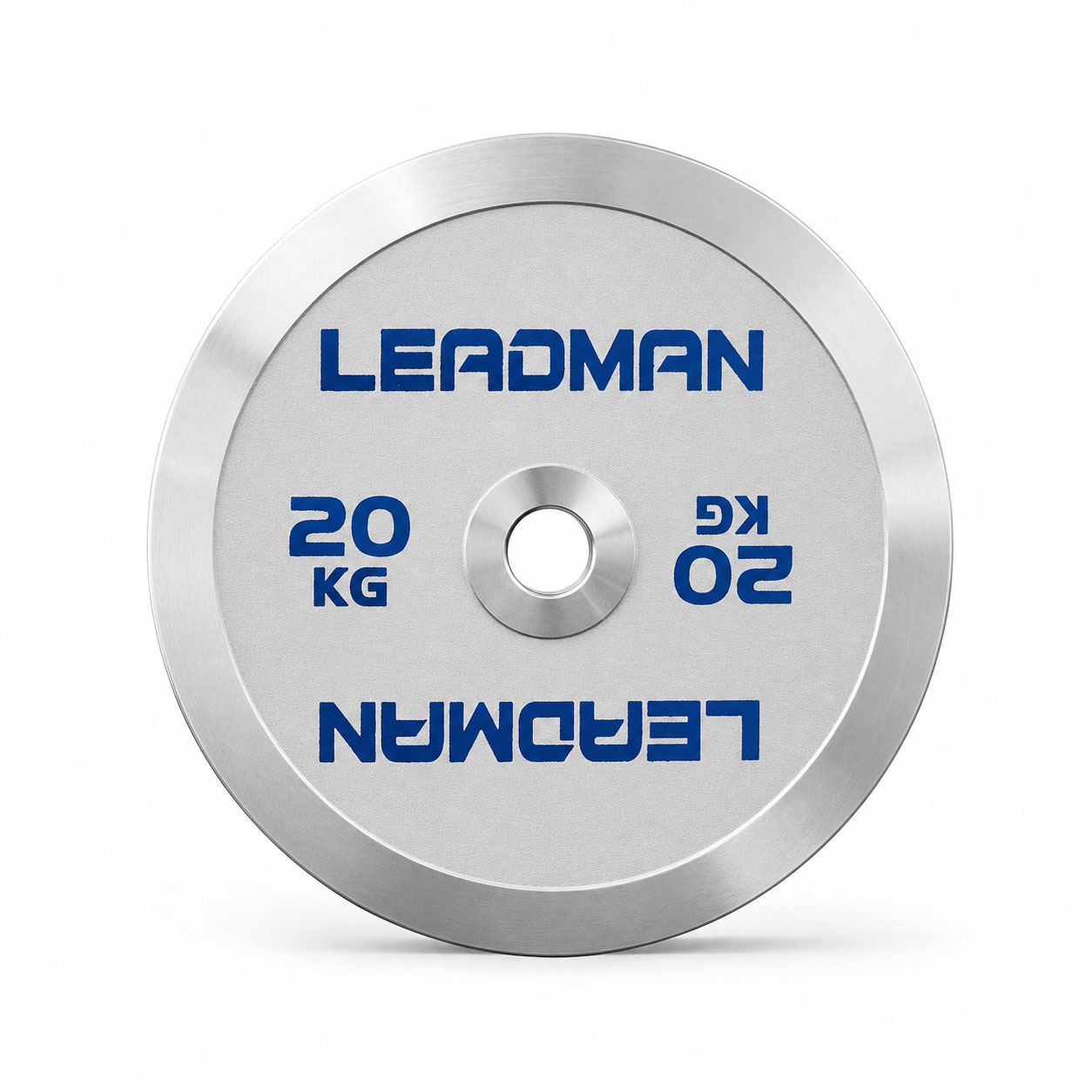
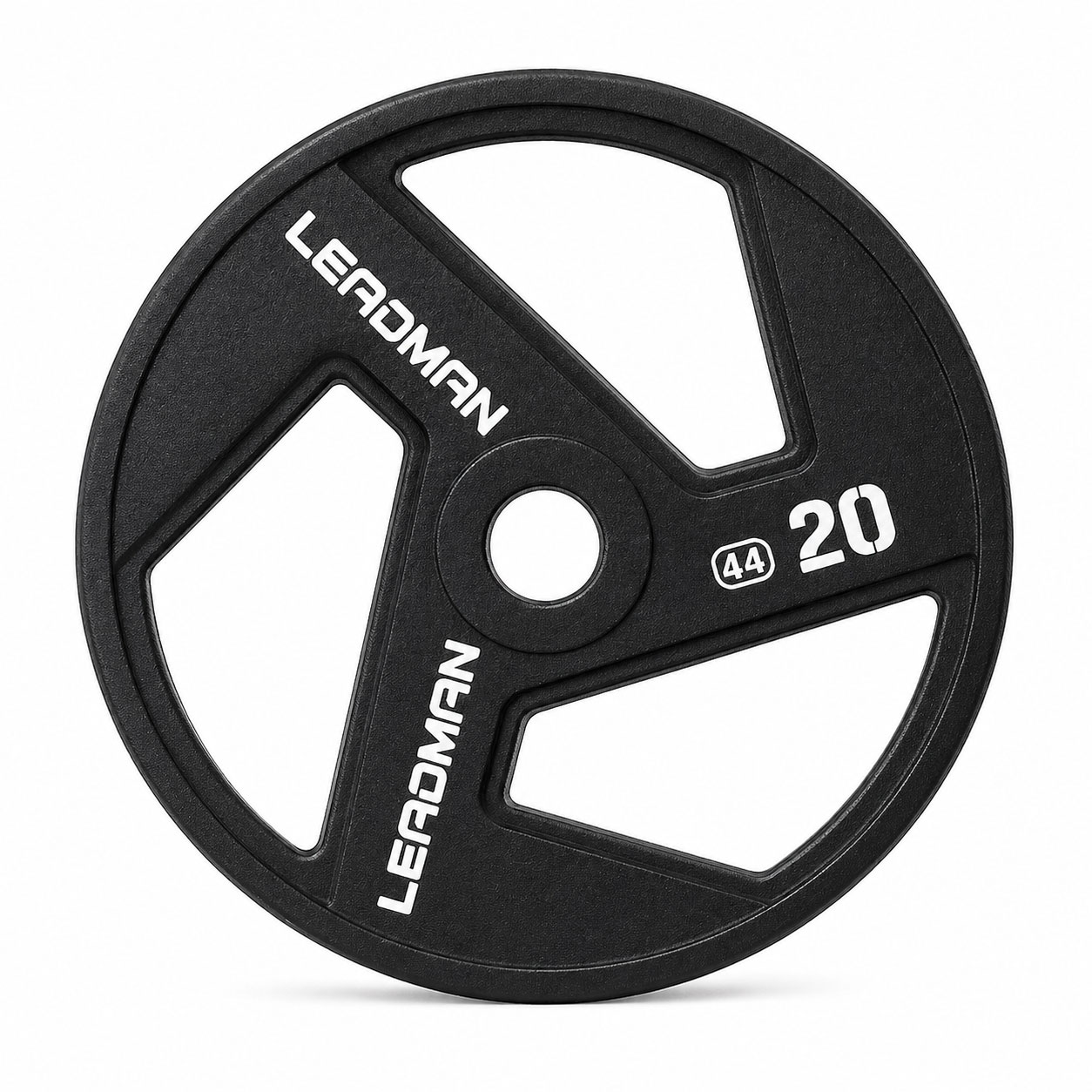
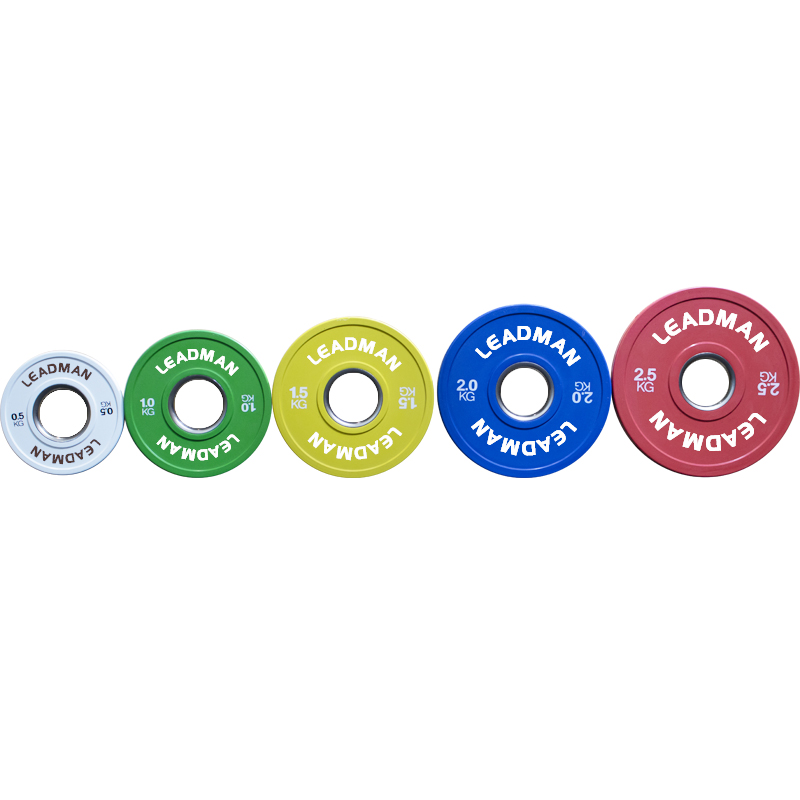
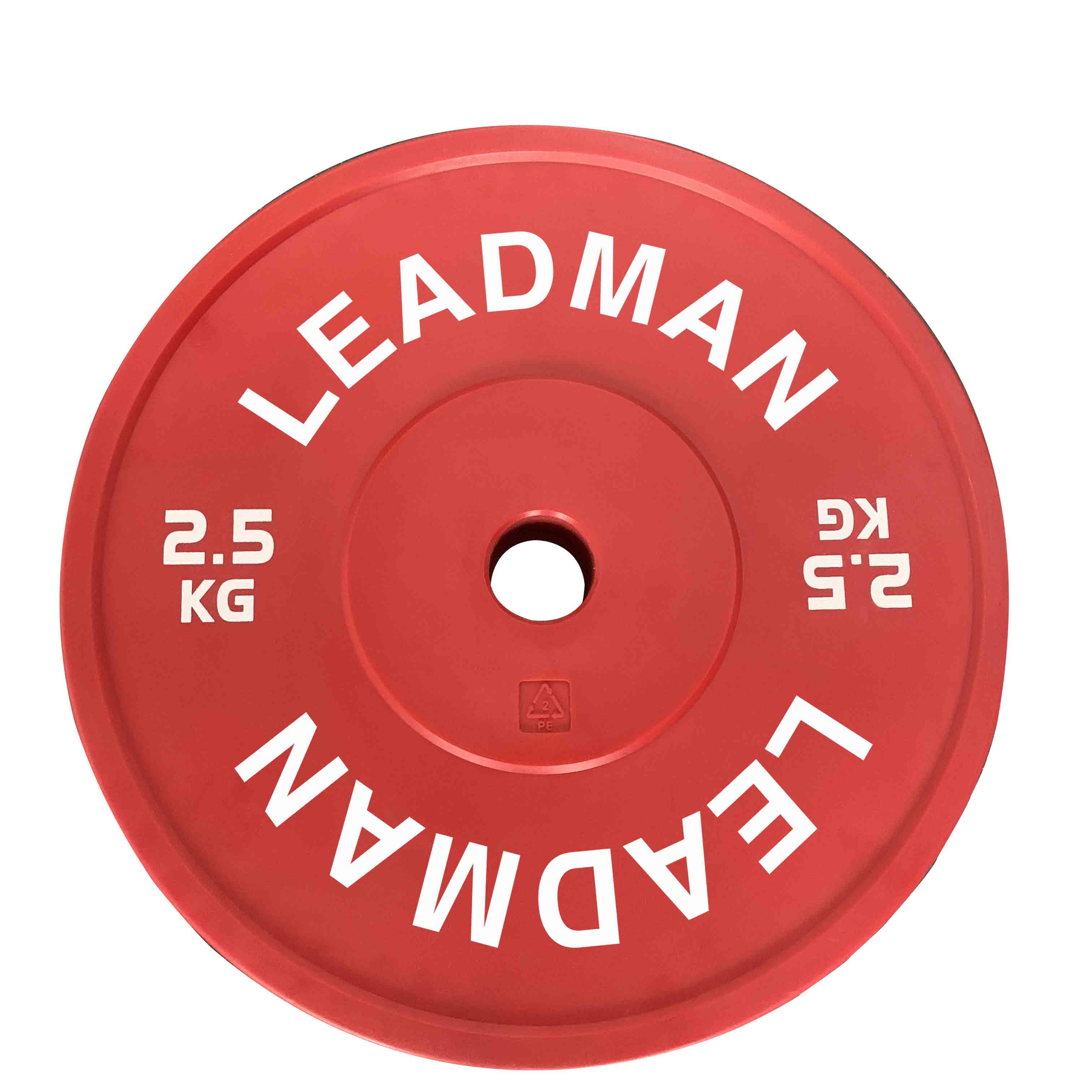
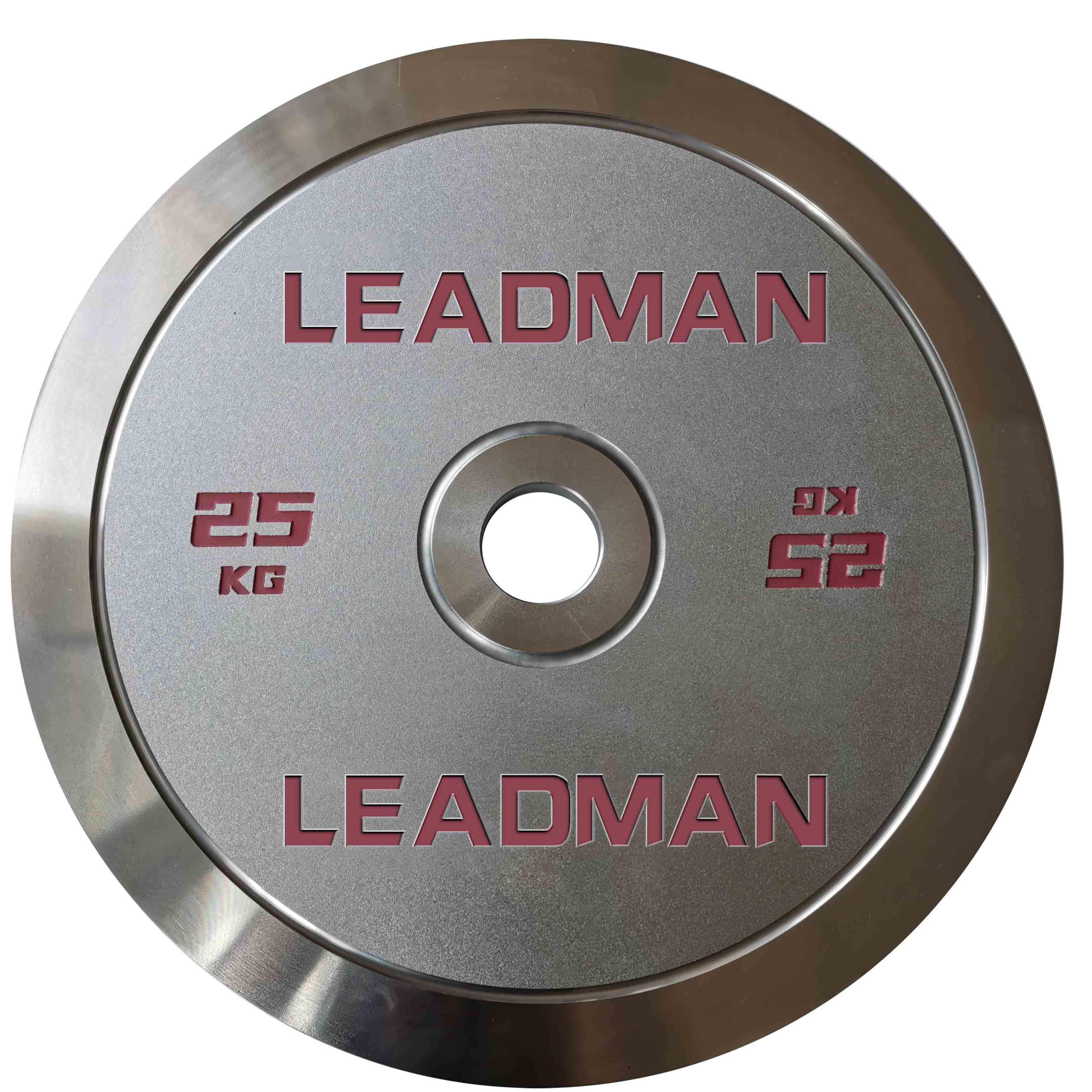
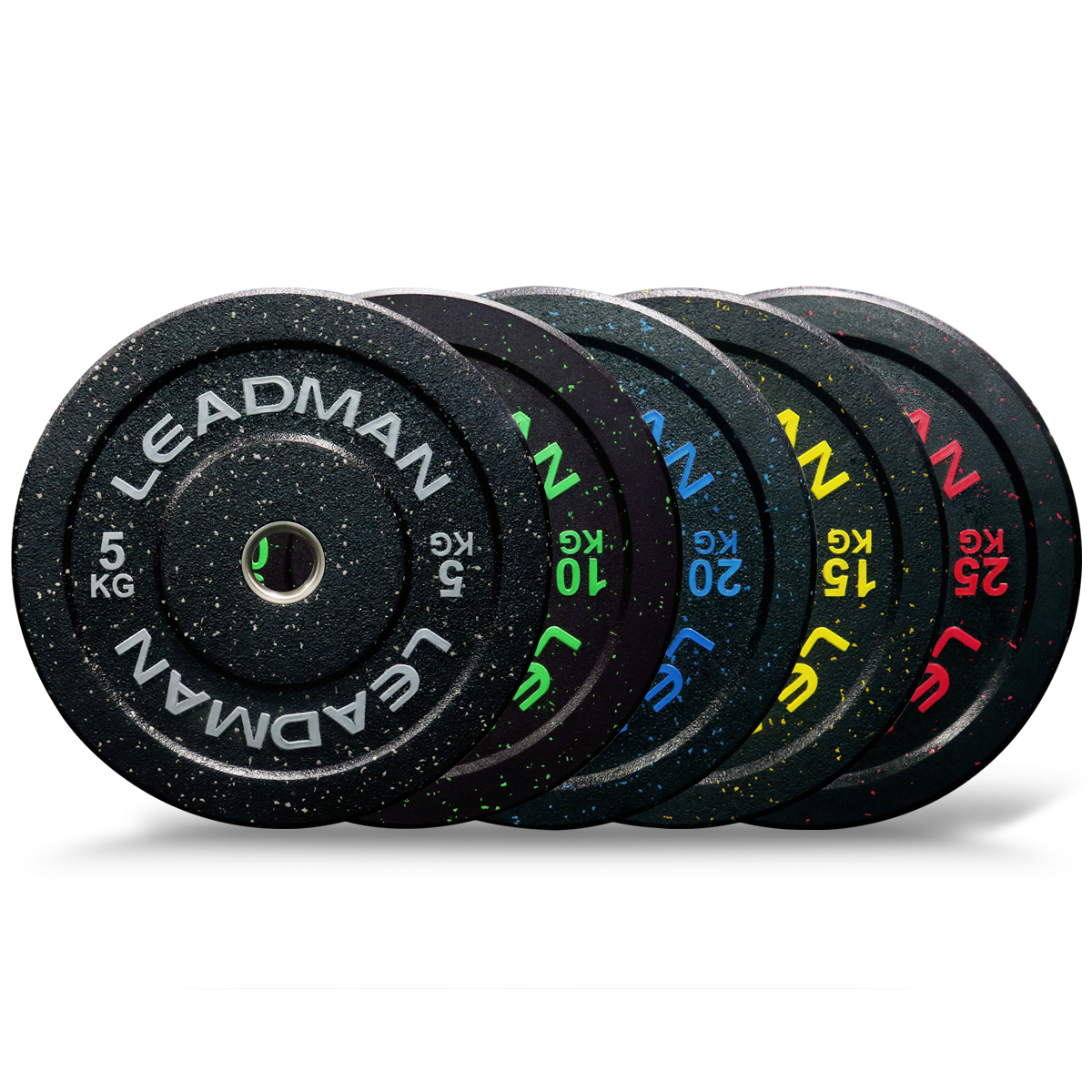
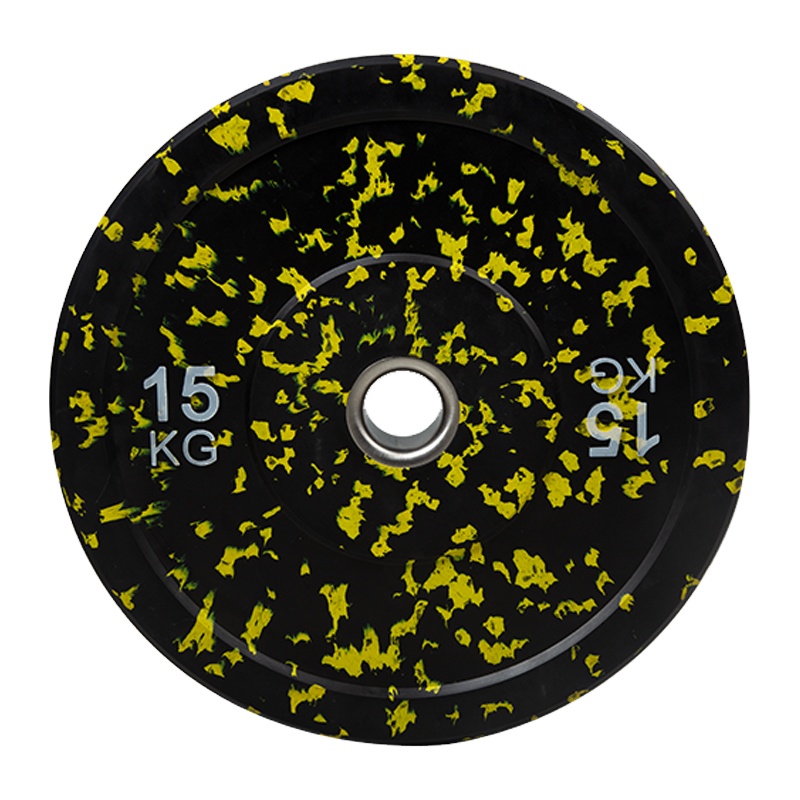
Material selection and finishing options further segment the commercial weight plates market. Budget-focused operators prioritise bare iron or black oxide coatings for controlled indoor environments, while premium facilities specify urethane or virgin rubber-encased plates with mechanically locked hubs. Electrostatic powder coating—applied at 60–80 microns thickness—offers cost-effective corrosion resistance for cast iron plates, whereas chrome or zinc plating delivers superior salt-spray protection for coastal installations. Leading manufacturers now provide dual-unit engraving (lbs/kg) and colour-coded systems (calibrated to IWF standards) that streamline workout programming and improve member experience in multi-user facilities.
Supply chain evaluation extends to post-production services: custom weight plates manufacturers support brand visual identity through colour-matched polymer inserts, laser-etched logos, and tactile surface textures that differentiate training plates from competition sets. Logistics efficiency—container loading optimisation, accurate customs documentation, and sea-freight consolidation—reduces landed costs by 12–18%, with top-tier factories achieving 98% on-time delivery rates across ASEAN, EU, and North American destinations. As the industry faces increasing raw material volatility, manufacturers with long-term partnerships at foundries and stable inventory buffers (3–6 months of production capacity) offer procurement security that outweighs marginal price advantages from less integrated competitors.
Let our experts design the perfect gym solution for your business. Get a free consultation and quote today.