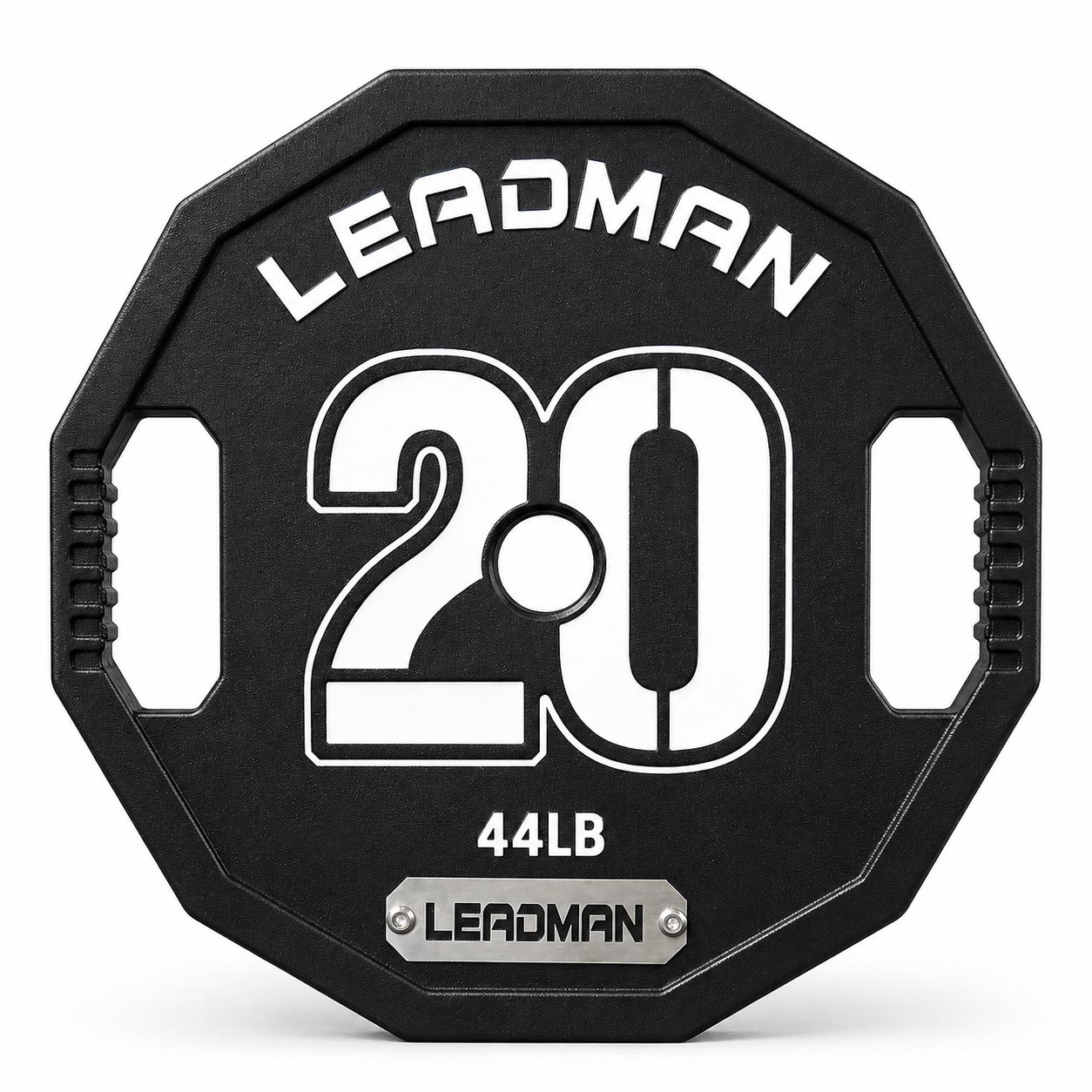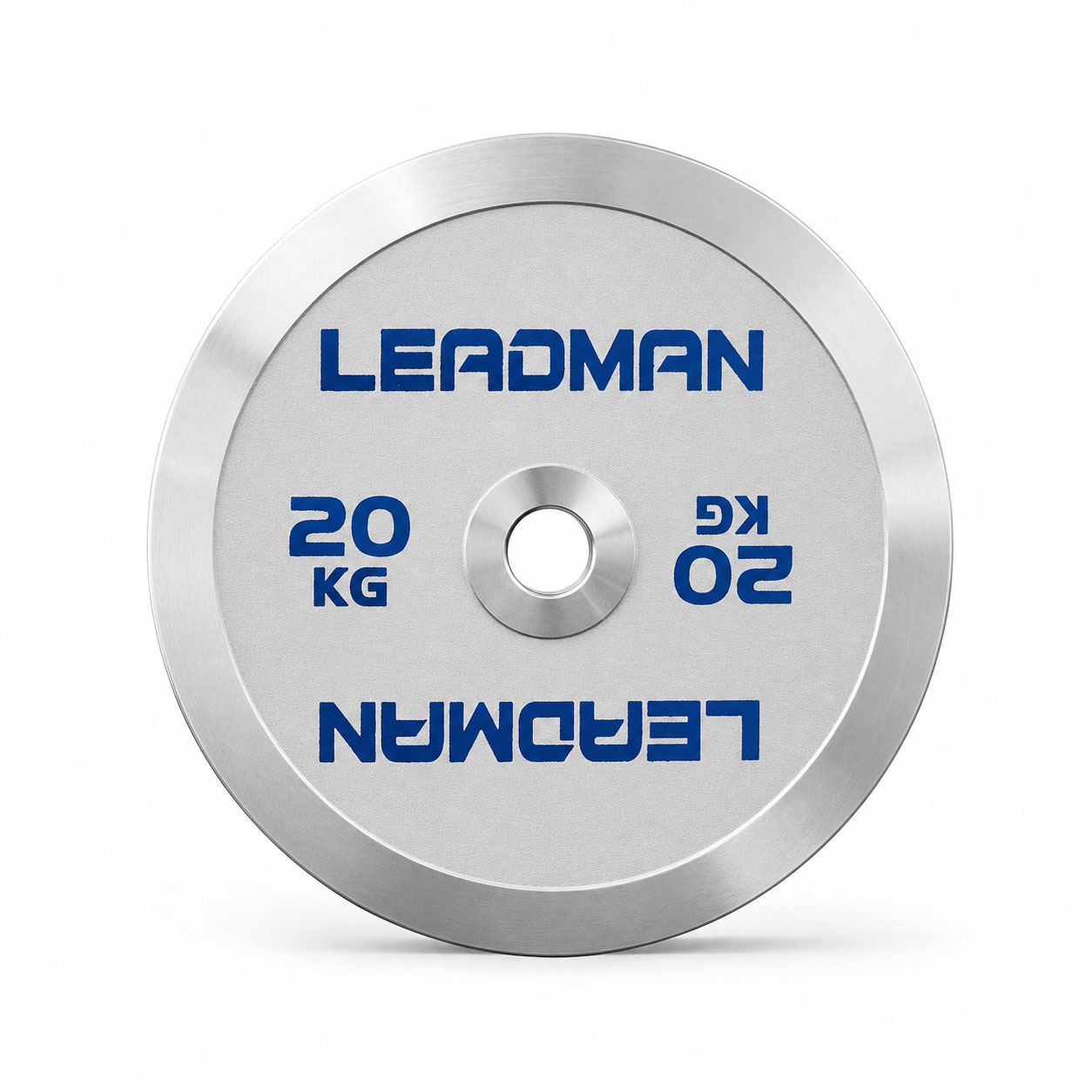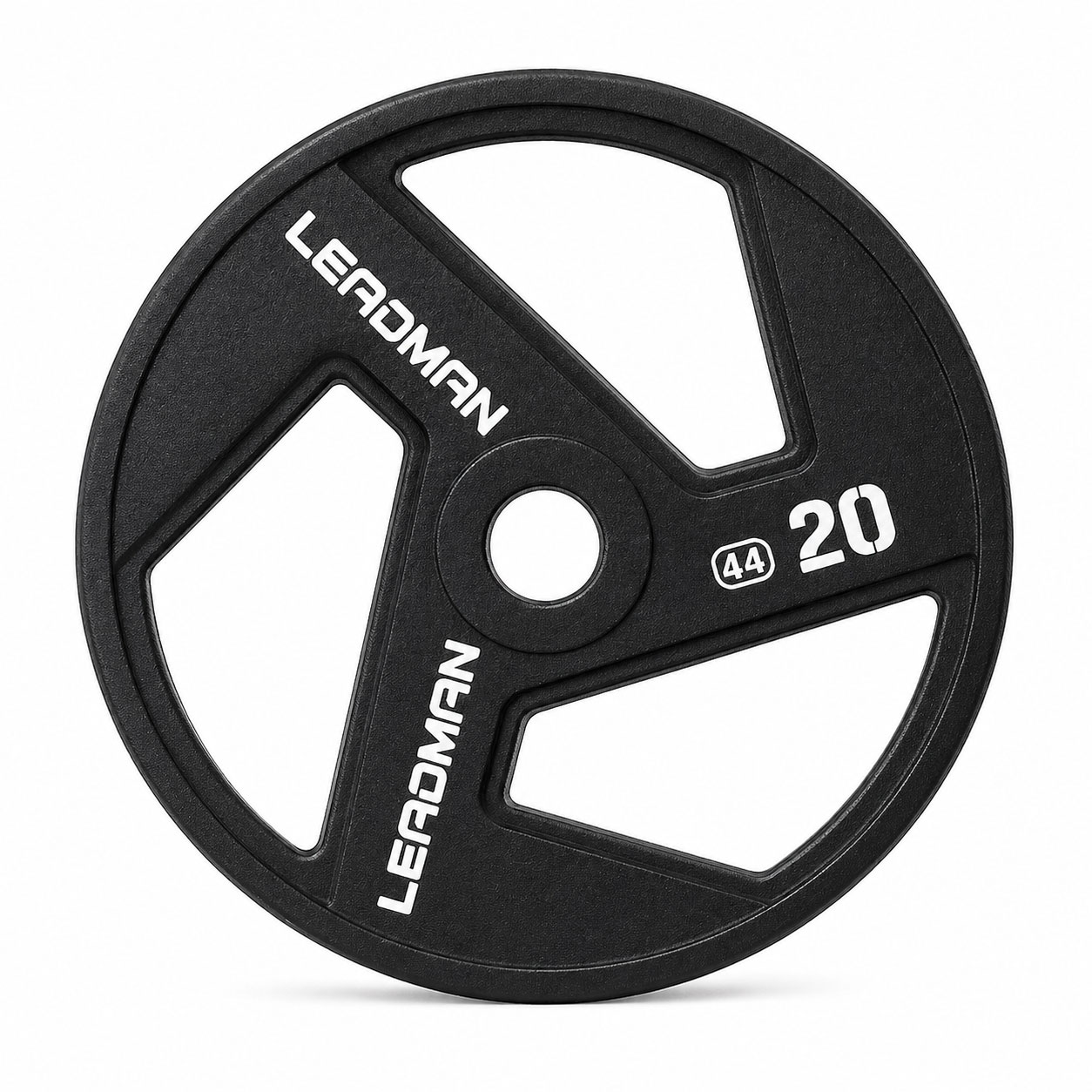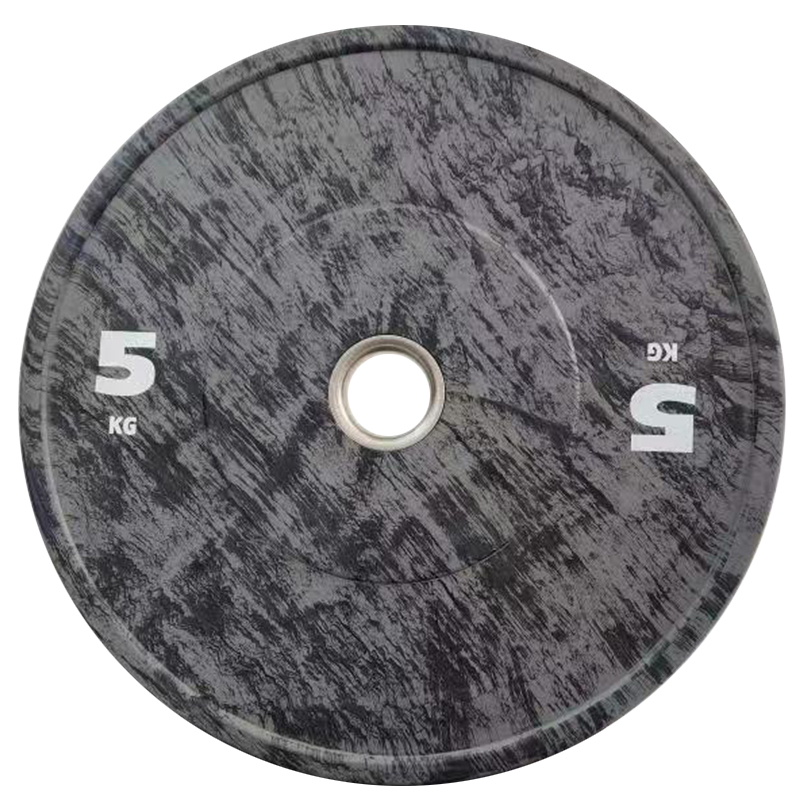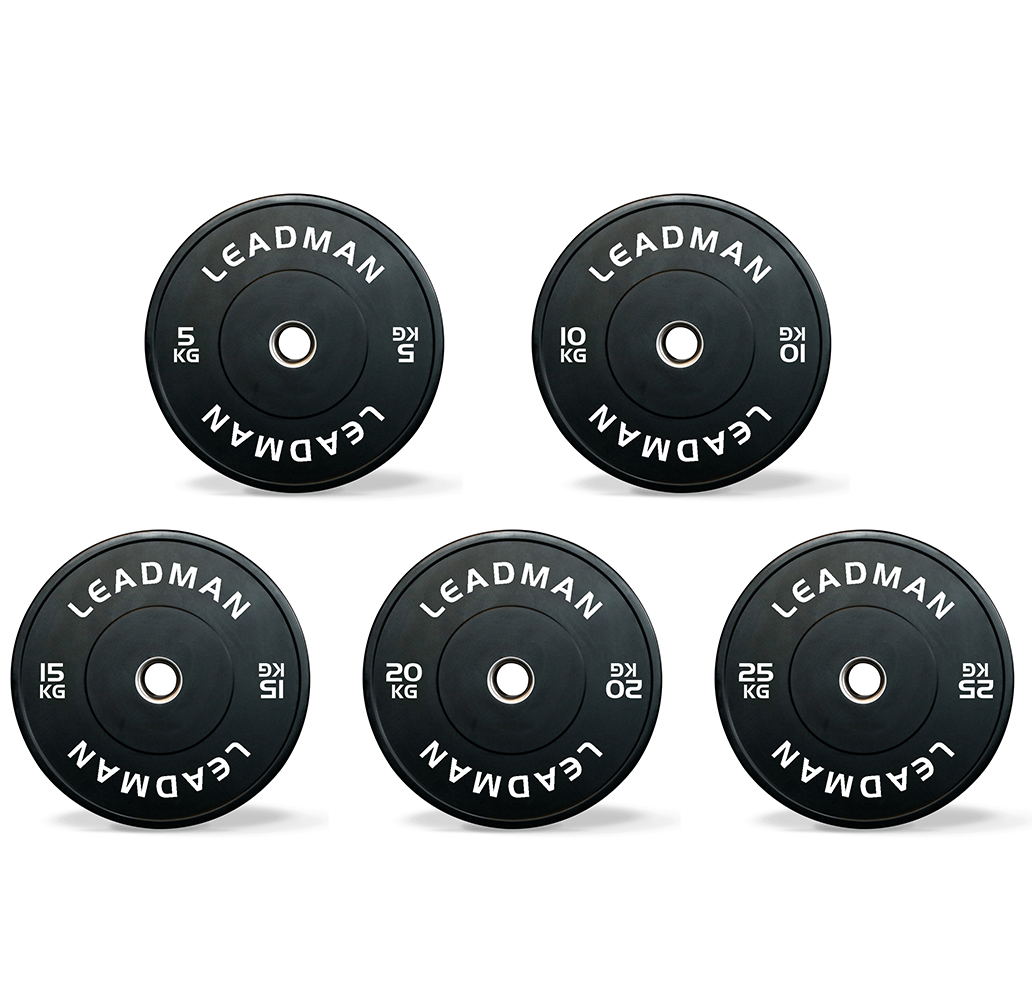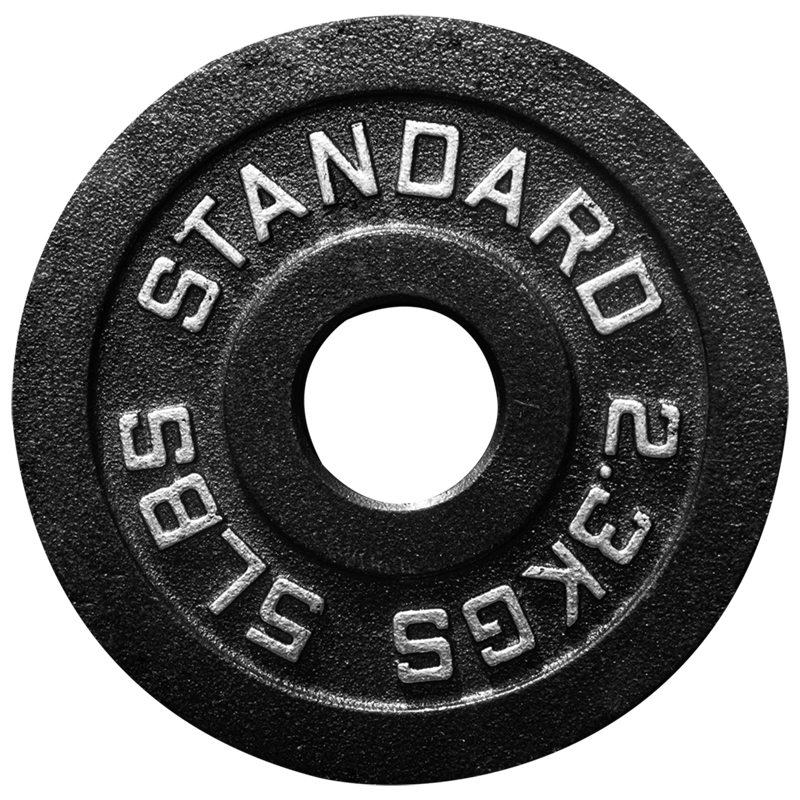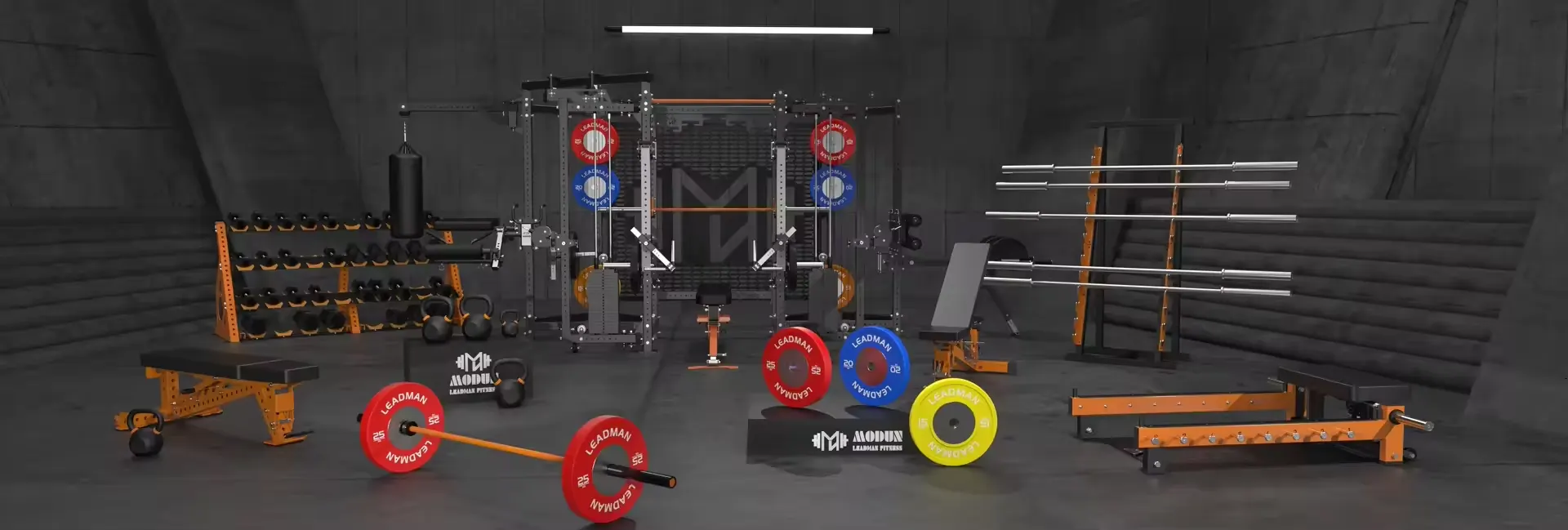
Rubber bumper weight plates have revolutionized modern strength training by enabling athletes to perform explosive Olympic lifts without the risk of subfloor damage or disruptive noise levels. Unlike traditional iron plates, these specialized bumper plate weights feature a thick rubber outer shell bonded to a steel inner hub, allowing them to absorb impact forces that would otherwise transmit directly through the platform. The composition of the rubber compound—ranging from recycled crumb rubber to high-durometer virgin materials—directly influences the plate's bounce characteristics, longevity, and operational suitability for different training intensities. For commercial facilities serving diverse athlete populations, the durability and acoustic performance of rubber coated weight plates have made them indispensable assets in both functional fitness zones and dedicated Olympic lifting areas.
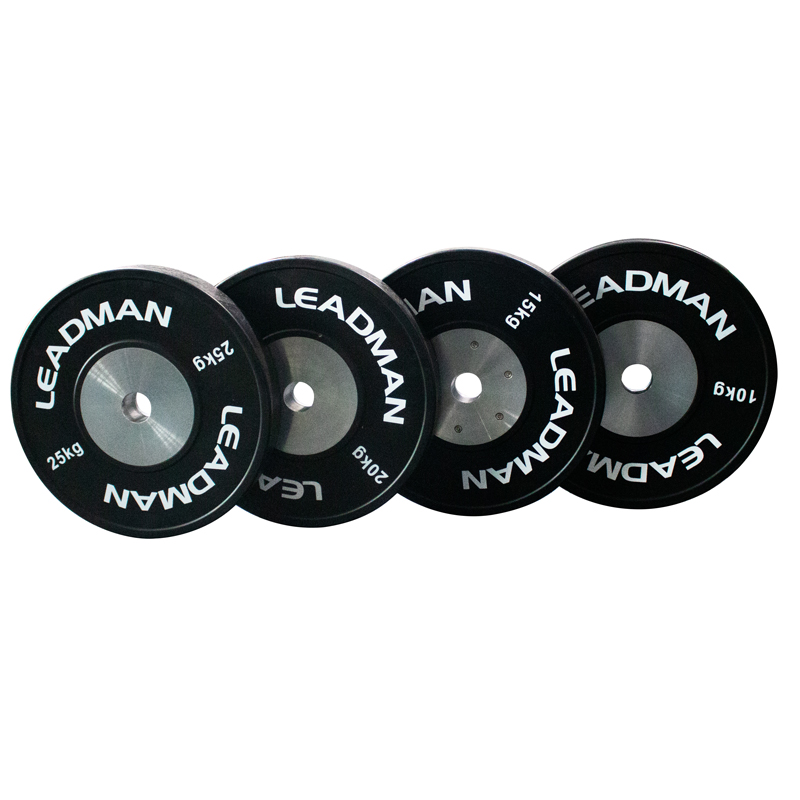
Evaluating the structural integrity of rubber bumper weight plates requires examining the bonding mechanism between the rubber casing and the steel insert—a critical junction that determines the plate's resistance to separation during repeated high-impact drops. Advanced manufacturing processes now employ compression molding techniques that fuse rubber and steel at molecular levels, eliminating the delamination failures common in earlier generation plates. The steel hub design also plays a pivotal role: fully machined hubs with recessed bolting patterns distribute stress more evenly than simple cast inserts, reducing the likelihood of hub spin-out during dynamic lifts. Temperature resilience further distinguishes premium offerings, with specialized rubber formulations maintaining consistent bounce and dimensional stability across environments ranging from non-climate-controlled garages to commercial facilities with strict ambient conditions. These Olympic bumper plates typically feature weight tolerances of ±1%—a precision level that serious lifters and competition facilities demand for accurate program progression.
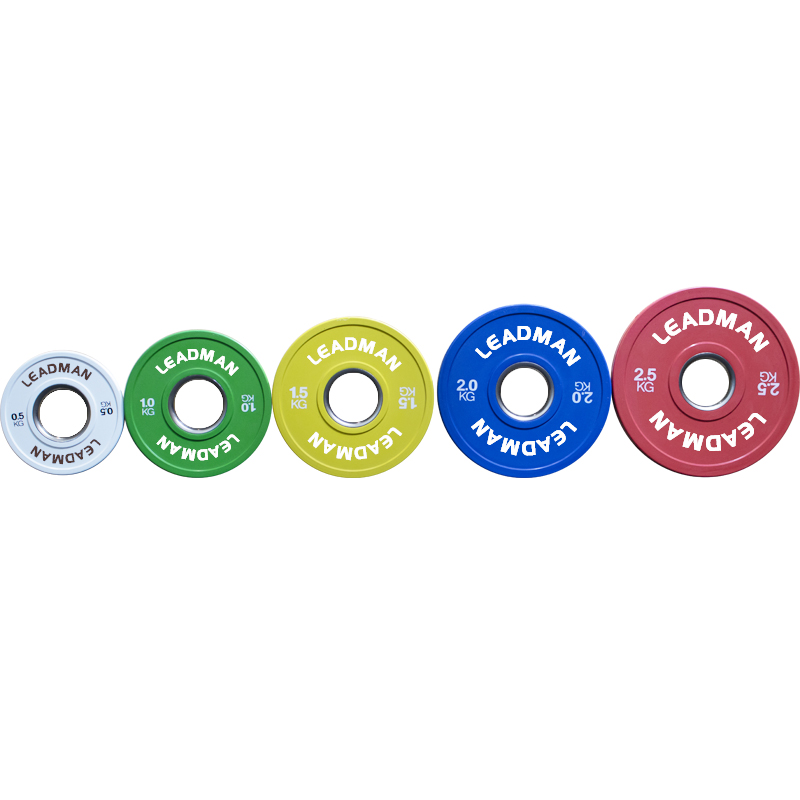
Beyond their mechanical attributes, rubber bumper plates represent a strategic investment in facility safety and operational efficiency. The shock-absorbing properties reduce stress on both the lifting platform and the building's structural elements, translating to lower maintenance costs and extended equipment life cycles. Noise reduction benefits contribute to a more focused training environment and minimize disturbances to neighboring businesses in shared commercial spaces. When evaluating bumper plate sets for purchase, facility managers should consider plate diameter consistency across all weight increments—uniform 450mm diameter ensures proper deadlift starting positions and consistent rack height across different load configurations. The advent of colored bumper plates with engraved weight markings has further enhanced user experience, enabling rapid visual identification during circuit training and reducing loading errors during high-intensity workouts.

Let our experts design the perfect gym solution for your business. Get a free consultation and quote today.