

Optimizing Strength Training with 15 Weight Plates: A Technical Guide
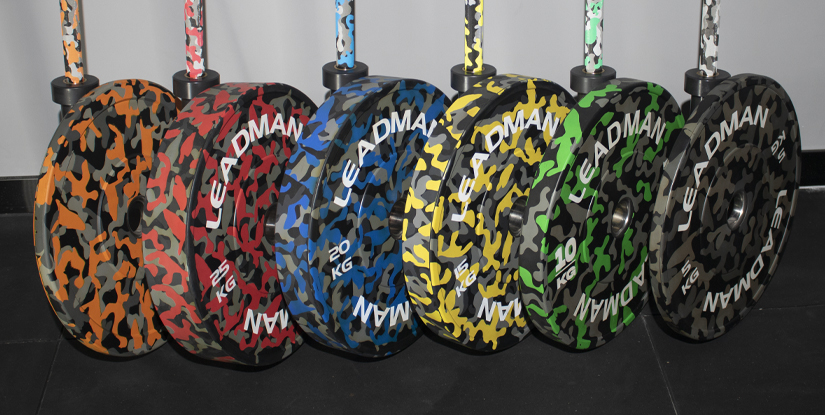
Addressing Imbalance and Structural Fatigue in Weight Plate Sets
The presence of a 15 weight plates configuration in a heavy lifting environment often introduces specific mechanical challenges, primarily regarding weight distribution and load-bearing consistency. When operators notice an uneven tilt in a barbell or an unusual vibration during heavy compound lifts, the cause is frequently not the barbell itself, but microscopic variations in the thickness or density of the plates. These discrepancies, while seemingly minor, can lead to catastrophic failure if the center of gravity shifts during high-intensity sets.
To mitigate these risks, one must understand that even high-quality iron or urethane-coated plates can develop manufacturing tolerances that affect their performance. A common failure mode occurs when plates are stacked in a manner that does not account for the subtle differences in diameter, leading to lateral instability. By implementing a rigorous verification process during the initial setup, facility managers can ensure that the rotational stability of the barbell remains within acceptable operational bounds.
| Potential Issue | Mechanical Cause | Operational Impact |
|---|---|---|
| Asymmetric Loading | Inconsistent thickness across the set | Barbell tilt during heavy lifts |
| Center of Gravity Shift | Variable density in urethane coating | Unpredictable barbell rotation |
| Plate Wobble | Irregular diameter tolerances | Increased vibration and noise |
Recognizing these early warning signs is the first step in maintaining a safe lifting environment. Once the potential for structural fatigue is understood, the focus must shift to how these plates are categorized and selected for specific training modalities.
Material Selection and Density Calibration for 15 Weight Plates
Selecting the correct material for a 15 weight plates setup requires a nuanced understanding of density and impact resistance. Whether an operator is choosing between cast iron, rubber-coated, or high-density urethane, the decision dictates the long-term durability of the equipment and the noise profile of the facility. The primary goal is to achieve a balance between weight precision and impact absorption to prevent floor damage and plate cracking.
Comparing Plate Composition Standards
Different materials behave differently under high-velocity impact. For instance, while cast iron offers excellent weight precision and lower costs, it lacks the impact absorption necessary for high-drop environments like CrossFit boxes. Conversely, urethane plates provide superior durability and a cleaner aesthetic but require higher initial investment and more careful handling to prevent surface marring.
- Cast Iron: High precision, low impact resistance, prone to chipping.
- Rubber-Coated: Moderate impact absorption, good for standard strength training.
- High-Density Urethane: Maximum durability, high impact absorption, premium price point.
Selecting the right material is only half the battle; once the plates are in service, they must be integrated into a structured loading protocol. This leads directly to the complexities of effective barbell loading and plate management.
Advanced Loading Protocols for Barbell Stability
Properly loading a barbell with 15 weight plates requires more than just sliding them onto the sleeve; it demands a systematic approach to ensure maximum stability. An improperly loaded bar can lead to uneven weight distribution, which increases the risk of wrist injury or barbell whip. The central problem for most operators is the 'clatter' or 'shift' that occurs when plates are not seated tightly against the collar.
To prevent this, operators should follow a strict loading sequence. Instead of random placement, plates should be loaded from the center outward, ensuring that the heaviest plates are placed first and the lightest are placed last. This maintains the barbell's structural integrity during the lift. A critical step often overlooked is the use of high-quality collars to secure the plates in place.
The Step-by-Step Loading Sequence
- Clear the Sleeves: Ensure the barbell sleeves are free of debris or old collars.
- Load Primary Weights: Place the heaviest plates onto the bar first to establish a stable core.
- Distribute Secondary Weights: Add the mid-range plates, ensuring the weight is balanced on both sides of the bar.
- Apply Collars: Use heavy-duty collars to lock the plates and prevent lateral movement.
- Final Verification: Give the barbell a slight shake to ensure no movement or 'play' exists between the plates.
After the loading process is complete, the focus turns to the long-term maintenance required to keep the equipment in peak condition. Without a routine, even the most carefully loaded plates will eventually degrade.
Explore the complete technical specifications:
Maintenance Intervals and Inspection Checklists for Plate Longevity
Maintaining the integrity of a 15 weight plates collection involves more than just visual inspections; it requires a systematic approach to identifying micro-fractures and surface degradation. As plates undergo thousands of loading and unloading cycles, the friction between the plate and the barbell sleeve can cause subtle wear, leading to a loose fit. This is a common precursor to plate rattling and uneven lifting.
Operators should implement a tiered inspection schedule. While daily visual checks can catch obvious issues like missing coating or significant cracks, a deeper technical audit should be performed quarterly. This audit should focus on the dimensions of the center holes and the condition of the weight markings, which can erode over time and lead to inaccuracies in weight estimation.
Quarterly Technical Inspection Checklist
| Inspection Point | Parameter to Verify | Failure Indicator |
|---|---|---|
| Center Hole Diameter | Ensure fit on standard sleeves | Excessive play or difficulty sliding |
| Coating Integrity | Surface smoothness and adhesion | Exposed metal or peeling urethane |
| Weight Accuracy | Consistency against calibrated scale | Discrepancy exceeding 1-2% |
| Edge Condition | Absence of sharp or jagged edges | Cracked or chipped edges |
Consistent adherence to these checks ensures that the equipment remains safe and effective. However, even with perfect maintenance, users must be aware of the common mistakes made during daily use that can negate these efforts.
Explore the complete technical specifications:
Common Operational Mistakes in Plate Usage
Even in professionally managed facilities, certain patterns of usage can lead to the premature failure of 15 weight plates. Most of these issues stem from a lack of training or an disregard for standard operating procedures. One of the most frequent errors is the 'hard drop' without adequate surface protection. While some plates are designed for impact, frequent high-velocity drops onto concrete can cause the internal weight to separate from the outer coating, leading to a 'hollow' sound and loss of precision.
Mistakes to Avoid During Training
Understanding these common pitfalls allows both operators and lifters to extend the lifespan of their equipment. For example, many users fail to realize that even 'drop-rated' plates have limits when used on non-compliant surfaces. The following table highlights the relationship between user behavior and equipment degradation.
| Common User Error | Resulting Damage | Preventative Action |
|---|---|---|
| Dropping plates on concrete | Internal weight separation | Use high-density rubber flooring |
| Improper collar tightening | Unbalanced barbell weight | Verify collar torque regularly |
| Stacking plates too high | Sleeve deformation | Adhere to maximum sleeve capacity |
By addressing these errors through education and proper facility setup, the operational life of the plates is significantly increased. Once the user-facing issues are managed, the focus should return to the high-level facility layout and storage strategies.
Explore the complete technical specifications:
Optimizing Facility Layout for Plate Storage and Access
The way 15 weight plates are stored can be just as important as how they are used. Poor storage practices often lead to the most common cause of plate damage: environmental degradation and mechanical bruising. When plates are stacked too high on a single peg or left in high-humidity environments, they are prone to rust, warping, and surface oxidation. A strategic layout ensures that weight is easily accessible while remaining protected from the elements.
A well-designed storage area should separate weight classes and provide adequate spacing between the vertical pegs. This prevents plates from rubbing against one another, which is a primary cause of surface scratches and coating loss. Furthermore, ensuring that storage racks are positioned away from high-traffic footpaths reduces the risk of accidental impacts from other gym-goers.
Storage Optimization Standards
- Vertical Spacing: Leave at least 1 inch of clearance between plates on a storage peg.
- Environment Control: Keep storage areas in climate-controlled zones to prevent moisture buildup.
- Weight Categorization: Group plates by mass to prevent unnecessary handling of heavy loads.
- Accessibility: Place high-frequency weight plates (e.g., 15kg to 25kg) at waist height for ergonomics.
Effective storage and layout management provide a foundation for a professional training environment. As we look forward, the integration of technology into weight management will continue to evolve.
Explore the complete technical specifications:
Weight Plates Manufacturers: Global Sourcing, Quality & Cost Guide
Future Trends in Weight Plate Manufacturing and Precision
As the industry moves toward greater digitalization, the way we monitor and maintain 15 weight plates is also changing. We are seeing an increase in the development of 'smart' weight plates that incorporate embedded sensors to track weight accuracy and impact history. This technological shift is aimed at solving the long-standing problem of weight drift and structural fatigue in commercial facilities.
While currently a niche development, the trend toward precision-manufactured, sensor-enabled equipment will eventually become the standard for top-tier facilities. This will allow operators to move from reactive maintenance—fixing things when they break—to predictive maintenance, where they can replace components just before a failure occurs. This shift represents the next frontier in strength training equipment management.
Final Verification of Performance and Safety
Before concluding any maintenance or setup cycle, a final holistic verification is essential. This step ensures that all previous actions—from the initial loading to the long-term storage—have successfully contributed to a safe and stable training environment. It is the ultimate safeguard against the subtle errors that can lead to injury.
A professional operator should perform a final walk-through of the equipment area, checking not only the plates themselves but also the bars they are attached to. If the plates are seated correctly, the collars are tight, and the floor is properly protected, the facility is ready for high-intensity training. This rigorous approach is what separates a professional facility from a standard gym.