

Optimizing Training with Grey Man Bumper Plates: A Technical Guide
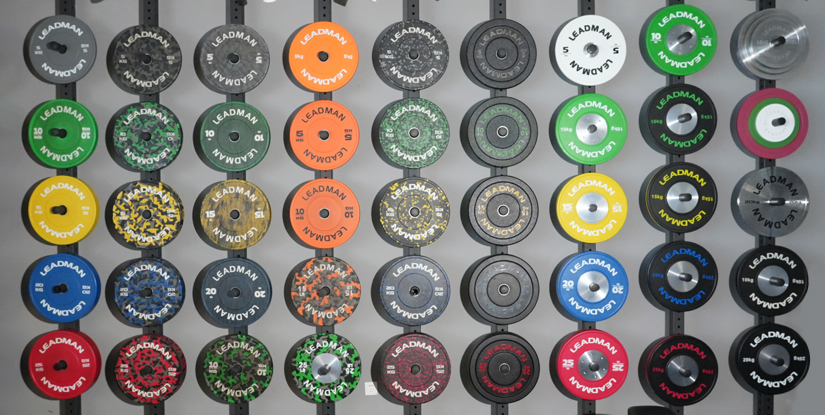
Selection Criteria for High-Performance Grey Man Bumper Plates
Professional athletes and facility managers often struggle with the inconsistency of weight distribution in standard training equipment. When selecting Grey Man Bumper Plates, the primary challenge lies in identifying the distinction between decorative lifting disks and true high-impact training tools. A common failure point in procurement is prioritizing aesthetic uniformity over structural density and bounce characteristics. To avoid these pitfalls, one must evaluate the technical specifications of the material composition and the precision of the center sleeve diameter.
Material Density and Impact Resistance
Standard rubberized plates often suffer from uneven density, leading to unpredictable oscillations during heavy lifts. High-quality bumper plates utilize a high-density vulcanized rubber or specialized polyurethane to ensure that the energy return—the 'bounce'—is controlled and predictable. If a plate exhibits excessive vibration upon impact, it is likely due to air pockets or low-grade filler material. Operators should verify the Shore hardness of the rubber to ensure it meets the requirements for high-volume, high-impact environments.
Dimensional Tolerance and Sleeve Fit
A secondary, yet critical, selection metric is the tolerance of the inner diameter. A sleeve that is too loose will cause the plate to rattle, creating unwanted noise and potential barbell damage; a sleeve that is too tight will prevent smooth transitions during rapid movements. Professionals should look for a diameter tolerance within a specific range to ensure compatibility with various barbell types without compromising the rotation of the sleeves.
| Feature | Standard Bumper Plates | High-Performance Bumper Plates |
|---|---|---|
| Material Composition | Low-density recycled rubber | High-density vulcanized rubber/polyurethane |
| Bounce Profile | High/Unpredictable | Controlled/Low-frequency |
| Weight Tolerance | +/- 3% or higher | +/- 1% or less |
| Center Sleeve Fit | Loose/Variable | Precision-engineered/Uniform |
Establishing these baseline selection parameters ensures that the equipment purchased can withstand the rigors of professional training. Once the correct plates are selected, the focus must shift to the logistics of proper setup and barbell integration.
The Mechanics of Loading and Barbell Integration
Selecting the correct equipment is only the first step in a successful training cycle; how those plates are integrated into the barbell determines the long-term stability of the system. Improper loading often results in uneven weight distribution, which can lead to premature wear on the barbell's bearings and bushings. A professional setup requires a systematic approach to plate sequencing and barbell balancing.
Optimizing Plate Sequencing for Balance
The order in which weight is added to the barbell significantly impacts the center of gravity during dynamic lifts. When using Grey Man Bumper Plates, it is vital to place the heaviest plates closest to the center of the bar. A common mistake is loading asymmetrical weights, which can lead to unexpected bar whip or uneven distribution of force during the lift. Operators should verify the balance of the bar by performing a slow-motion eccentric phase to detect any unintended lateral movement.
Barbell Sleeve and Plate Interface
The interface between the plate and the barbell sleeve is a critical junction for both safety and performance. To prevent the plates from binding or slipping, the operator must ensure the barbell sleeves are clean and free of debris. If the plates feel unevenly seated, it may be an indication of a mismatch in the internal diameter or a buildup of dust within the sleeve. A smooth, consistent fit is essential for maintaining the rotational integrity of the barbell.
- Checklist for Initial Setup:
- Verify barbell sleeve diameter matches plate inner diameter.
- Clean barbell sleeves with a dry cloth to remove any residual oils or dust.
- Load plates in a strict increasing order of weight.
- Ensure the center of mass is aligned with the barbell's midpoint.
- Perform a low-weight test lift to confirm rotational smoothness.
Proper integration protocols mitigate the risk of mechanical failure and ensure that the lifter can focus entirely on the movement rather than the equipment. With the setup finalized, the next phase of professional management involves rigorous inspection and maintenance.
Explore the complete technical specifications:
Bumper Plates Per Pound: Cost Analysis, Material Tiers, and Procurement
Inspection Cadence and Long-Term Maintenance Strategies
Even the highest-grade equipment requires a structured maintenance regimen to prevent the degradation of performance. For facility operators, a neglected inspection cycle can result in expensive replacements and, more importantly, safety hazards. The durability of your plates is directly proportional to the frequency and precision of your routine checks.
Identifying Structural and Surface Degradation
Continuous impact and environmental exposure can lead to surface cracking or edge chipping. When inspecting your plates, look for signs of material fatigue such as surface irregularities or a change in the texture of the rubber. A failure to address these small issues can lead to larger problems, such as the plate losing its shape or becoming unbalanced. If a plate shows significant chipping at the edges, it is often a sign that the impact surface was insufficient or the material has reached its fatigue limit.
Environmental Factors and Storage Protocols
Temperature and humidity play a massive role in the longevity of rubberized equipment. Storing plates in areas with extreme temperature fluctuations can cause the material to expand and contract, leading to internal structural weaknesses. Professionals should maintain a controlled environment where possible. In high-humidity settings, oxidation on the steel components of the bar can also affect how the plates seat against the sleeve.
| Potential Issue | Root Cause | Actionable Fix |
|---|---|---|
| Edge Chipping | High-impact on hard surfaces/Incorrect drops | Use high-density lifting platforms |
| Diameter Variance | Thermal expansion/Material fatigue | Monitor environmental temperature |
| Unpredictable Bounce | Material degradation/Low-density filler | Replace plates once density shifts |
| Sleeve Friction | Dust buildup/Lack of lubrication | Clean and lubricate bar sleeves |
By implementing these maintenance routines, operators can significantly extend the lifespan of their investment. However, understanding the physical limitations of the gear is necessary to prevent damage before it occurs.
Explore the complete technical specifications:
Cluster Bumper Plates: Durable Urethane Plates for Olympic Lifting
Analyzing Failure Modes and Operator Error
Understanding why equipment fails is just as important as knowing how to maintain it. Most equipment failures in high-performance environments stem from either a misunderstanding of the material limits or improper operational techniques. Identifying these patterns allows for more effective training and procurement decisions.
Impact Force and Surface Interface
A primary cause of premature wear in Grey Man Bumper Plates is the failure to use a proper damping surface. Dropping heavy weights directly onto concrete or non-rated flooring creates a massive shockwave that travels back through the plate and the barbell. This shockwave can cause micro-fractures in the rubber or even damage the barbell's internal mechanism. Operators must verify that the drop zone is equipped with a high-density lifting platform designed to absorb high-velocity impacts.
Common Operational Missteps
One of the most frequent errors observed is the improper stacking of plates during rest periods. When plates are stacked haphazardly on a rack or on the floor without proper support, they can become deformed over time. This deformation results in an uneven weight distribution that is difficult to correct. To avoid this, always ensure that plates are stored vertically or in designated, flat-surfaced storage racks.
- Avoid the following mistakes:
- Dropping heavy plates without a shock-absorbing platform.
- Using low-grade rubber plates for high-impact Olympic lifting.
- Storing plates in high-temperature or extreme-humidity environments.
- Overloading the barbell beyond its structural capacity.
Recognizing these failure modes allows for a more proactive approach to training and equipment management. With these insights, a professional can move from basic usage to advanced performance optimization.
Explore the complete technical specifications:
45 lb Rubber Bumper Plates | 450mm Diameter Weight Plates for Deadlifts
Optimizing Training Environments and Facility Layout
The presence of high-quality equipment like Grey Man Bumper Plates is only effective if the surrounding environment is optimized for their use. A poorly planned facility layout can negate the benefits of high-end equipment through indirect mechanical stress. Effective space management involves more than just floor area; it requires strategic placement of impact zones and storage zones.
Zoning for Impact and Safety
A common mistake in facility design is the lack of a clear distinction between 'lifting zones' and 'transit zones.' High-density lifting platforms should be centrally located in zones where heavy, high-impact movements occur. If a lifting platform is too small, users may inadvertently drop plates near the edge, where the lack of damping can cause sub-floor vibration and structural instability. Operators should ensure that the footprint of the designated lifting area accounts for the maximum width of the barbell plus a safety margin of at least 1 meter on each side.
Storage Optimization and Accessibility
Efficient storage is not just about organization; it is about preventing the deformation of the plates. When choosing between plate trees and wall-mounted racks, consider the following parameters: Plate trees are excellent for quick accessibility but can lead to floor-level clutter if not managed. Wall-mounted racks are superior for space-saving and keeping plates off the ground, which protects the center sleeve from contact with moisture or debris. A failed storage strategy often leads to plates being left in high-traffic paths, increasing the risk of tripping and equipment damage.
| Storage Method | Primary Benefit | Potential Downside |
|---|---|---|
| Vertical Plate Trees | High accessibility/Rapid loading | Floor clutter/Potential for impact damage |
| Wall-Mounted Racks | Space optimization/Cleanliness | Fixed position/Limited mobility |
| Horizontal Racks | Stability/Large capacity | Difficult to access bottom plates |
By integrating these layout principles, facility managers can ensure that the technical advantages of their equipment are fully realized through a stable, organized, and safe environment.
Verifying Performance and Long-Term ROI
The final stage of professional equipment management is the periodic verification of performance metrics. This ensures that the equipment continues to function within its design parameters and that the initial investment is delivering the expected return. Verification is not just a visual check; it is a technical assessment of the gear's utility.
Quantitative and Qualitative Verification
To verify that your plates are performing correctly, you should perform a series of controlled tests. A quantitative check involves weighing a single plate on a calibrated scale to ensure it remains within the acceptable tolerance. A qualitative check involves observing the 'rebound' or bounce of the plate during a controlled drop. If the bounce becomes significantly more erratic or high-frequency, the material density has likely changed, indicating a need for replacement.
Calculating Long-Term Equipment Value
When calculating the Return on Investment (ROI) for high-grade bumper plates, operators must look beyond the initial purchase price. A lower upfront cost often results in a higher total cost of ownership due to frequent replacement cycles and the need for constant repair. High-quality plates with stable density and precise tolerances provide a more predictable lifecycle, which stabilizes long-term maintenance budgets. The goal is to achieve a consistent training environment that remains stable over years of heavy use.
| Verification Metric | Methodology | Optimal Result |
|---|---|---|
| Weight Accuracy | Calibrated Digital Scale | +/- 1% of stated weight |
| Impact Response | Controlled drop test | Minimal, controlled bounce |
| Sleeve Interaction | Rotation test with barbell | Smooth, non-binding rotation |
| Surface Integrity | Visual/Tactile inspection | No cracks, chips, or deformation |
Rigorous verification processes ensure that the facility remains a top-tier training environment. By following these professional guidelines, the technical challenges of using heavy lifting equipment are effectively managed.