

Optimizing Facility Longevity with High-Quality Commercial Weight Plates
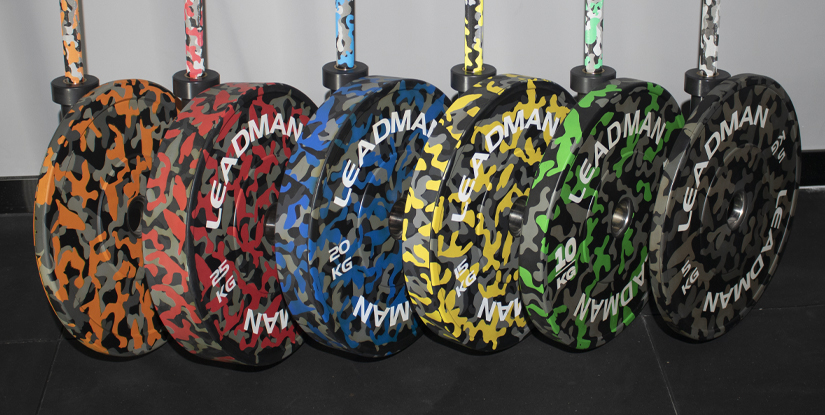
Selection Criteria for High-Performance Commercial Weight Plates
Procuring resistance equipment for a high-traffic facility requires moving beyond aesthetic appeal to focus on structural integrity and operational longevity. The primary challenge for facility managers is the rapid depreciation of value caused by substandard materials that fail under repetitive impact. Choosing the right Commercial Weight Plates involves a rigorous assessment of material density, tolerance levels, and environmental resistance. When selecting equipment, operators must prioritize resistance to denting and oxidation over initial cost savings.
Material Composition and Durability
The choice between cast iron, rubber-coated, and urethane-finished plates determines the maintenance cadence of your training floor. While cast iron is cost-effective, it lacks the shock absorption required for high-impact functional training. Urethane-encapsulated plates, conversely, offer superior resistance to abrasions and chemical cleaners common in commercial gym environments. Before committing to a large-scale purchase, operators should verify the density of the core material to ensure uniform weight distribution and prevent structural imbalances during high-velocity movements.
| Material Type | Durability Rating | Primary Benefit | Typical Failure Mode |
|---|---|---|---|
| Cast Iron | Moderate | Highest cost-efficiency | Cracking/Rusting from oxidation |
| Rubber-Coated | High | Reduced noise and impact | Outer skin peeling/degradation |
| Urethane | Extreme | Chemical and abrasion resistance | High initial capital expenditure |
Selecting the correct material substrate ensures that the equipment survives the rigors of diverse training styles. Once the material type is established, the next critical factor involves the precision of the central bore diameter and weight tolerances.
Precision Engineering and Bore Diameter Tolerances
A common pain point in facility management is the accumulation of 'dead weight' or mismatched plate fits on a barbell. If the central bore of your weight plates is not engineered to tight tolerances, the plates may wobble or fail to seat correctly on the barbell sleeve. This creates an uneven load distribution, which can accelerate wear on the barbell bearings and increase the risk of user injury. A professional-grade plate should maintain a consistent fit across its entire production run, ensuring that weight increments are accurate and predictable.
Verifying Weight Accuracy and Fitment
Facility operators should perform periodic verification of weight accuracy to ensure compliance with professional standards. Even high-quality manufacturing can suffer from variance if quality control processes are lax. Use the following checklist during your quarterly inventory audit to identify plates requiring replacement:
- Weight Variance Check: Weigh a sample of 5kg, 10kg, and 20kg plates on a calibrated digital scale to ensure deviation remains within acceptable industry ranges.
- Bore Diameter Consistency: Test a single plate on multiple bar types to check for excessive play or tight binding.
- Surface Uniformity: Inspect for irregularities in the center hole that might cause uneven seating.
Reliable fitment is not just about accuracy; it is also about the long-term protection of your barbell investments. This leads directly to the necessity of understanding how plate surface finishes interact with various barbell coatings.
Surface Finish Optimization for Equipment Protection
The interaction between the plate surface and the barbell sleeve is a critical factor in extending the lifespan of both components. A mismatch in hardness or texture can lead to excessive friction, which eventually scores the metal of the barbell. For instance, using low-grade steel plates with a high-gloss chrome barbell often results in rapid surface degradation. Understanding the friction coefficients of different finishes is essential for maintaining a high-standard training environment.
Comparing Plate Surfaces and Barbell Sleeve Compatibility
When designing a weight lifting area, consider the combination of your Commercial Weight Plates and the barbell coating. The following table outlines the compatibility of common surfaces to help you avoid premature equipment wear.
| Plate Surface Finish | Ideal Barbell Coating | Compatibility Note |
|---|---|---|
| Bumper Rubber | Stainless Steel or Zinc | Low friction, high impact absorption |
| Urethane Encapsulation | Chrome or Black Oxide | High durability, minimal sleeve friction |
| Raw Cast Iron | Hard Chrome | High friction potential, requires care |
| Painted Steel | Zinc Plated | Moderate risk of paint chipping |
The choice of surface dictates not only the longevity of the equipment but also the noise levels within the facility. A well-matched system reduces the auditory impact of heavy lifting, which is essential for multi-use fitness centers.
Explore the complete technical specifications:
Gym Weight: Plate Types, Material Comparison & Tolerance Grades
Preventing Common Damage Cycles in High-Traffic Zones
The most frequent cause of premature plate failure is not natural wear, but improper handling and environmental exposure. Operators often observe plates cracking or losing their finish due to improper storage or unintentional impact during high-intensity training. If a facility allows uncontrolled dropping of plates, even the most durable urethane-encapsulated models will eventually suffer from structural fatigue or cosmetic failure.
Identifying and Resolforcing Proper Handling Protocols
To mitigate damage, facility owners must implement and enforce specific handling standards. A primary failure mode is the accumulation of moisture in the storage area, which leads to oxidation on cast iron components. To prevent this, ensure that storage racks are elevated and that the facility has adequate ventilation to prevent humidity buildup. Furthermore, ensure that users are trained on the distinction between bumper plates (designed for impact) and standard iron plates (not designed for dropping).
- Storage Protocol: Keep all weight plates in a dry, climate-controlled environment.
- Impact Management: Mandate the use of lifting platforms for heavy sets to distribute force.
- Daily Inspection: Check for loose or cracked surfaces during the opening walk-through.
Maintaining these standards reduces the frequency of replacement cycles and keeps the equipment looking professional. As the physical state of the equipment is managed, the operator must also turn attention to the logistical aspects of procurement and lifecycle tracking.
Explore the complete technical specifications:
Lifecycle Management and Procurement Strategy
Managing the lifecycle of your resistance equipment requires a proactive approach to procurement rather than a reactive one. Waiting for equipment to fail before replacing it results in higher long-term costs due to emergency shipping fees and diminished member satisfaction. A robust procurement strategy involves categorizing equipment by usage intensity and expected replacement intervals. This allows for more accurate budgeting and ensures that the facility always maintains a consistent standard of quality.
Structuring a Replacement and Upgrade Timeline
Instead of viewing weight plates as a one-time purchase, view them as a recurring operational expense. Use the following framework to plan your future capital expenditures:
- Tier 1 (High-Intensity/Drop Zones): Replace rubberized or urethane plates every 3–5 years based on impact logs.
- Tier 2 (Standard Lifting Zones): Monitor cast iron plates for oxidation and replace as necessary to maintain facility aesthetics.
- Tier 3 (Specialty/Functional Areas): Update niche equipment (kettlebells, small plates) more frequently to stay aligned with training trends.
By integrating these replacement cycles into your yearly budget, you avoid the sudden financial shocks associated with widespread equipment failure. Effective management of the physical inventory prepares the facility for the next stage of professional oversight: rigorous inspection.
Explore the complete technical specifications:
Establishing a Rigorous Inspection Cadence
A professional facility relies on a predictable inspection schedule to catch micro-failures before they become safety hazards. Relying on visual observation alone is insufficient; operators must incorporate physical testing into their maintenance routines. A robust inspection program identifies issues like uneven weight distribution, structural cracks, or surface degradation that are not immediately obvious to the untrained eye.
Standard Operating Procedure for Monthly Weight Audits
The following procedure should be performed by a senior staff member or facility manager once per month to ensure the integrity of all resistance training equipment:
- The Weight Verification Test: Use a calibrated scale to weigh a random selection of 5% of the total plate inventory.
- The Structural Integrity Check: Inspect the perimeter of each plate for chips, cracks, or bulging sections that indicate internal failure.
- The Surface Adhesion Test: For coated plates, check the bond between the core and the outer layer to ensure no delamination is occurring.
- The Cleaning/Corrosion Audit: Inspect the central bore and any exposed metal for signs of rust or chemical pitting.
Completing these checks regularly provides a documented history of maintenance, which is invaluable for both safety compliance and insurance purposes. Once the inspection routine is mastered, the focus shifts toward the most critical element of the entire system: the user's ability to interact with the equipment safely.
Explore the complete technical specifications:
Maximizing User Safety Through Equipment Stability
While the mechanical integrity of the plates is the responsibility of the operator, the ultimate goal of all maintenance and procurement is user safety. A subtle imbalance in a barbell can cause unexpected rotational torque, which is a leading cause of wrist and shoulder injuries. Ensuring that the weight is centered and the fit is precise is the final safeguard in a professional training environment. High-quality Commercial Weight Plates act as the foundation of a stable, predictable lifting experience.
Mitigating Risks of Imbalanced Loads
Imbalance often occurs when plates are worn unevenly or when different brands/types are mixed on a single bar. To prevent this, avoid mixing different manufacturers' plates on the same barbell, as their thickness and center-of-mass may vary. Additionally, teach users to load plates sequentially—starting from the center of the bar and moving outward—to maintain stability during the loading process. This simple operational adjustment significantly reduces the risk of the bar tilting or slipping during setup.
The Future of Resistance Equipment in Commercial Settings
As the fitness industry evolves, the demand for even more durable and technologically integrated equipment will grow. We are seeing a shift toward even more advanced polymer-based coatings and specialized manufacturing processes that aim to eliminate the concept of 'wear and tear' entirely. For the facility operator, staying ahead of these trends means remaining informed about new material science and the shifting standards of professional weight production.
- Trend 1: Increased use of high-density synthetic materials for zero-odor and high-impact performance.
- Trend 2: The integration of precision-milled bores to match high-end specialty barbells.
- Trend 3: A move toward more sustainable, recyclable materials in the manufacturing of heavy resistance tools.
By mastering the selection, maintenance, and inspection of resistance equipment today, operators ensure their facility remains a premium destination for years to come.