

Sourcing Local Gym Equipment Manufacturers: A Technical Procurement Guide
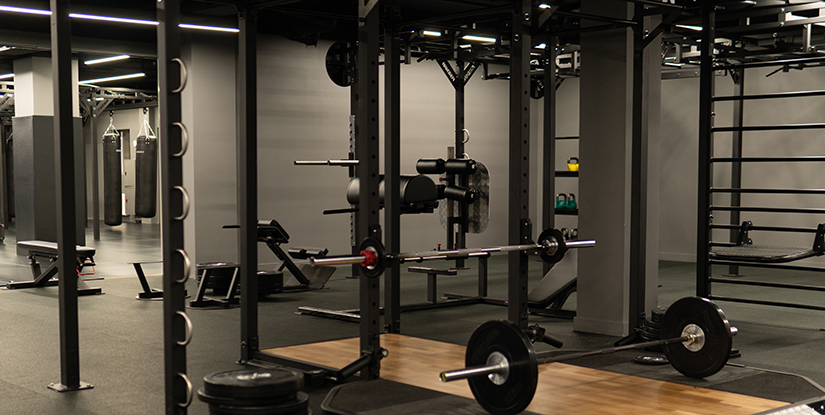
Navigating the Lifecycle of Gym Equipment Procurement
The procurement of high-performance fitness assets follows a strictly defined lifecycle: from initial concept and material specification to manufacturing, deployment, and eventual decommissioning. For facility owners and commercial operators, the decision to work with Local Gym Equipment Manufacturers is often driven by a need for custom dimensions, shorter lead times, or specific design iterations. However, the technical complexities of fabrication—ranging from steel grade selection to precision welding—require a deep understanding of the manufacturing process to avoid the common pitfalls of structural fatigue and aesthetic degradation.
Understanding this lifecycle allows a buyer to move from a passive consumer to an active specifier. By identifying the critical control points during the production phase, an operator can ensure that the equipment delivered matches the physical demands of their specific training environment. This guide examines the technical architecture behind high-quality gym machinery, focusing on the stages where quality is either forged or compromised.
Material Selection and the Structural Integrity Foundation
Before a single cut is made, the selection of raw materials dictates the long-term durability of the entire product line. A frequent failure mode in lower-tier manufacturing is the use of sub-standard steel gauges that look robust but lack the tensile strength required for heavy commercial use. High-quality manufacturing begins with the rigorous selection of carbon steel and specific alloy compositions.
Steel Gauges and Tensile Strength Requirements
In the manufacturing of heavy-duty racks and weight machines, the gauge of the steel is the single most important factor in preventing structural failure. A common mistake among novice buyers is assuming that thicker steel always equals better quality without verifying the grade of the metal. Manufacturers must specify the difference between standard mild steel and high-tensile steel to ensure the equipment can withstand repetitive dynamic loading.
- 11-Gauge Steel: Often used for heavy-duty power racks and weight stacks to ensure minimal deflection under load.
- 14-Gauge Steel: A standard for many commercial-grade strength machines, offering a balance of weight and durability.
- 16-Gauge Steel: Generally relegated to light-duty or residential-grade equipment; unsuitable for high-traffic commercial gyms.
Beyond the gauge, the choice of steel determines how the material reacts to the welding process and subsequent coating. Selecting a manufacturer that uses high-grade, consistent steel batches reduces the risk of micro-fractures during the bending process. Once the raw material is secured, the process moves into the precision shaping stage, where the geometry of the machine is defined.
Precision Metal Fabrication and Component Geometry
With the raw materials staged, the manufacturing process shifts toward defining the physical architecture of the equipment. This stage is where the precision of a manufacturer's machinery becomes evident through the consistency of the components produced.
Tube Bending and CNC Machining Accuracy
The geometry of modern fitness equipment relies heavily on precision bending and CNC (Computer Numerical Control) machining. If the tolerances in the tube bending process are too loose, the resulting frame may exhibit slight irregularities that lead to uneven weight distribution or mechanical friction in moving parts. Operators should look for manufacturers that utilize CNC plasma or laser cutting to ensure every notch and hole is perfectly aligned.
| Process Step | Technical Requirement | Common Failure Mode |
|---|---|---|
| CNC Laser Cutting | Tolerance within +/- 0.5mm | Jagged edges or inconsistent hole sizing |
| Tube Bending | Consistent radius and angle | Structural stress points or uneven loading |
| Drilling/Punching | Precision alignment for bolts | Misaligned mounting points and high friction |
A properly executed fabrication phase ensures that all moving parts—such as weight stacks, pulleys, and adjustment pins—operate with minimal resistance. This level of precision is the prerequisite for the assembly and welding phases that follow. As the components take shape, the focus shifts to the permanent structural bonds that hold the machine together.
Advanced Welding Techniques and Load-Bearing Integrity
Welding is the most critical stage in the construction of strength-training equipment. A failure in the welding process can lead to catastrophic structural collapse under heavy loads, making it a primary area for quality control. High-quality manufacturers use advanced welding technologies to ensure deep penetration and high-strength joints.
TIG vs. MIG Welding in Fitness Equipment
Most commercial-grade equipment is constructed using MIG (Metal Inert Gas) welding due to its speed and strength. However, the skill of the welder determines whether the joint is a point of strength or a point of failure. A common defect is the "cold weld," where the metal appears joined but lacks the necessary penetration to handle dynamic movement.
To verify the quality of welding, an operator can inspect the beads for consistency and look for signs of undercut or porosity. A high-quality weld should be smooth, continuous, and show no visible gaps or bubbles. This structural integrity is essential before the product can proceed to the surface finishing and aesthetic refinement stages.
The Role of Weld Inspection in Quality Control
Experienced manufacturers employ visual and sometimes non-destructive testing (NDT) to ensure every joint meets safety standards. This includes checking for:
- Penetration Depth: Ensuring the weld reaches the core of the metal for maximum strength.
- Heat-Affected Zone (HAZ) Control: Preventing excessive heat from weakening the surrounding steel during the weld.
- Geometric Alignment: Ensuring the weld does not pull the frame out of its intended alignment.
Effective welding provides the structural skeleton required for the machine, but that skeleton must also be protected from the environment through advanced coating technologies. Once the structural integrity is confirmed, the manufacturer focuses on the external finish to ensure longevity and aesthetic appeal.
Explore the complete technical specifications:
Hidden Costs of Choosing the Wrong Fitness Equipment Manufacturer
Surface Finishing and Corrosion Resistance Strategies
The environment of a gym—often humid, high-traffic, and filled with sweat—is incredibly harsh on metal surfaces. A failure in the finishing process leads to premature oxidation (rust) and aesthetic degradation, which can damage a facility's reputation and the machine's longevity.
Powder Coating vs. Electrostatic Painting
The choice between powder coating and liquid painting is a major decision point for commercial-grade equipment. Powder coating is widely considered the gold standard for gym equipment due to its thickness and durability. Unlike liquid paint, which can chip easily under impact, powder coating creates a hard, resilient shell that is resistant to abrasion.
| Feature | Powder Coating | Liquid Painting |
|---|---|---|
| Durability | High (Resistant to scratches/impact) | Moderate (Prone to chipping) |
| Corrosion Protection | Excellent (Provides a thick barrier) | Standard (Thinner layer) |
| Surface Texture | Consistent and professional | Variable finish quality |
| Ideal Use Case | Commercial Strength Equipment | Light-duty or Decorative Items |
When inspecting a new shipment, an operator should check for uniformity in the finish. Any areas of thin coverage, bubbles, or uneven texture can indicate a poorly managed coating process, which may lead to localized rust in the near future. With a durable finish applied, the final step is the integration of moving parts and upholstery.
Explore the complete technical specifications:
Top Gym Equipment Manufacturers: Global Leaders & Niche Builders
Mechanical Integration and Component Tolerance
A machine is more than just a steel frame; it is a complex assembly of moving parts, bearings, and upholstery. The final construction phase involves integrating these diverse components into a cohesive, functional unit. This is where the precision of the previous fabrication stages is truly tested.
Bearing Systems and Pulley Smoothness
In selectorized machines and cable rows, the quality of the bearings and pulleys dictates the "feel" of the exercise. A cheap bearing or a misaligned pulley will create vibration and friction, which can lead to cable fraying and eventual breakage. High-end manufacturers utilize sealed ball bearings and high-density pulleys to ensure a smooth, fluid motion.
- Bearing Quality: Sealed units prevent dust and debris from entering the mechanism.
- Pulley Material: Nylon or high-density polymers are preferred over low-grade plastics for longevity.
- Cable Composition: Aircraft-grade steel cables with high tensile strength and nylon coating are industry standards.
Failure to properly align these moving parts often results in uneven wear patterns. An operator should test the range of motion on every machine during the commissioning phase to ensure there is no sticking or unusual noise. This mechanical testing is the final checkpoint before the equipment is deployed to the gym floor.
Explore the complete technical specifications:
Gym Equipments Manufacturers: Industry Trends, Technology, and Sourcing
Upholstery Durability and Ergonomic Standards
While the steel frame provides the strength, the upholstery provides the user experience. Low-quality foam and vinyl are common points of failure in gym environments, often leading to the internal foam becoming exposed or the vinyl tearing under heavy use.
High-Density Foam and Medical-Grade Vinyl
Quality upholstery must be both ergonomic and incredibly durable. High-density, closed-cell foam is preferred because it retains its shape over thousands of compression cycles, whereas low-density foam will quickly flatten and become uncomfortable. Similarly, the vinyl covering should be high-grade, often referred to as medical or commercial-grade, to resist sweat, skin oils, and UV exposure.
When evaluating equipment, an operator should perform a "pressure test" on the pads. If the padding feels soft or bottomless, it is likely low-density foam that will fail prematurely. A reliable manufacturer will provide specifications for the foam density (measured in kg/m³) and the vinyl'ability to withstand heavy friction. Proper upholstery is as essential to the lifespan of the machine as the steel frame itself.
Explore the complete technical specifications:
Gym Equipments In China: Manufacturing Quality and Sourcing Guide
Operational Deployment and Facility Integration
Once the manufacturing and assembly processes are complete, the focus shifts to the practicalities of deployment. Even the highest-quality equipment can fail if it is not installed and maintained according to professional standards.
Layout Optimization and Weight-Bearing Floor Loads
Deploying heavy strength equipment requires more than just unboxing. An operator must consider the floor's load-bearing capacity, especially when installing heavy platforms or massive squat racks. Improper placement can lead to floor damage or even structural issues in the building itself.
Additionally, the layout must allow for safe movement around the machines. An improperly spaced gym floor increases the risk of collisions and limits the ability of trainers to observe form. When working with Local Gym Equipment Manufacturers, it is often beneficial to request a floor plan consultation to ensure the pieces fit the intended workflow and safety requirements of the facility.
Explore the complete technical specifications:
Gym Equipment Maker: Commercial Manufacturing Excellence Guide
Routine Maintenance and Longevity Protocols
The lifecycle of gym equipment does not end at deployment; rather, it enters the most critical phase: the maintenance stage. A rigorous inspection and lubrication schedule is necessary to preserve the investment and ensure user safety.
The Preventive Maintenance Checklist
To avoid the sudden failure of moving parts, facility managers should implement a structured maintenance protocol. Most mechanical failures in a gym are preventable through regular, low-cost interventions. An effective maintenance program includes:
- Weekly Visual Inspections: Checking for loose bolts, frayed cables, or chipped powder coating.
- Monthly Lubrication: Applying high-grade silicone or specialized lubricant to guide rods and pulleys.
- Quarterly Torque Verification: Using a torque wrench to ensure all structural bolts remain at the specified tightness.
- Upholstery Integrity Checks: Looking for small tears in vinyl before they expand into larger failures.
By adhering to these standards, an operator can significantly extend the functional life of their equipment. As equipment reaches the end of its effective lifecycle, understanding these technical cues will help in making the decision for the next procurement cycle.