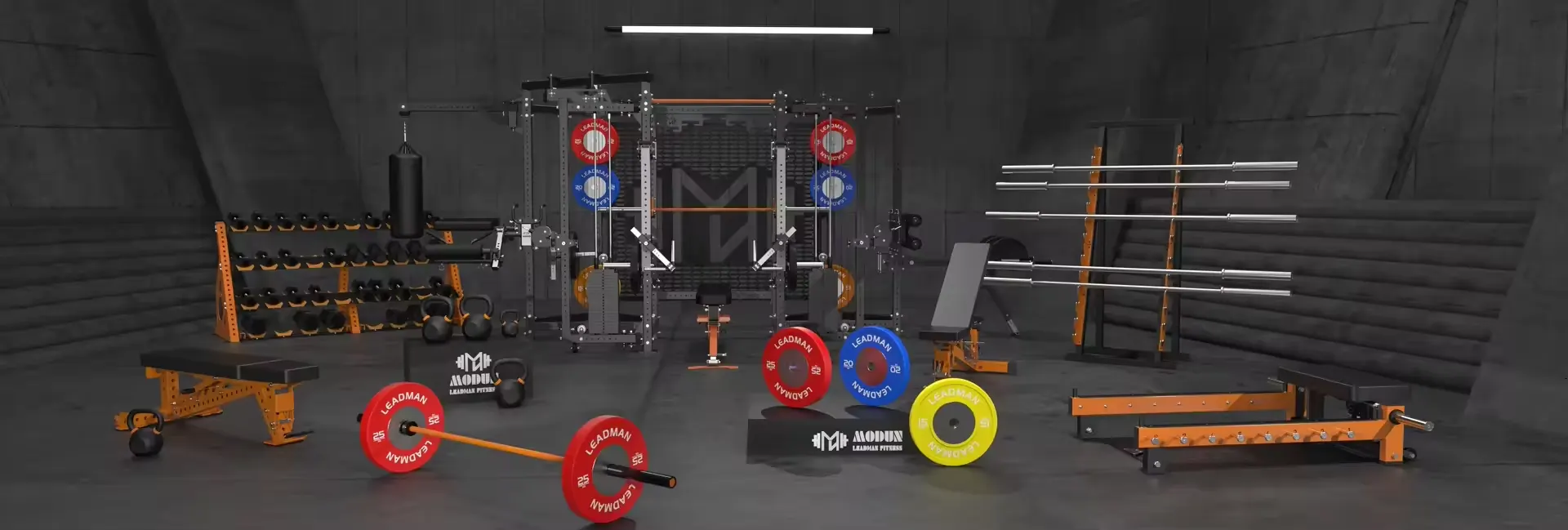
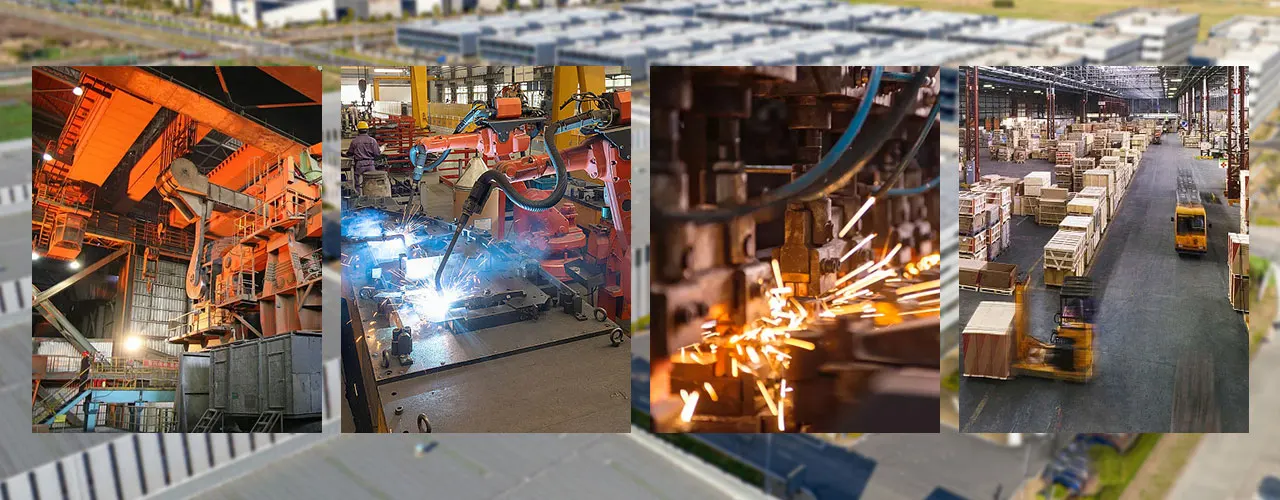
Selecting a gym equipment maker extends far beyond comparing price points—it demands rigorous evaluation of manufacturing capabilities, quality assurance protocols, and the supplier's ability to deliver consistent product quality across thousands of units. The most reputable fitness equipment manufacturers distinguish themselves through vertical integration, controlling processes from raw steel procurement through final powder coating to ensure uniform material specifications and adherence to tolerance standards. These commercial gym equipment manufacturers invest heavily in advanced fabrication technologies—robotic welding cells, CNC machining centers, and automated finishing lines—that deliver precision unattainable through manual production methods. For facility operators, the strength equipment manufacturer selection directly influences operational costs, member satisfaction, and the overall competitive positioning of their fitness destination.
Evaluating prospective gym equipment makers requires analyzing their engineering resources, including R&D capabilities and design innovation track records. Industry leaders maintain in-house engineering teams equipped with finite element analysis software and motion-capture laboratories, enabling data-driven frame optimization that maximizes structural integrity while minimizing material usage. This engineering rigor translates into equipment that resists fatigue failure under high-frequency usage, with frames that maintain alignment and moving components that preserve smooth operation over extended service life. The manufacturer of gym equipment should also demonstrate commitment to testing—dynamic load testing, cycle testing, and structural validation—providing documented evidence that their products meet or exceed international safety standards. For commercial facilities, the ability to supply replacement parts, offer responsive technical support, and honor warranty commitments becomes as vital as initial product quality.
The production capacity and supply chain capabilities of a gym equipment manufacturer directly impact delivery schedules and inventory availability—critical factors for facility openings, expansions, and equipment rotation programs. Large-scale manufacturers maintain substantial warehouse operations and regional distribution networks that ensure rapid fulfillment of both standard and expedited orders. For facilities seeking custom equipment, the manufacturer's willingness to accommodate special specifications—unique color matching, proprietary branding, modified dimensions, or tailored resistance profiles—distinguishes premium suppliers from commodity producers. The shift toward sustainable manufacturing practices also influences selection, with advanced manufacturers implementing closed-loop production systems, recycled material utilization, and energy-efficient finishing technologies that reduce environmental impact while often improving cost-effectiveness.
Let our experts design the perfect gym solution for your business. Get a free consultation and quote today.