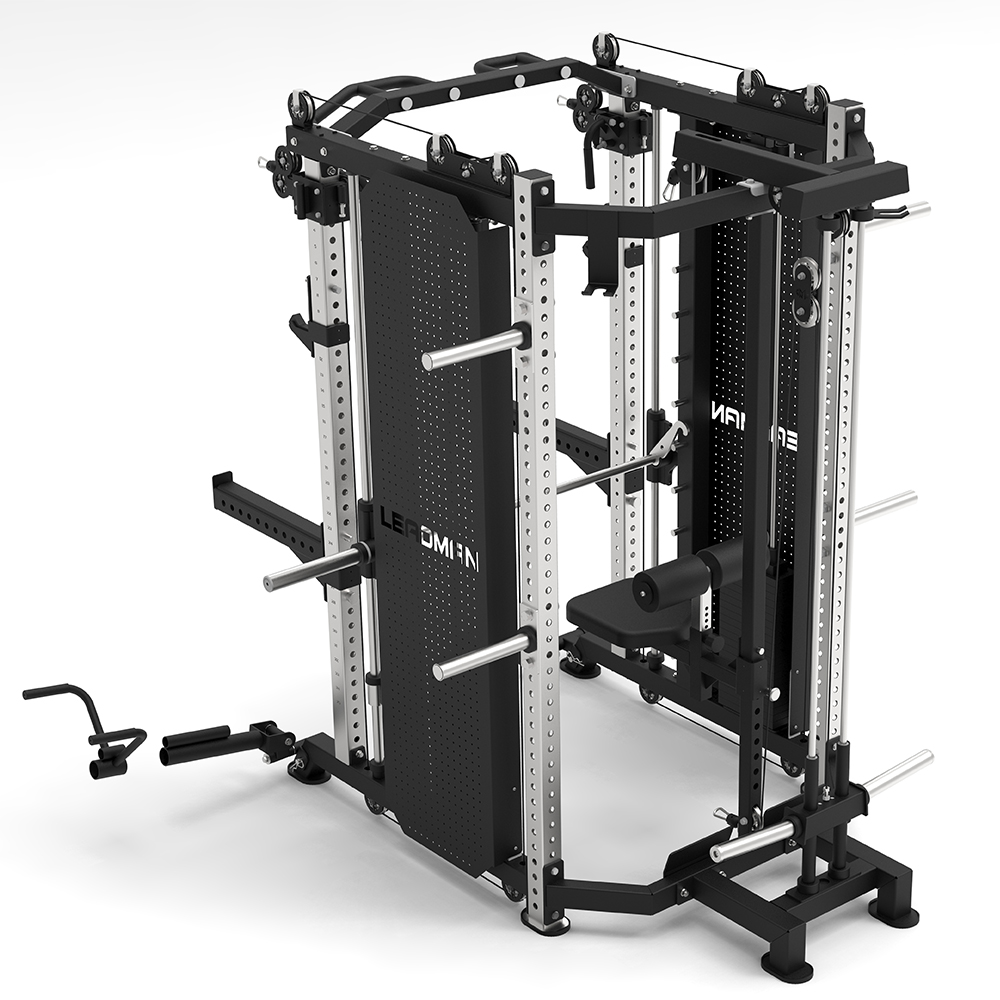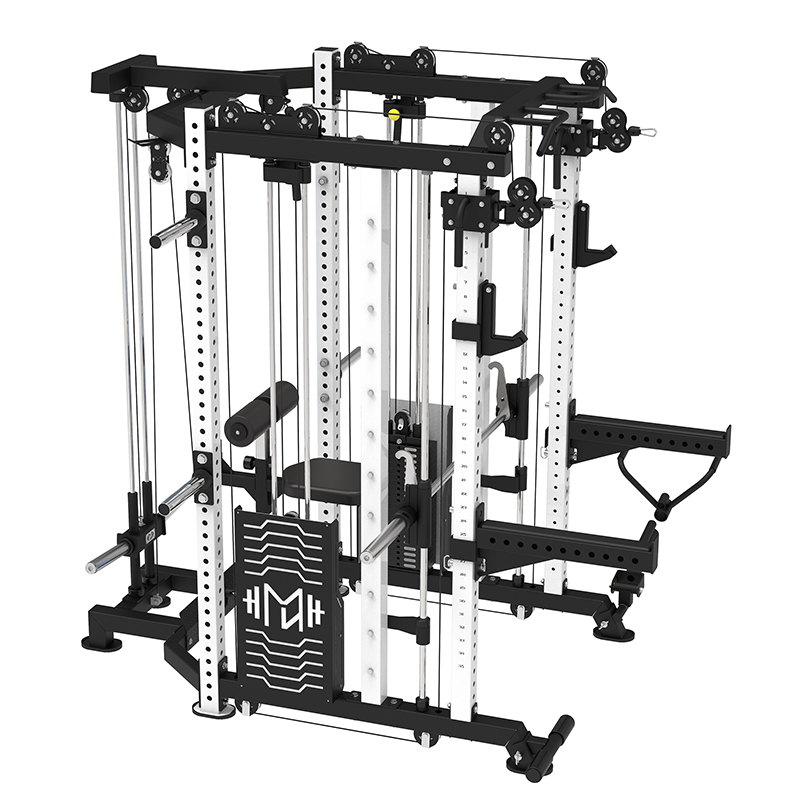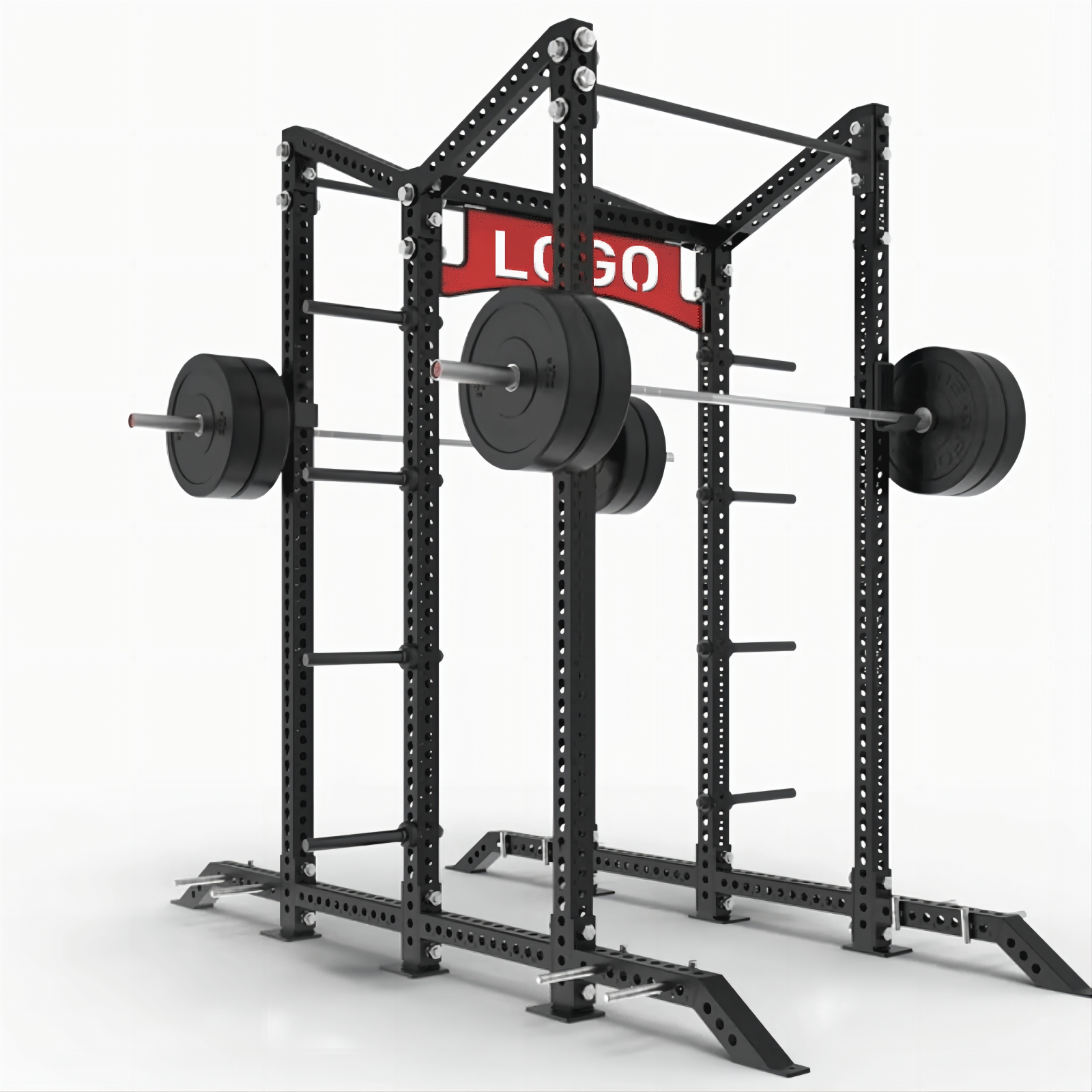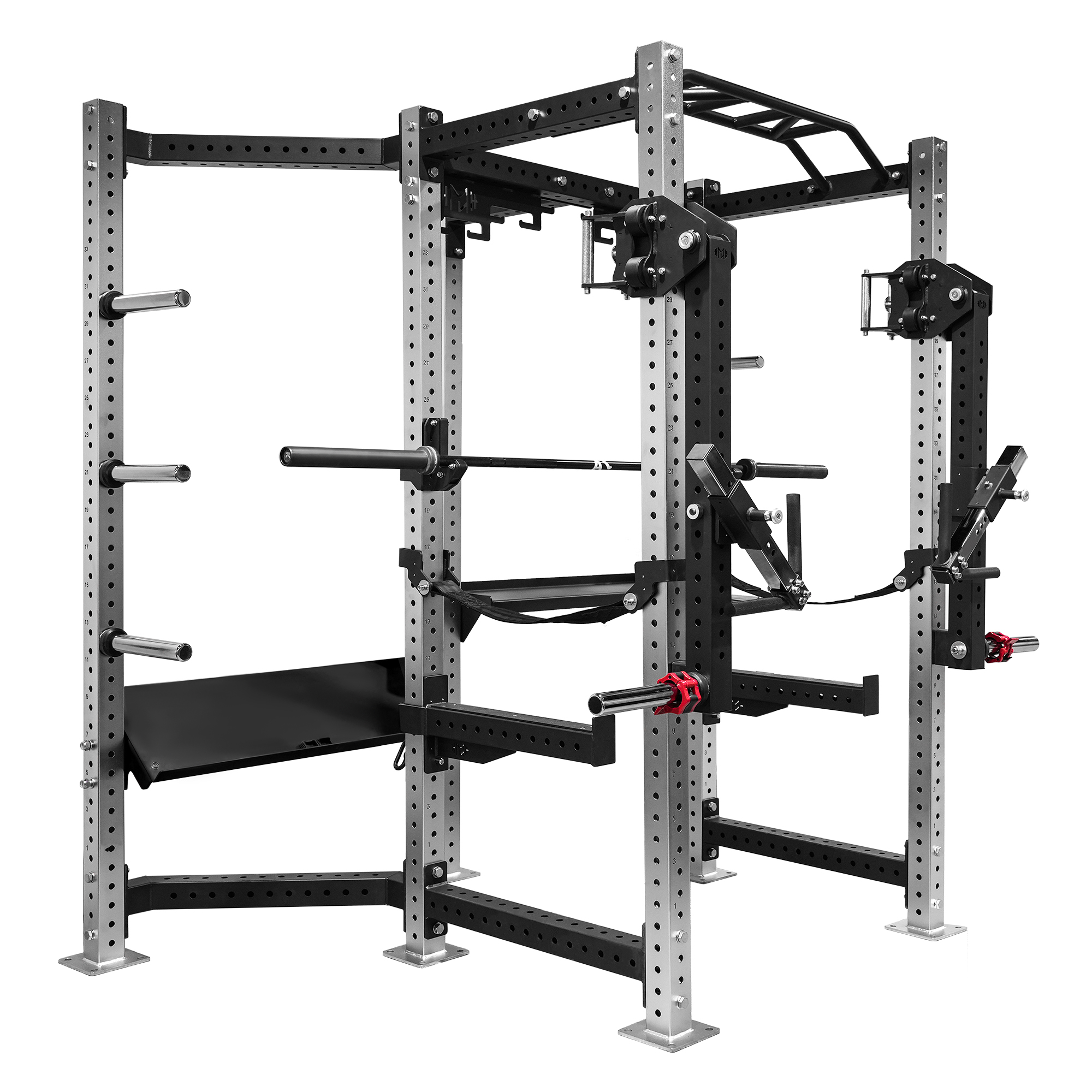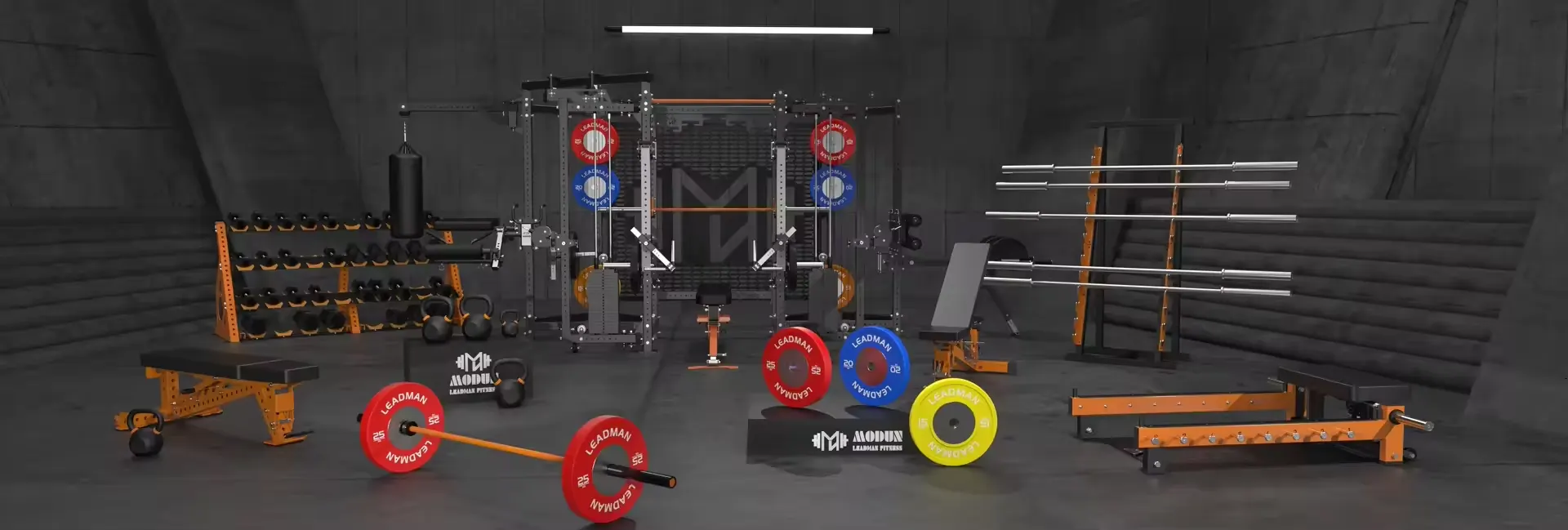
The global fitness industry's unprecedented growth trajectory has intensified competition among gym equipments manufacturers, driving a wave of technological innovation and production optimisation across established and emerging manufacturing hubs. With the commercial fitness equipment market projected to exceed $15 billion by 2028, manufacturers are under pressure to deliver equipment that balances performance durability, biomechanical precision, and aesthetic appeal while meeting tightening regulatory standards across multiple jurisdictions. The current competitive landscape is shaped by vertical integration, regional specialisation, and the accelerating adoption of Industry 4.0 technologies that promise to redefine manufacturing efficiency and product quality.
Vertical integration has emerged as a defining characteristic of successful gym equipment manufacturers, enabling unprecedented control over quality, cost, and supply chain resilience. Manufacturers operating integrated facilities—encompassing steel processing, robotic welding, powder coating, and assembly—achieve consistent material quality and finish consistency across product lines. In-house R&D departments of commercial gym equipment manufacturers develop proprietary adjustment mechanisms, patented pulley systems, and ergonomic innovations that differentiate their products in a crowded market. This integration reduces per-unit costs by 12–18% compared to deconstructed supply chains, enabling competitive pricing at the commercial segment.
Geographic specialisation continues to shape the fitness equipment manufacturing landscape. Shandong province (China) leads in commercial strength equipment, leveraging regional heavy-industry infrastructure and skilled welding workforce. Jiangsu and Zhejiang excel in cardio equipment and rubber products, with established polymer processing expertise. Taiwan maintains premium position for precision machines and select strength equipment, while European manufacturers lead in biomechanically validated equipment and premium aesthetics. North American manufacturers focus on specialised equipment and high-price-point segments, prioritising innovation over volume. This regional distribution enables strategic supplier selection aligned with product requirements and quality expectations.
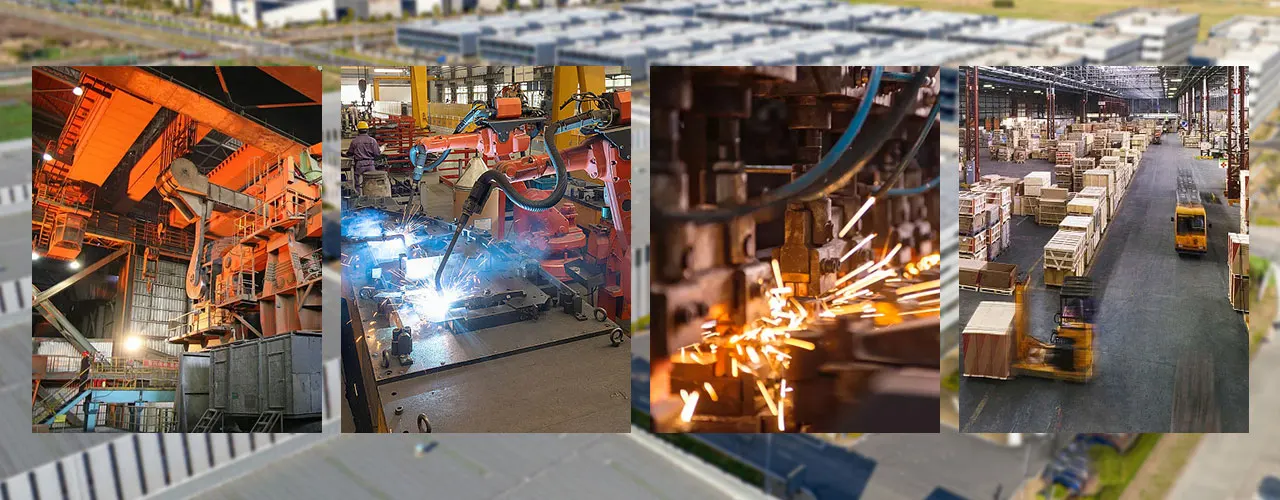
Technology adoption is rapidly transforming manufacturing processes among leading gym equipments manufacturers. Laser-cutting systems with ±0.1mm precision and robotic MIG welding cells ensure consistent dimensional accuracy and weld penetration across all welded joints. Advanced finishing lines deliver electrostatic powder coating at 60–80 microns for superior corrosion resistance, while automated assembly stations with torque-controlled fastening guarantee consistent hardware application. Industry 4.0 integration—IoT-enabled production monitoring and AI-powered defect detection—reduces manufacturing variability and improves quality consistency. As competition intensifies, manufacturers that invest in advanced production technologies, robust quality management systems, and responsive supply chain capabilities will lead the market.
Let our experts design the perfect gym solution for your business. Get a free consultation and quote today.