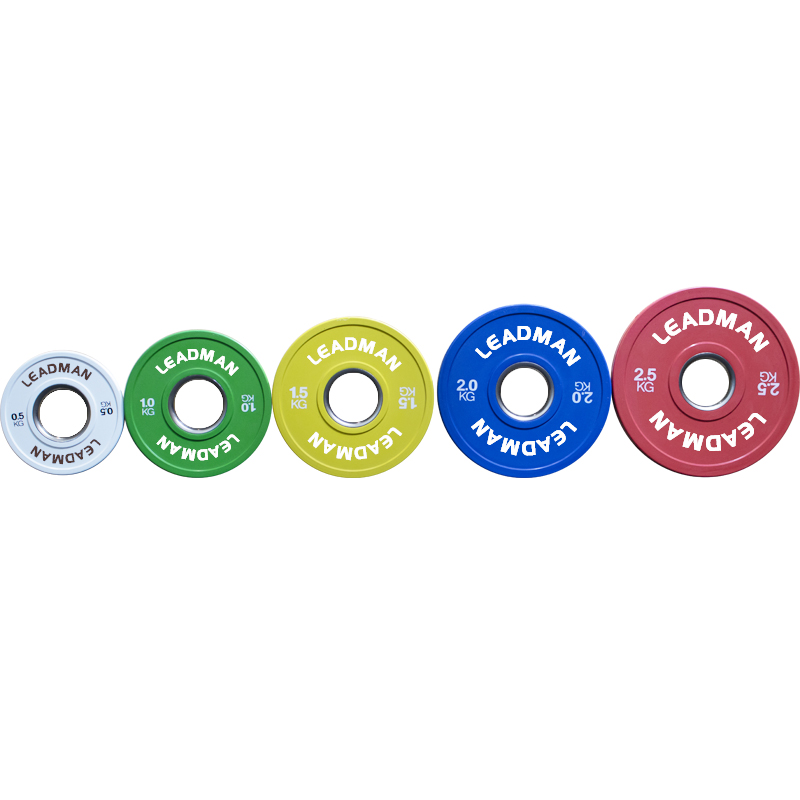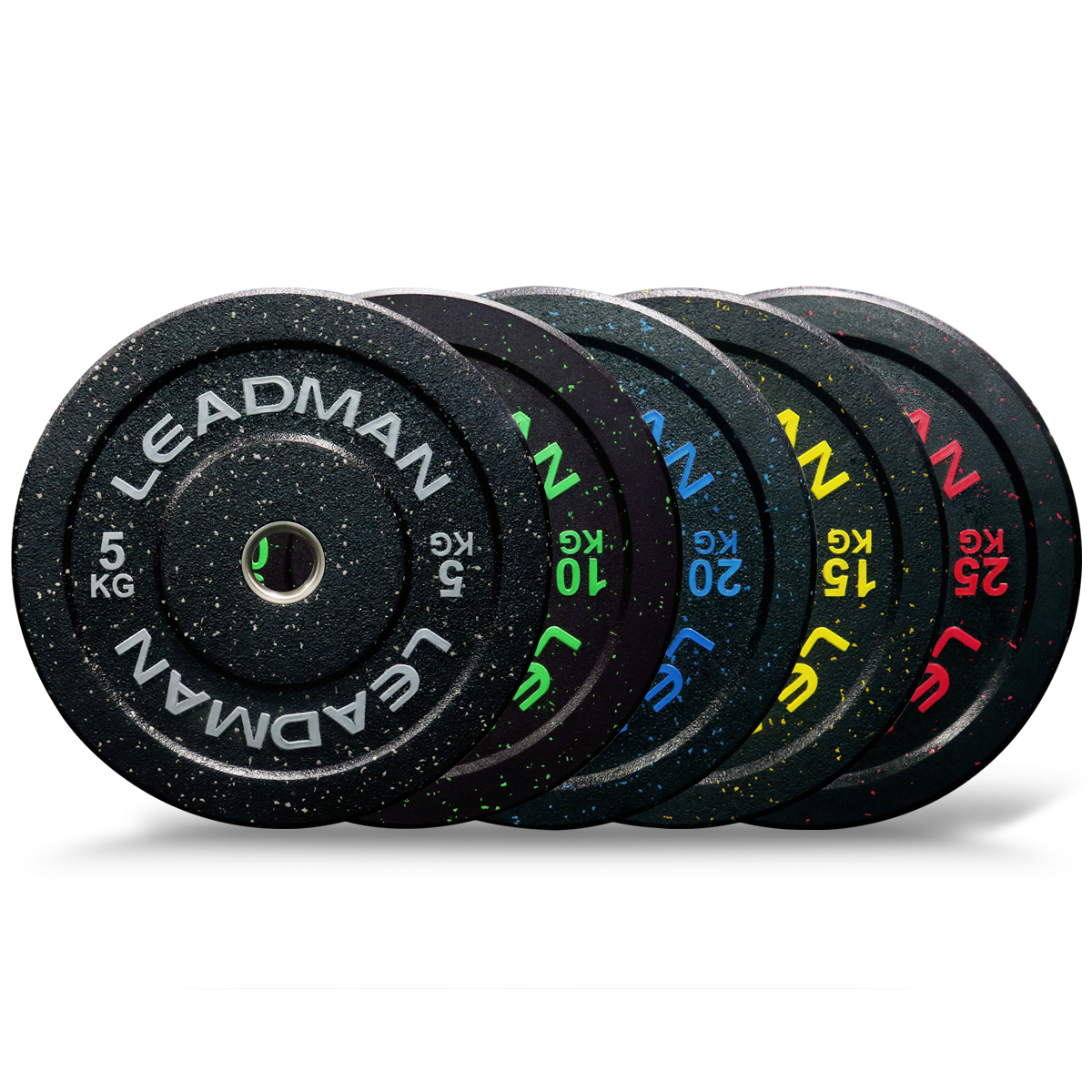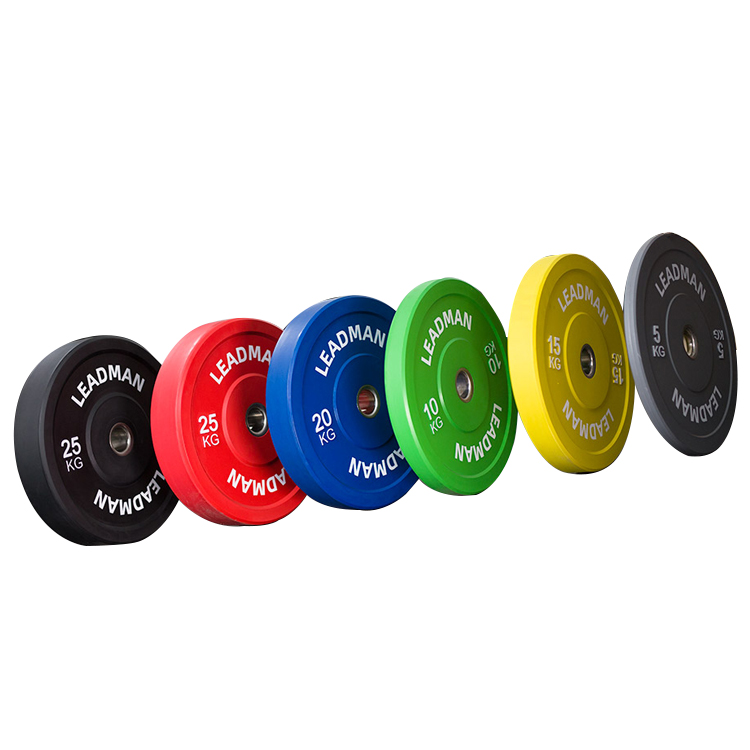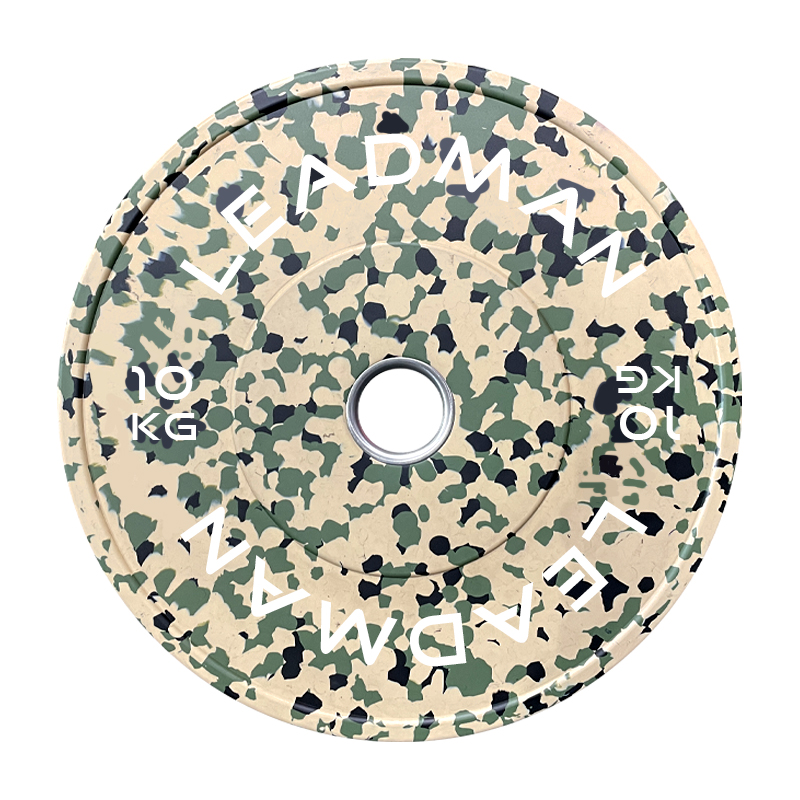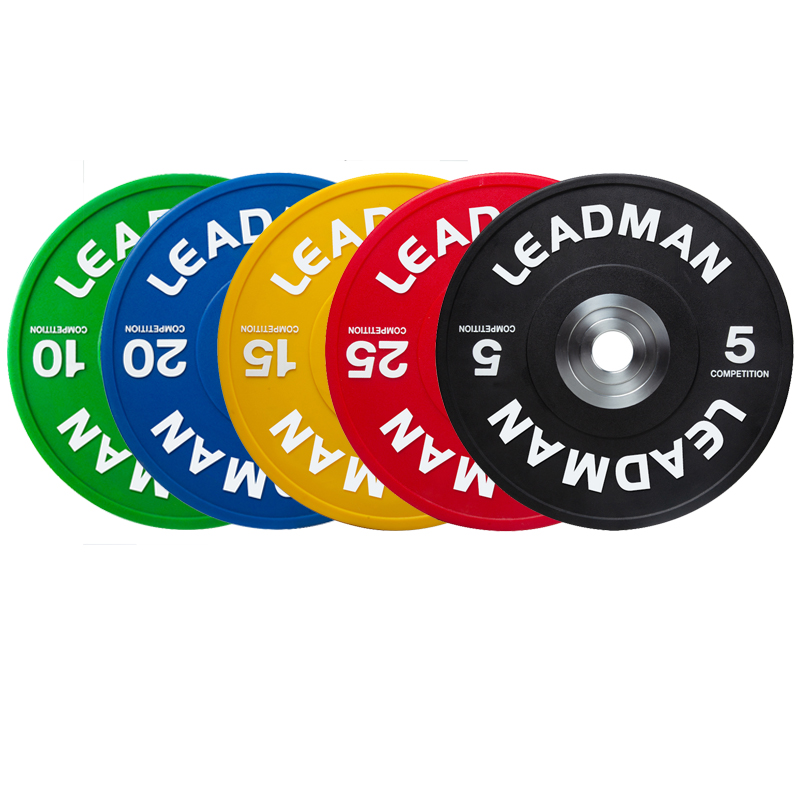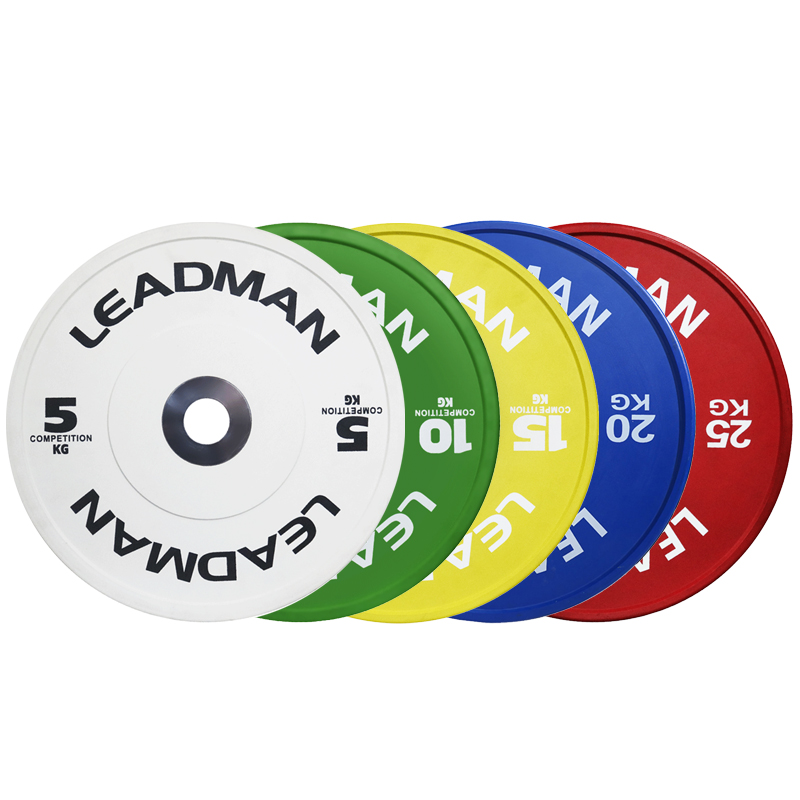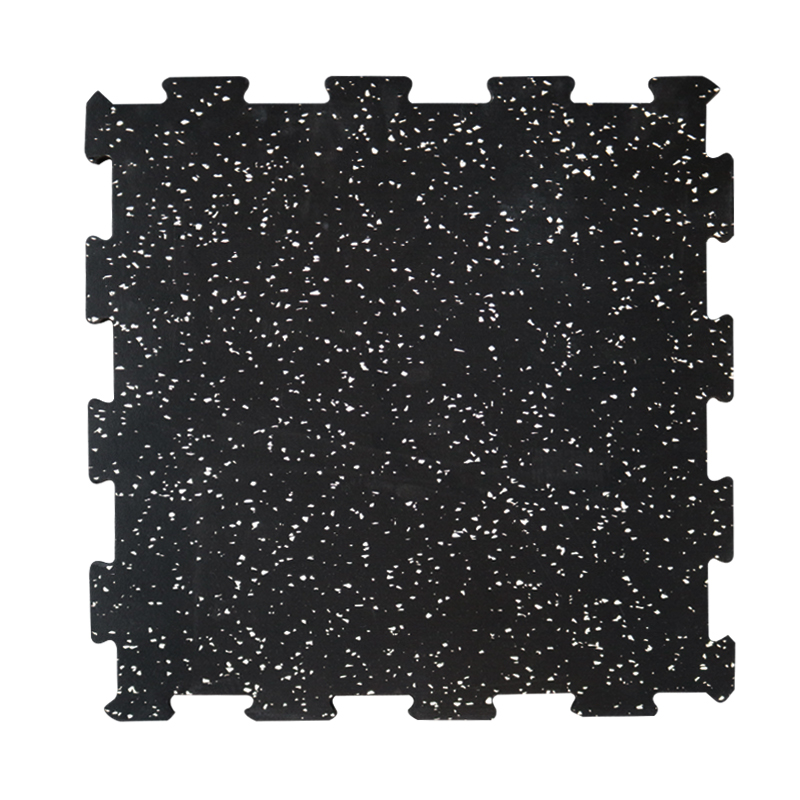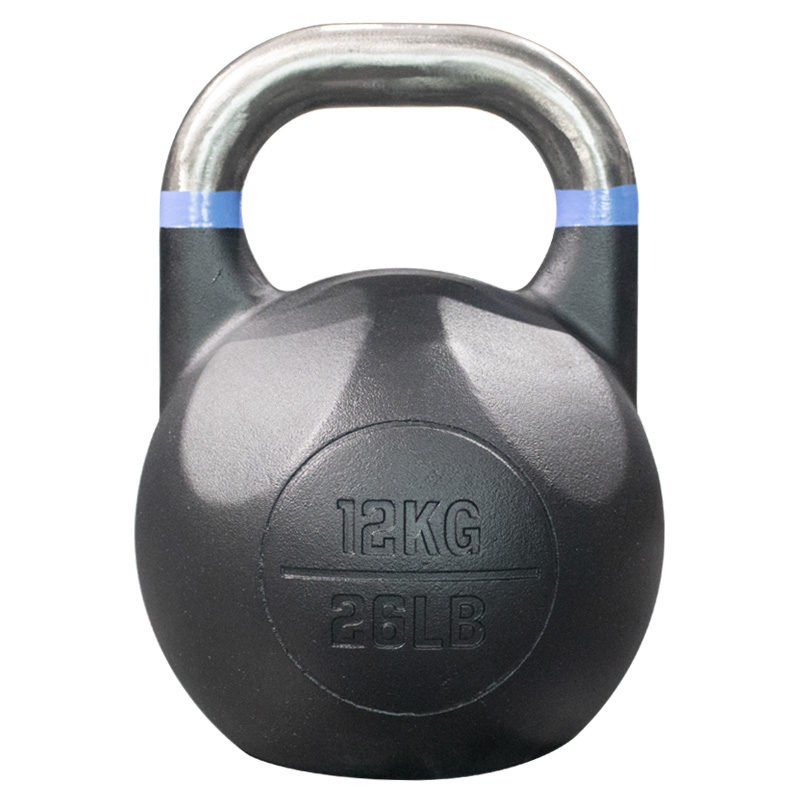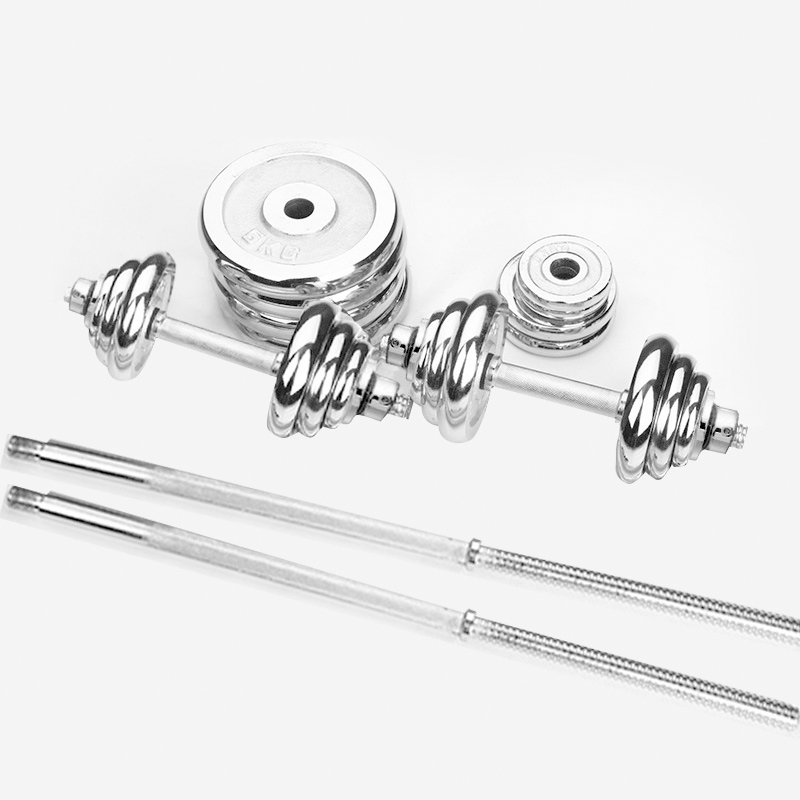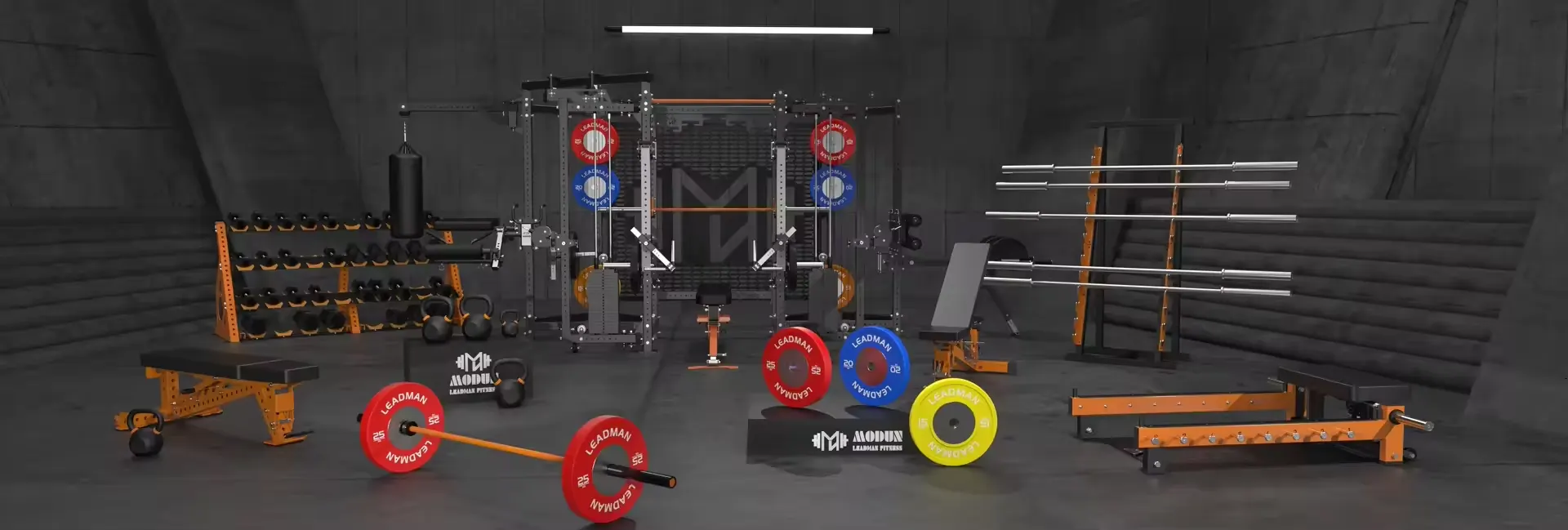
Gym weight refers to the measurable resistance used in strength training, encompassing both the iron, rubber, or urethane plates loaded onto barbells and machines, as well as the weight stacks built into selectorized equipment. Unlike external loads such as resistance bands or bodyweight exercises, gym weight provides quantifiable, progressive overload through gravity-dependent mass, allowing lifters to track increases in strength across training cycles.
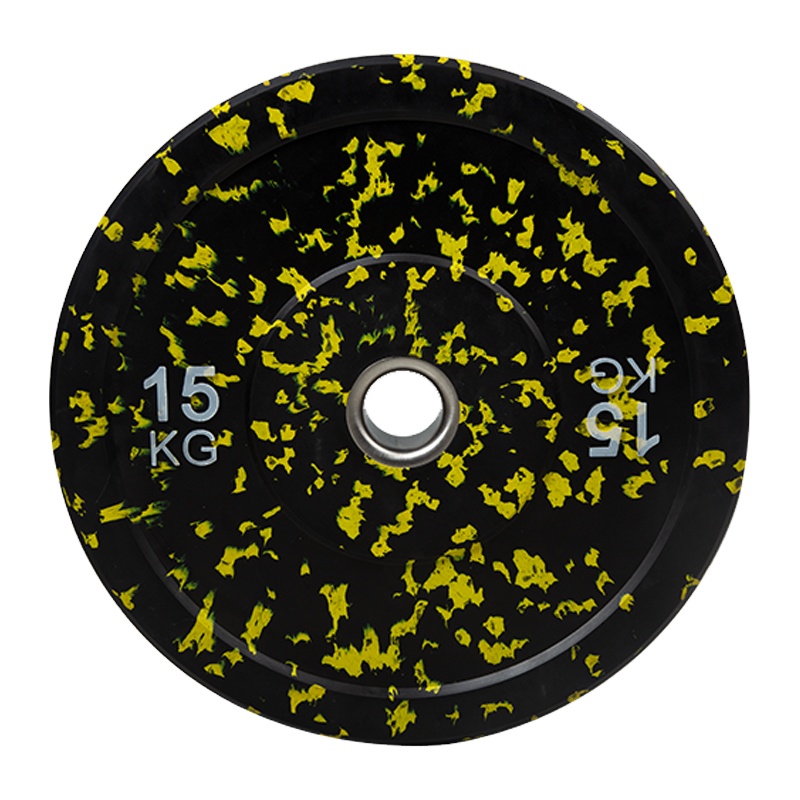
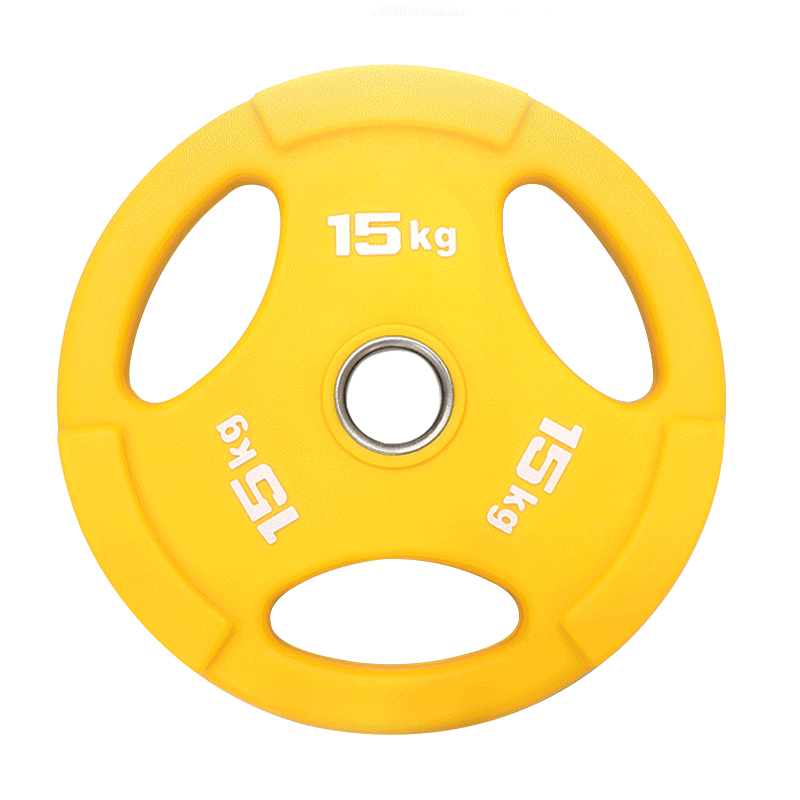
The material composition of gym weight plates significantly affects longevity, noise, floor protection, and cost. Cast iron plates offer the thinnest profile per pound and lowest cost ($0.50-1.00/lb), but damage flooring when dropped and produce loud clanking. Rubber bumper plates feature uniform thick rubber (1.5-3 inches), designed for overhead dropping in Olympic lifting, but consume sleeve space—typically $1.50-3.00/lb. Rubber-coated cast iron provides floor protection without bumper bulk ($1.00-2.00/lb), but should never be dropped from height. Urethane plates offer the highest durability and no odor ($2.50-5.00/lb), resisting tearing and compression set over 10+ years of commercial use.
Industry standards for gym weight accuracy vary by grade. Fitness-grade plates carry +/- 3-5% weight tolerance, acceptable for home use but causing noticeable imbalance on bilateral lifts. Commercial-grade achieves +/- 2%, sufficient for general facility use. Competition-grade meets +/- 1% or better, calibrated for records and federated competition. A 2024 analysis of 50,000+ plate reviews found that 68% of user complaints about "unbalanced" or "uneven" loads traced to plates with variance exceeding +/- 3%, particularly when mismatched pairs were used on the same barbell.
For buyers selecting gym weight, consider plate thickness and storage compatibility. Bumper plates consume 2-3x more storage space per pound than cast iron—a 200 lb set of cast iron requires 12-15 inches of horizontal rack space; the same weight in bumpers requires 24-36 inches. Verify barbell sleeve length before purchasing thick bumpers: most standard bars accommodate 3-4 bumpers per side; loading 5+ bumpers requires deadlift bars with 18+ inch sleeves. For commercial facilities with diverse user populations, stock 70-80% of gym weight in rubber-coated iron or urethane (durable, floor-protective), reserving bumpers for dedicated Olympic lifting zones. Home gym buyers on concrete floors should prioritize rubber bumpers or stall mats plus rubber-coated iron; cast iron alone risks floor cracking. Always weigh new plates upon arrival and pair closely matched units for balanced loading. Expect to invest $500-2,000 for a complete home gym plate set; commercial facilities spend $5,000-30,000 depending on equipment type and total poundage (10,000-50,000+ lbs typically).

Let our experts design the perfect gym solution for your business. Get a free consultation and quote today.