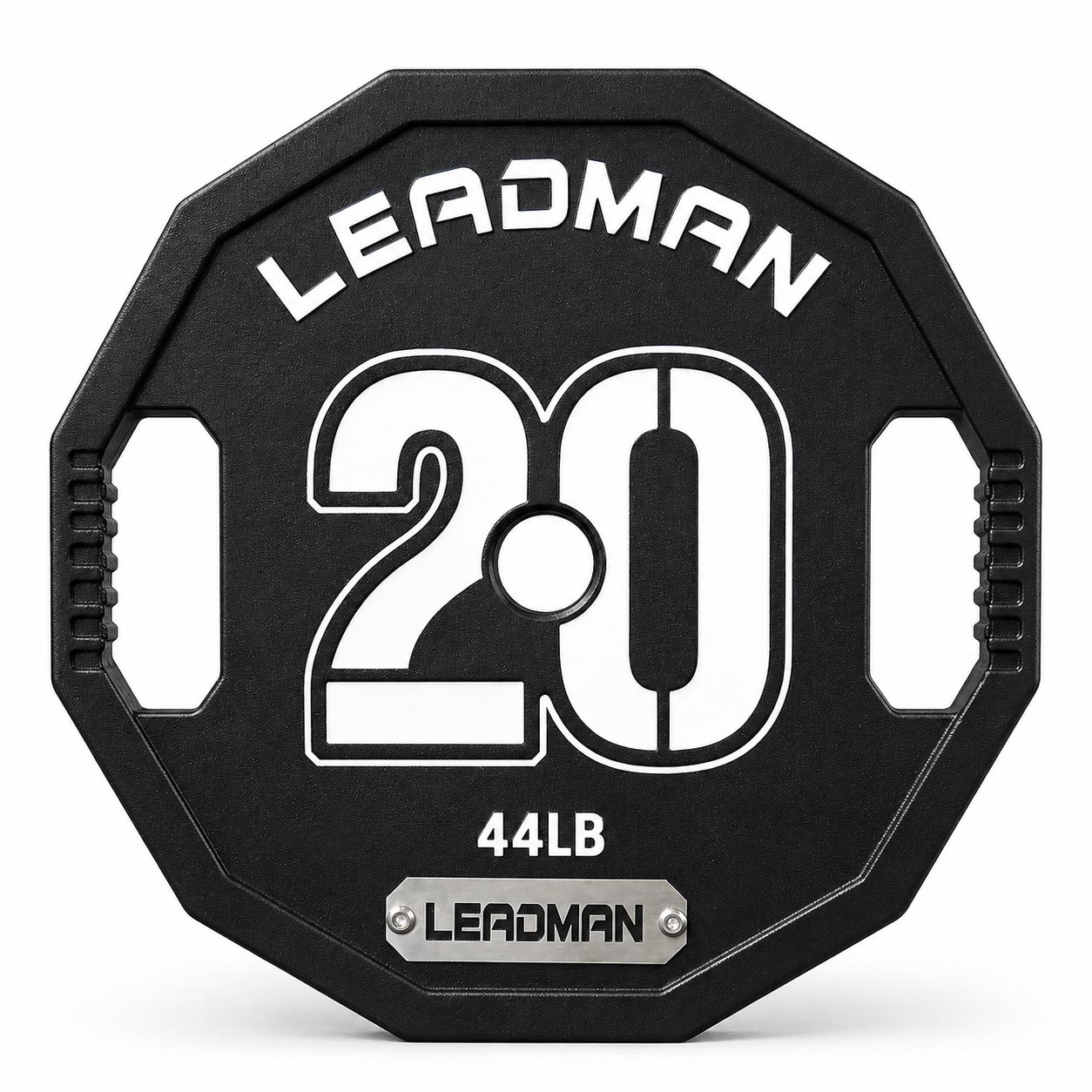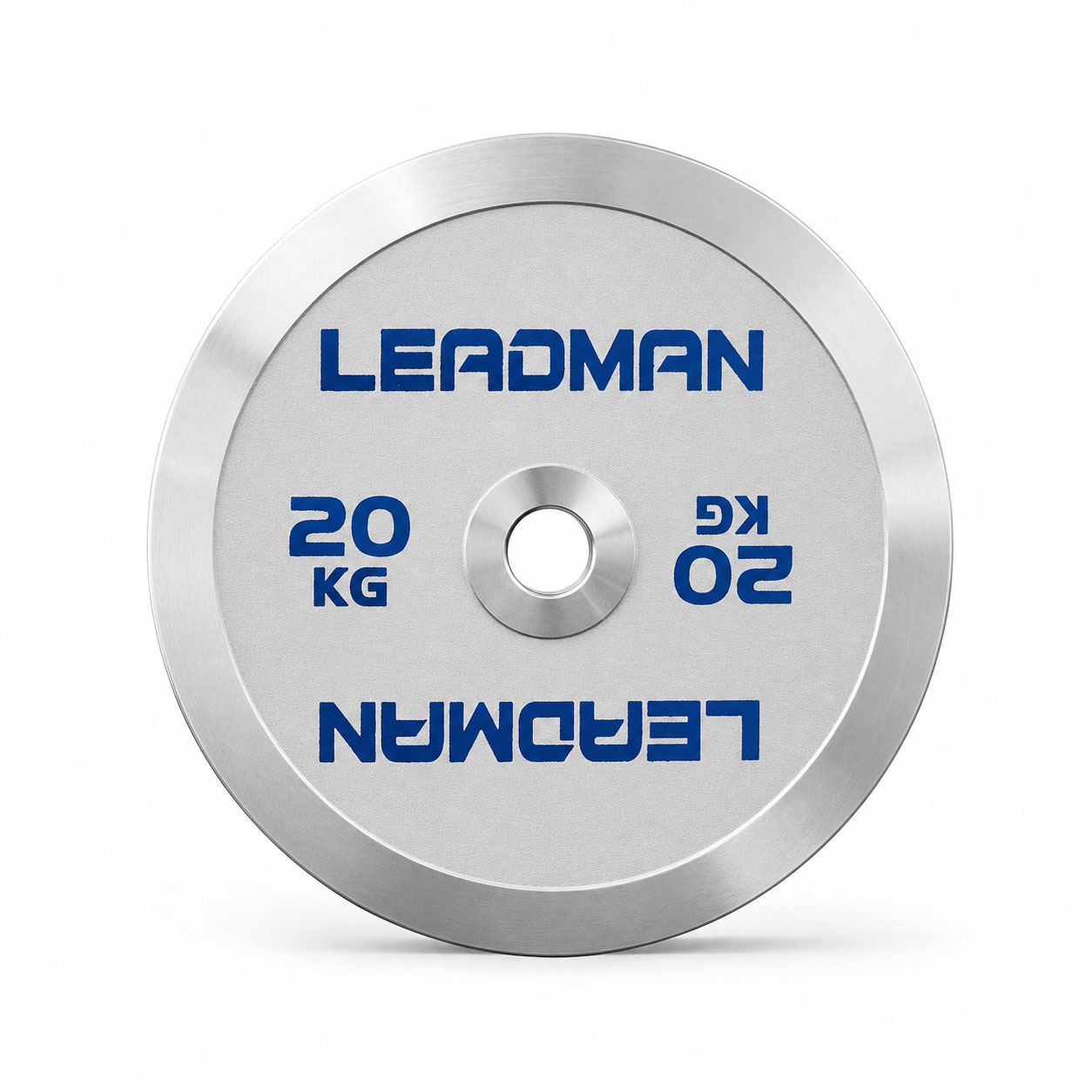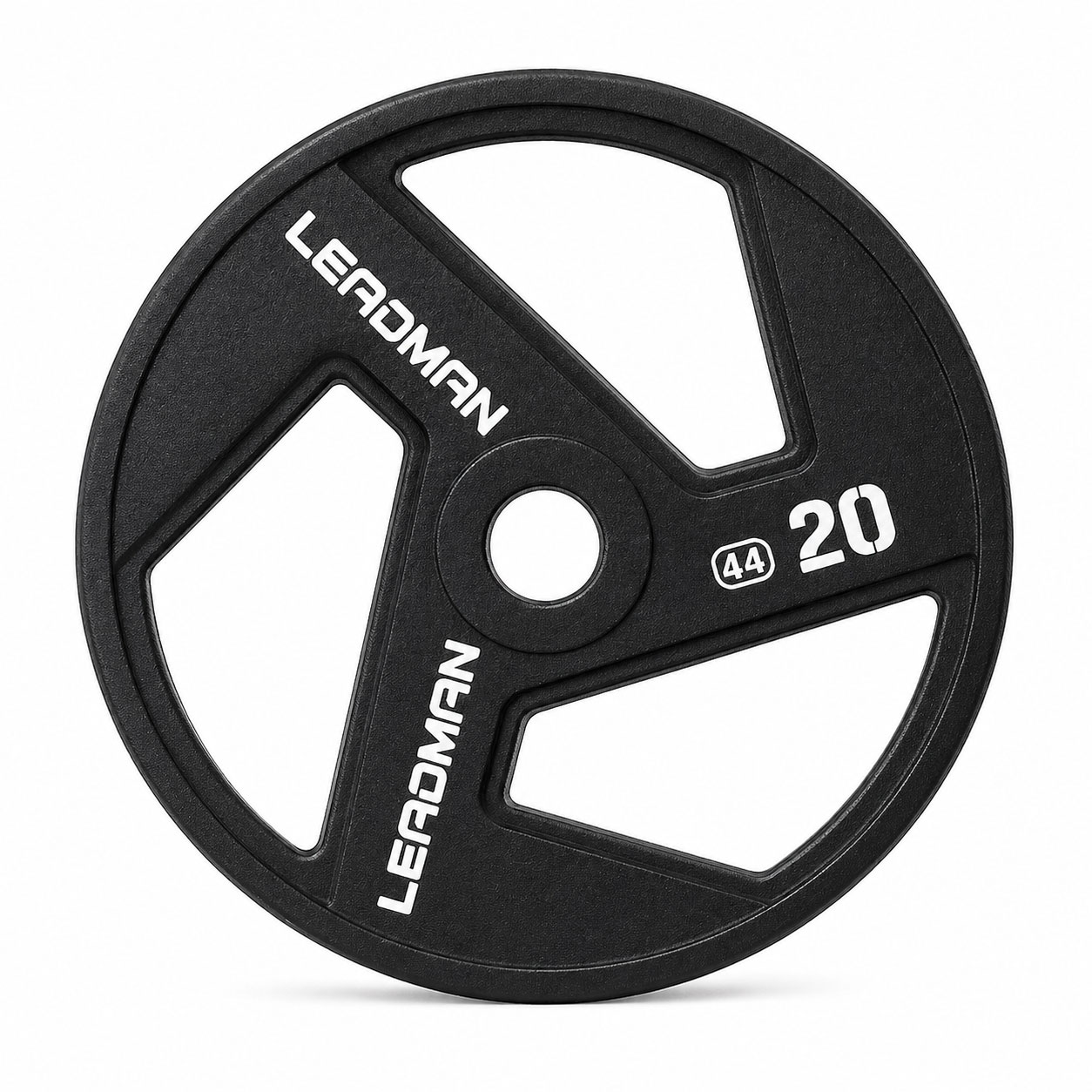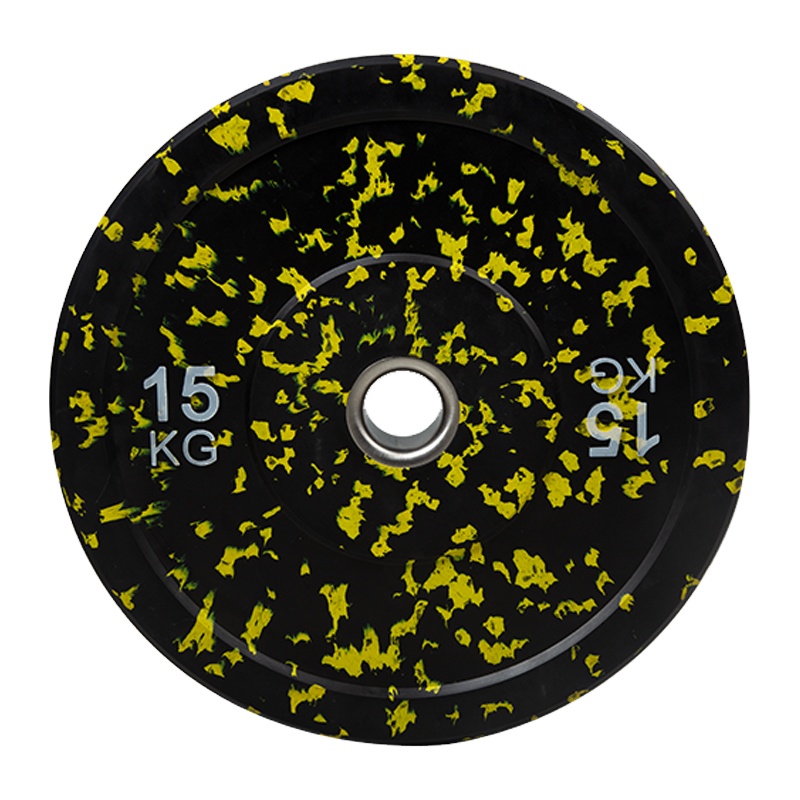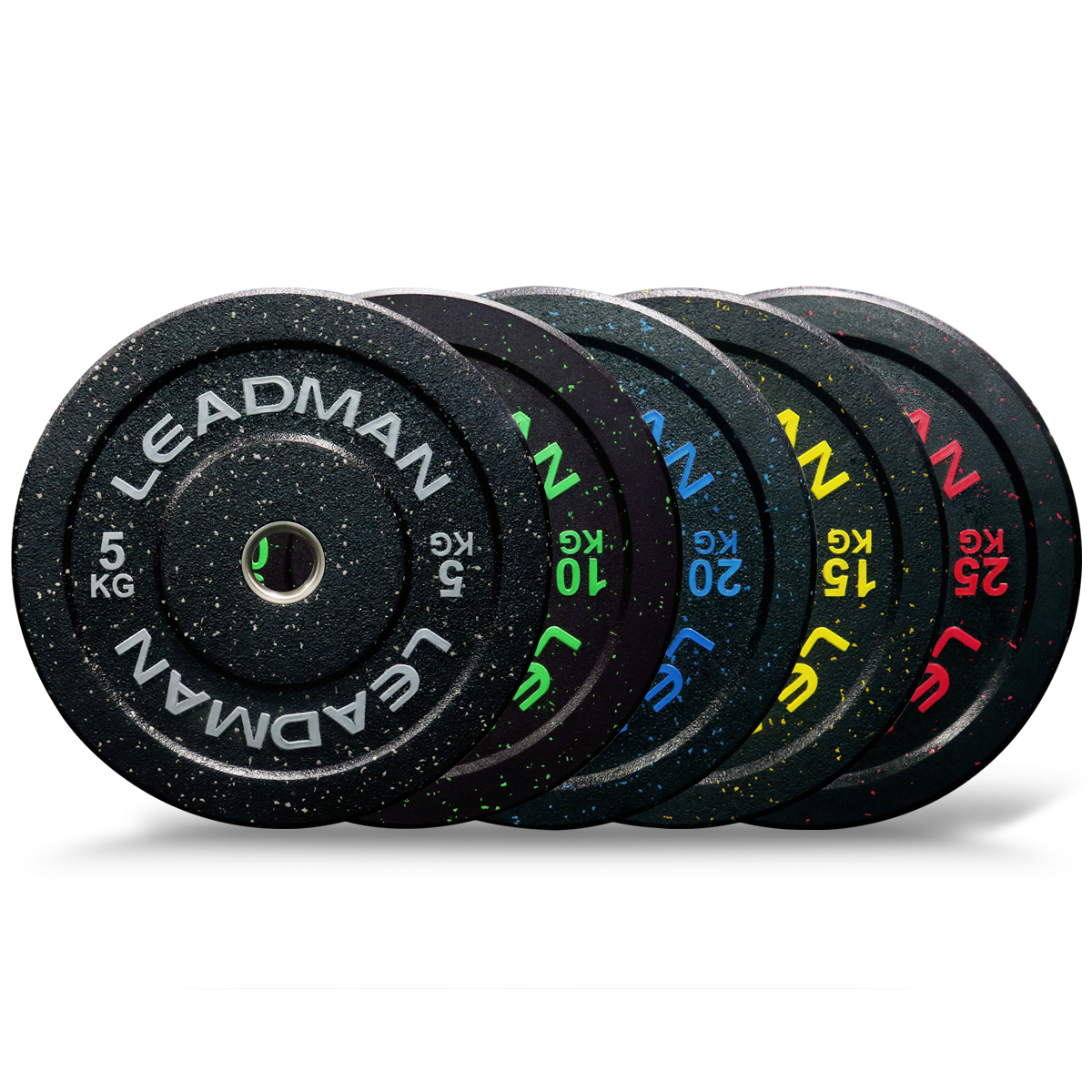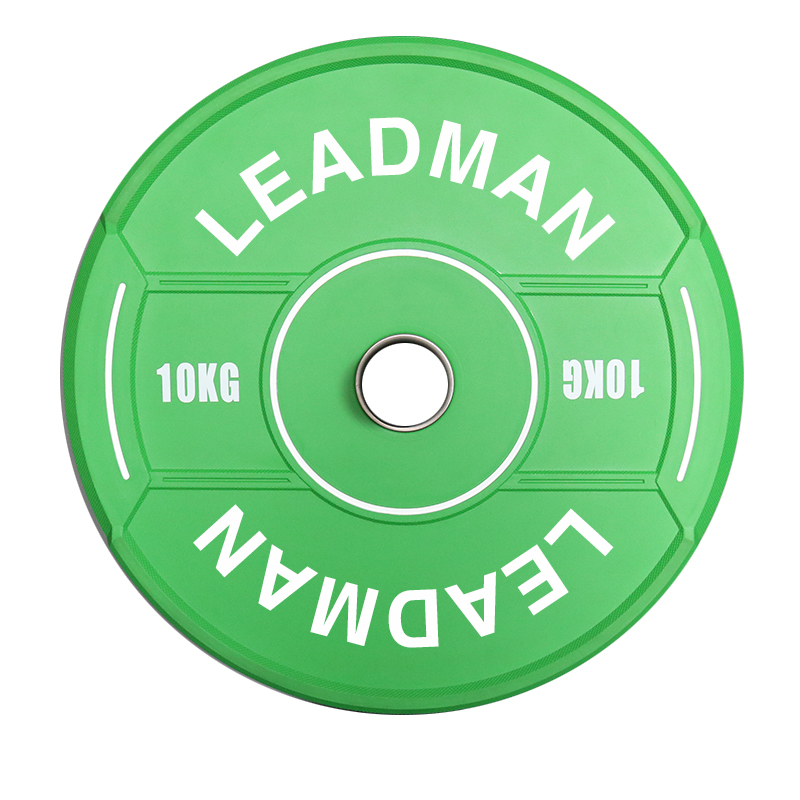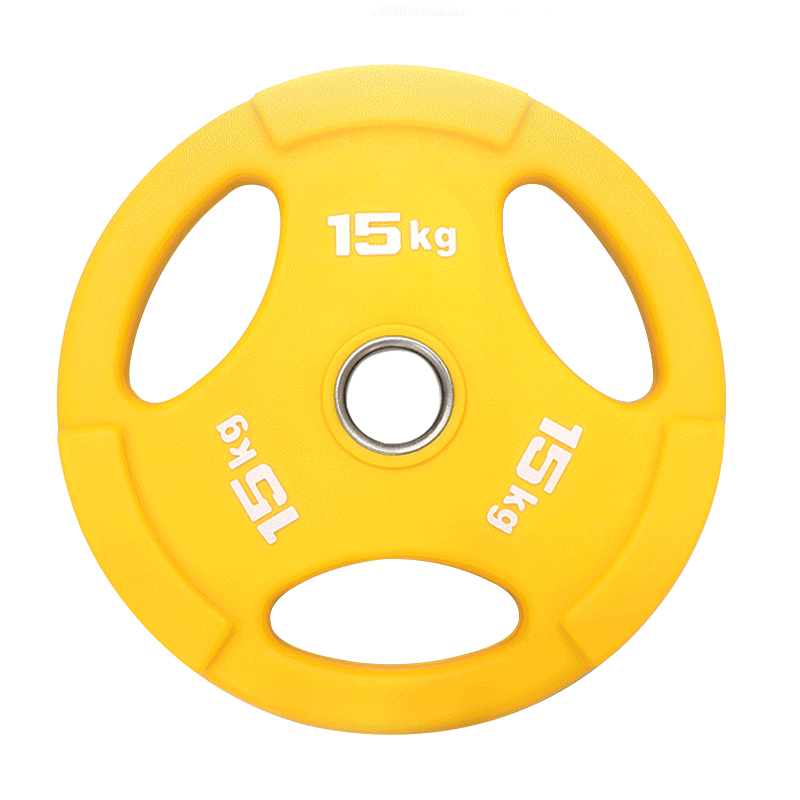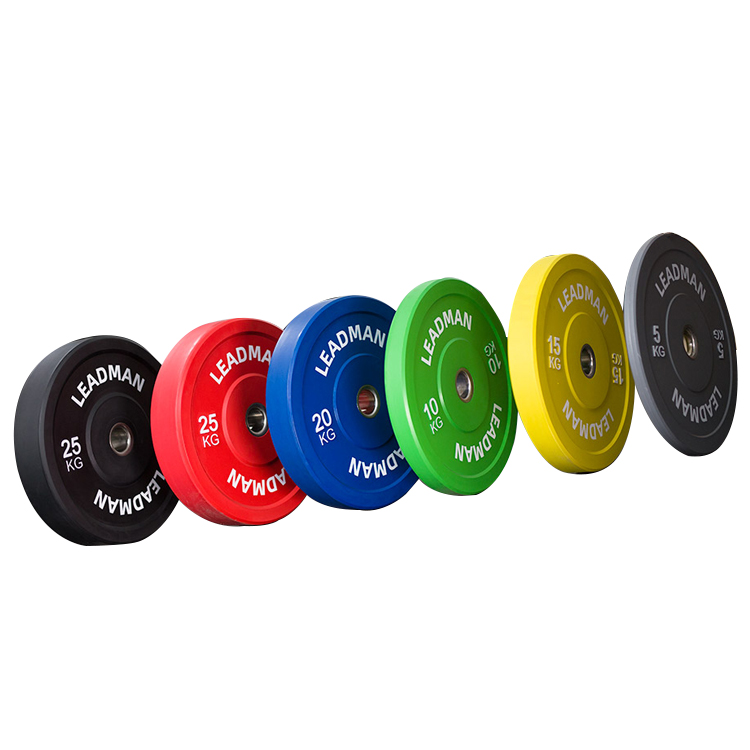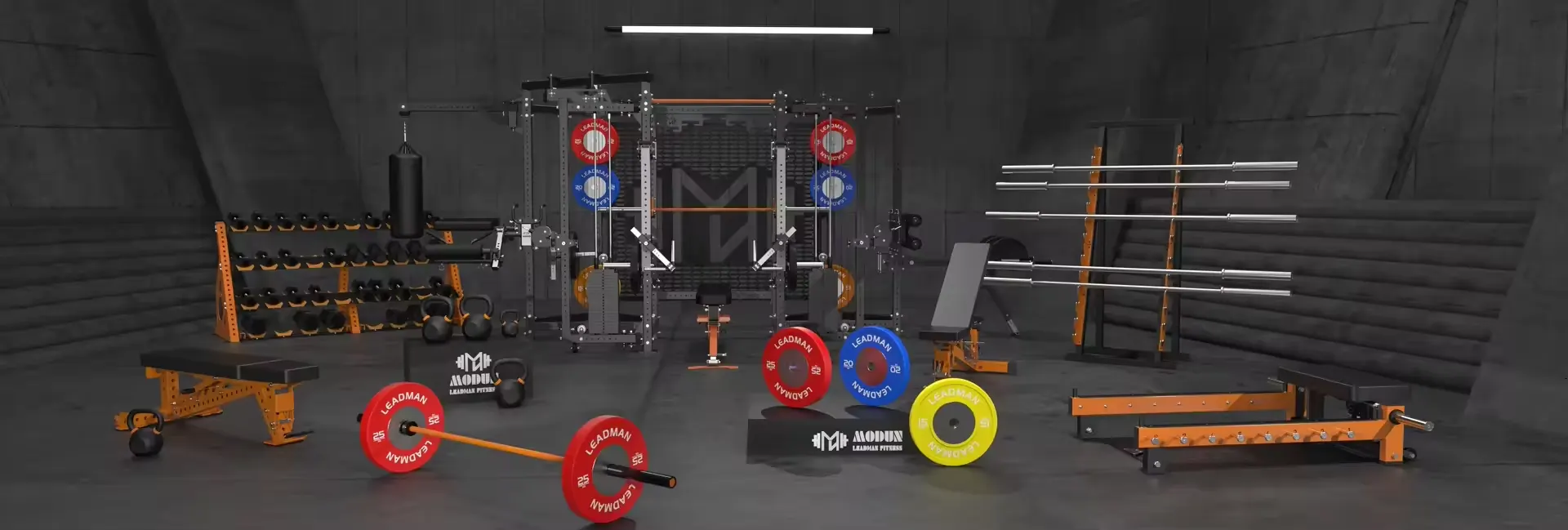
While Olympic lifting often dominates plate discussions, the 15lbs plate occupies a unique strategic position in commercial gym inventories, serving as an essential incremental step between lighter technique plates and competition-weight increments. At approximately 6.8 kilograms, this intermediate weight bridges the gap for athletes progressing from beginner loads to working sets, enabling precise loading progression without the 10lb-to-25lb jump that disrupts movement mechanics. Facility operators who underestimate the utility of 15lbs plates often find their members performing awkward mismatched loading, compromising bar balance and increasing injury risk during overhead and explosive movements.
The material composition of 15lbs plates varies significantly across product tiers, with commercial-grade options favouring rubber-encased or urethane-clad constructions over solid cast iron. 15lbs bumper plates designed for Olympic lifting incorporate high-density rubber with steel hubs, offering a diameter of approximately 450mm to match the standard platform height, ensuring proper mechanical advantage during deadlifts and clean pulls. Unlike heavier bumpers, the 15lbs variant often serves as the entry-level bumper in change plate sets, making it the most frequently handled plate in circuit training—a usage pattern that demands superior edge durability and hub adhesion to withstand continuous loading and dropping.
For non-Olympic applications, 15lbs cast-iron plates with machined weight tolerances provide economical solutions for selectorised machines, leg press stations, and cable attachments where direct dropping is not a concern. Facilities should calibrate their 15lbs plate mix based on usage intensity: high-traffic platforms justify urethane bumper investment, while selectorised environments benefit from nickel-plated iron plates that resist corrosion and maintain surface finish over extended periods. In both cases, weight accuracy remains paramount—quality manufacturers ensure ±1–2% tolerance compliance, allowing members to track progress reliably across training sessions and equipment types.
Inventory planning for 15lbs plates requires balancing member demand with storage capacity. Group fitness programmes incorporating circuit-based resistance training often utilise multiple 15lbs pairs, requiring count forecasts based on class size and station count. Furthermore, progressive overload strategies in personal training contexts rely on 5–10lb incremental jumps, making 15lbs plates the logical next step after 5lbs and 10lbs change plates. Facilities should stock 15lbs plates in 1.5–2 times the quantity of heavier plates (e.g., 45lbs/55lbs) to accommodate warm-up sets, deload weeks, and member preference diversity, ensuring that availability never becomes a constraint in programme delivery.

Let our experts design the perfect gym solution for your business. Get a free consultation and quote today.