

Maximizing Versatility for All Exercises with a Commercial Gym Weight Bench
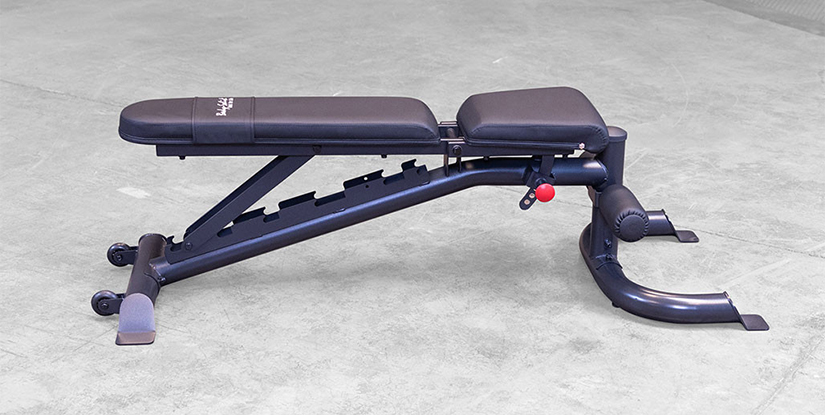
The Myth of the Single-Purpose Bench and Equipment Utility
A common misconception in facility procurement is that a heavy-duty weight bench is merely a stationary platform for pressing. Many operators assume that buying a high-capacity, fixed bench is sufficient for a diverse training floor. However, this narrow view leads to wasted floor space and limited programming options. True versatility for all exercises with a commercial gym weight bench is not about having multiple pieces of equipment, but about the degree of adjustability and the structural stability of a single high-quality unit.
When a bench is limited to a single angle, the user is forced to find alternative, often less stable, ways to target different muscle groups. This lack of adjustability results in uneven mechanical tension and increased injury risk. A professional-grade bench must serve as the anchor for dozens of movement patterns, from standard flat presses to complex incline variations. Understanding the engineering behind these adjustments is the first step in avoiding the trap of underperforming equipment. Before evaluating the mechanical functions, one must first understand the material standards that prevent structural failure during high-intensity use.
Identifying Under-Spec Bench Limitations
Low-tier benches often fail when subjected to dynamic loads. An operator might notice a bench wobbling during seated rows or feeling 'spongy' during heavy dumbbell presses. This is rarely a user error; it is a sign of insufficient frame gauge or poor weld integrity. Verify your equipment by checking for lateral movement when weight is applied to the extreme edges of the padding.
Structural Integrity and Frame Gauge Standards
Building on the necessity of a versatile platform, the physical skeleton of the bench must support not just vertical loads, but lateral and rotational forces. A bench used for seated dumbbell presses or side-lying lateral raises experiences stress in directions different from a standard bench press. If the frame is not engineered for these multi-directional stresses, the equipment will degrade prematurely.
Commercial-grade equipment typically utilizes heavy-duty steel tubing with a specific wall thickness. If you are sourcing benches, do not just look at the weight capacity; look at the steel gauge. A higher gauge (lower number) indicates thicker steel, which is essential for the longevity of a versatile unit. A bench that can hold 800 lbs in a flat press might still fail during a seated exercise if the uprights are too thin to resist the user's weight shifting laterally.
| Feature | Standard Commercial Specification | Common 'Budget' Failure Mode |
|---|---|---|
| Steel Gauge | 11 to 14 gauge steel tubing | Thin-walled 16+ gauge steel |
| Weld Type | Full-penetration, continuous welds | Tack welding or partial beads |
| Base Footprint | Extended wide-base for lateral stability | Narrow base causing tipping during seated use |
| Load Type | Static and Dynamic (movement-ready) | Static only (prone to wobbling) |
Selecting a bench based solely on static weight capacity is a mistake that leads to high replacement costs. Once the structural requirements are verified, the focus must shift to the adjustable mechanisms that drive functional versatility.
Adjustability Ranges and Angle Precision
The ability to transition between flat, incline, and decline positions is what truly provides versatility for all exercises with a commercial gym weight bench. However, not all adjustability is created equal. A frequent problem in high-volume gyms is the 'drifting' angle, where the bench fails to hold its position during heavy repetitions, especially in decline or high-incline settings.
The cause of angle drift is usually a poor quality selector pin or a weak adjustment ladder. For a bench to be truly versatile, the adjustment mechanism must be robust enough to handle rapid changes and heavy resistance. Precision is key; if the incline is set to 30 degrees, the user should not feel the bench gradually sliding toward a flat position during a set.
Verification Checklist for Adjustment Mechanisms
- The Pin Test: Ensure the adjustment pin locks deeply into the steel ladder without excessive play.
- Angle Increment Check: Verify that each degree of incline (e.g., 15, 30, 45) is distinct and repeatable.
- Decline Stability: For decline movements, confirm that the foot support (if integrated) or the bench angle remains fixed under load.
A precise adjustment system allows for a wide range of training stimuli, but even the best adjustment is useless if the surface itself does not provide the necessary grip and comfort. This leads us to the critical role of upholstery and padding density.
Explore the complete technical specifications:
Gym Weight: Plate Types, Material Comparison & Tolerance Grades
Upholstery Durability and Surface Friction Management
A versatile bench must accommodate various positions: prone, supine, seated, and side-lying. As an operator, you will notice that a common failure point is the tearing of the upholstery at the edges or the 'bottoming out' of the padding during heavy usage. This occurs when the foam density is insufficient or the cover material cannot withstand the friction of movement.
When a user performs a seated row or a dumbbell lateral raise, their skin or clothing exerts significant shear force against the bench. If the material is too smooth or too thin, the user will slide, compromising their form and safety. Professional-grade upholstery should be high-density, closed-cell foam covered in heavy-duty, textured vinyl.| Padding Requirement | Why It Matters for Versatility | How to Verify Quality |
|---|---|---|
| Foam Density | Prevents 'bottoming out' during heavy presses | Press a thumb firmly; it should rebound instantly without deep indentation. |
| Surface Texture | Maintains grip during seated or side-lying exercises | Ensure the surface is not slick/plastic-like; it should have a matte, tactile finish. |
| Edge Reinforcement | Prevents tearing at high-stress contact points | Inspect the seam where the padding meets the steel frame for fraying. |
Reliable padding ensures that the user remains stable throughout the entire range of motion. With the surface and structure secured, the next operational priority is the systematic maintenance of these moving parts.
Explore the complete technical specifications:
Adjustable Bench Press Rack | Buyer's Guide for Commercial Gyms
Maintenance Protocols for Adjustable Mechanisms
Even the highest-quality adjustable bench requires a maintenance schedule to preserve its functionality. The transition from a flat press to a high incline involves moving heavy metal parts against one another. Over time, dust, sweat, and even skin cells can enter the adjustment tracks, leading to friction and eventual failure.
The problem of 'stuck' adjustment pins or grinding sounds is often caused by a lack of regular cleaning. If a pin becomes difficult to remove, operators often force it, which can bend the adjustment ladder or strip the threads. The fix is simple: regular lubrication and cleaning. A well-maintained bench remains a versatile tool, whereas a neglected one becomes a safety hazard.
Recommended Maintenance Checklist
- Weekly: Wipe down the upholstery with a non-corrosive, pH-neutral cleaner to remove sweat and oils.
- Monthly: Inspect the adjustment pins and ladder for any signs of bending, metal shavings, or debris.
- Quarterly: Apply a light, dry silicone spray to the adjustment mechanism to ensure smooth movement without attracting more dust.
- Bi-Annually: Conduct a full structural check, tightening all bolts and checking the integrity of the welds.
Following these steps prevents the premature degradation of the hardware. However, maintenance alone cannot fix a fundamentally poorly designed piece of equipment, so we must revisit the importance of the base and footprint.
Footprint Optimization and Stability During Complex Movements
The versatility of a bench is often limited by its base. Many trainers attempt to use a bench for movements like Bulgarian Split Squats or heavy seated movements, only to find the bench tipping or sliding. This instability is usually a result of a footprint that is too narrow for the center of gravity during non-traditional exercises.
A professional operator knows that a bench used for versatility for all exercises must have a wide-base design. This allows for stability during lateral-load exercises, such as seated side-raises or certain types of lunges where the user is leaning toward one side of the bench. If the base is too light or too small, the bench will 'walk' across the floor, which is a significant safety risk in a commercial environment.
Scenario: The Lateral Loading Failure
Consider a scenario where a user performs a heavy seated dumbbell press. As they reach the top of the movement, they slightly lean to one side to compensate for a strength imbalance. On a low-quality, narrow-base bench, this lateral shift can cause the entire unit to tilt. A professional-grade bench with a wide-track base and high-density rubber feet is designed specifically to counteract this tipping force by increasing the contact surface area with the floor.
Verification of Operational Safety and ROI
As a procurement professional, you must evaluate not just the purchase price, but the return on investment (ROI) through the lens of durability and uptime. A cheap, non-adjustable bench might save money upfront, but the frequent repairs and the need to buy additional specialized benches for different angles will quickly erode those savings.
To verify the ROI of a high-quality, versatile commercial bench, you should track the frequency of 'equipment out of order' logs. A truly versatile bench should require minimal downtime beyond standard maintenance. If you find yourself replacing upholstery or adjusting broken pins every six months, the initial 'savings' were an illusion. High-quality equipment provides a stable foundation for diverse programming, which in turn increases the value offered to your clients.
The Professional's Final Inspection Guide
Before signing off on a large shipment of benches, perform a stress test on a single sample unit. This is the ultimate way to verify the claims of the manufacturer. Check the following parameters:
- Resistance to Wobble: Apply weight to the corners of the bench to check for lateral oscillation.
- Adjustment Speed: Ensure the mechanism can be changed quickly and smoothly under a light load.
- Surface Grip: Test the friction level with a weighted bar or dumbbell to ensure it doesn't slide easily.
By prioritizing these technical specifications over marketing slogans, you ensure that your facility is equipped with tools that truly offer maximum utility for every athlete.