

Optimizing Facility Procurement with Pre-Configured Solutions with Commercial Gym Equipment Packages
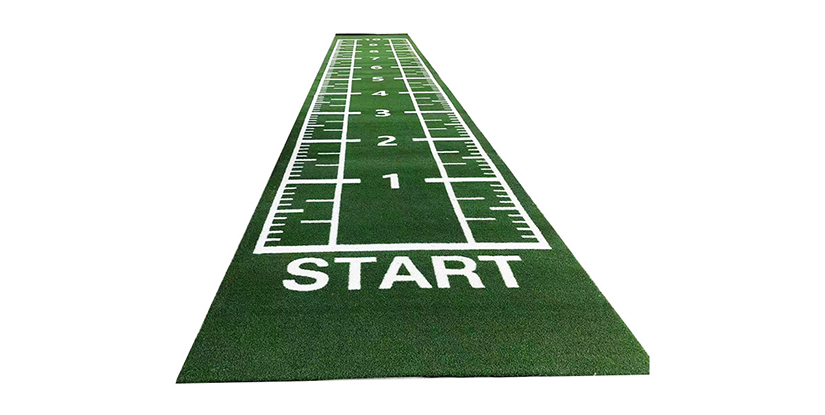
Facility managers and gym owners often face a recurring technical bottleneck during the procurement phase: the disconnect between individual equipment specifications and the holistic architectural requirements of a fitness space. When purchasing standalone units, operators frequently encounter mismatched load capacities, incompatible power requirements, or fragmented layout geometries. This technical friction leads to increased installation downtime and higher long-term maintenance costs. Utilizing Pre-Configured Solutions with Commercial Gym Equipment Packages provides a structured approach to mitigating these systemic risks by grouping compatible assets into unified, high-performance systems.
The Technical Disconnect in Non-Configured Procurement
The primary failure mode in standard procurement is the "compatibility gap," where individual pieces of equipment—selected from various product lines—fail to function as a cohesive ecosystem. For instance, a high-intensity cardio line might require specific voltage stabilization that a generic strength training package does not account for. This lack of synchronization is often the root cause of electrical circuit overloads or suboptimal floor load distribution.
A common mistake is selecting equipment based solely on unit price rather than integrated system efficiency. An operator might save 15% on an individual treadmill, but if the package's power requirements force an expensive electrical upgrade, the initial savings are negated. To avoid this, procurement specialists must look beyond the individual spec sheet and analyze the aggregate load of the entire package.
Understanding these technical discrepancies is the first step in moving toward a more robust solution. Once the risks of fragmented procurement are identified, we must examine the structural advantages of integrated configurations.
Engineering Advantages of Integrated Equipment Systems
Pre-configured solutions are not merely collections of items; they are engineered clusters designed to work within specific operational parameters. These packages are typically built around a central technical theme, such as metabolic conditioning, strength hypertrophy, or functional movement. This thematic engineering ensures that the kinetic and electrical demands of the equipment are balanced within the facility's infrastructure.
Technical advantages include standardized maintenance protocols, unified aesthetic profiles, and optimized spatial footprints. Below, we compare the technical parameters of a fragmented approach versus a pre-configured package approach.
| Technical Parameter | Fragmented Procurement (Standalone) | Pre-Configured Packages |
|---|---|---|
| Electrical Synchronization | Manual calculation of peak load per unit; high risk of circuit tripping. | Unified power profiles; optimized for facility circuit capacity. |
| Spatial Optimization | Randomized footprint; potential for irregular circulation paths. | Engineered spatial layout; optimized for user flow and safety. |
| Maintenance Complexity | Multiple service schedules and disparate parts inventories. | Standardized service intervals and unified parts requirements. |
| Installation Lead Time | Extended due to multiple vendor coordination and assembly gaps. | Compressed due to pre-validated assembly and component compatibility. |
By shifting from a unit-centric to a system-centric mindset, operators can ensure that the electrical and structural foundation of their facility can support the intended high-intensity usage. This systemic stability leads directly into the critical decision of selecting the right package type for specific facility goals.
Explore the complete technical specifications:
Evaluating Package Categories Based on Operational Intensity
Not all pre-configured solutions are created equal. Selecting a package requires a deep dive into the intended usage density and the physical durability of the components. An error in classification—such as placing a light-duty functional kit in a high-traffic commercial setting—will lead to premature component fatigue and high depreciation rates.
When selecting a package, operators should evaluate three core technical pillars: Resistance Profile, Duty Cycle, and Footprint Versatility. These pillars dictate how the equipment will behave under sustained mechanical stress.
Resistance Profile and Mechanical Durability
Resistance profiles vary between pneumatic, electromagnetic, and traditional plate-loaded systems. A pre-configured package centered on plate loading offers high mechanical reliability but requires more intensive structural floor reinforcement. Conversely, electromagnetic systems offer smoother resistance curves and lower vibration, making them ideal for multi-story facilities with strict acoustic constraints. Operators must verify the peak torque and load-bearing capacity of each component before final approval.
Duty Cycle and High-Traffic Performance
The duty cycle refers to the intended frequency of use. A commercial-grade package is designed for high-volume usage, featuring heavy-duty bearings and high-tensile steel frames. A common failure occurs when operators underestimate the heat dissipation requirements of cardio-heavy packages, leading to electronic board failure in poorly ventilated spaces. Always verify the thermal management specifications of any electronic equipment included in your package.
With the package category established, the focus must shift toward the physical implementation and the logistical requirements of the installation phase.
Explore the complete technical specifications:
Commercial Grade Gym Equipment: Durable Solutions for Facilities
Implementation Protocols: Site Preparation and Layout Validation
A successful deployment of Pre-Configured Solutions with Commercial Gym Equipment Packages depends heavily on the precision of the pre-installation site audit. Even the most perfectly engineered package will fail if the installation environment is fundamentally incompatible with its design specs. The problem is often overlooked: assuming a standard concrete floor can support the static and dynamic loads of a heavy strength package.
To ensure a successful installation, operators should follow a structured verification checklist during the site preparation phase. Failure to do so often results in uneven equipment leveling, which increases wear on pivot points and bushings.
- Structural Load Verification: Confirm the floor's PSF (Pounds per Square Foot) capacity. High-impact strength packages require significant static load tolerance.
- Electrical Load Mapping: Map the total amperage requirement of the entire package, not just individual machines. Account for a 20% buffer to prevent circuit failure.
- Leveling and Sub-floor Analysis: Check for floor gradients. Even a 1-degree tilt can cause unaligned resistance paths in selectorized machines.
- Acoustic and Vibration Control: Identify if the package includes high-impact items (e.g., deadlift platforms) and ensure sufficient vibration-dampening flooring is installed.
The preparation phase ensures that the hardware can be correctly calibrated upon arrival. Once the layout is validated and the equipment is installed, the focus turns to maintaining the long-term integrity of these assets through disciplined inspection.
Preventative Maintenance and Lifecycle Management
Once the equipment is operational, the most common failure mode is the neglect of routine calibration. In a pre-configured environment, a single malfunctioning component in a circuit can create a bottleneck for the entire training station. For example, if a functional trainer's cable is frayed, the entire unit becomes unusable, regardless of the state of the other machines in the package.
Effective lifecycle management requires a transition from reactive repairs to predictive maintenance. This is achieved through regular inspection of the specific interfaces where the most wear occurs. The following table provides a standard maintenance cadence for common package components.
| Component Type | Inspection Focus | Recommended Interval | Failure Indicator |
|---|---|---|---|
| Cable & Pulley Systems | Cable fraying, sheath integrity, and pulley smoothness. | Monthly | Increased friction or audible clicking. |
| Electronic Control Boards | Display clarity, input responsiveness, and heat levels. | Quarterly | Erratic readings or delayed response. |
| Mechanical Fasteners | Bolt torque, weld integrity, and frame stability. | Bi-Annually | Visible rattling or loose movement. |
| Upholstery & Contact Points | Tear locations, stitching strength, and hygiene surface. | Weekly | Surface cracking or foam compression. |
Adhering to these intervals prevents the gradual degradation of the equipment's precision. By maintaining the technical integrity of the package, operators also protect their Return on Investment (ROI) and ensure safety compliance.
Troubleshooting System-Wide Performance Issues
In integrated packages, performance issues are often not localized to one machine but are symptoms of a systemic failure. For instance, if multiple pieces of electronic equipment in a cardio package are experiencing unexpected shutdowns, the problem is rarely the machines themselves, but rather a failure in the facility's power conditioning or the distribution of the load across the circuit.
To diagnose these issues effectively, operators should follow a hierarchical troubleshooting approach, moving from the environment to the individual unit.
Step 1: Environmental and Infrastructure Audit
Before assuming a machine is faulty, verify the facility's electrical stability. Use a multimeter or consult an electrician to ensure the voltage remains constant during peak hours. Check for overheating in the electrical closet or circuit breakers. In many cases, a 'faulty' treadmill is actually a victim of a fluctuating power supply caused by high-amperage lighting or HVAC systems.
Step 2: Component-Level Diagnostic
If the infrastructure is verified, isolate the specific machine. In pre-configured strength packages, mechanical issues are often related to lubrication. A lack of grease on a pivot point doesn't just cause noise; it creates irregular resistance that can lead to user injury. Ensure that every moving part is receiving the specified lubricant as per the manufacturer's technical manual.
Correctly diagnosing these issues distinguishes a professional operator from an amateur. Once a problem is resolved, the final step is to document the occurrence to improve future procurement cycles.
Strategic Selection Criteria for Future Procurement
The data gathered from installation, maintenance, and troubleshooting should directly inform your next procurement cycle. The goal of using Pre-Configured Solutions with Commercial Gym Equipment Packages is to build a predictable, high-performance environment. To achieve this, your selection criteria must evolve from looking at equipment as 'tools' to viewing them as 'operational modules.'
When evaluating future packages, prioritize the following three technical indicators:
- Modular Scalability: Can the package be expanded easily? Look for systems that allow for adding weight stacks or additional training stations without requiring a complete electrical overhaul.
- Standardized Component Interchangeability: Does the package use standardized parts (e.g., cables, bearings, or bolts) that are easily sourced in the future?
- Vendor Support Depth: Does the provider offer a unified technical support structure for the entire package, or will you have to deal with multiple support desks for one integrated system?
By implementing these rigorous standards, facility managers can transform their fitness spaces from collections of machines into highly optimized, durable, and profitable commercial assets.