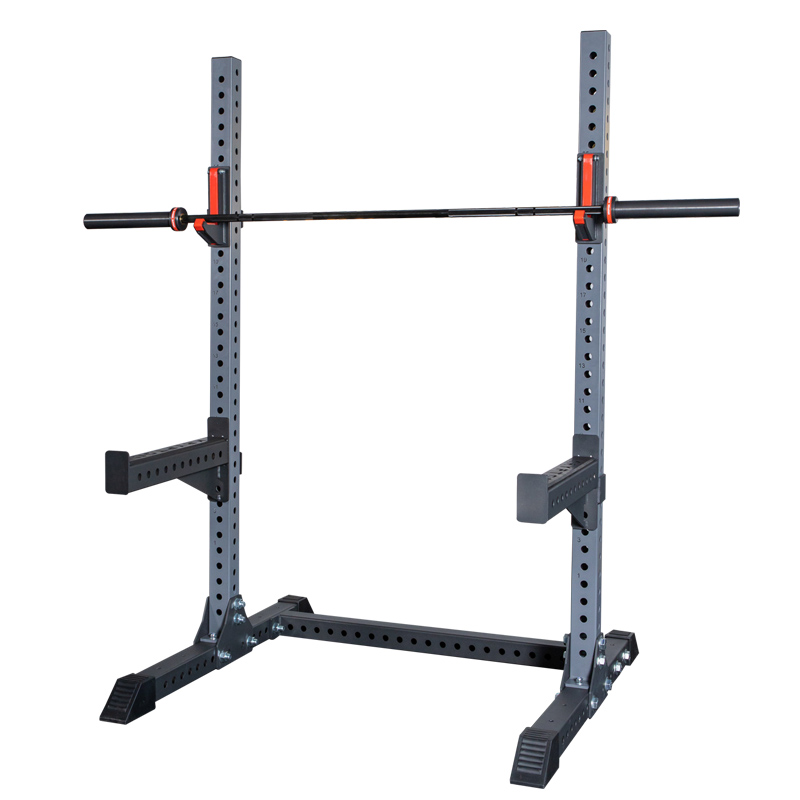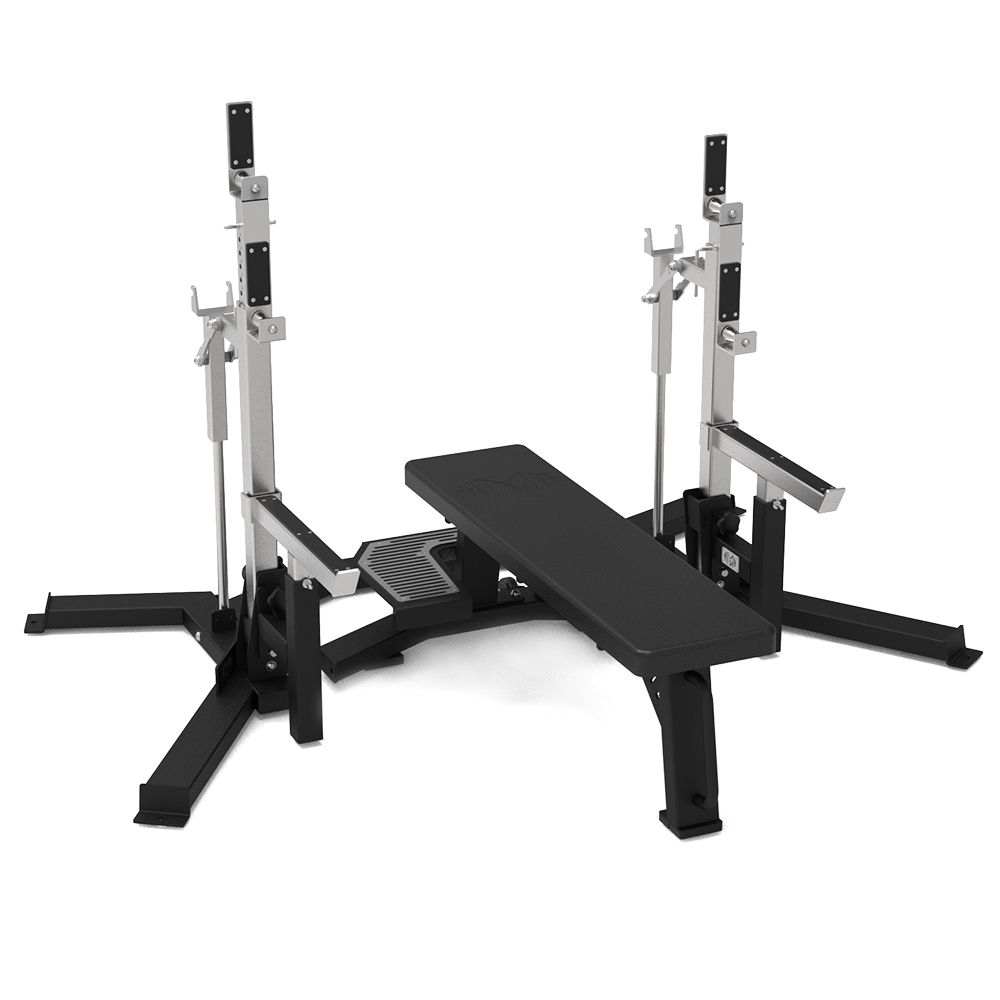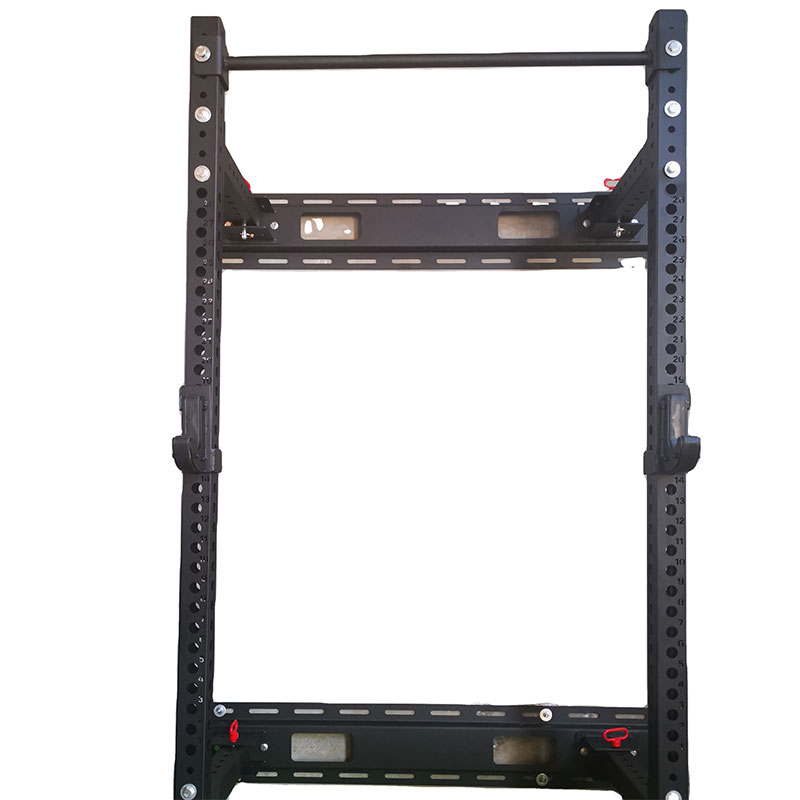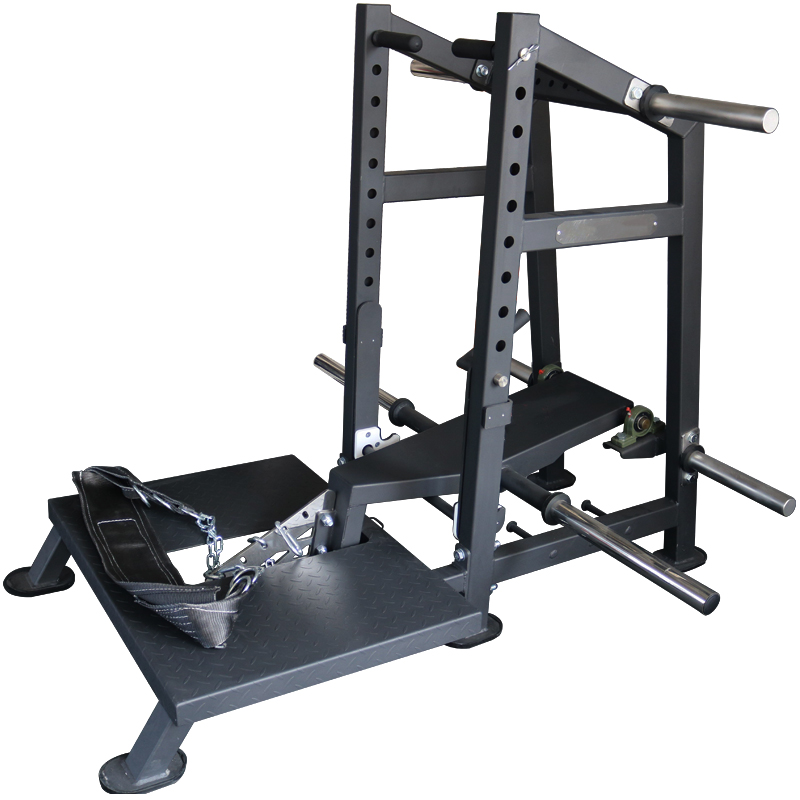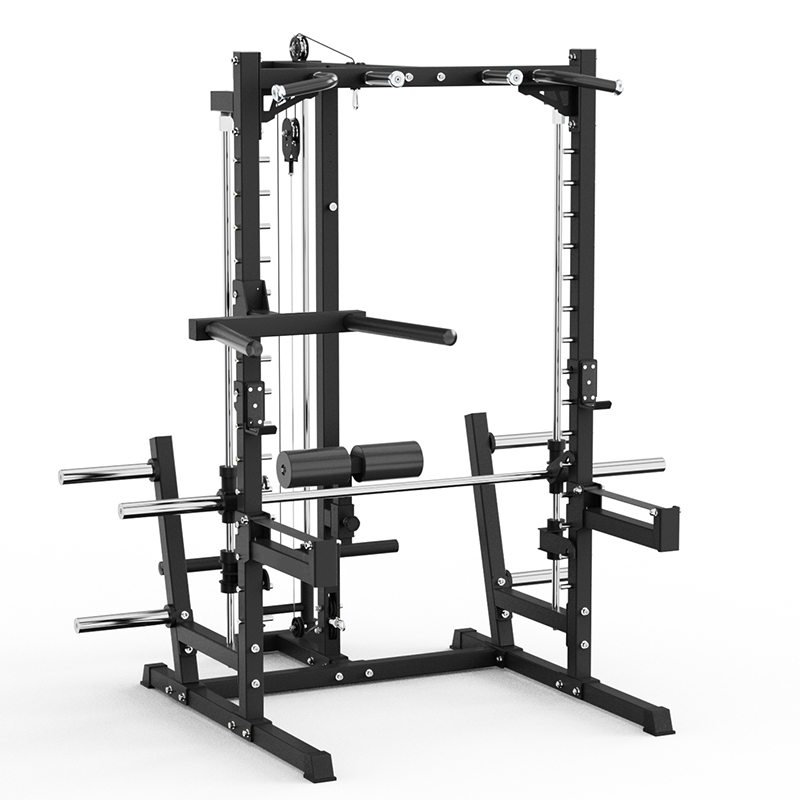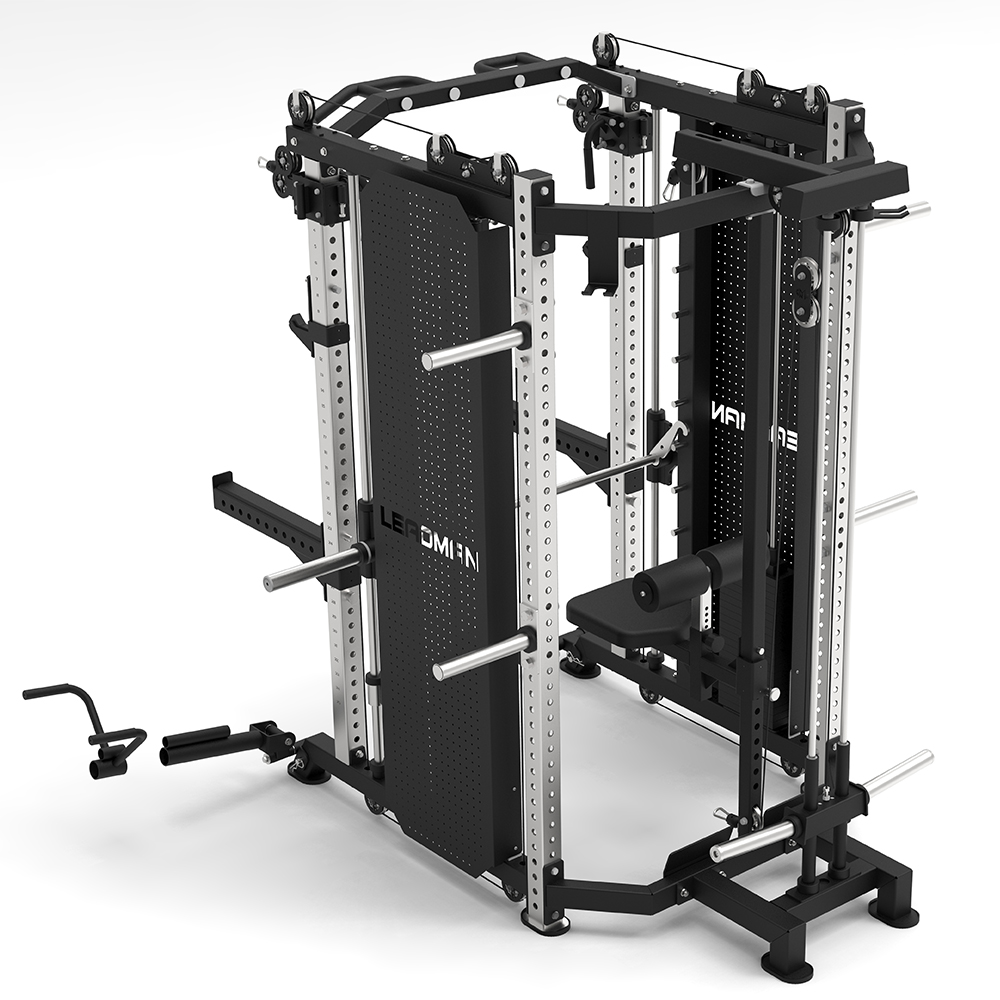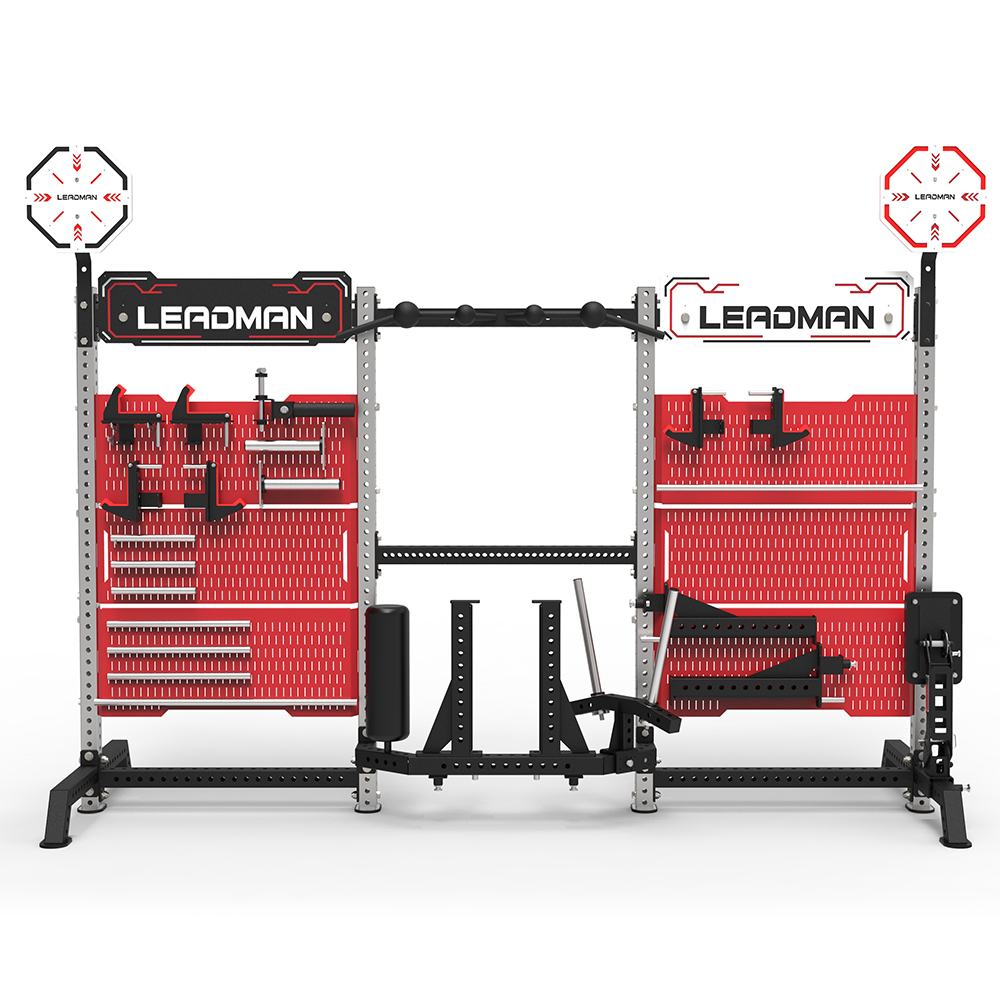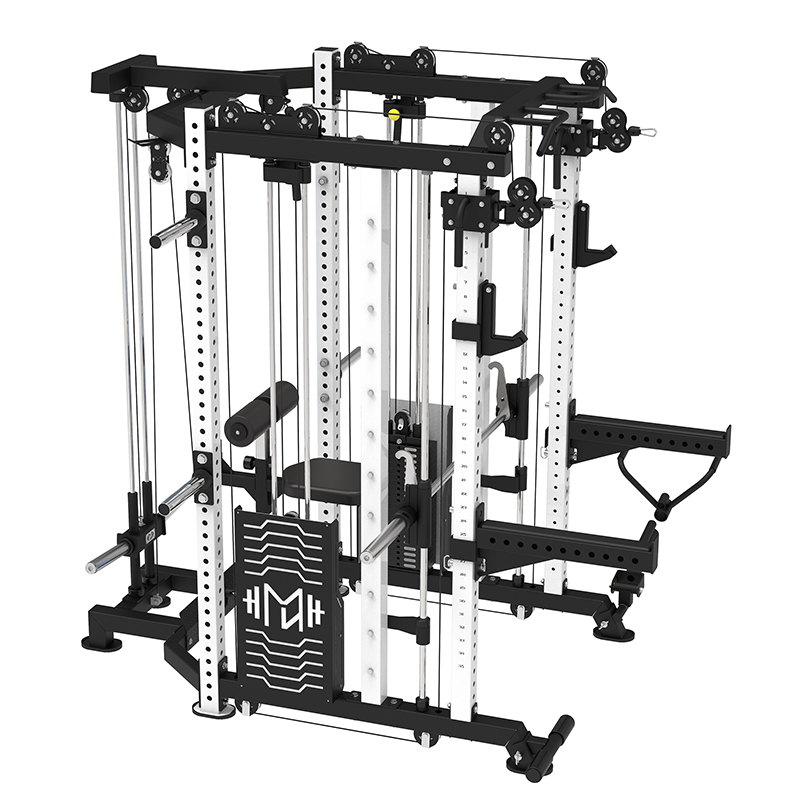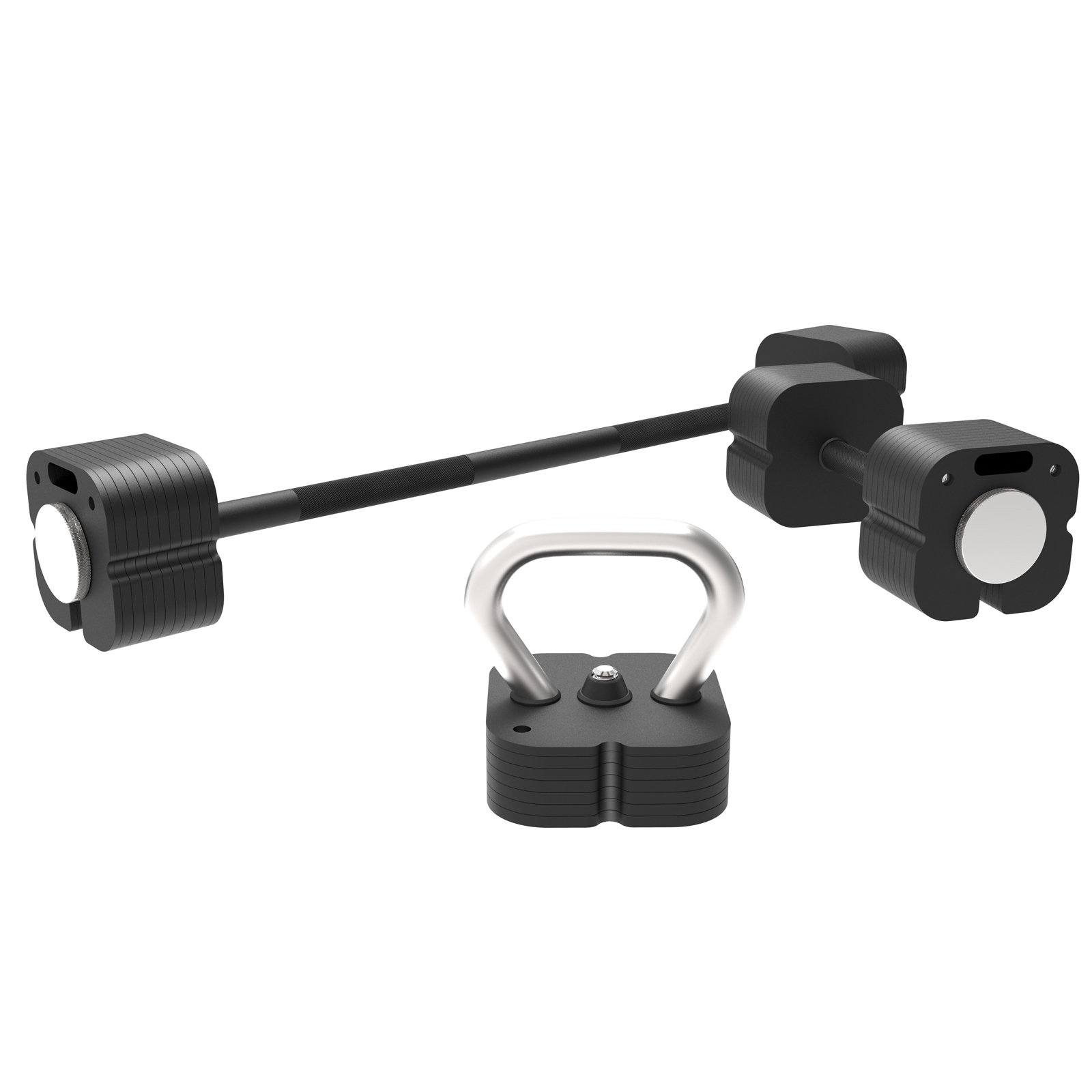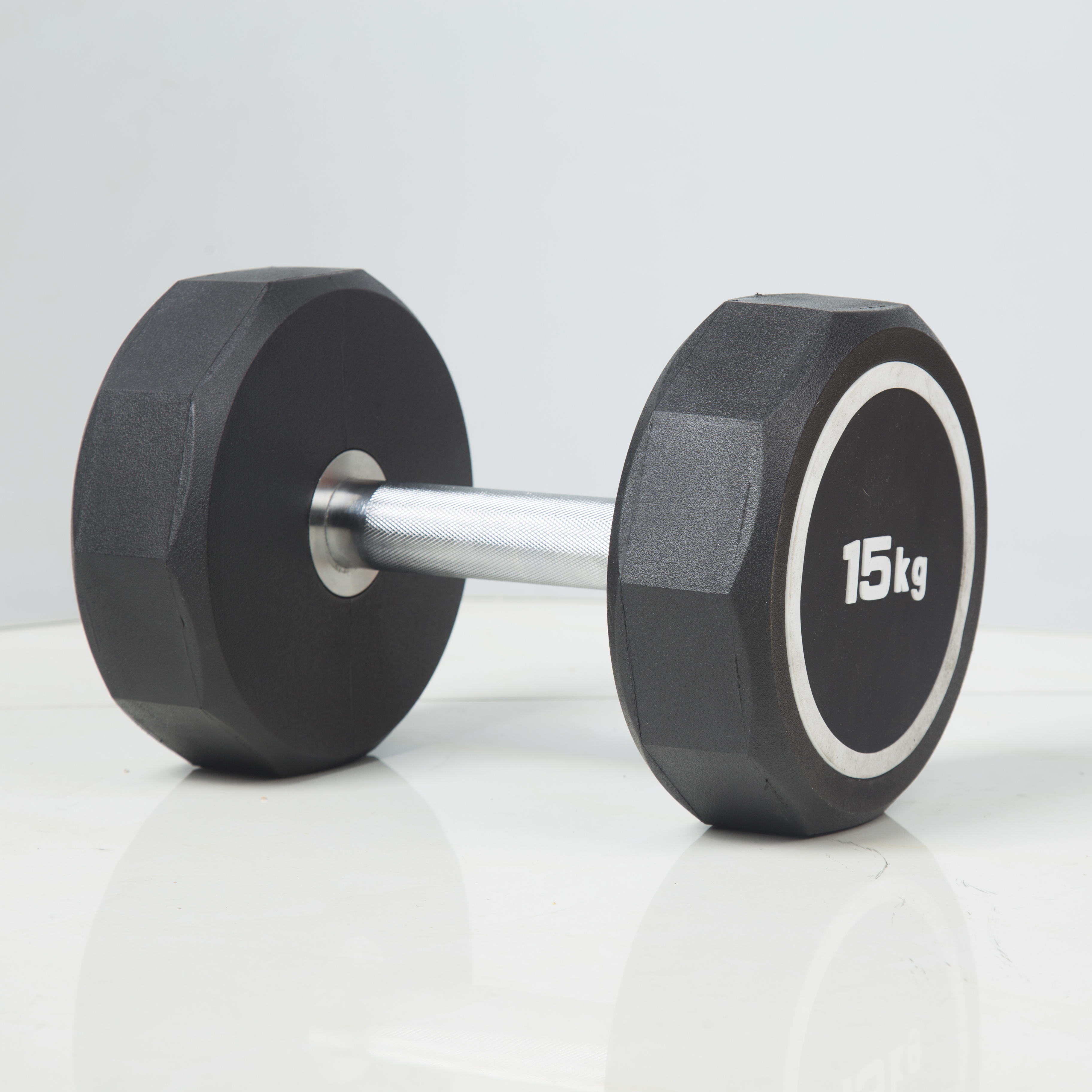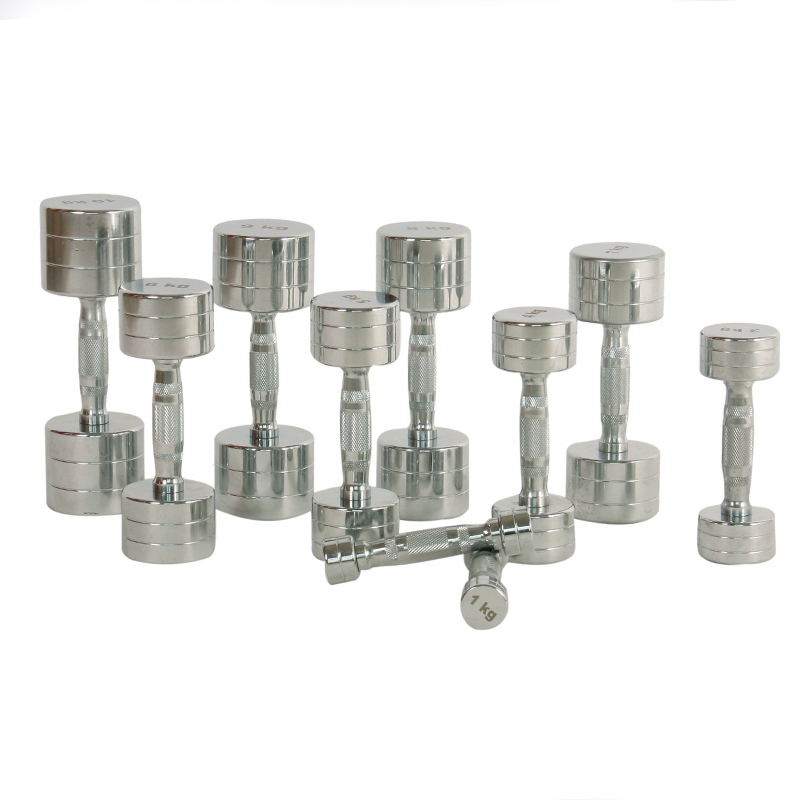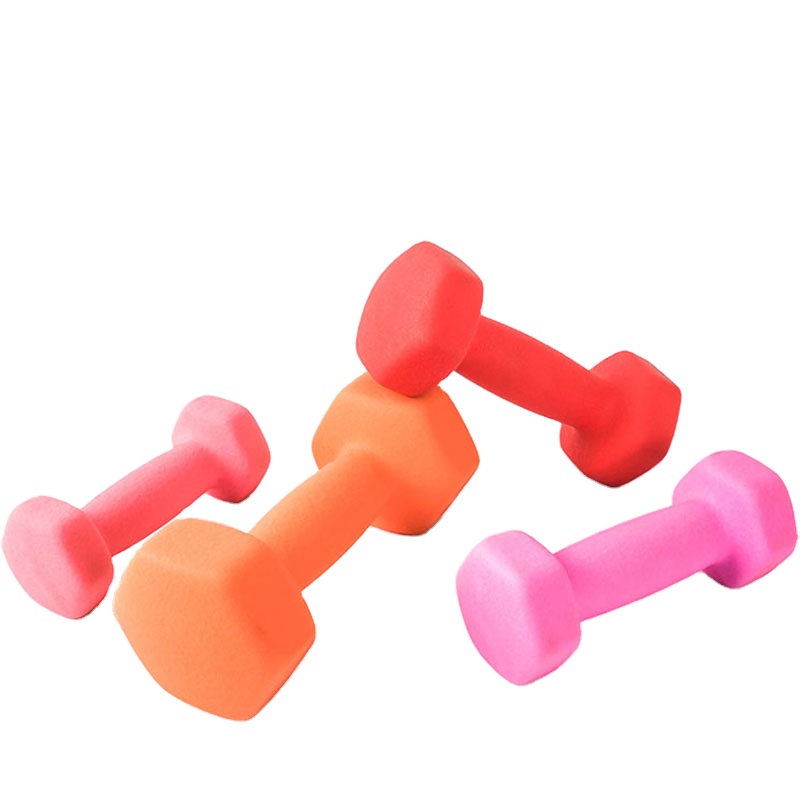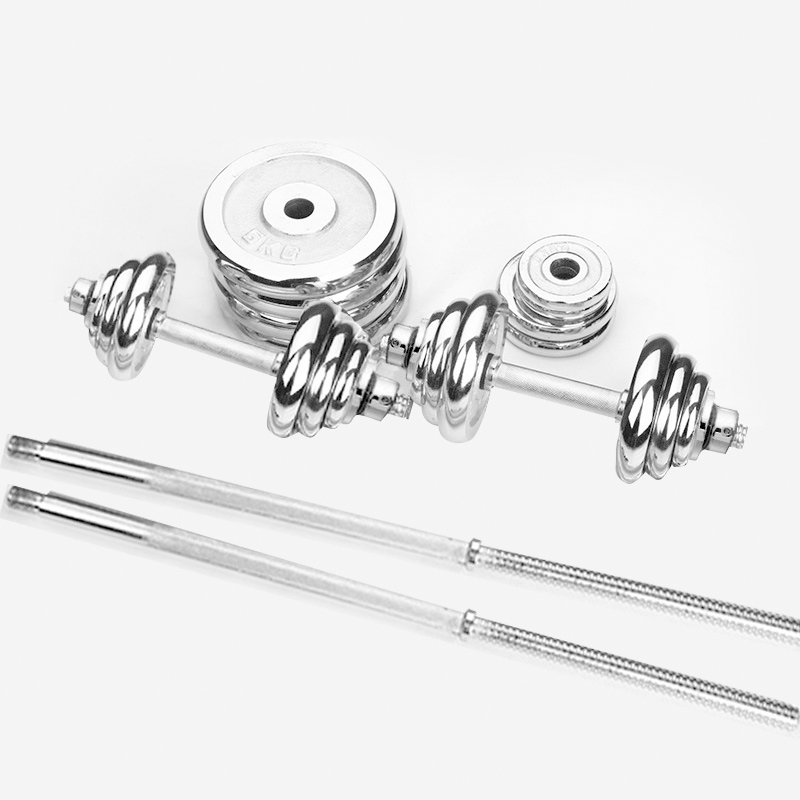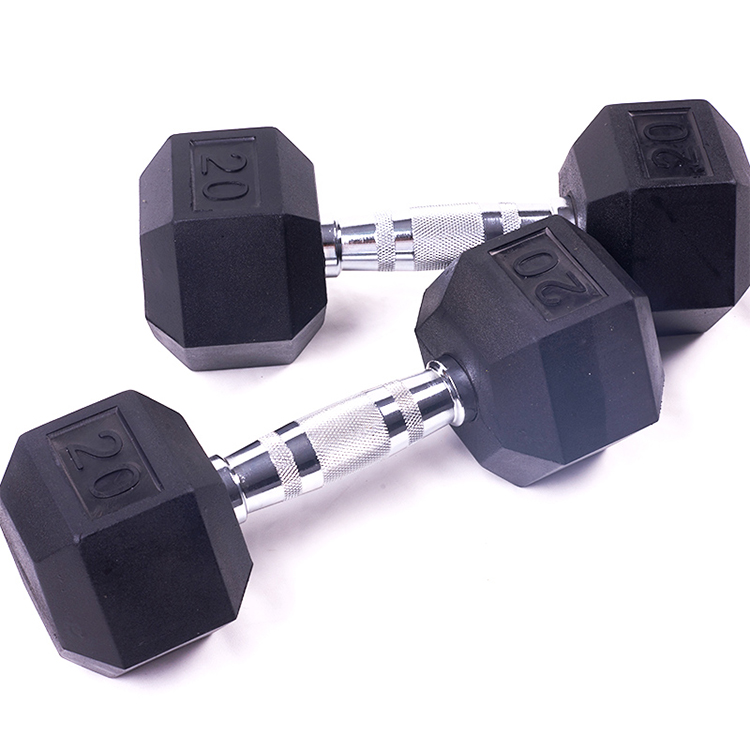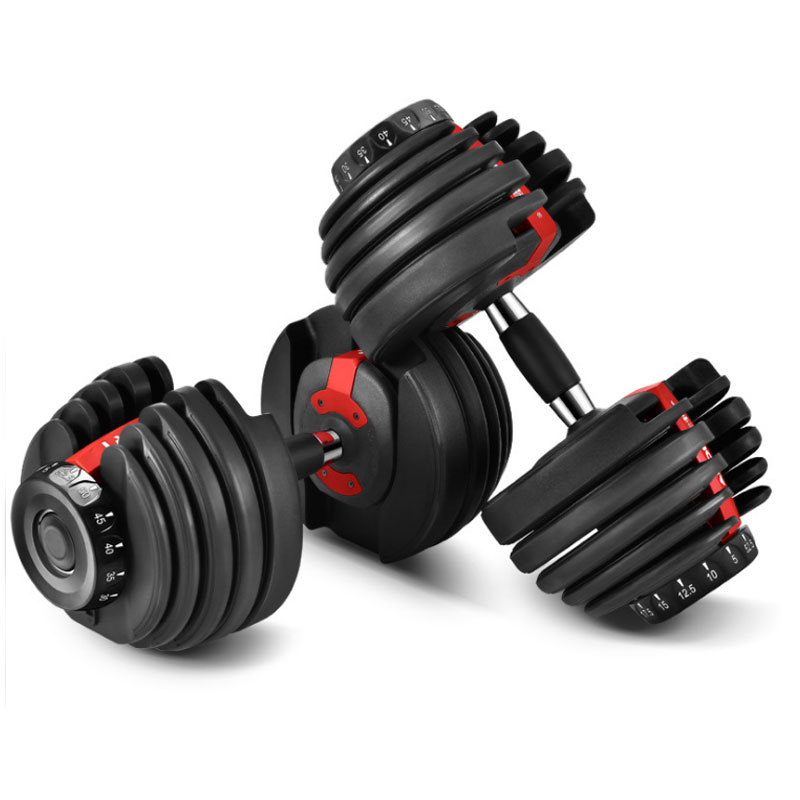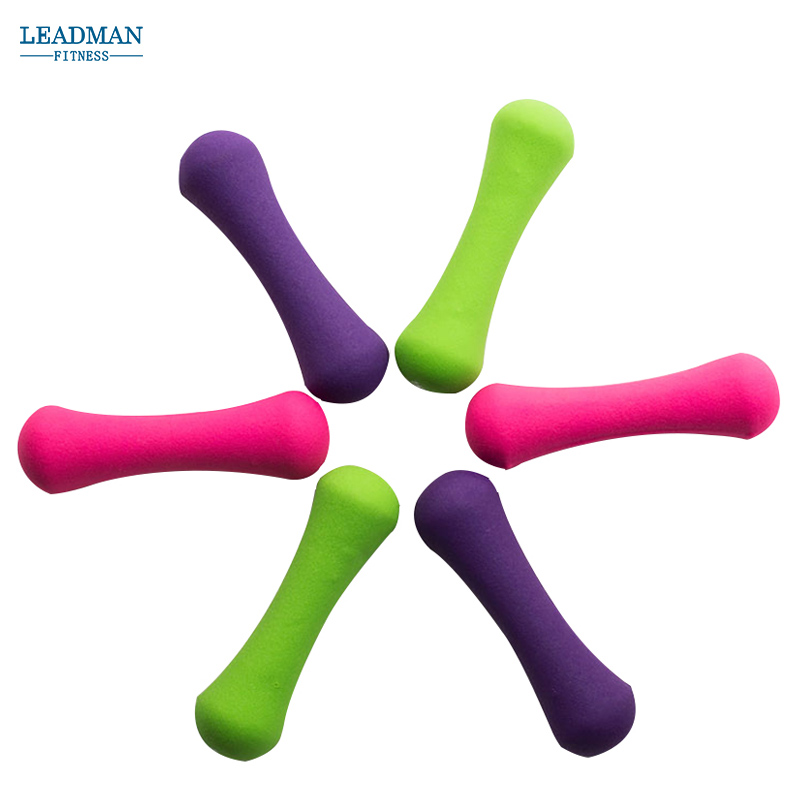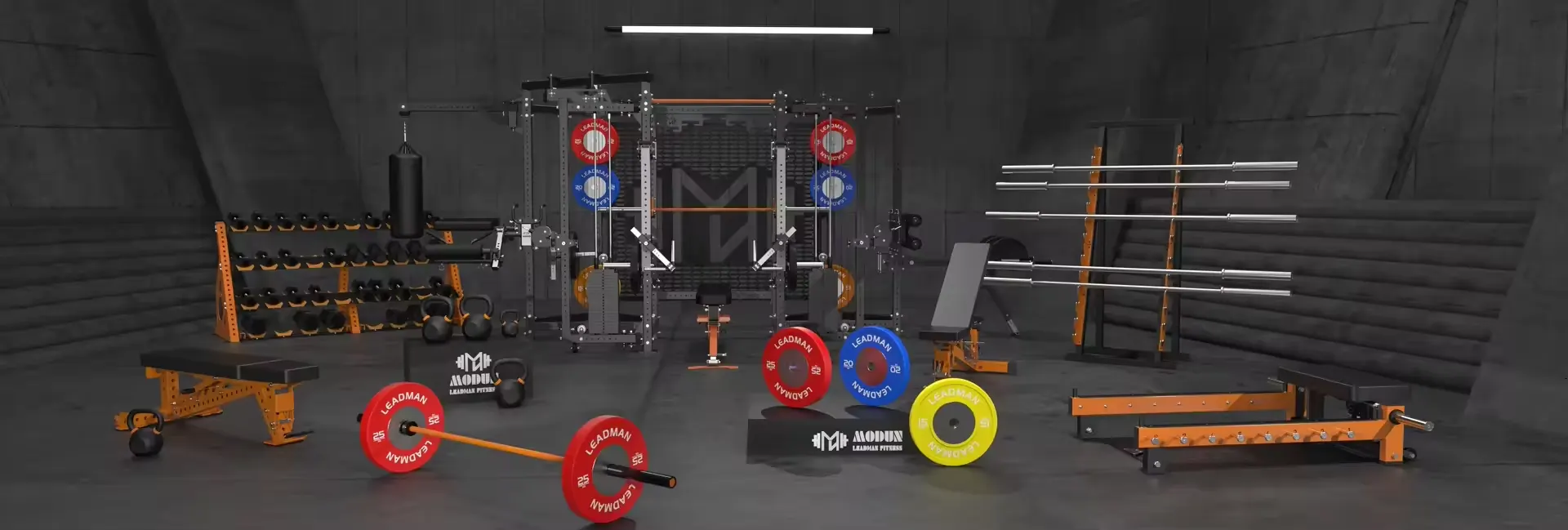
Commercial grade gym equipment is a specialized product classification defined by its capacity to withstand continuous, high-frequency use in professional fitness facilities, distinguishing it from residential or light commercial alternatives. This equipment is engineered with a focus on durability, user safety, and operational reliability under conditions that would rapidly degrade standard consumer products. The classification encompasses everything from cardiovascular machines and selectorized strength equipment to free weight implements like barbells, dumbbells, and heavy-duty racks, all designed to meet the demands of multiple daily users.
The fundamental engineering principle behind commercial-grade equipment is the concept of a duty cycle—the expected number of repetitions or usage hours the equipment can endure before requiring significant maintenance or replacement. Commercial machines typically feature heavier gauge steel (e.g., 11-gauge to 7-gauge frames), higher-grade bearings and bushings, and robust drive systems (such as multiple V-belts or chains) capable of handling tens of thousands of cycles. Weight stacks are often constructed from solid steel with precision-machined guide rods to ensure smooth, consistent resistance. In terms of free weights, commercial barbells are rated for tensile strengths exceeding 190,000 PSI, while commercial bumper plates utilize virgin rubber compounds and steel hubs engineered for repeated drops without deforming or cracking.
Design considerations for commercial equipment extend beyond raw strength to encompass ergonomics, user interface, and maintenance access. Adjustment mechanisms must be intuitive and durable, often employing spring-loaded pop pins or gas-assisted articulation. Upholstery requires high-density foam and marine-grade vinyl that resists abrasion, moisture, and cleaning chemicals. The equipment's footprint must balance stability with floor space efficiency, a critical metric in revenue-generating facilities where square footage directly impacts capacity. Commercial manufacturers also incorporate serviceability features, such as accessible fasteners and modular component design, to reduce downtime during repairs.
The procurement of commercial-grade equipment demands an evaluation of certifications and safety standards, such as ASTM or EN 957 compliance, which validate the equipment's structural integrity and operational safety. Warranty structures are typically more comprehensive, covering frames for extended periods (often 10+ years) and parts for several years, though specific terms are subject to regional agreements. The initial capital investment is significantly higher than consumer equipment, but the total cost of ownership calculation favors commercial-grade gear, as its extended lifespan and reduced maintenance needs translate to lower long-term operating costs. For any professional facility, this classification is not a luxury but a foundational business requirement.

Let our experts design the perfect gym solution for your business. Get a free consultation and quote today.