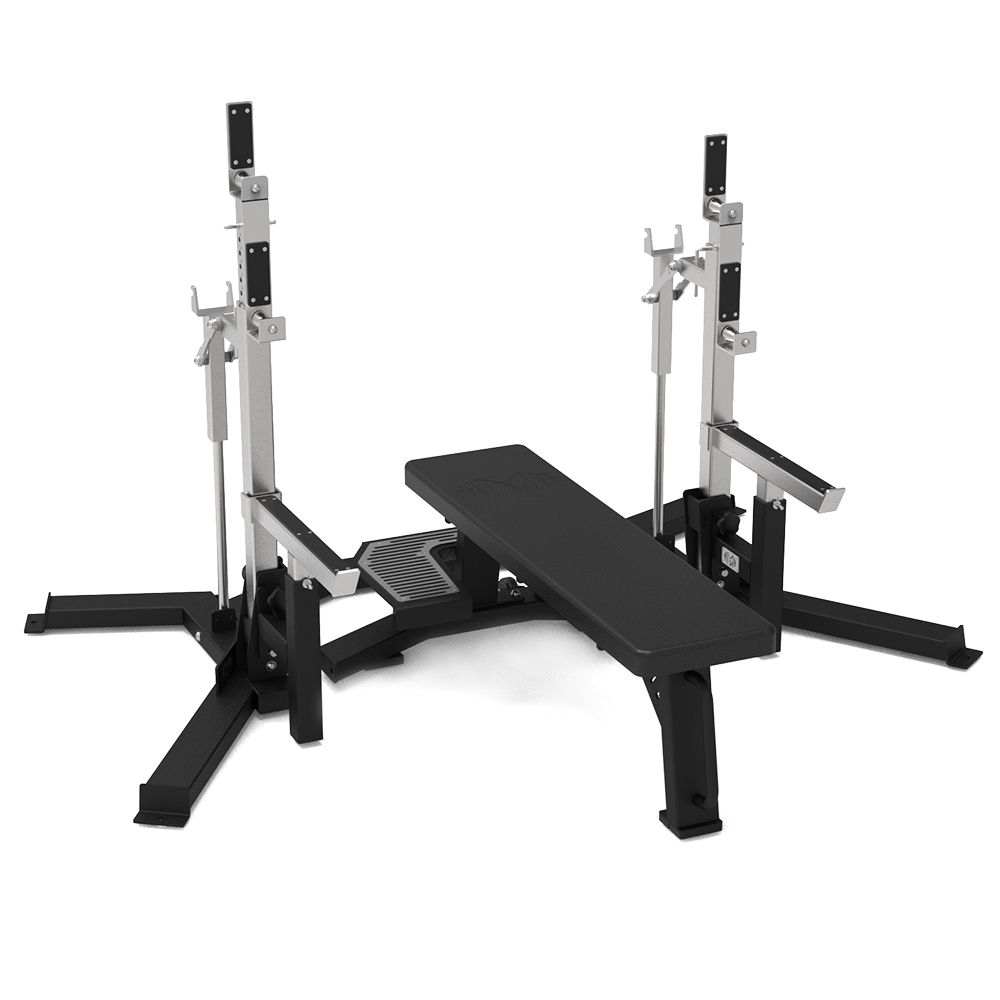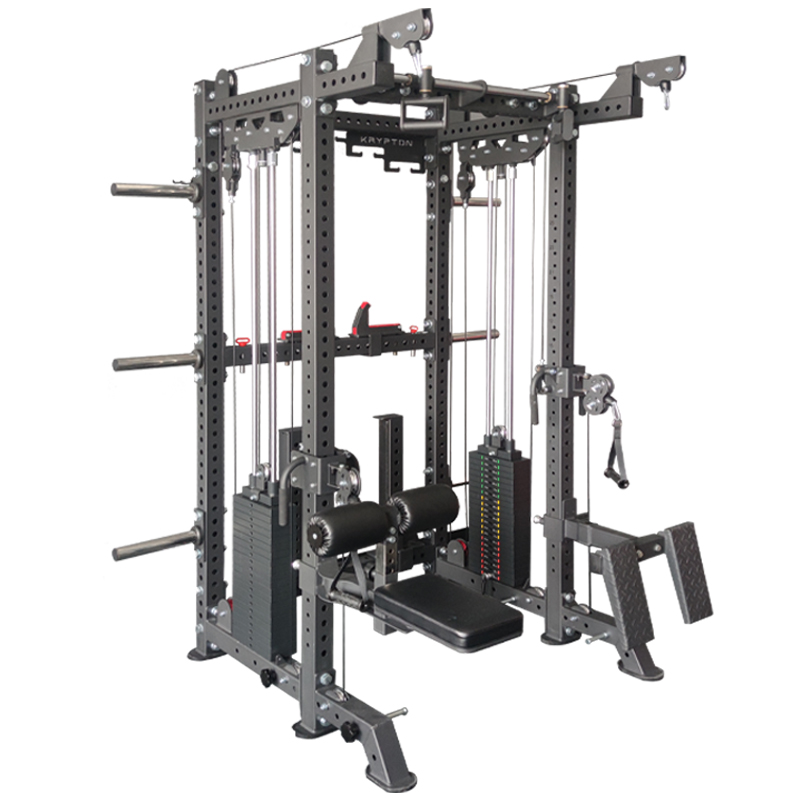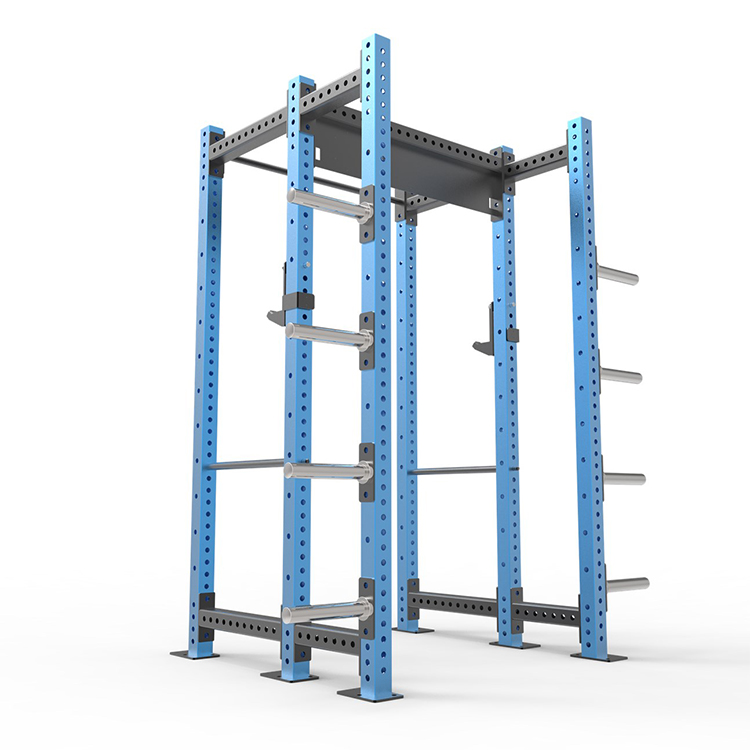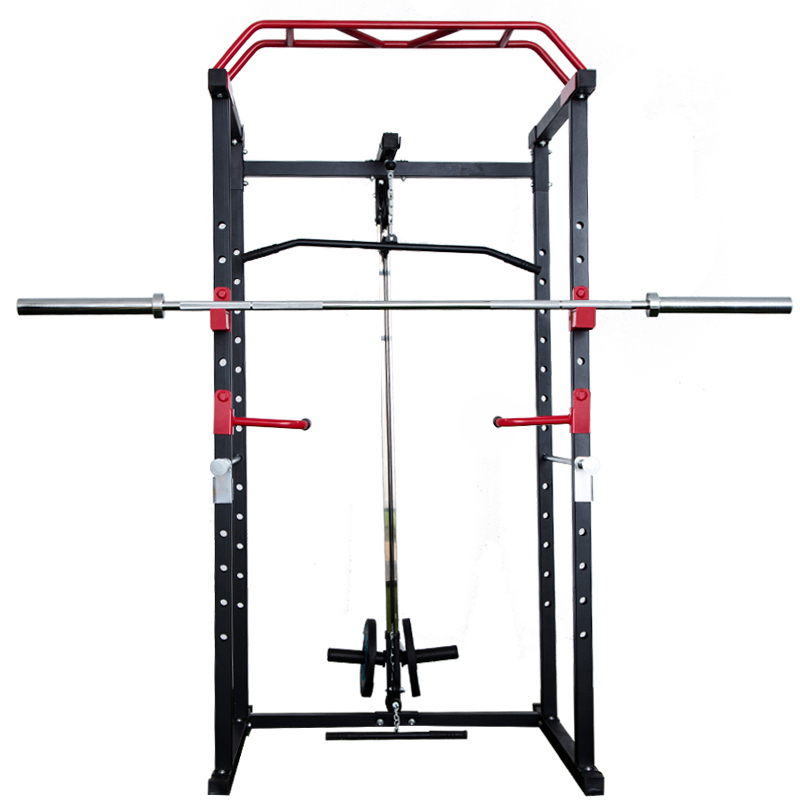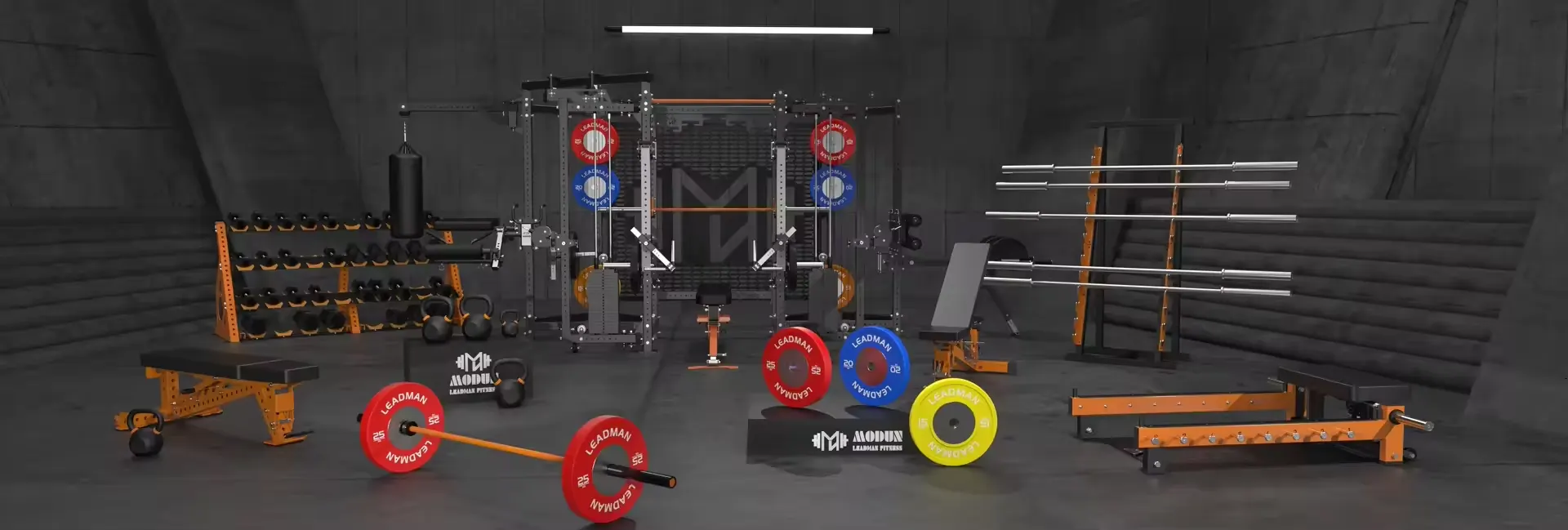
For commercial gyms, boutique studios, and serious home training spaces, the adjustable bench press rack serves as a foundational piece of strength equipment. Unlike fixed flat benches, these units offer multi-angle back adjustments, allowing users to target different portions of the pectoral muscles, deltoids, and triceps through incline, decline, and flat pressing movements. The core value lies in its adaptability—one station replaces three or four dedicated benches, maximizing floor efficiency without compromising training variety. Selecting the right model requires evaluating frame construction, ladder-style or pop-pin adjustment mechanisms, and compatibility with existing barbell stands or power racks.
The mechanical design separates quality units from budget alternatives. A robust adjustable bench press rack typically features 11-gauge or thicker steel tubing, with a box-section frame to resist torsional flex during heavy loads. The back pad adjustment system falls into two categories: ladder channel designs (with a steel hook engaging into cutouts) or pop-pin systems (spring-loaded pins engaging into pre-drilled holes). Ladder channels are generally faster for large angle changes but can wear over time. Pop-pin mechanisms offer precise, consistent locking but require higher manufacturing tolerances. Industry benchmarks suggest that a commercial-grade bench should support at least 600 lbs of user plus loaded barbell without deflection exceeding 3-5mm at the pivot point. Pad density is equally critical—too soft causes instability under load, while too hard creates pressure points during extended sets. High-density foam with a compression rating of 150–200 lbs per cubic foot represents the professional standard.
When evaluating potential purchases, facility managers should prioritize three hidden factors. First, footprint stability: a wider rear base with rubber feet prevents tipping during decline movements or when racking heavy weights. Second, seat pad adjustability—many benches offer independent seat angle changes, which prevents hip elevation from compromising shoulder positioning on inclines above 45 degrees. Third, gap management between the back pad and seat pad. A tight, minimal gap (under 1.5 inches) improves comfort and reduces fabric pinch points. For commercial settings, verify that upholstery uses automotive-grade vinyl with double-stitched seams and moisture resistance. Test the wheel mobility as well; only models with front transport wheels (positioned at the head end) allow easy relocation without lifting the entire unit. The most reliable suppliers provide detailed deflection test data and offer replacement pad kits as spare parts, acknowledging that upholstery will wear faster than the steel frame over a 5–10 year service life.

Let our experts design the perfect gym solution for your business. Get a free consultation and quote today.