

Understanding the Price Of Rubber Weight Plates: A Procurement Guide
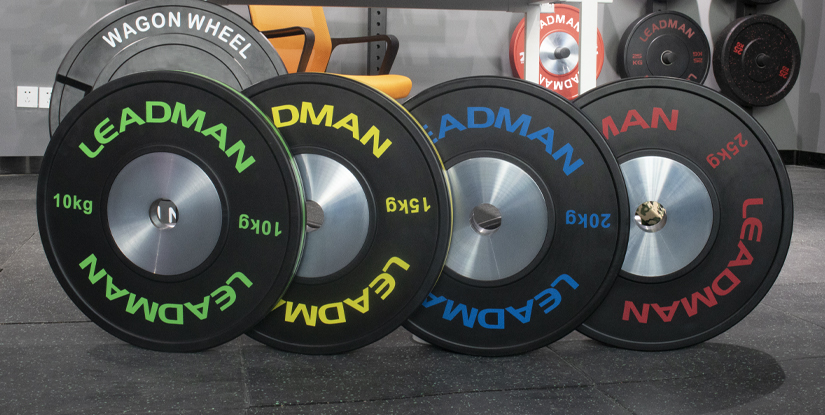
The Hidden Variables Influencing the Price Of Rubber Weight Plates
Facility managers and gym owners often encounter a frustrating discrepancy when comparing quotes for weight training equipment. A sudden, unexplained spike in the Price Of Rubber Weight Plates can disrupt procurement budgets and delay facility upgrades. This variation is rarely arbitrary; rather, it stems from fundamental differences in material density, manufacturing precision, and the structural composition of the plate itself. To navigate these costs effectively, one must move beyond the surface-level sticker price and examine the technical components that dictate long-term value.
Understanding these variables is the first step in transforming a simple purchase into a strategic capital investment. Once the fundamental cost drivers are identified, the focus must shift to how material quality directly impacts the physical durability of the equipment.
Material Composition and Density Standards
The most significant contributor to the price of rubberized training equipment is the grade of rubber utilized in production. High-quality plates typically utilize virgin rubber or high-density recycled crumb, whereas lower-cost alternatives may rely on low-grade filler materials that compromise structural integrity. A common failure mode in budget-tier plates is 'outgassing' or the release of a strong, acrid odor, which often indicates a high concentration of volatile organic compounds (VOCs) and low-grade synthetic additives.
Comparing Rubber Grades and Impact on Longevity
When assessing potential orders, professionals should look for technical specifications regarding the rubber-to-filler ratio. A higher density typically results in a more stable weight and a more consistent bounce profile. Use the following parameters to evaluate the material quality of your options:
| Material Category | Typical Composition | Primary Characteristics | Price Tier |
|---|---|---|---|
| Virgin Rubber | Pure synthetic or natural elastomers | Low odor, high durability, minimal deformation | Premium |
| High-Density Recycled | Compressed rubber crumb/binder | Balanced durability, low maintenance, stable weight | Mid-Range |
| Standard Recycled | Mixed rubber with high filler content | Higher odor potential, risk of cracking/scaling | Budget |
Choosing the wrong density can lead to premature degradation, particularly in high-impact environments. This material stability is essential, as it dictates how the plates will behave under repetitive mechanical stress over several years.
Analyzing the Internal Core Construction
While the outer shell provides the aesthetic and protective qualities, the internal core determines the plate's true center of gravity and structural stability. The Price Of Rubber Weight Plates is heavily influenced by whether the core is composed of solid cast iron, steel, or high-density polyurethane. A common mistake in procurement is assuming that a thicker rubber coating automatically signifies a higher-quality product, ignoring the potential for a hollow or unevenly weighted core.
Core Material Impact on Mechanical Performance
The relationship between the core and the rubber shell determines how the plate reacts during high-velocity movements. If the core is uneven, the plate will exhibit an eccentric load, creating an unbalanced feel during lifts. The following table outlines the common core types encountered in professional settings:
| Core Type | Construction Detail | Performance Implication | Failure Mode |
|---|---|---|---|
| Solid Cast Iron | Homogeneous iron core | High consistency, excellent weight retention | Rust if shell is breached |
| Steel Plate | Pressed steel sheets | Lower cost, more variable weight precision | Potential for vibration/rattle |
| Polyurethane Core | Integrated synthetic core | Extreme impact resistance, high durability | Higher initial investment |
An unevenly weighted core is not just a performance issue; it is a safety hazard that can lead to improper lift mechanics. Once the internal construction is verified, the next critical step is evaluating the precision of the center hole and the mounting interface.
Explore the complete technical specifications:
Precision Tolerances and Weight Accuracy
A frequent complaint among professional strength athletes is the discrepancy between the labeled weight and the actual mass of a plate. This lack of precision is often a direct indicator of low-quality manufacturing processes. In high-end rubber plates, the tolerance for weight deviation is strictly controlled, whereas budget-friendly options may exhibit significant variances. This discrepancy is a primary driver in the Price Of Rubber Weight Plates, as achieving high precision requires more controlled casting and weighing stages.
Verification Methods for Weight Accuracy
To ensure you are receiving the weight you paid for, implement a standard verification protocol during the receiving process. Do not rely solely on the manufacturer's certificate; physical testing is the only way to guarantee compliance with your facility's needs.
- Digital Scale Testing: Use a high-capacity industrial scale to weigh at least 5% of the total shipment, focusing on both the heaviest and lightest plates.
- Tolerance Comparison: Check if the deviation falls within the industry-standard range (typically +/- 1% to 3% for high-quality rubber plates).
- Thickness Uniformity: Measure the plate thickness at three different points to ensure there is no tapering or uneven distribution of the rubber shell.
Consistent weight accuracy ensures that training progressions remain predictable. However, weight accuracy is only one side of the coin; the physical interface between the plate and the barbell must also be perfectly calibrated.
Explore the complete technical specifications:
The Center Hole and Sleeve Compatibility
The interface where the barbell passes through the plate is a critical point of failure if not manufactured to exact dimensions. A common operational headache occurs when plates either fit too loosely on a standard barbell or are too tight to slide easily on a premium Olympic bar. This lack of compatibility often stems from a failure to maintain tight dimensional tolerances in the center hole diameter. A loose fit can cause excessive 'clanking' and uneven weight distribution, while a tight fit can damage the barbell sleeves over time.
Critical Dimensions for Professional Usage
When reviewing technical data sheets, verify that the center hole specifications align with your existing barbell inventory. A standard Olympic bar typically requires a 50.8mm (2-inch) bore, but the tolerance around this diameter is vital for smooth operation.
- Loose Fit Issues: Results in excessive lateral movement and noise; often caused by oversized center holes in low-precision manufacturing.
- Tight Fit Issues: Causes difficulty in loading/unloading and can lead to friction-based wear on the barbell; often caused by thin, unevenly cast rubber edges.
- Ideal Specification: A well-manufactured plate should provide a snug, smooth fit that allows for rapid loading without significant wobble.
Ensuring compatibility reduces frustration for users and extends the lifespan of both the plates and the bars. With the physical dimensions secured, maintenance becomes the final pillar in protecting your investment.
Explore the complete technical specifications:
Olympic Rubber Plate Set | Durable Bumper Plates for Weightlifting & CrossFit
Routine Maintenance and Surface Inspection Protocols
Even the most expensive rubber plates require a structured maintenance routine to prevent degradation. The Price Of Rubber Weight Plates reflects the cost of longevity, but that longevity is only achieved through diligent care. Common issues like surface cracking, rubber chipping, or the buildup of sweat and oils can occur if the equipment is neglected or cleaned with improper chemicals.
Step-by-Step Inspection Checklist
Implement a quarterly inspection to identify potential failure modes before they become safety hazards. Use this checklist to guide your facility staff:
- Surface Integrity Check: Inspect the outer rubber shell for cracks, peeling, or 'bubbling' which indicates an adhesive or binding failure.
- Odor Assessment: Monitor for any new, strong chemical smells that may indicate material degradation or exposure to UV/heat.
- Debris Removal: Ensure the center hole is free of dust, chalk, or metal shavings that can impede smooth movement.
- Structural Soundness: Listen for any unusual rattling or internal shifts when the plates are dropped or moved.
Regularly addressing these minor issues prevents the need for premature replacement. Following these protocols ensures that your decision to invest in higher-priced, higher-quality plates actually delivers the long-term ROI expected.
Explore the complete technical specifications:
Rubber Barbell Weight Set: Barbell Quality Matters More Than Plates
Common Procurement Pitfalls and How to Avoid Them
Many buyers fall into the trap of chasing the lowest possible price point, failing to realize that low-cost rubber plates often carry much higher total cost of ownership (TCO). The most frequent mistake is neglecting to request a formal technical specification sheet (TSS) during the bidding process. Without a TSS, you are essentially buying a visual representation rather than a technical product, leaving you vulnerable to substandard materials.
Strategic Selection Criteria
To avoid the pitfalls of low-quality procurement, apply the following decision criteria during your selection process:
- Total Cost of Ownership (TCO) Approach: Calculate the expected lifespan and replacement frequency rather than just the initial purchase price.
- Request Material Certifications: Ask specifically for the type of rubber and the core material to ensure it meets your facility's durability requirements.
- Sample Verification: If ordering in bulk, always request a single sample unit to test for weight accuracy, odor, and fit before finalizing the full order.
By shifting from a price-focused to a specification-focused mindset, you can ensure that your equipment meets the rigorous demands of a professional training environment.
Explore the complete technical specifications:
Weight Plates Manufacturers: Global Sourcing, Quality & Cost Guide
Looking Forward: The Future of Weight Plate Manufacturing
As material science advances, the Price Of Rubber Weight Plates will continue to be shaped by new developments in sustainable and highly durable elastomers. We are seeing a shift toward more eco-friendly, high-performance recycled compounds that offer the same density and durability as virgin rubber. Staying informed about these material trends will allow facility operators to make more informed, future-proof purchasing decisions. Ultimately, the most successful operators are those who view weight plates not just as commodities, but as precision-engineered tools essential to the training experience.