

Optimizing Longevity and Performance of Rubber Barbell Weight Plates
Critical Selection Criteria for Rubber Barbell Weight Plates
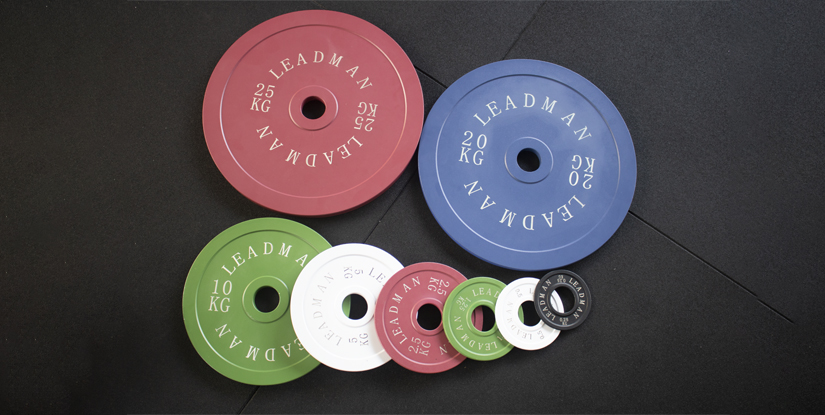
Before committing a procurement budget to new lifting equipment, facility managers must look beyond simple aesthetics. The selection of Rubber Barbell Weight Plates involves a complex interplay of material density, scent profiles, and durability requirements. Choosing the wrong grade can lead to premature degradation, such as cracking or the release of unpleasant odors, which negatively affects the user experience and long-term ROI.
Material Composition and Density Profiles
High-quality plates typically utilize a high-density vulcanized rubber or a specialized polyurethane coating over a solid core. The core density determines how well the plate retains its shape under heavy loads and how it reacts to thermal expansion. Low-density options often suffer from 'compression set,' where the plate loses its original thickness after repeated high-impact drops. Professional operators should prioritize plates that specify a consistent density across all weight increments to ensure uniform barbell balance.
Impact Resistance and Surface Durability
A common failure mode in lower-tier equipment is surface fragmentation, where the outer layer of the rubber begins to flake or peel. This is often caused by poor bonding between the rubber skin and the internal weight core. To mitigate this, verify whether the plates are high-impact resistant or merely surface-coated. When selecting equipment, consider the environment: high-traffic commercial gyms require more robust, thick-walled rubber than residential setups to withstand constant impact stress.
| Feature | High-Density Vulcanized Rubber | Standard Color-Coated Rubber |
|---|---|---|
| Impact Durability | Extreme; designed for high drops | Moderate; better for controlled lifts |
| Scent Profile | Low to Neutral | Often strong/chemical odor |
| Lifespan | Long-term (5+ years) | Medium-term (2-3 years) |
| Maintenance | Low; easy to wipe down | Moderate; requires more cleaning |
By understanding these material distinctions, a buyer can avoid the trap of low-cost, low-durability options. Once the correct material type is selected, the focus shifts toward ensuring the weight remains accurate throughout its lifecycle.
Verifying Weight Tolerances and Calibrated Precision
A common complaint among competitive lifters and professional strength coaches is the discrepancy between the stated weight and the actual mass of the plate. Even high-quality Rubber Barbell Weight Plates can exhibit variations due to the manufacturing processes involved in molding rubber and injecting cores. A mismatch in plate weight can lead to asymmetrical loading on the barbell, increasing the risk of injury or inaccurate training progress.
Understanding Standard Industry Tolerances
In professional-grade equipment, weight tolerance is a non-negotiable metric. Most high-end manufacturers target a tolerance of less than 1% to 2%. If a 25kg plate weighs only 24.5kg, the cumulative error on a barbell becomes significant. Facility operators should perform periodic 'spot checks' using calibrated digital scales to ensure the inventory remains compliant with training standards.
Common Causes of Weight Drifts
Weight drift is rarely a result of the rubber itself but is more commonly attributed to the core-to-skin ratio or manufacturing inconsistencies in the internal weight distribution. If a plate feels 'unbalanced' during a lift, it may indicate an off-center core. This is a major failure mode that can lead to uneven wear on barbell sleeves. When auditing new shipments, it is a best practice to weigh a sample size from each weight increment to verify consistency before full deployment.
Regularly verifying accuracy ensures that your facility remains a trusted environment for serious athletes. However, even the most accurate plates require a structured maintenance plan to remain functional.
Standard Operating Procedures for Plate Maintenance
Maintaining Rubber Barbell Weight Plates is not merely about cleanliness; it is about preserving the structural integrity of the polymer and the central hub. Neglecting maintenance can lead to the buildup of sweat, skin oils, and environmental debris, which eventually compromises the surface and can even cause the rubber to degrade or become brittle.
Daily Cleaning and Surface Management
Daily cleaning is essential for both hygiene and longevity. The use of harsh chemical solvents or bleach-based cleaners is a significant mistake, as these can cause the rubber to dry out and crack. Instead, a mild soap solution and a non-abrasive cloth are recommended. For specialized high-performance environments, using a pH-neutral cleaner helps maintain the elasticity of the material.
Inspection Checklists for Operators
Operators should integrate a visual and tactile inspection into their weekly facility walkthroughs. A systematic approach prevents small issues from becoming expensive replacements. Use the following checklist to guide your inspection process:
- Check for Cracking: Inspect the outer circumference for micro-fractures or surface peeling.
- Examine the Central Bore: Ensure the center hole remains circular and is not deformed by wear.
- Test for Odor: Detect any new or intense chemical scents that might indicate material breakdown.
- Weight Consistency: Perform a monthly spot check with a scale to ensure accuracy.
Adhering to these protocols extends the service life of your equipment significantly. As a next step, understanding how to store these plates correctly will prevent many of the issues identified during inspection.
Explore the complete technical specifications:
Optimizing Storage to Prevent Structural Deformation
The way equipment is stored at the end of a session directly impacts its long-term performance. Improper storage can lead to the physical deformation of Rubber Barbell Weight Plates, particularly if they are subjected to extreme temperature fluctuations or uneven stacking pressure.
Temperature Control and Material Elasticity
Rubber is a thermoreactive material. In extremely cold environments, the rubber can become brittle and prone to cracking upon impact. In extremely hot environments, it may soften, leading to slight deformations if weight is applied. For commercial facilities, maintaining a controlled ambient temperature is the most effective way to preserve the material's natural elasticity and prevent premature aging.
Stacking Dynamics and Vertical Pressure
A frequent mistake made by staff is stacking heavy plates in deep, vertical piles without adequate support. The cumulative pressure on the bottom plates in a high stack can lead to 'permanent deformation,' where the lower plates become slightly out-of-round. This creates unevenness when the plates are loaded onto a barbell. To avoid this, use dedicated plate trees or tiered storage racks that distribute weight more effectively.
| Storage Method | Pros | Cons |
|---|---|---|
| Vertical Plate Trees | Space-efficient; high accessibility | Can cause bottom-plate compression if overfilled |
| Wall-Mounted Racks | Keeps floor clear; easy organization | Requires secure mounting to wall/rack |
| Floor Stacks | High capacity in small area | High risk of deformation and tripping hazards |
Effective storage ensures that your equipment remains ready for immediate use without the headache of irregular loading. Even with perfect storage, certain operational errors can still cause damage, making troubleshooting a vital skill for facility managers.
Explore the complete technical specifications:
Troubleshooting Common Plate Failures and Issues
Even with the best selection and maintenance, issues will eventually arise. Being able to identify the root cause of a problem—whether it is a physical defect or an operational error—allows for faster resolution and prevents widespread equipment failure. This section focuses on common symptoms found in Rubber Barbell Weight Plates and their underlying causes.
Identifying Surface Degradation vs. Material Decay
One of the most common issues is the appearance of fine cracks on the surface. It is critical to distinguish between surface 'crazing' (often caused by environmental exposure) and deep structural cracks (caused by high-impact misuse). Surface crazing can often be managed with specialized rubber conditioners, but deep structural cracks indicate that the plate is nearing the end of its reliable lifecycle and must be replaced to ensure safety.
Addressing Weight Fluctuations and Imbalance
If athletes report that a barbell feels 'unbalanced' or 'lopsided,' do not immediately assume the barbell is faulty. Often, the issue lies in the Rubber Barbell Weight Plates themselves. An asymmetrical distribution of mass within the plate is a common failure mode in lower-quality manufacturing. If a series of plates from the same batch show similar imbalance, the problem is likely a manufacturing tolerance issue. In such cases, it is recommended to cycle the plates or contact the supplier for a quality assessment.
Quick Reference Troubleshooting Table
| Symptom | Potential Cause | Recommended Action |
|---|---|---|
| Odor Increase | Chemical breakdown or organic buildup | Clean with pH-neutral solution; check ambient temp |
| Surface Peeling | Poor bonding or harsh chemical use | Replace plates; audit cleaning protocols |
| Unbalanced Barbell | Asymmetrical core distribution | Re-weigh plates; check for manufacturing defects |
| Micro-Cracking | Extreme temperature exposure | Improve climate control in facility |
By applying these diagnostic steps, operators can maintain a high standard of excellence and ensure a predictable training environment for all users.
Explore the complete technical specifications:
Long-Term Operational Impact of Quality Equipment
The decision to invest in high-quality Rubber Barbell Weight Plates is a long-term operational strategy rather than a one-time purchase. While the initial capital expenditure may be higher, the total cost of ownership is typically much lower due to reduced replacement frequency and minimized downtime. A facility that prioritizes high-density, well-calibrated, and durable equipment builds trust with its community and maintains a professional reputation.
The ROI of Premium Materials
When comparing budget-tier rubber to professional-grade vulcanized rubber, the primary difference lies in the stability of the material over time. Premium plates offer resistance to UV degradation and better moisture management, which is vital for facilities with varying climate control. In the long run, choosing equipment that adheres to strict density and weight-tolerance standards significantly reduces the labor costs associated with constant inventory auditing and premature replacements.
In conclusion, professional weightlifting environments depend on the reliability of their most fundamental tools. By focusing on rigorous selection, strict maintenance, and proactive troubleshooting, managers can ensure that their equipment remains a high-performing asset for years to come. As technology advances, the move toward more sustainable and even more durable synthetic polymers will continue to refine the standards of the strength industry.