

Optimizing Commercial Gym Benches: A Technical Guide to Selection and Maintenance
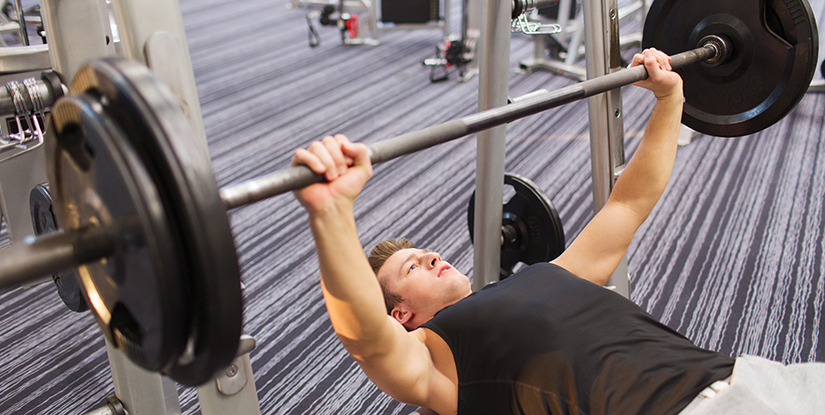
Addressing Structural Instability in Commercial Gym Benches
A primary concern for facility managers involves the subtle onset of instability in commercial gym benches. Unlike residential models, these units face repetitive high-impact loading and lateral stress that can compromise structural integrity over time. When a bench begins to exhibit a slight wobble or a rhythmic vibration during heavy lifts, it is rarely an isolated incident; it is a symptom of mechanical fatigue or fastener loosening.
The root cause of this instability typically falls into two categories: structural deformation of the steel frame or the loosening of high-tensress bolts due to thermal expansion and mechanical vibration. If left unaddressed, a minor wobble can evolve into a catastrophic failure under load. To resolve this, operators must transition from reactive repairs to a proactive structural monitoring program. A stable foundation is the prerequisite for safe lifting, making the identification of frame material density the next critical step in procurement.
Identifying Frame Failure Modes
- Weld Fractures: Often hidden under upholstery, micro-cracks in the welds can lead to sudden collapses.
- Fastener Stripping: Constant weight changes can strip the threads of lower-grade bolts.
- Frame Bowing: Sustained heavy loads on sub-par steel can permanently bend the longitudinal rails.
Material Selection and Load-Bearing Capacity Standards
Having addressed the immediate risks of structural failure, it is necessary to understand the engineering behind the equipment to prevent such issues during the initial procurement phase. Choosing the wrong grade of steel or inadequate upholstery thickness is a common mistake that leads to rapid depreciation of gym assets.
When evaluating commercial gym benches, the decision should be based on the gauge of the steel and the density of the foam padding. Higher-end commercial models utilize a thicker steel gauge to resist the bending moments experienced during maximum exertion. Furthermore, the upholstery must be more than just aesthetically pleasing; it must be chemically resistant to sweat and high-density enough to prevent 'bottoming out' against the frame.
| Component | Entry-Level Commercial Standard | Premium Performance Standard |
|---|---|---|
| Steel Gauge | 14-Gauge Steel | 11-Gauge or 7-Gauge Steel |
| Foam Density | High-Density Polyurethane | Multi-Layered Variable Density Foam |
| Upholstery Material | Standard Vinyl | Reinforced, Anti-Microbial Medical Grade Vinyl|
| Weight Capacity | 500 - 700 lbs | 1,000+ lbs |
Selecting the correct material density ensures the bench remains a long-term asset rather than a recurring maintenance liability. Once the ideal specifications are determined, the focus shifts to the ergonomic implementation of the equipment on the gym floor.
Ergonomic Setup and User Positioning Optimization
With the correct material specifications in hand, the next challenge is the operational setup. Even a high-quality bench can become a safety hazard if the user's ergonomic alignment is compromised by improper height or angle adjustments. Misalignment during a bench press, for instance, can lead to shoulder impingement or uncontrolled barbell paths.
The mechanism of ergonomic failure often stems from incorrect adjustment increments. Most high-end benches utilize a notched or hydraulic system for incline/decline adjustments. If the notches are not fully engaged, the bench can slip under load. Operators must verify that the adjustment pins are completely seated and that the bench is level on the floor surface. A slight tilt in the flooring can result in an uneven weight distribution, placing unnecessary torque on one side of the bench frame.
Verification Checklist for Ergonomic Safety
- Leveling Check: Place a spirit level on the bench surface to ensure a flat plane.
- Adjustment Engagement: Visually confirm that all adjustment pins are fully seated in their respective slots.
- Padding Compression Test: Ensure the foam provides consistent support across the entire length of the bench.
Ensuring the user is positioned correctly is vital for safety, but this physical setup must be supported by a rigorous inspection cycle to catch the degradation of these adjustment mechanisms before they fail.
Explore the complete technical specifications:
Heavy Duty Commercial Gym Equipment: Engineering, Specs & Selection
Standardized Inspection and Maintenance Protocols
Maintaining optimal performance of commercial gym benches requires a structured approach rather than occasional visual checks. A failure to implement a routine cadence leads to the gradual decay of mechanical components, such as adjustment pins and pivot points, which are subject to high friction.
The most effective maintenance strategy involves a three-tiered approach: daily visual inspections, weekly mechanical checks, and quarterly deep-structure audits. A common mistake among facility operators is neglecting the pivot points and adjustment mechanisms, assuming that if the bench isn't wobbling, it is safe. However, internal wear in the hinge mechanism can lead to unexpected drops in incline settings during a lift. By implementing a rigorous maintenance schedule, you can catch these subtle failures early.
Maintenance Frequency and Action Items
| Interval | Focus Area | Required Action |
|---|---|---|
| Daily | Upholstery & Hygiene | Sanitize surfaces and check for visible tears or rips. |
| Weekly | Adjustment Mechanisms | Test all incline/decline settings for smooth movement and lock-in. |
| Monthly | Fasteners & Bolts | Use a torque wrench to verify all structural bolts meet manufacturer specifications. |
| Quarterly | Full Structural Audit | Inspect welds for stress fractures and check frame alignment. |
Regularly auditing the hardware ensures that the mechanical components remain as reliable as the steel frame. This brings us to the necessity of troubleshooting the most common issues encountered during daily operations.
Explore the complete technical specifications:
Selecting a Commercial Gym Equipment Manufacturer | Sourcing Guide
Troubleshooting Common Mechanical Issues and Deviations
Despite a dedicated maintenance program, certain deviations in bench performance will inevitably occur. Understanding the cause-and-effect relationship of these issues allows technicians to rectify them without replacing entire units.
When a user reports a 'squishy' feeling or a loss of stability, the problem is usually categorized into three distinct failure modes: upholstery fatigue, fastener loosening, or pivot friction. For example, if an incline adjustment feels 'gritty' or difficult to move, the cause is likely a lack of lubrication in the pivot pin or the accumulation of debris within the adjustment track. Conversely, a lateral wobble often indicates a loose base bolt rather than a frame issue.
Failure Diagnosis Guide
- Problem: Unstable movement during heavy lifts.
Cause: Loose base bolts or uneven floor contact.
Fix: Re-torque all base bolts and adjust leveling feet. - Problem: Incline/Decline does not lock securely.
Cause: Worn adjustment pins or debris in the track.
Fix: Clean the track and replace the pin if it shows signs of thinning. - Problem: Cracking or peeling upholstery.
Cause: Excessive use of harsh chemical cleaners or age-related UV degradation.
Fix: Replace the pad or apply a specialized vinyl conditioner.
Once a deviation is identified and corrected, the final step is to verify that the fix has successfully restored the bench to its original operating parameters.
Explore the complete technical specifications:
Commercial Gym Mats: Ultimate Guide to Heavy-Duty Flooring Solutions
Verification of Performance and Safety Standards
After any repair or adjustment, the technician must perform a verification protocol to ensure the bench is safe for commercial use. It is not enough to simply tighten a bolt; the structural integrity must be validated through a standardized testing procedure to prevent a false sense of security.
Verification should involve a progressive load test. This means starting with a minimal load and gradually increasing the weight to ensure the bench behaves predictably at all stages. For example, if a hinge was repaired, the bench should be moved through its full range of motion multiple times before being cleared for heavy lifting. This ensures that the mechanical 'memory' of the components is not fighting the new adjustment.
The Post-Repair Verification Protocol
- Mechanical Cycling: Cycle the adjustment mechanism (incline/decline) at least five times.
- Incremental Load Test: Apply 25%, 50%, and 75% of the maximum rated capacity using a controlled weight.
- Stability Observation: Observe the base and pivot points for any micro-movements or audible sounds during the load.
By adhering to this verification process, operators can maintain a high standard of safety and longevity for their equipment, ensuring the gym remains a professional-grade environment.
Explore the complete technical specifications:
Commercial Gym Equipment Wholesale: Sourcing, Pricing Tiers, and Procurement Strategy
Ensuring Long-Term Operational Longevity
Extending the lifespan of your equipment is a direct function of how you manage the intersection of environment and usage. As we have explored, structural integrity, material selection, and rigorous maintenance are the pillars of equipment longevity.
Beyond mechanical care, the environment in which these benches reside plays a significant role. High humidity levels can lead to oxidation of exposed steel parts, while extreme temperature fluctuations can affect the elasticity of the upholstery. Managing the facility's climate control is, in a sense, a form of equipment maintenance. A well-managed environment reduces the rate of material degradation, ensuring that the investment in high-quality commercial gym benches yields a much higher long-term return on investment.