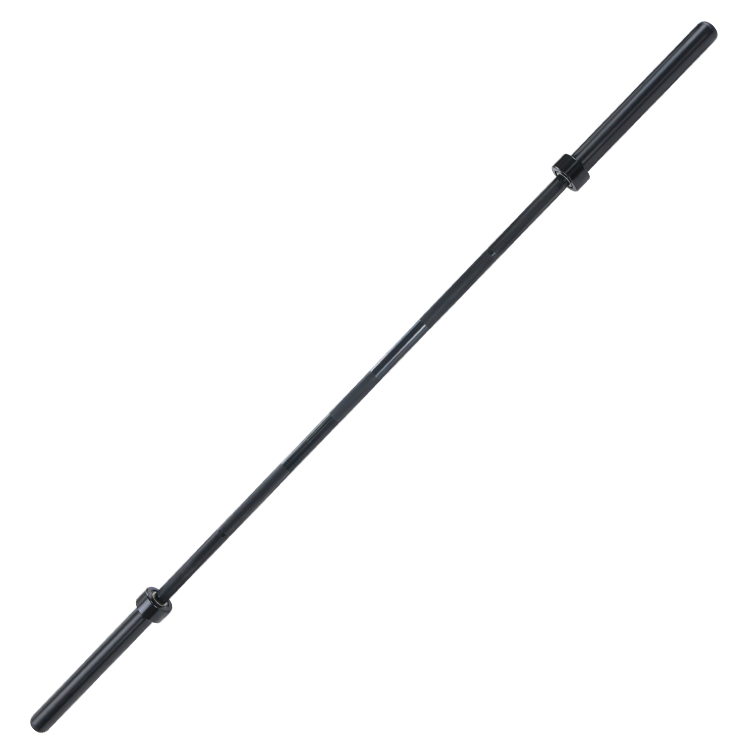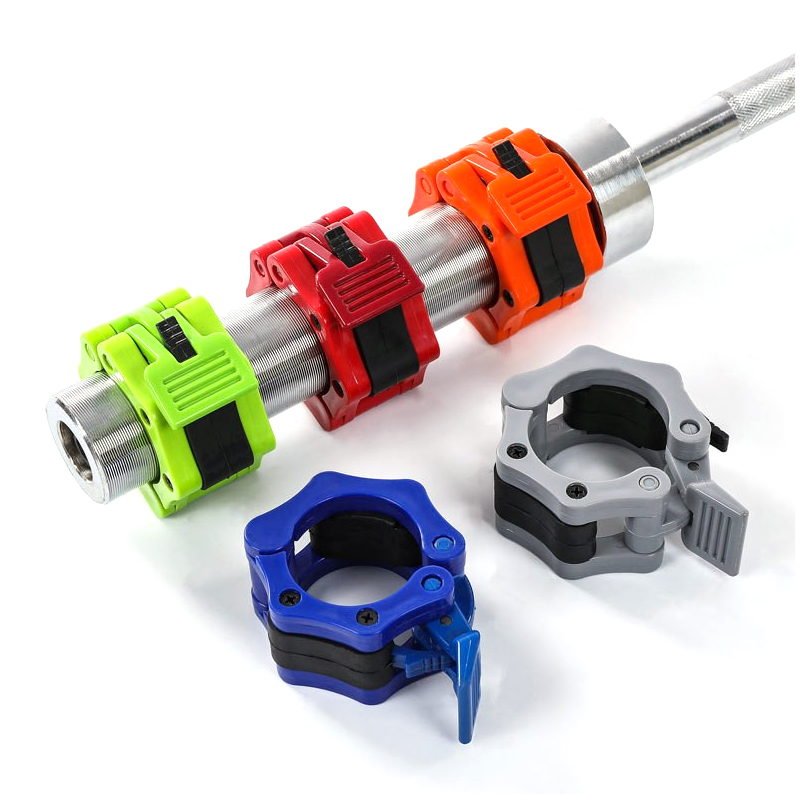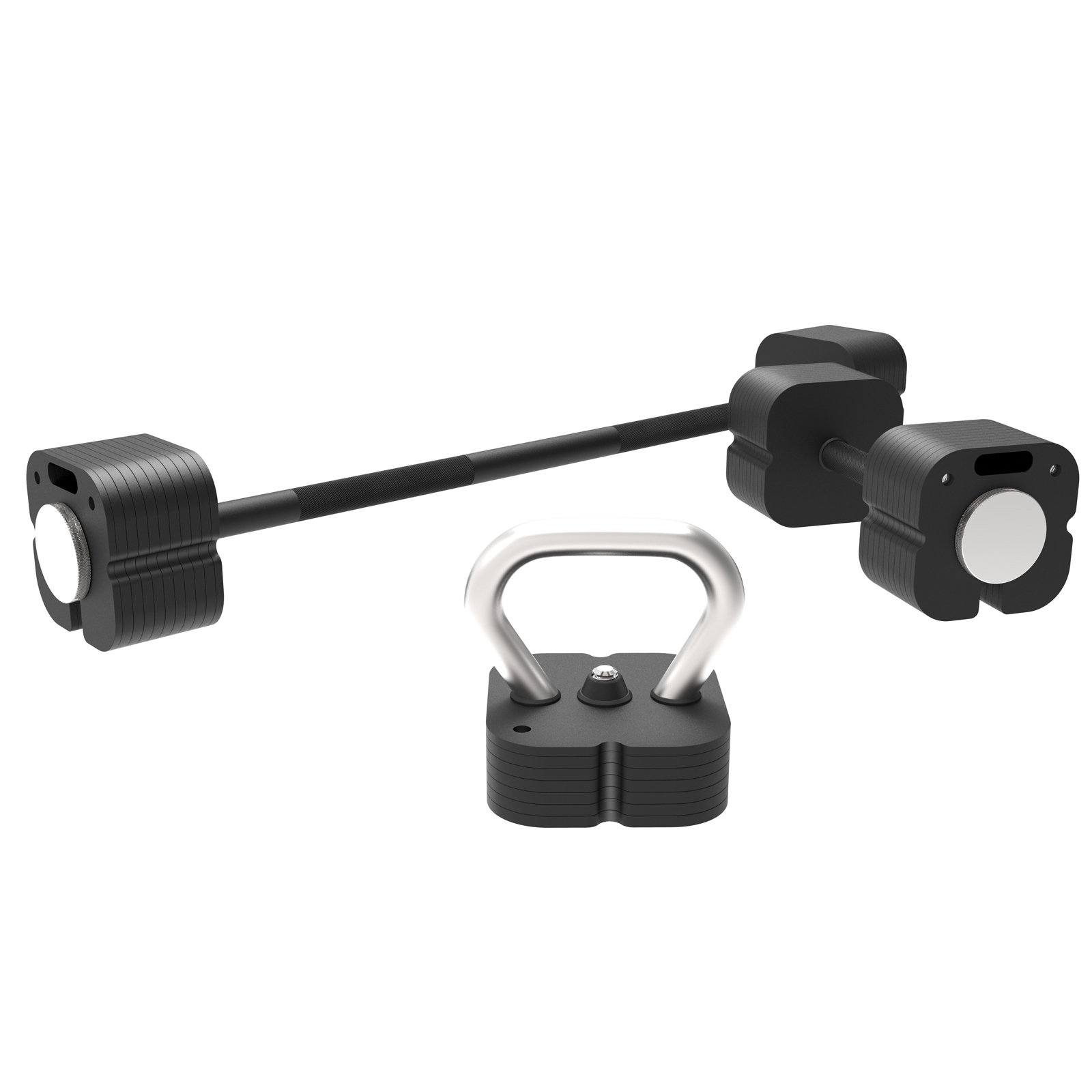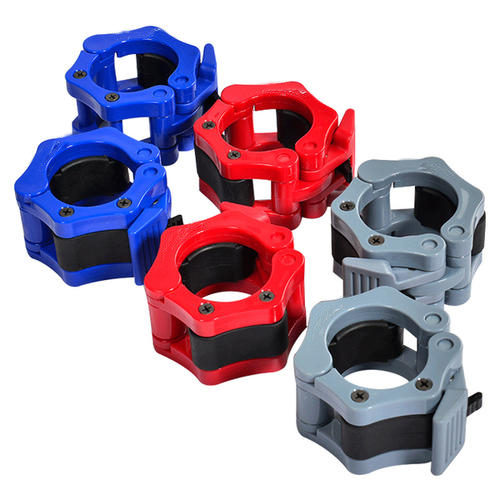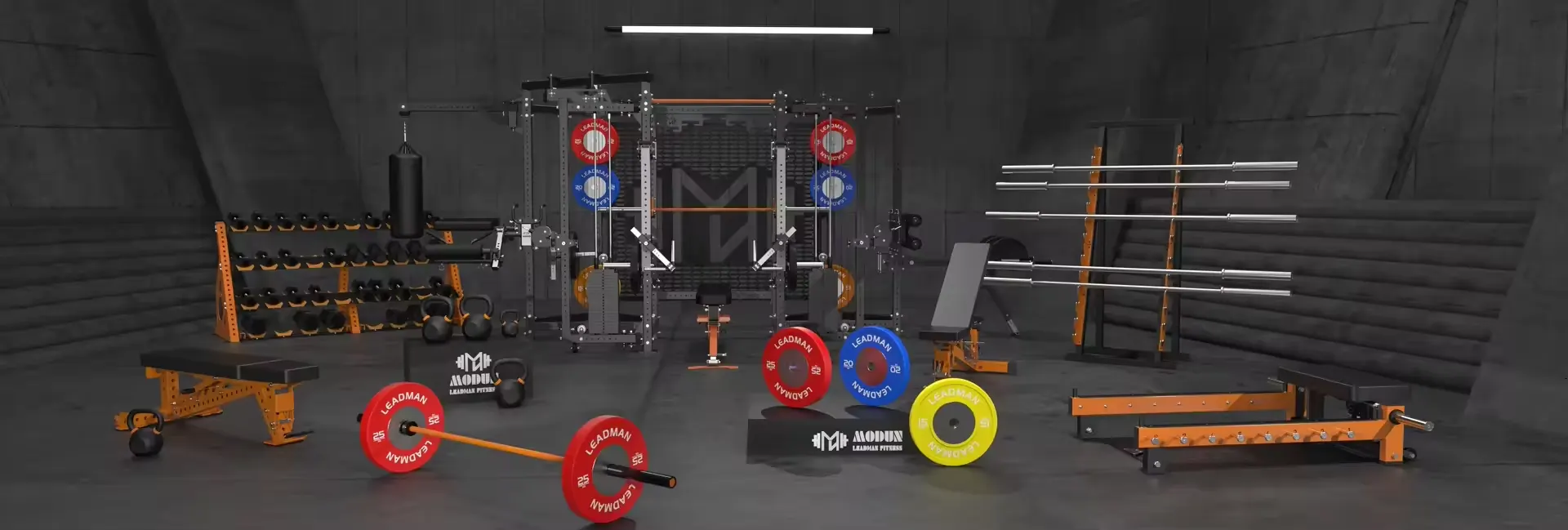
Commercial gym equipment wholesale involves bulk purchasing of fitness machinery—cardio units, strength training rigs, plate-loaded machines, and accessories—directly from manufacturers or authorized distributors, typically requiring minimum order thresholds between $5,000 and $20,000 per shipment. Wholesale buyers include gym franchise owners, hotel fitness center operators, CrossFit box founders, and institutional buyers equipping college recreation centers or corporate wellness facilities. The wholesale channel bypasses retail markups of 30–50 percent, exchanging lower per-unit pricing for larger upfront capital commitments and longer delivery timelines.
Understanding the supply chain tiers distinguishes legitimate wholesale access from inflated pricing. Tier-one wholesale involves direct manufacturer purchasing, offering the lowest per-unit cost but demanding the highest minimum quantities—often a full container load (20-foot or 40-foot) representing 150–300 pieces of equipment. Tier-two wholesale flows through regional distributors who buy container lots and break them into smaller shipments (10–50 pieces), adding 10–15 percent to manufacturer pricing but reducing minimum order requirements significantly. Tier-three represents dealer pricing, where local fitness equipment retailers purchase wholesale and resell at near-retail, offering convenience for small buyers but minimal cost advantage over retail.
Price per square foot calculations drive wholesale purchasing decisions for commercial operators. A cardio piece occupying 12 square feet generating $3,000 annual revenue presents different ROI than a functional trainer using 25 square feet generating $2,500 annually. Wholesale buyers typically allocate $150–$300 per square foot for equipment placement, meaning a 3,000-square-foot facility budgets $450,000–$900,000 for the initial equipment package. Volume purchasing through wholesale channels reduces this capital requirement by 25–40 percent compared to retail sourcing, directly improving the facility's payback period.
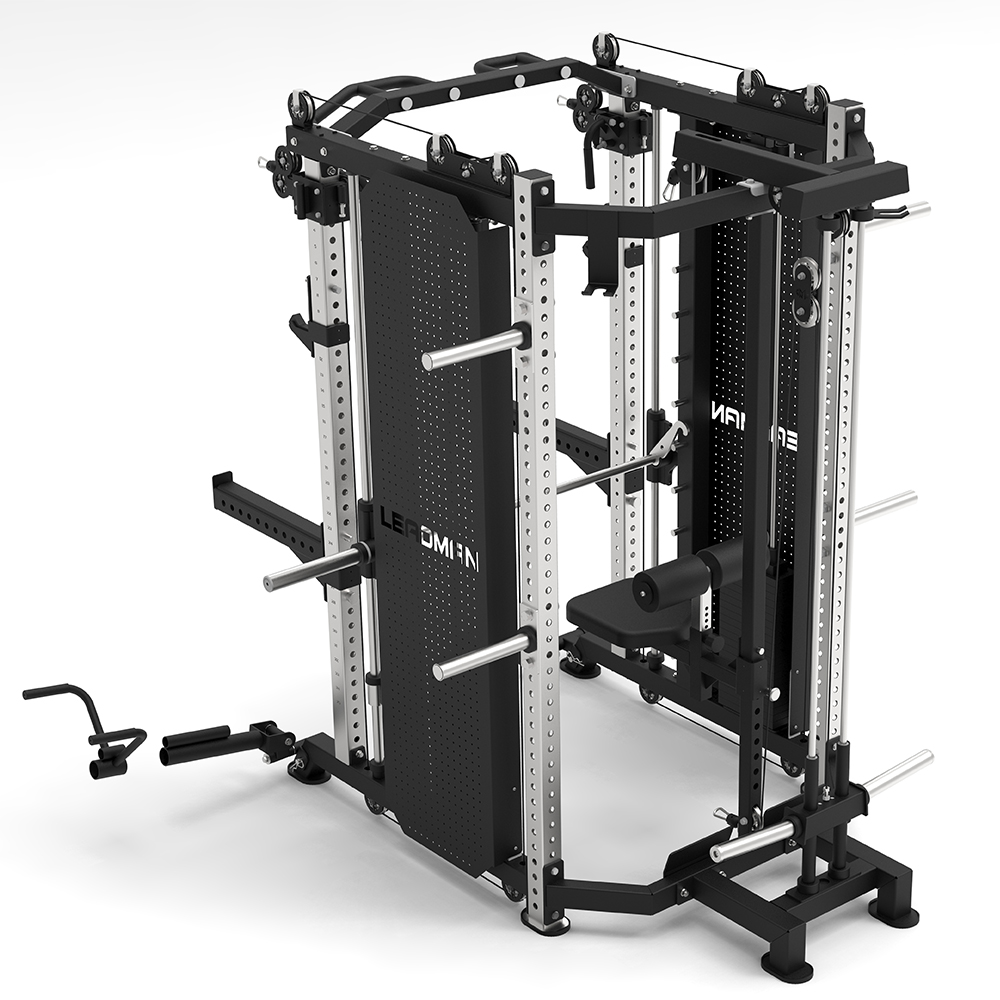
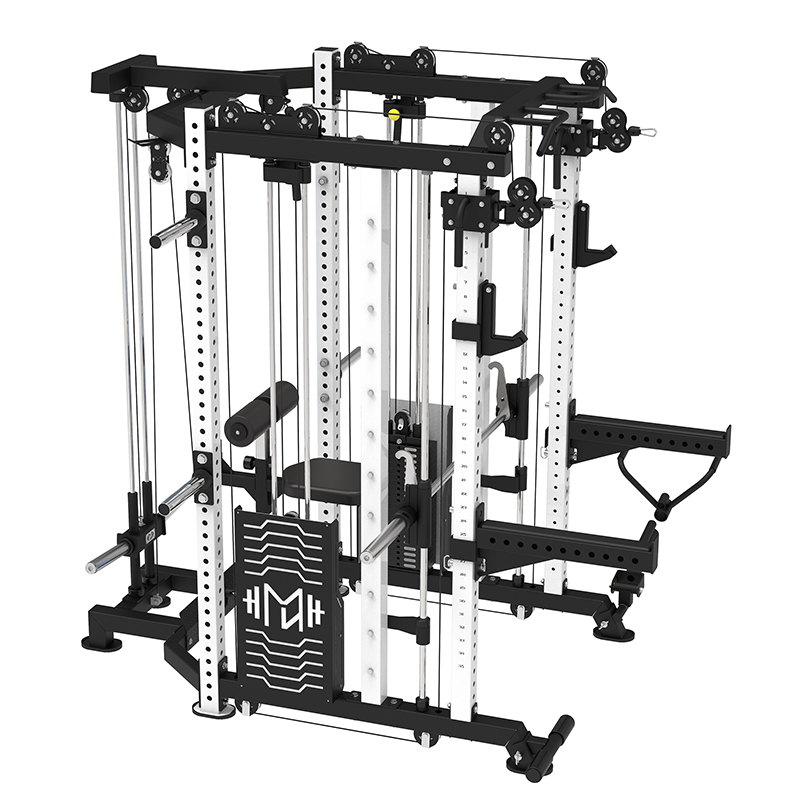
For strength equipment procurement, the frame gauge and weld quality standards separate commercial-grade wholesale offerings from light-commercial or residential lines. Commercial specifications require 11-gauge steel minimum (approximately 3mm thickness) for primary load-bearing structures, continuous robotic welds rather than stitch welding, and powder coating thickness exceeding 150 microns for corrosion resistance. Wholesale buyers should request weld inspection documentation and frame material certifications—suppliers unable to provide these documents often source from lower-tier factories producing equipment that fails within 18–24 months under daily commercial use rather than the expected 7–10 year lifespan.
Bulk purchasing of plate-loaded equipment requires evaluating weight horn compatibility and plate storage integration. Wholesale packages typically include selectorized machines (pin-loaded stacks) at $2,500–$5,000 per unit and plate-loaded pieces at $1,200–$2,500 per unit. The operational cost difference matters: selectorized machines allow faster circuit training but require proprietary weight stacks costing $800–$1,500 to replace. Plate-loaded equipment uses standard Olympic plates available from any manufacturer, reducing long-term proprietary replacement risk but increasing changeover time between users by approximately 15–20 seconds per exercise.
Cardio equipment wholesale purchases involve console technology standardization across the facility fleet. Mixing console types from multiple wholesale vendors creates user confusion and complicates maintenance—facilities should standardize on one console interface (e.g., all touchscreen or all LED) across treadmills, ellipticals, and bikes. Wholesale pricing for commercial treadmills ranges $3,000–$6,000 per unit depending on motor size (3.0–5.0 continuous horsepower), belt width (20–22 inches), and warranty coverage. Below $2,500 per treadmill typically indicates light-commercial components rated for 4–6 hours daily use rather than the 10–12 hours daily expected in busy facilities.
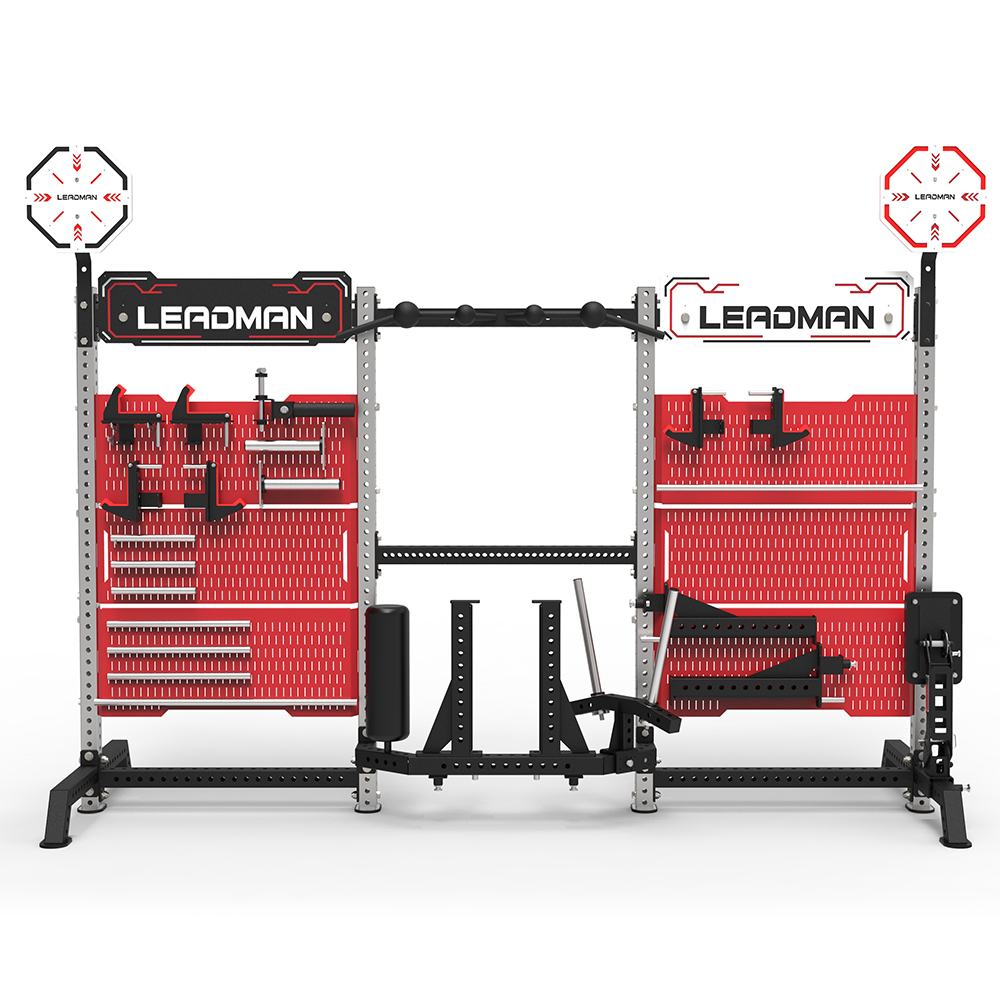
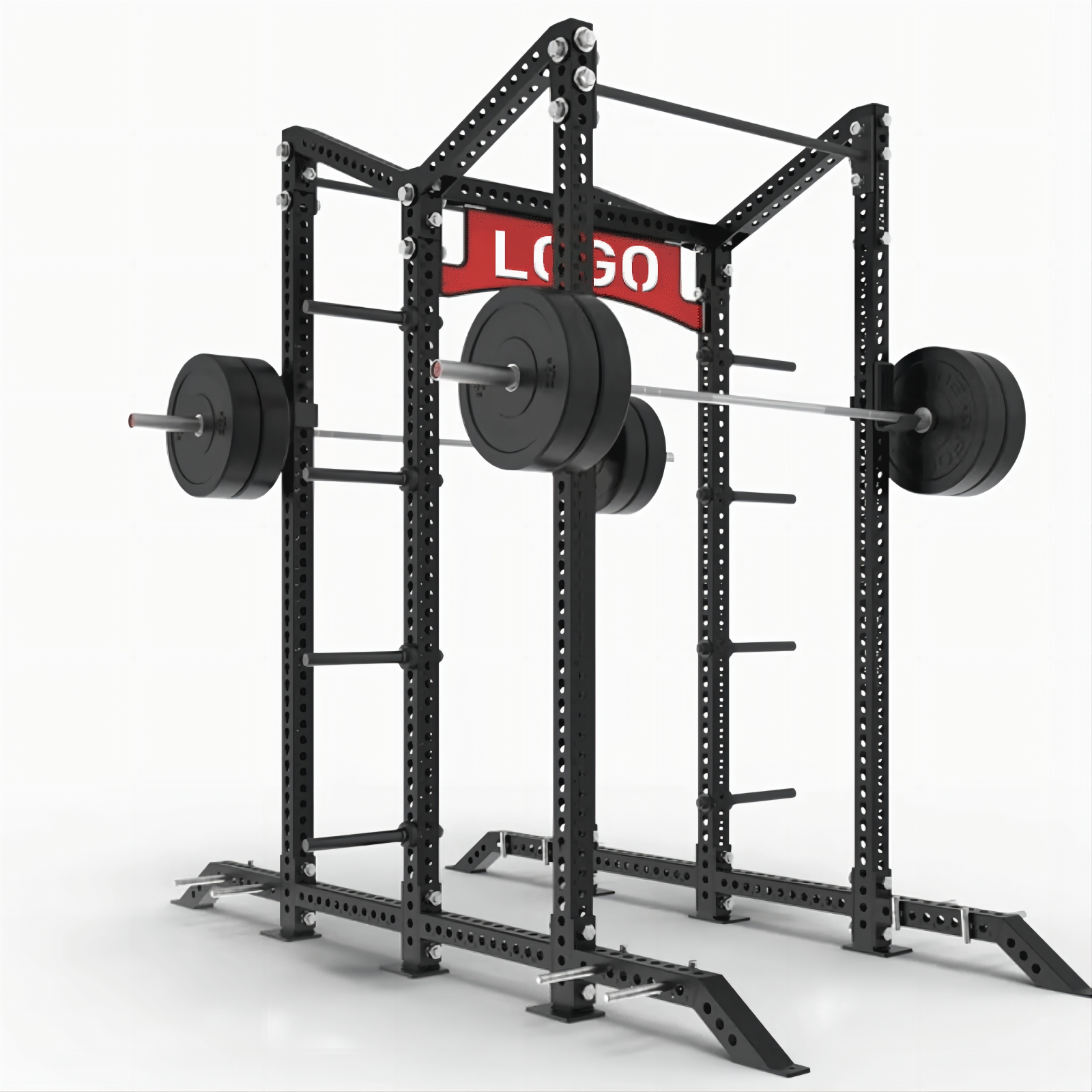
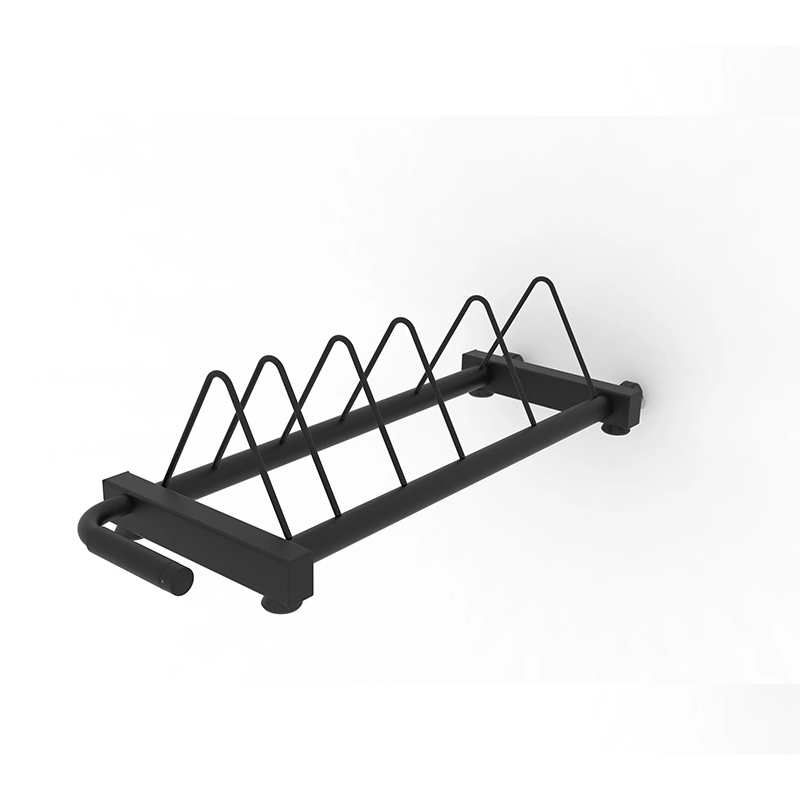
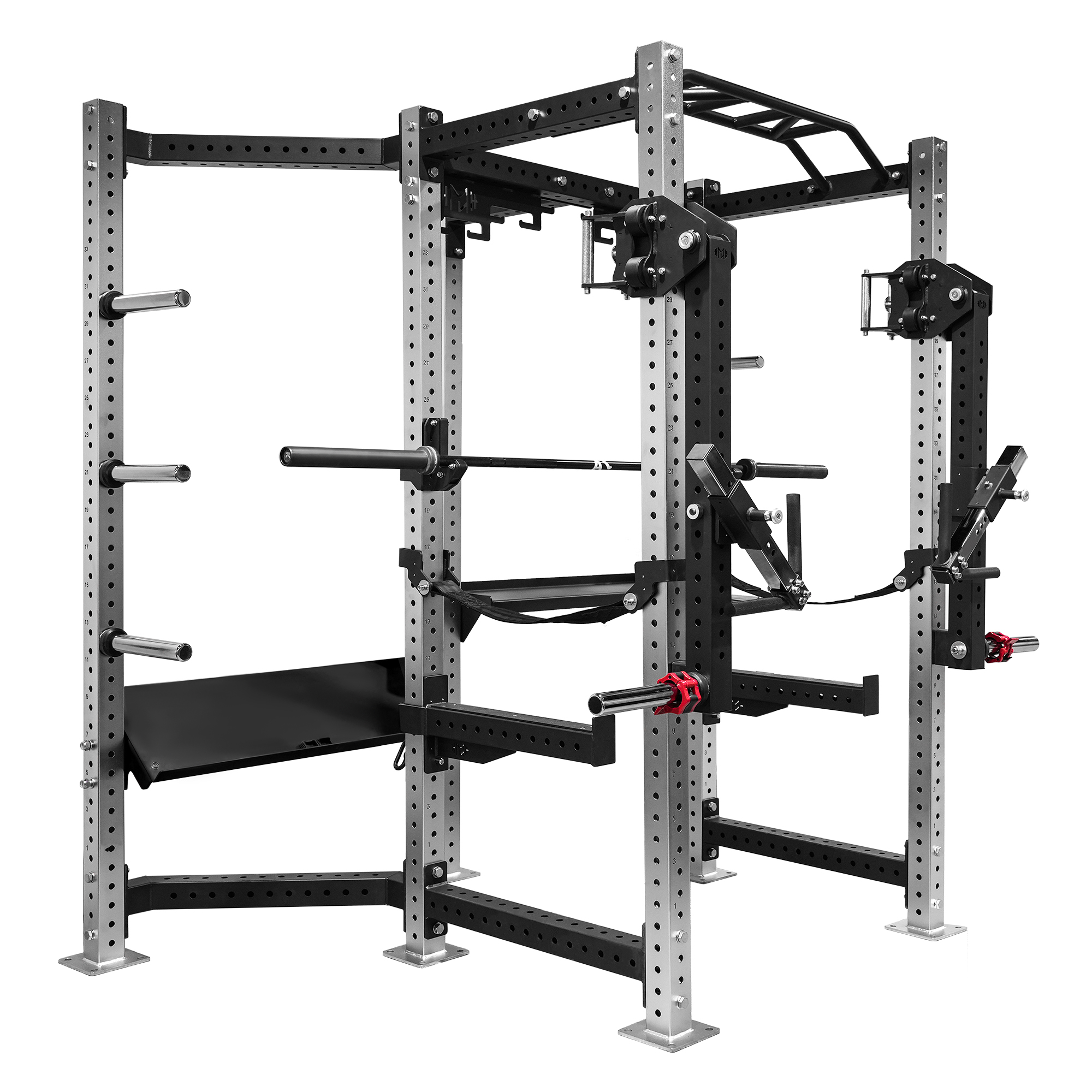
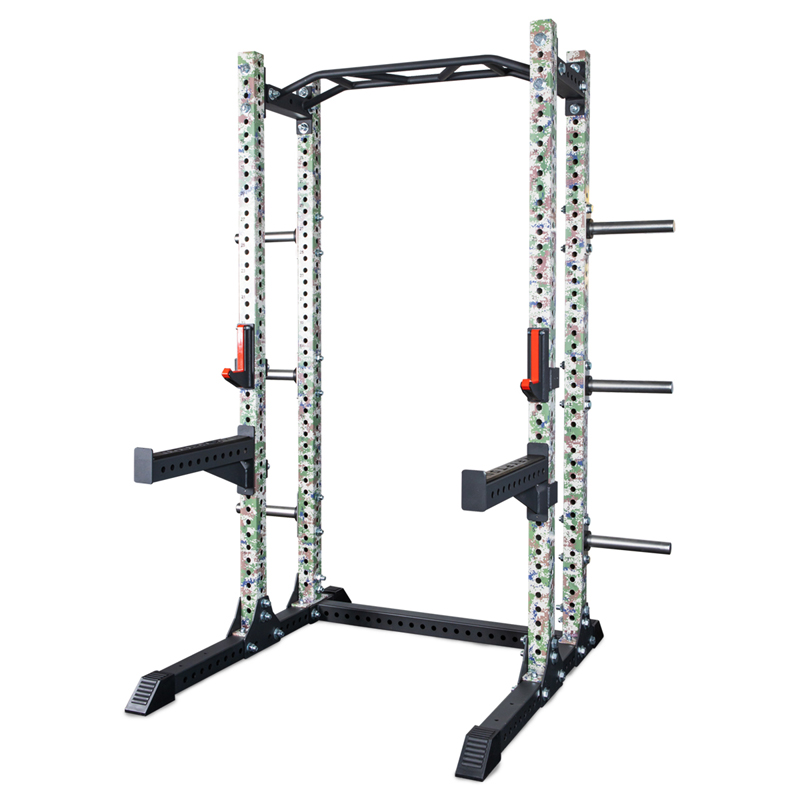
For functional training zones, wholesale procurement of rig systems and modular components offers the greatest cost advantage over retail. A 10-foot rig section with 4 uprights, 2 pull-up bars, and 6 storage pegs retails at $4,000–$6,000 but wholesales at $2,200–$3,500 when purchased as part of a 10–20 station package. The savings multiply with attachments—landmine stations, dip bars, suspension trainer anchors, and band pegs all carry 40–60 percent wholesale discounts compared to individual online purchases. Buyers should verify that the wholesale rig uses standard 3x3 inch, 11-gauge uprights with 5/8-inch or 1-inch hole spacing to ensure compatibility with third-party attachments, as proprietary hole patterns lock buyers into a single supplier for future expansions.
Lead time and logistics planning separate successful wholesale purchases from delayed openings. Manufacturer-direct wholesale typically requires 60–120 days from deposit to delivery for container shipments from Asian factories, plus 2–4 weeks for customs clearance and last-mile delivery. Distributor wholesale reduces lead time to 14–30 days but limits customization options. Emergency replacement parts usually require retail-channel purchasing regardless of wholesale relationship, as manufacturers prioritize production runs over small part orders. Smart wholesale buyers pre-purchase common wear items—cables, pulleys, handles, and console overlays—at the initial equipment order, adding 5–8 percent to upfront cost but eliminating 2–4 week delays when replacements become necessary.
The warranty structure for wholesale-purchased equipment differs fundamentally from retail warranties. Retail warranties typically cover parts and labor for 1–3 years with return-to-base service. Commercial wholesale warranties often require the buyer to manage installation, maintenance, and parts replacement, with manufacturers shipping replacement components but not covering technician labor. Facilities without in-house maintenance staff should factor third-party service contracts ($1,500–$3,000 annually for a 5,000-square-foot facility) into total cost calculations. Some wholesale distributors offer extended service plans at 8–12 percent of equipment cost, bridging the gap between self-managed and full-service support.
For international wholesale buyers, voltage and certification requirements demand attention before order placement. Equipment manufactured for North American markets uses 110–120V, 60Hz electrical systems with UL or ETL safety certifications. European and Asian facilities require 220–240V, 50Hz equipment with CE marking. Manufacturers often produce both versions but may charge 10–15 percent premiums for non-standard electrical configurations. Import duties, value-added taxes, and customs broker fees typically add 15–25 percent to landed cost for cross-border wholesale purchases, eroding some of the manufacturer-direct savings compared to sourcing from regional distributors who have already absorbed these costs into their pricing.
Evaluating wholesale suppliers requires reference verification beyond provided lists. Reputable wholesalers freely share contact information for 5–10 recent buyers, preferably those operating similar facility types and sizes. Phone interviews with these references should probe equipment reliability (specific failure rates), parts availability (average shipping time for replacements), and sales support quality (responsiveness to pre-delivery questions). Wholesale buyers should physically visit at least one reference facility to inspect 12–24 month old equipment, observing wear patterns on upholstery, cable fraying, and frame finish integrity—visual evidence that often contradicts verbal assurances from manufacturers.
The used and refurbished wholesale market offers entry points for budget-constrained facilities, typically at 30–60 percent of new wholesale pricing. Major manufacturers operate certified pre-owned programs with 6–12 month warranties, inspecting and replacing worn components before resale. Third-party refurbishers offer lower pricing (50–70 percent off new wholesale) but provide limited warranties (30–90 days) and may use non-OEM replacement parts that affect performance or safety. Wholesale buyers considering used equipment should prioritize pieces with documented service history and verified low usage hours (under 3,000 hours for cardio, under 2 years for strength equipment), avoiding equipment from failed facilities where maintenance was deferred during the final operating months.
Let our experts design the perfect gym solution for your business. Get a free consultation and quote today.