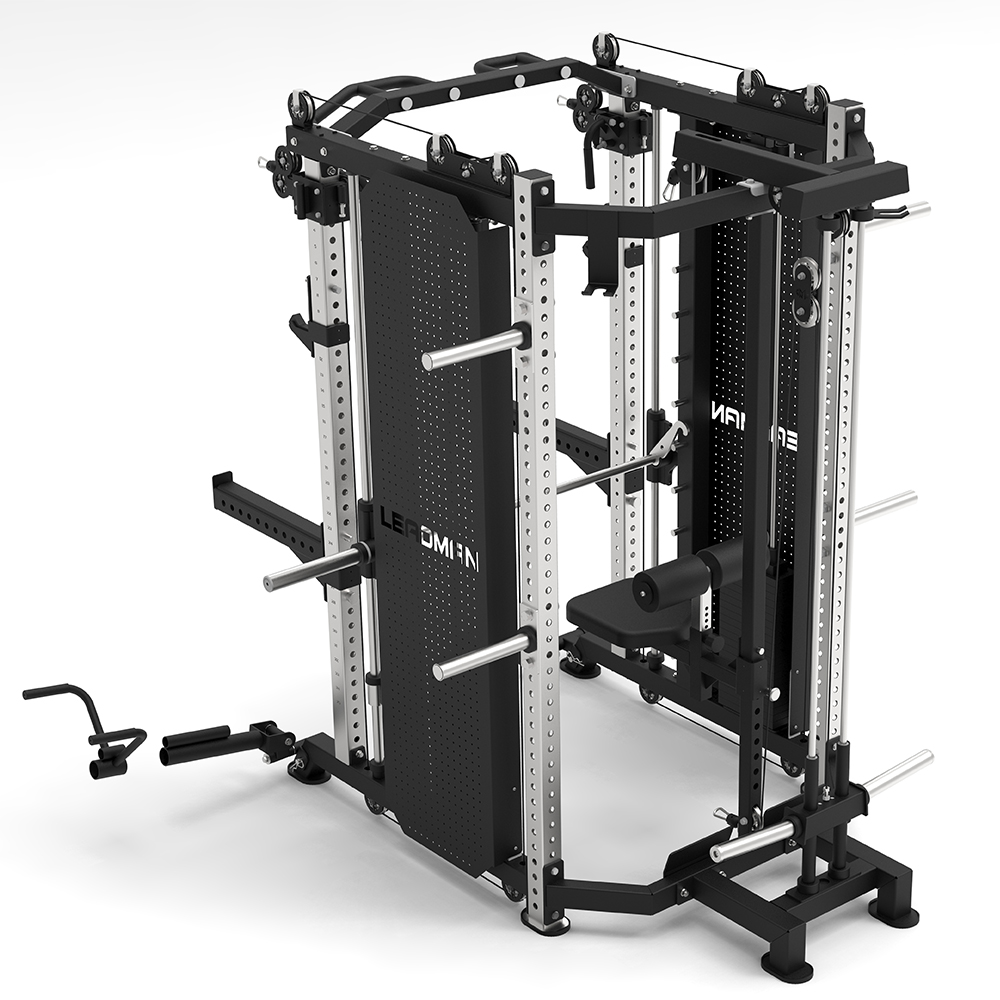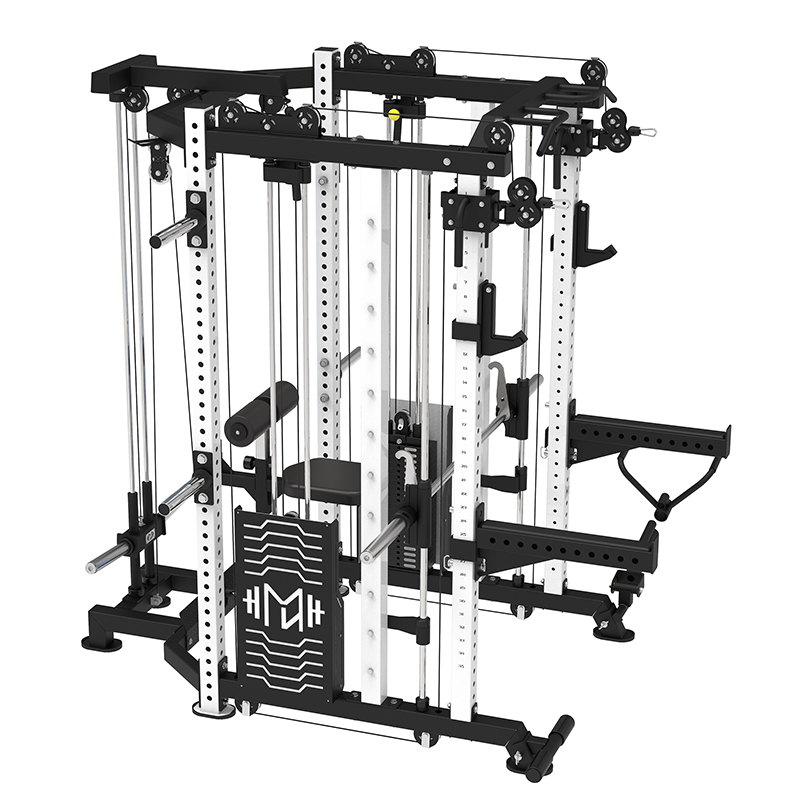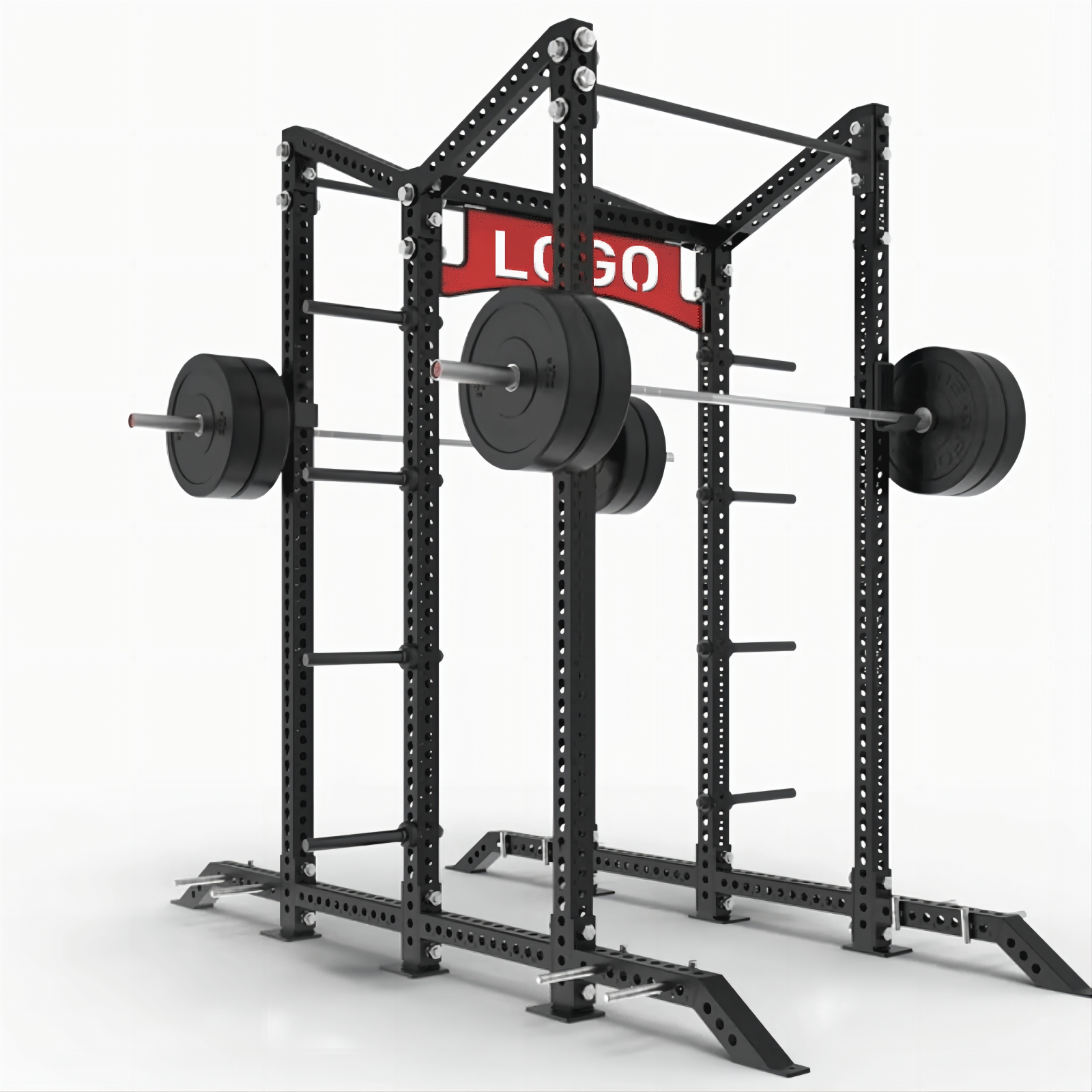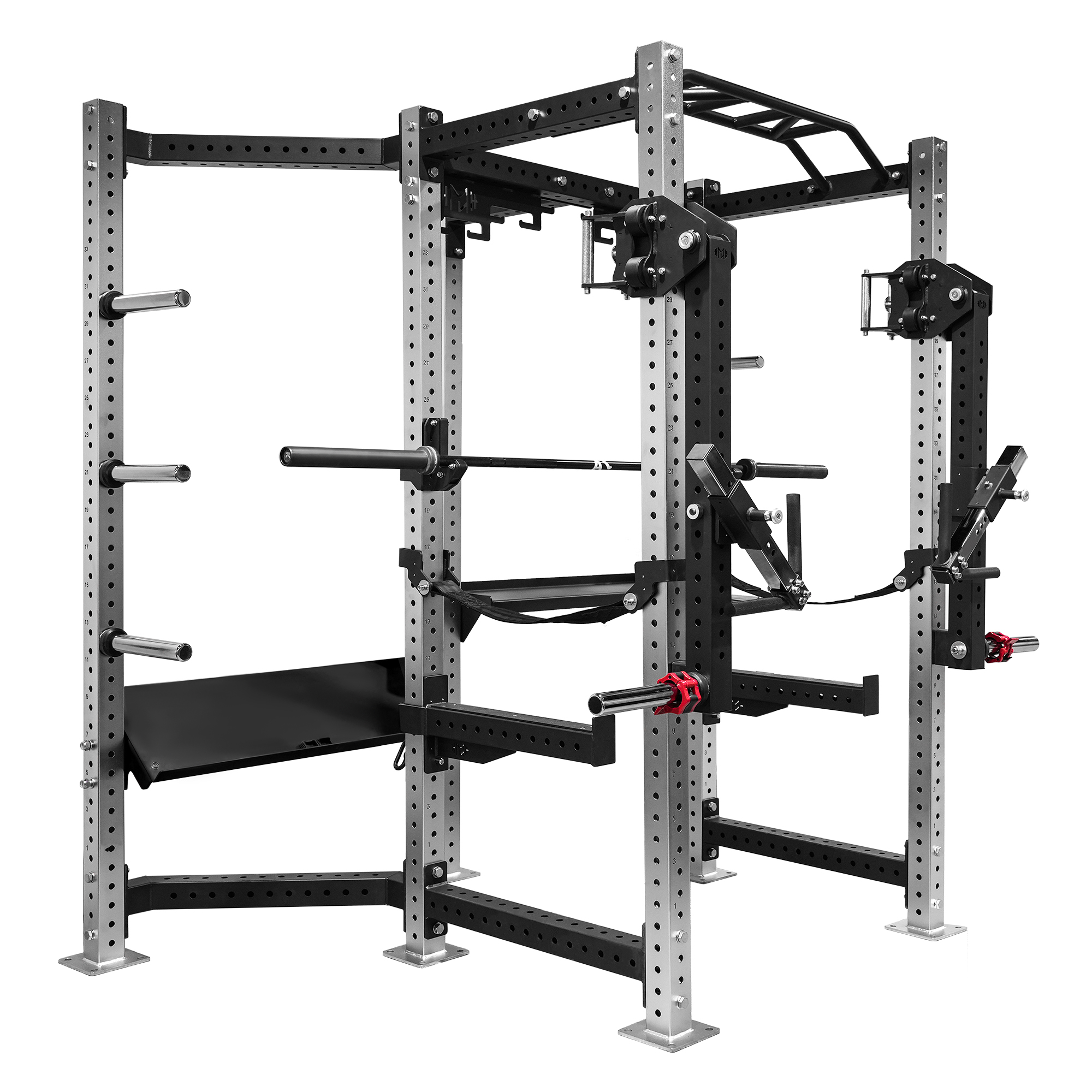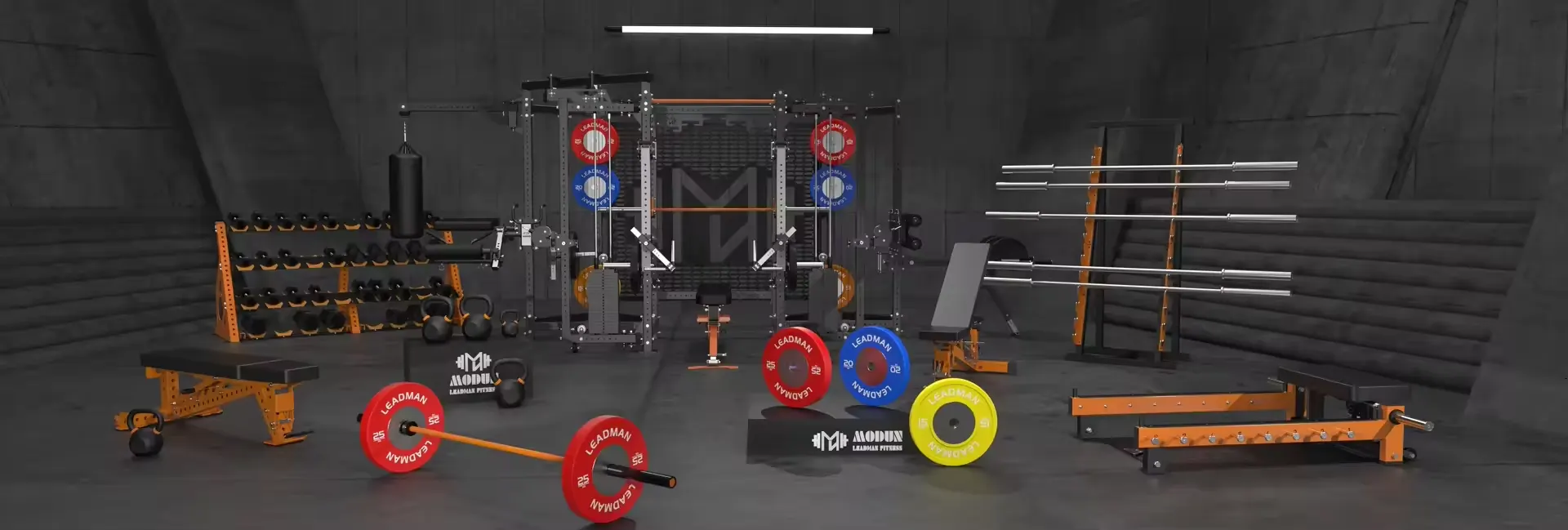
Investing in heavy duty commercial gym equipment is a foundational decision that dictates the operational ceiling, safety profile, and capital replacement cycle of any fitness facility. This category extends beyond standard equipment to include machines and rigs engineered with thicker steel gauges, reinforced weldments, oversized bearings, and commercial-grade finishes, all designed to withstand 12-16 hours of daily use across diverse member demographics. Unlike light commercial or residential alternatives, heavy duty units anticipate abuse—dropped barbells, high-frequency adjustments, and continuous user traffic—by incorporating safety factors that ensure structural integrity over a 10- to 15-year lifecycle, significantly reducing long-term total cost of ownership and facility downtime.
Structural analysis of heavy duty equipment reveals the engineering principles that guarantee longevity. Mainframes utilise 11-gauge (3mm) or thicker steel tubing, with robotic MIG welding producing full-penetration joints that eliminate stress risers. Linear bearings and guide rods are oversized—typically 25mm or 30mm diameter—to maintain alignment under side loading, while pivot points employ sealed, lubricated bushings or needle bearings that reduce friction and prevent premature wear. For selectorised machines, weight stacks incorporate precision-machined plates with chrome-plated guide bars, allowing smooth, quiet operation even after thousands of movement cycles. These specifications reflect the manufacturer's commitment to performance under adversity, not merely compliance with minimum safety requirements.
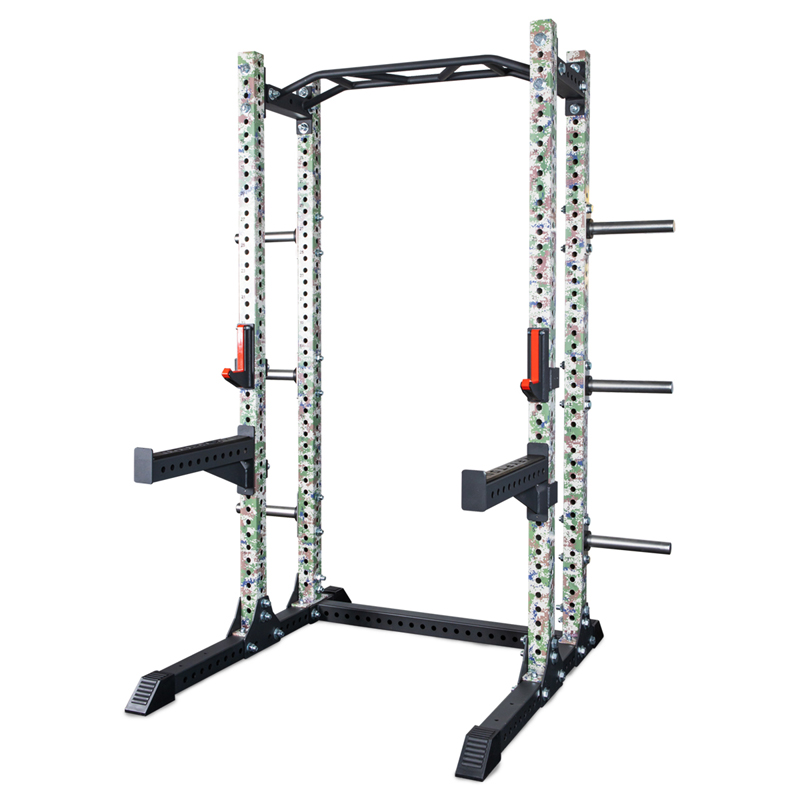
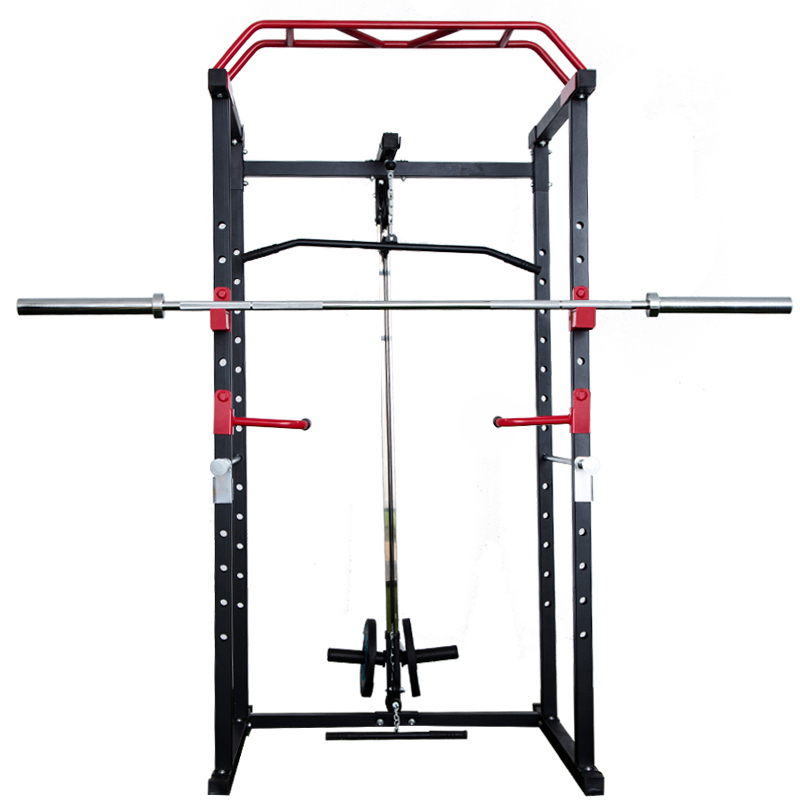
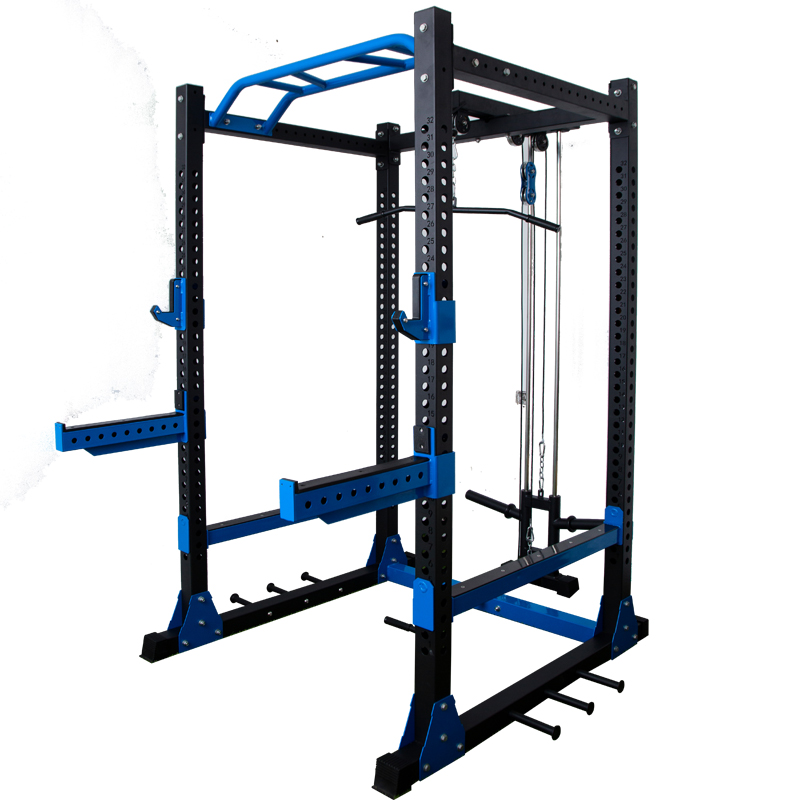
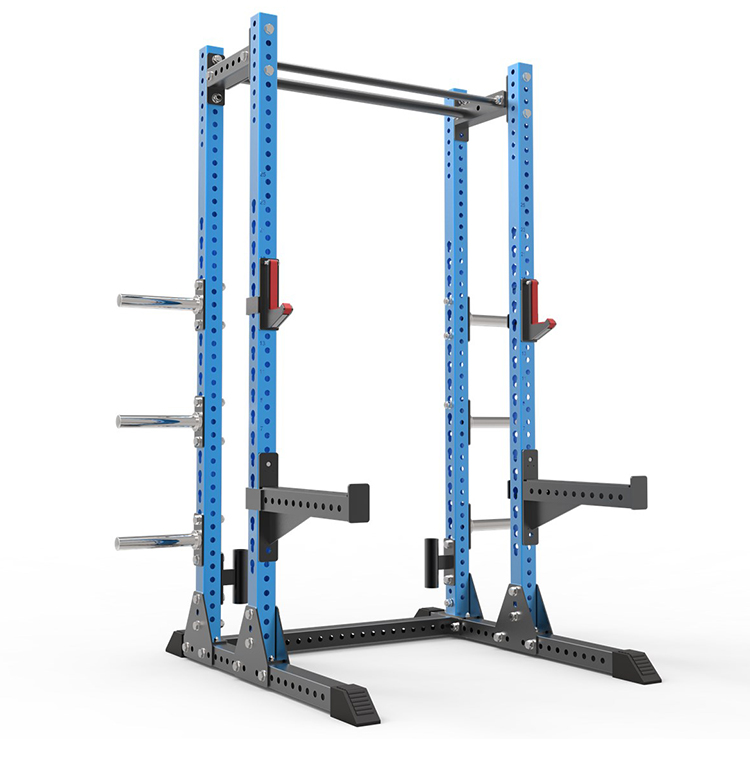
Functional training zones within commercial facilities demand heavy duty commercial gym equipment with specific operational characteristics. Racks and rigs require 3x3-inch or 4x3-inch steel uprights with 5/8-inch or 1-inch hole spacing, enabling versatile J-hook and safety-arm positioning. Cable crossovers feature multiple attachment points and dual-function pulleys supporting independent or synchronised movements. Heavy duty benches incorporate 4-inch thick, high-density foam with automotive-grade vinyl, supporting loads exceeding 400kg while maintaining user comfort. Manufacturers serving elite athletic populations often provide biomechanical validation, confirming that equipment motion arcs align with joint kinematics for reduced injury risk and enhanced training efficacy.
From a procurement perspective, evaluating heavy duty commercial gym equipment demands scrutiny of warranty provisions, replaceable-component availability, and manufacturer service networks. Quality suppliers typically provide structural warranties of 10+ years on frames, 5+ years on moving parts, and 2+ years on upholstery and finish. The availability of parts—including custom cables, pulleys, and bearings—through accessible digital libraries significantly influences maintenance efficiency and reduces operational disruptions. Additionally, installation and maintenance support, with on-site or remote diagnostic assistance, proves critical for minimising equipment downtime. A comprehensive procurement strategy effectively balances the higher initial investment of robust construction against the extended lifespan and reduced reactive maintenance costs, positioning heavy duty equipment as the durable backbone of any serious commercial fitness operation.

Let our experts design the perfect gym solution for your business. Get a free consultation and quote today.