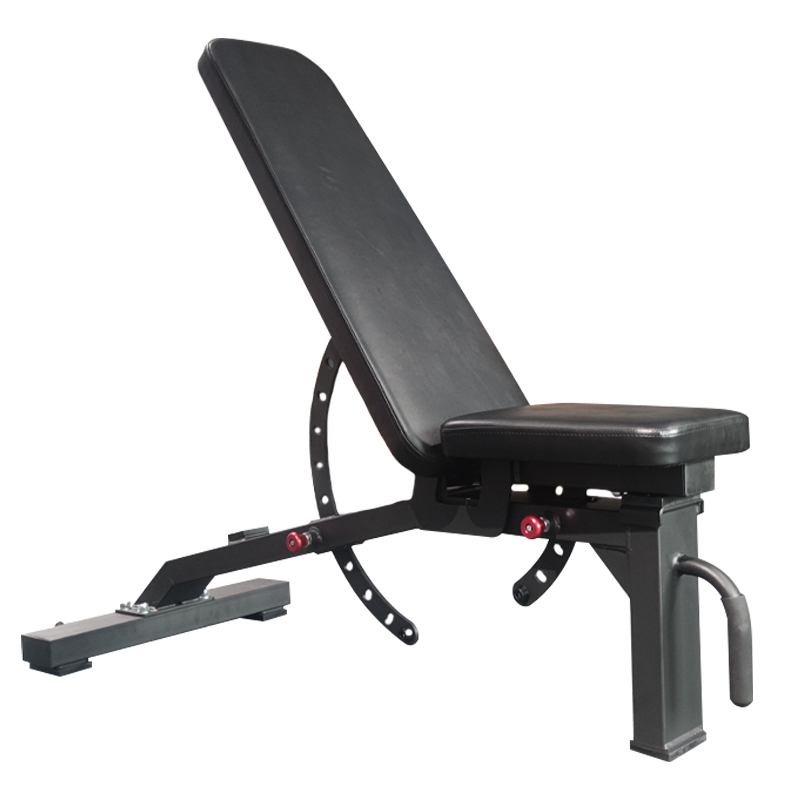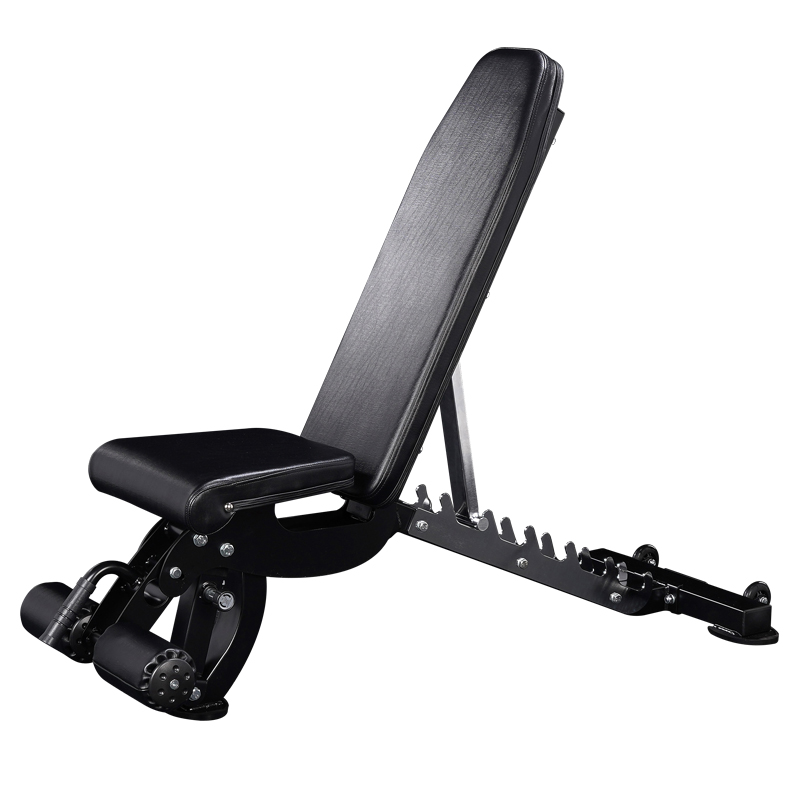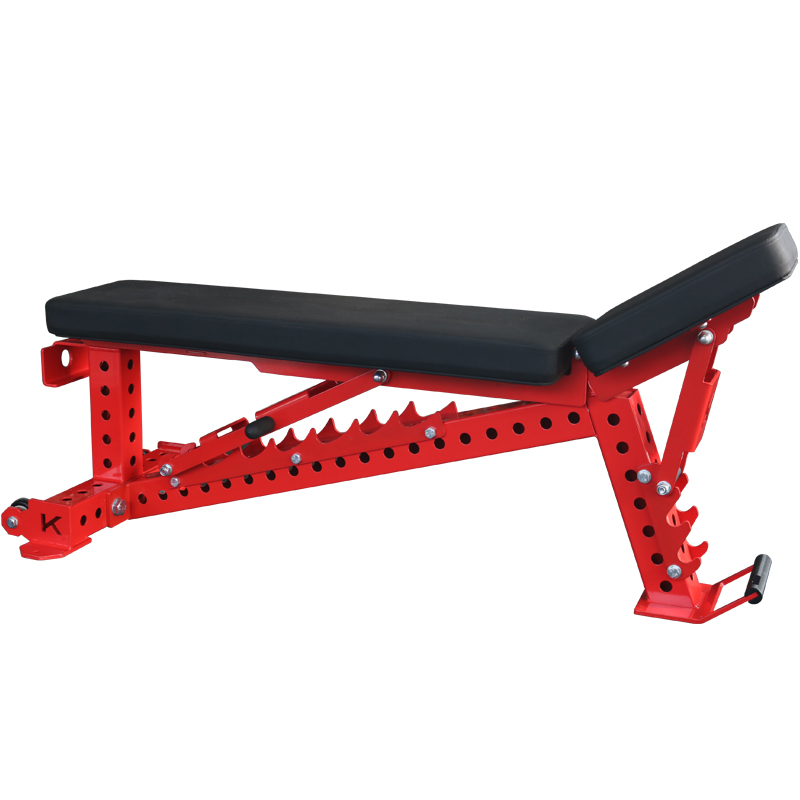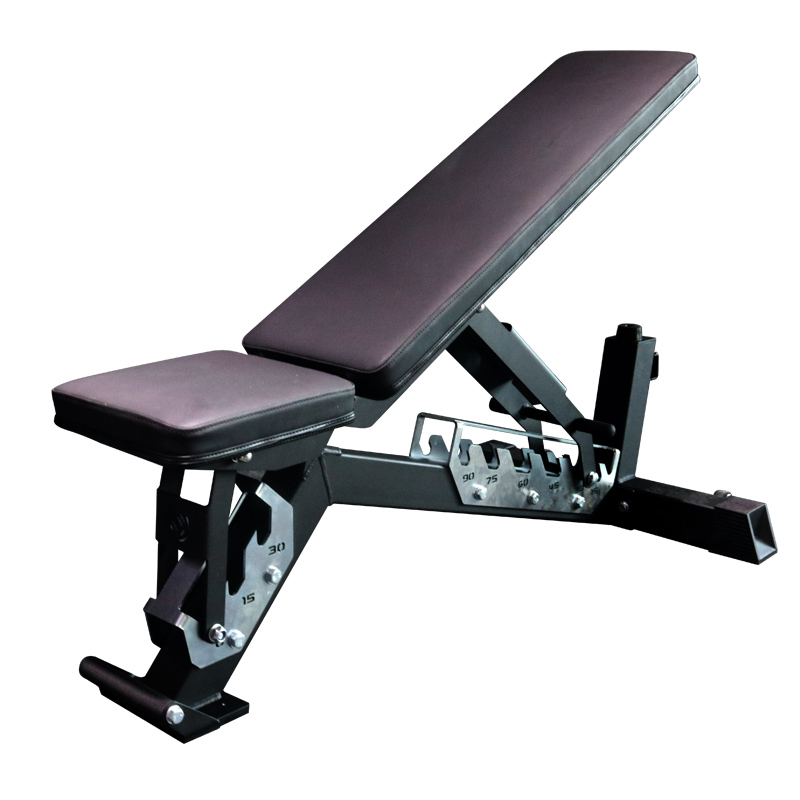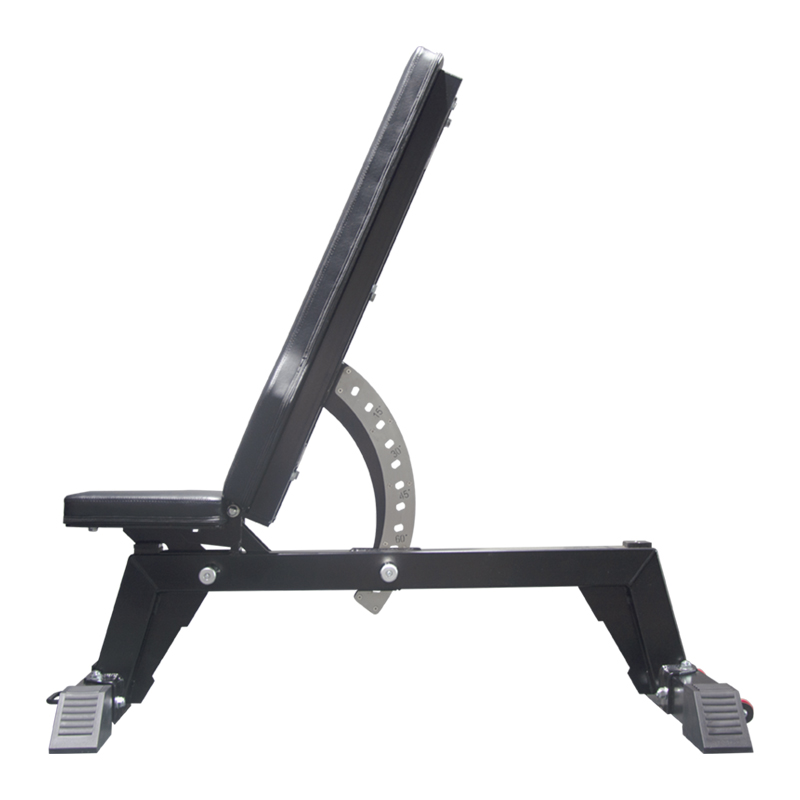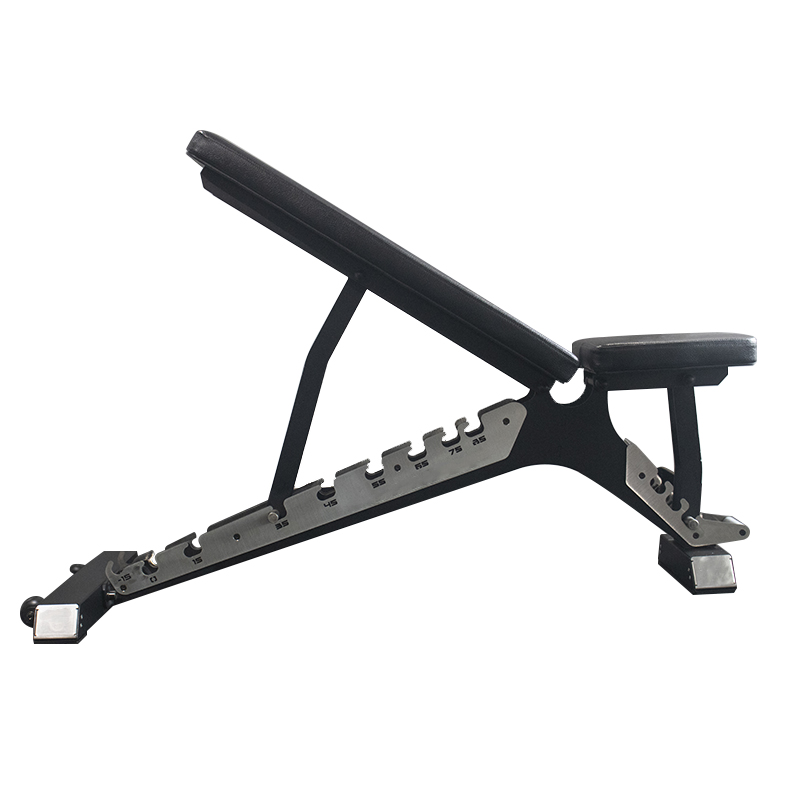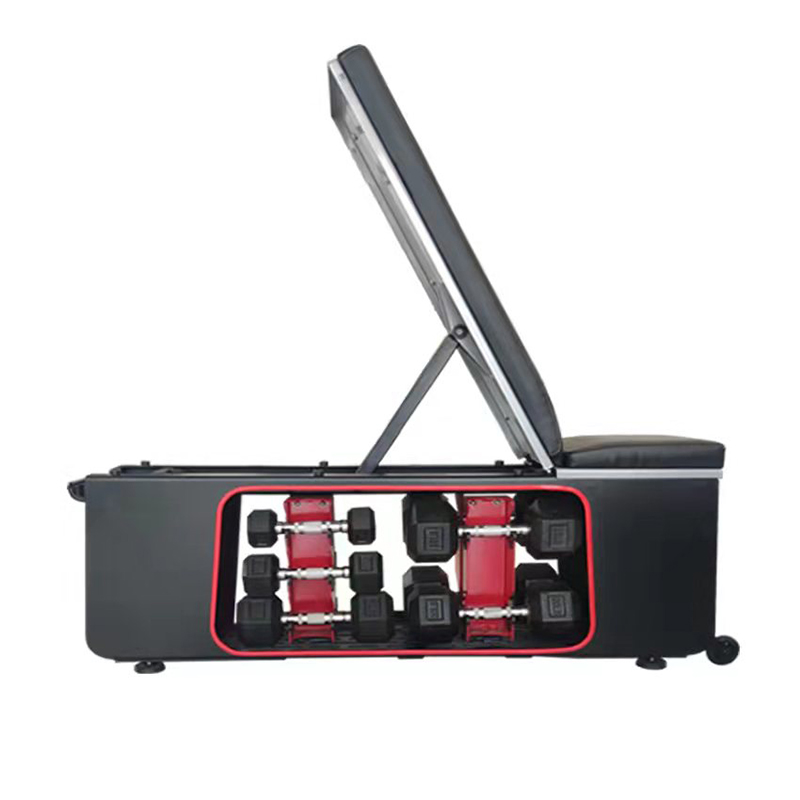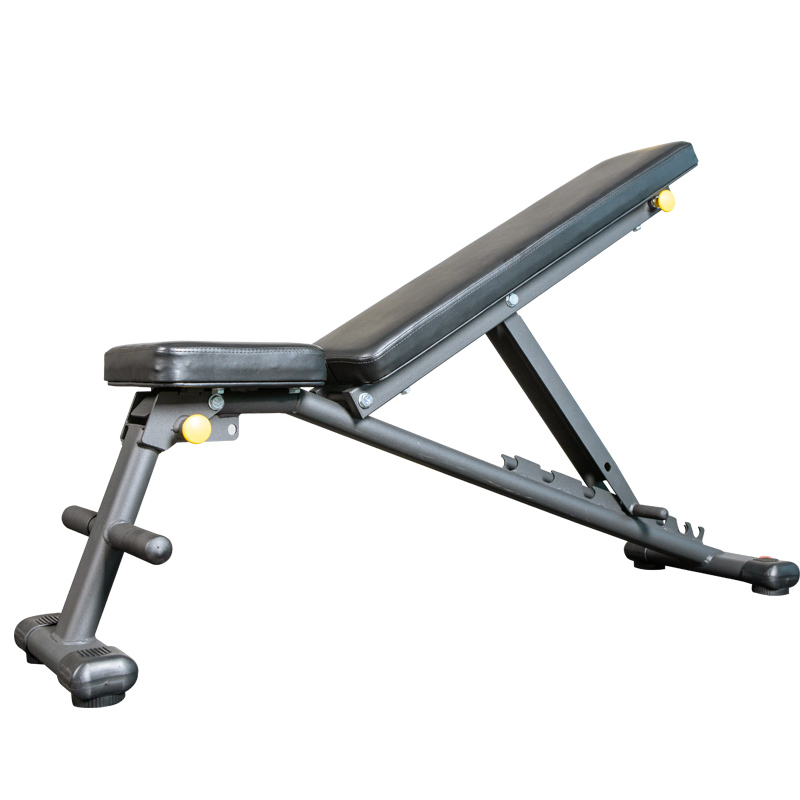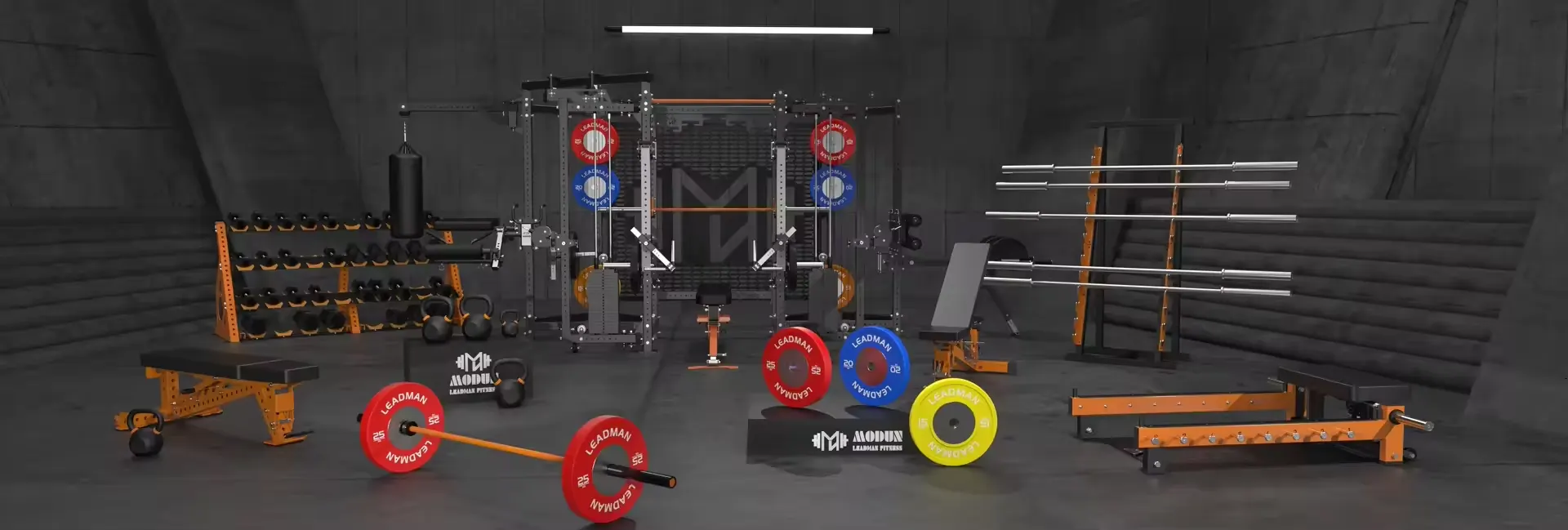
The adjustable bench represents an indispensable asset in commercial fitness facilities, serving as the primary platform for countless upper-body, core, and accessory movements while accommodating a diverse member population with varying anthropometric characteristics. Unlike their home-use counterparts, adjustable bench commercial models are engineered to withstand 12–16 hours of daily use, supporting loads exceeding 400kg while maintaining stability and comfort across multiple adjustment positions. This operational demand dictates significantly higher material specifications, welding integrity, and upholstery durability than consumer-grade benches, making selection a critical procurement decision for facility operators seeking to maximise equipment lifespan and member safety.
Frame construction forms the structural backbone of any commercial adjustable bench. Premium models utilise 11-gauge (3mm) or thicker steel tubing with robotic MIG welding, ensuring full-penetration joints at stress points where vertical post meets backrest frame and seat supports. The main frame should incorporate wide, non-slip rubber feet (50mm+ diameter) that distribute load evenly across flooring surfaces, preventing wobble during heavy dumbbell presses or dynamic incline movements. Pivot points require sealed, lubricated bushings or needle bearings with minimal play, maintaining precise alignment across the full 0–90° backrest adjustment range and 0–20° seat inclination. These structural specifications directly translate to safety margins, particularly when users load dumbbells exceeding 50kg per hand.
Adjustment mechanisms in commercial adjustable benches demand robust design to withstand frequent setting changes without slipping or binding. Ratchet-style or pop-pin adjustment systems with heavy-duty springs and positive locking engagement (minimum 5mm engagement depth) provide secure positioning across 7–12 preset backrest angles. Premium models incorporate gas-assisted mechanisms that facilitate smooth, controlled transitions between positions, reducing potential pinch-point injuries and user frustration. Backrest and seat pads utilise high-density foam (minimum 70kg/m³ density) with automotive-grade vinyl covers, featuring double-stitched seams and foam edge-locking that prevents separation during heavy pressing movements. Quality upholstery extends vinyl lifespan to 5–7 years in commercial settings, maintaining consistent user comfort and professional aesthetics.
Procurement professionals evaluating commercial gym benches should prioritise warranty coverage and component replaceability as key selection criteria. Structural warranties exceeding 10 years on frames, 5 years on adjustment mechanisms, and 2–3 years on upholstery indicate manufacturer confidence in product longevity. Availability of replacement parts—including pivot bushings, locking pins, vinyl covers, and foam pads—through accessible digital catalogues reduces equipment downtime, with facilities maintaining common spare components to expedite repairs. The initial investment in commercial-grade adjustable benches, which ranges $400–1,200 per unit, yields 8–12 years of reliable service, compared to 2–3 years for light commercial alternatives, providing compelling total-cost-of-ownership advantages for facilities prioritising operational consistency and member satisfaction.

Let our experts design the perfect gym solution for your business. Get a free consultation and quote today.