

Optimizing Performance with Olympic Rubber Grip Weight Plates
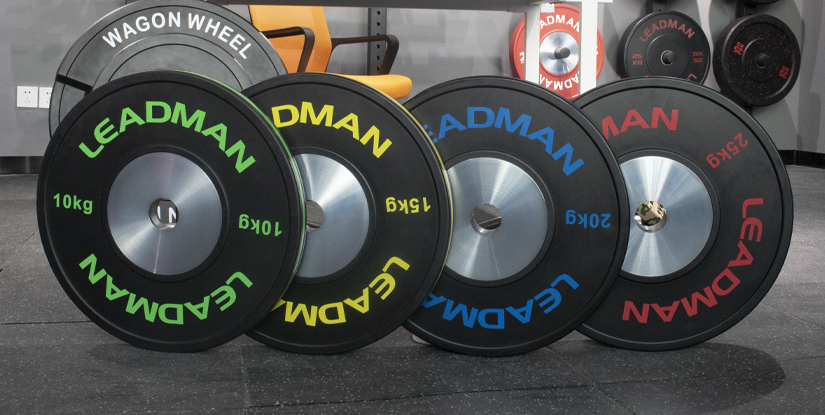
Material Integrity and the Failure of Low-Grade Rubber
Selecting high-performance lifting equipment often begins with a fundamental misunderstanding of material density. Many facility operators report premature cracking or surface degradation in their weight sets, which typically stems from a failure to account for the specific chemical composition of the outer layer. When Olympic Rubber Grip Weight Plates are manufactured with high levels of recycled filler or low-quality petroleum-based binders, the structural integrity of the grip surface becomes compromised under thermal stress.
The primary failure mode in budget-grade plates is thermal expansion mismatch. A core of cast iron expands at a different rate than a low-grade rubber skin, leading to delamination. This is not merely an aesthetic issue; it is a safety risk. As the bond between the core and the surface weakens, the plate can become unbalanced or develop sharp edges. To avoid this, operators must prioritize plates that utilize a high-density vulcanized rubber process, which ensures a consistent bond across temperature fluctuations. By understanding these material constraints, procurement teams can better prepare for the specific storage and handling requirements discussed in the following section.
Technical Specifications for Grip Durability and Texture
Once the material density is verified, the next logical step is evaluating the surface finish requirements. A standard weight plate may serve general purposes, but specialized lifting requires a specific coefficient of friction. The texture of the rubber determines how the plate interacts with both the barbell sleeve and the floor surface during high-impact drops.
Coefficient of Friction and Surface Profiling
A common mistake in procurement is selecting a plate with a texture that is too smooth. While a smooth finish looks aesthetically pleasing, it lacks the necessary grip for heavy loading scenarios. Professional-grade plates often feature a micro-textured or pebbled surface to maintain grip even when moisture or chalk is present.
| Surface Type | Typical Application | Pros | Cons |
|---|---|---|---|
| Smooth/Satin | General Conditioning | Easier to clean; standard look | Lower grip; prone to sliding |
| Pebbled/Textured | Heavy Strength Training | High coefficient of friction | Captures more dust/chalk |
| Micro-Dimpled | Competition/High-Impact | Consistent grip; minimizes bounce | Requires specific cleaning protocols |
When evaluating these options, a facility manager should request samples to test the tactile response. A well-engineered surface should feel consistent across the entire circumference of the plate. This technical baseline for surface texture leads directly into the critical necessity of dimensional accuracy during loading.
Explore the complete technical specifications:
Olympic Rubber Plate Set | Durable Bumper Plates for Weightlifting & CrossFit
Dimensional Tolerance and Loading Precision
A high-quality surface is irrelevant if the plate does not fit the barbell sleeve correctly. Achieving perfect concentricity is one of the most significant challenges in the production of Olympic Rubber Grip Weight Plates. If a plate is not perfectly centered, it introduces an uneven weight distribution that can damage high-end barbells and alter the user's center of gravity.
Operators often encounter the "wobble effect" when using plates with high dimensional variance. This occurs when the center hole is slightly eccentric or the diameter fluctuates during the molding process. To verify quality, use a high-precision caliper to measure the diameter at four different points. A professional-grade plate should exhibit a variance of less than 1% across all measurements. Failure to verify these tolerances during the initial inspection can lead to long-term wear on barbell sleeves and uneven bar oscillation during heavy lifts. Ensuring the diameter is consistent allows for the seamless transition to advanced maintenance procedures.
Verification Checklist for Plate Dimensions
- Diameter Uniformity: Check at least four points around the circumference.
- Hole Centricity: Ensure the barbell sleeve sits dead-center without tilting.
- Thickness Consistency: Verify that plates of the same denomination share the same profile.
Establishing these rigorous checking standards ensures that the weight's physical profile does not interfere with the barbell's mechanical function, setting the stage for proper storage and environmental control.
Explore the complete technical specifications:
Rubber Plates Set: Bumper vs Coated Iron, Tolerance & Inclusions
Environmental Impact on Rubber Longevity
Even the most precisely manufactured plates are subject to the laws of environmental degradation. A common oversight in facility management is failing to account for the impact of ambient temperature and UV exposure on the rubber skin. The stability of the grip is directly tied to how the facility manages its climate.
High humidity levels can lead to the buildup of mold or bacterial colonies within the micro-textures of the rubber, while extreme heat can cause the rubber to soften and become tacky. This tackiness is a frequent complaint in facilities without climate control, as it makes the plates difficult to handle and can even transfer residue to the bar. To mitigate this, implement a standard environmental monitoring protocol. High-quality plates are more resilient, but they still require a controlled environment to maintain their original tactile properties. Proper environmental management is the first step toward a more complex maintenance cycle involving cleaning and decontamination.
Explore the complete technical specifications:
Weight Plates Manufacturers: Global Sourcing, Quality & Cost Guide
Standardized Cleaning and Decontamination Protocols
Because the textured surfaces of heavy-duty plates can harbor sweat, skin cells, and chalk, a systematic cleaning approach is necessary to prevent material degradation. Neglecting this step leads to a "filmy" feeling on the grip, which is often a precursor to rubber oxidation and permanent texture loss.
The most frequent error in cleaning is using harsh chemical solvents or petroleum-based cleaners. These substances react with the vulcanized rubber, causing it to swell or crack over time. Instead, a pH-neutral solution is the industry standard. The following table outlines the recommended approach for maintaining different plate components.
| Component | Recommended Cleaning Agent | Frequency | Actionable Step |
|---|---|---|---|
| Rubber Grip Surface | Water + pH-neutral soap | Weekly/Monthly | Use a soft-bristle brush for texture |
| Metal Inner Core | Microfiber cloth (dry) | As needed | Avoid moisture in the center hole |
| Entire Plate | Damp cloth | After heavy use | Wipe dry immediately after cleaning |