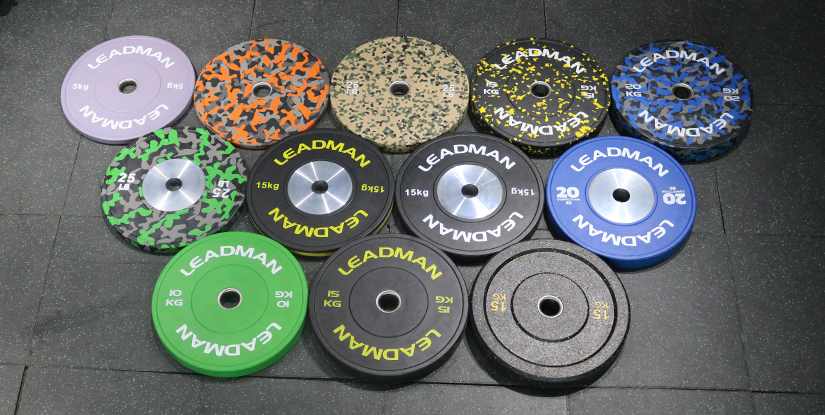
In high-performance strength training environments, the degradation of equipment is often subtle before it becomes a liability. One of the most common pain points for facility managers is the premature wear of Olympic Rubber Grip Plates, specifically regarding the integrity of the central grip ring and the consistency of the rubber density. When these components fail, the result is not just a loss of aesthetic value, but a direct impact on user safety and bar stability. This guide examines the technical nuances of material selection, operational maintenance, and the verification protocols required to ensure long-term reliability.
Material Composition and Density Discrepancies
Understanding the fundamental physics behind weight plate durability is the first step in avoiding frequent replacement cycles. The most common failure mode in low-quality plates is the use of recycled rubber with inconsistent density, which leads to 'dead spots' or uneven bounce during heavy drops. High-quality Olympic Rubber Grip Plates are typically constructed from high-density virgin rubber or high-grade vulcanized compounds designed to maintain structural integrity under extreme thermal and mechanical stress.
Density and Impact Resistance
When selecting equipment, operators must differentiate between standard bumper plates and specialized grip plates. The density of the rubber affects how the plate absorbs kinetic energy. Low-density rubber tends to exhibit excessive rebound, which can destabilize a barbell during high-velocity movements like cleans or snatches. High-density plates, conversely, provide a more controlled drop, preserving both the floor surface and the barbell's knurling.
The following table outlines the typical characteristics of various rubber types used in professional strength equipment:
| Material Type |
Elasticity (Rebound) |
Durability Rating |
Typical Use Case |
Virgin Rubber |
Low/Controlled |
High |
Professional Competition/High-Volume Gyms |
Vulcanized Rubber |
Medium |
Very High |
CrossFit and Heavy Olympic Lifting |
Recycled Rubber |
High |
Moderate |
Commercial Fitness Centers |
Recognizing these material differences allows for more informed procurement. Once the material integrity is understood, the focus shifts to the mechanical interface: the central hole and grip structure.
The Central Grip Interface and Load Tolerances
The central grip is the most vulnerable part of the plate. A frequent mistake made by buyers is overlooking the thickness and precision of the center sleeve. If the grip area is too thin or lacks a reinforced steel insert, the constant friction from the barbell sleeve will eventually lead to 'ovaling'—a process where the circular hole becomes an oval shape, causing the plate to wobble during use.
Structural Integrity of the Grip Ring
A precision-engineered grip ensures that the plate remains concentric to the bar. To verify the quality of a batch, operators should perform a manual check of the central hole. If the edges feel soft or appear to be fraying under slight pressure, the plate lacks the necessary internal reinforcement. A high-quality plate should feature a steel ring embedded within the rubber to maintain shape under heavy loads.
- Verification Step 1: Inspect the central ring for any signs of compression or deformation.
Verification Step 2: Check for concentricity by spinning the plate on a standard 2-inch barbell sleeve.Verification Step 3: Test the fit; the plate should slide smoothly without excessive lateral play.Ensuring the grip interface is stable is crucial for preventing mechanical imbalance. However, even the best-constructed plates require a rigorous maintenance schedule to prevent environmental degradation.
Environmental Factors and Surface Finish Maintenance
Environmental control is often the overlooked cause of premature rubber oxidation and cracking. In facilities with inconsistent climate control, extreme temperature fluctuations can cause the rubber to expand and contract, leading to micro-fissures. This is particularly prevalent in outdoor training areas or garages where UV exposure is high.
Mitigating UV and Thermal Damage
UV rays act as a catalyst for chemical breakdown in lower-grade rubber. To prevent the surface from becoming brittle, operators should implement a cleaning and protection protocol. A common error is using harsh petroleum-based solvents to clean the plates, which can actually strip the essential oils from the rubber and accelerate the drying process.
The following checklist provides a standard for routine surface maintenance:
- Daily: Wipe down surfaces with a damp, non-abrasive cloth to remove sweat and chalk buildup.
Weekly: Inspect for surface discoloration or 'chalking' (a white powder residue indicating oxidation).Monthly: Check the perimeter for nicks or chunks that could indicate impact damage.By managing the environment and surface integrity, you extend the lifespan of the equipment. This leads directly into the most critical aspect of long-term operation: the inspection cadence.
Standard Inspection Protocols for Facility Operators
A proactive inspection routine is the difference between a safe facility and a high-liability environment. For professional operators, waiting for a visual failure is too late; the goal is to identify the precursors of failure. When dealing with Olympic Rubber Grip Plates, inspections should focus on three specific zones: the perimeter, the center sleeve, and the surface texture.
Failure Mode Identification
Operators should be trained to recognize the three primary failure modes: radial cracking, center-hole deformation, and surface delamination. Radial cracking usually begins at the center and moves outward, often caused by extreme thermal cycling. Center-hole deformation is strictly a mechanical failure caused by repetitive high-impact drops on uneven surfaces. Surface delamination occurs when the outer layer of rubber begins to peel away from the inner core.
| Failure Mode |
Primary Cause |
Prevention Method |
Radial Cracking |
Temperature Fluctuations/UV |
Climate Control & Indoor Storage |
Center-Hole Ovaling |
Low-Quality Reinforcement |
Purchase High-Density Steel-Core Plates |
Surface Delamination |
Chemical Exposure |
Use Water-Only or pH-Neutral Cleaners |
Identifying these issues early allows for planned replacement rather than emergency shutdowns. Once these routines are established, the next phase is understanding the procurement logic for future upgrades.
Procurement Strategies and Selection Criteria
When it comes time to restock, the pressure to reduce upfront costs often leads to poor long-term decisions. The 'cost-per-use' metric is a far more valuable indicator of value than the 'price-per-unit' metric. A cheaper plate that requires replacement every 18 months is significantly more expensive than a premium plate that lasts five years.
Defining Technical Specifications for Orders
To avoid the pitfalls of low-quality manufacturing, procurement teams should request specific technical data sheets from suppliers. A professional-grade supplier should be able to provide details on the rubber's shore hardness and the exact composition of the central ring. If a supplier cannot provide these technical parameters, the product is likely a generic, low-spec item.
When reviewing a potential order, verify the following benchmarks:
- Shore Hardness: Ensure the density is consistent across the entire weight range.
Diameter Tolerance: The plate diameter should not deviate significantly from the standard across the set.Impact Testing: Ask if the plates have been tested for bounce consistency in controlled environments.This level of scrutiny ensures that your facility maintains a high standard of excellence. Even with the best selection, the ultimate durability of Olympic Rubber Grip Plates depends on the rigor of your daily operational habits.
Optimizing Storage and Inventory Organization
Proper storage is the final line of defense in maintaining the structural integrity of Olympic Rubber Grip Plates. Many facility managers neglect the way plates are stacked, which can lead to avoidable deformation over time. If plates are stored in vertical, unsupported stacks, the weight of the upper plates can exert crushing pressure on the central rings of the lower plates, accelerating the 'ovaling' effect mentioned earlier.
Stacking and Vertical Load Management
To ensure longevity, avoid stacking more than five high-density plates in a single vertical column without a supporting rack system. Furthermore, the environment where the plates reside is just as important as the storage method itself. Humidity and air quality play a subtle role in the long-term chemical stability of the rubber compound.
- Ideal Storage Height: Keep weight plate storage racks at least 6 inches off the floor to avoid moisture wicking from concrete.
Ventilation Protocol: Ensure storage areas have active air circulation to prevent the buildup of ozone or stagnant, humid air.Visual Inventory: Use a color-coded or labeled system to ensure heavy-use plates are easily identified for more frequent inspection.By implementing these storage protocols, you minimize the physical stresses placed on the material during downtime. This leads directly to a more sustainable procurement cycle and a healthier bottom line.
Long-Term ROI and Equipment Lifecycle Management
The lifecycle of weight-lifting equipment is a predictable curve that can be extended through disciplined management. Maximizing the Return on Investment (ROI) for your strength equipment requires viewing the plates not as static objects, but as dynamic components of the facility's infrastructure. A well-maintained set of plates maintains its resale value and provides a consistent user experience, which is vital for client retention in commercial settings.
Ultimately, the longevity of your equipment is a direct reflection of your operational standards. By prioritizing high-quality materials, rigorous inspection, and correct maintenance, you protect your capital investment and ensure the safety of every athlete in your facility.