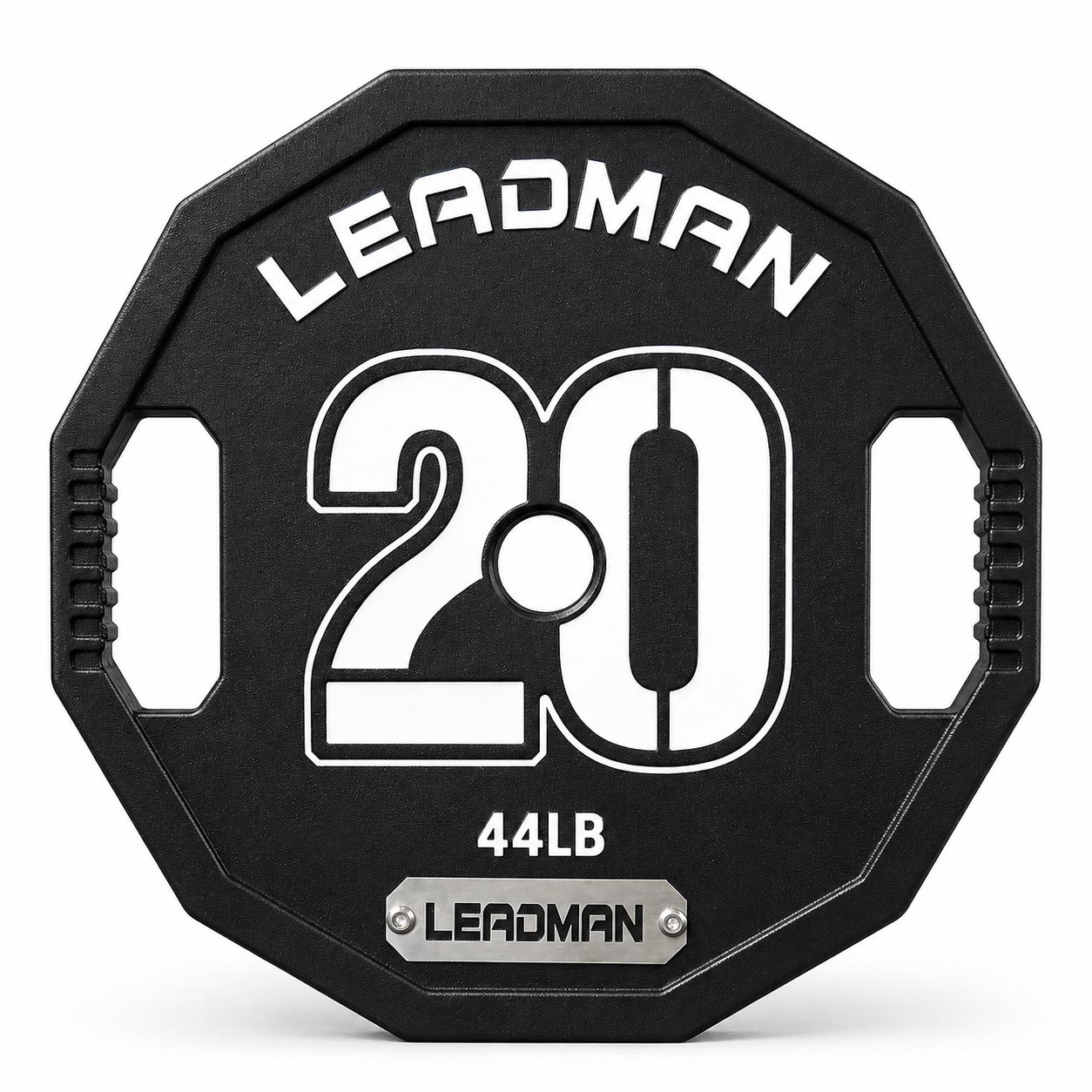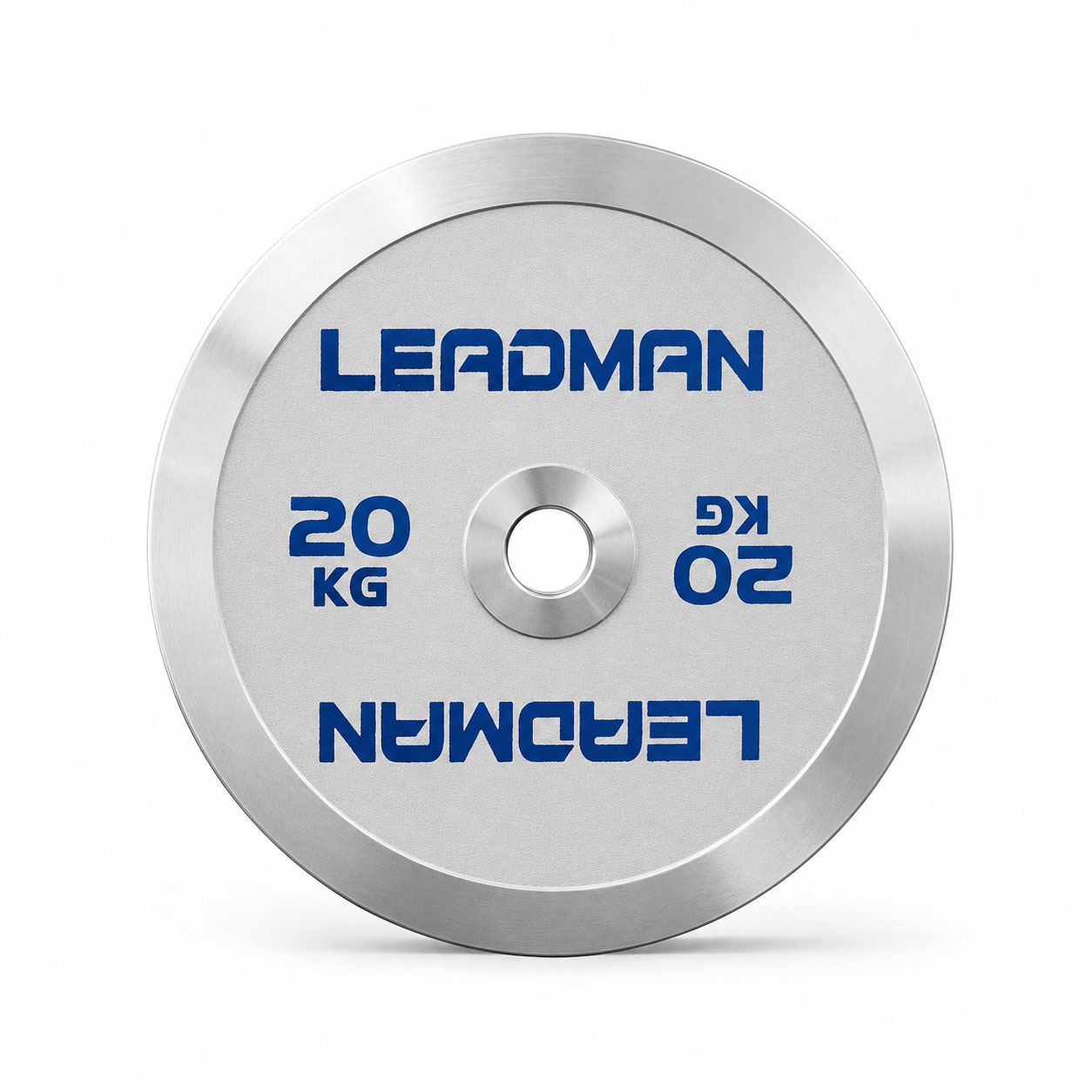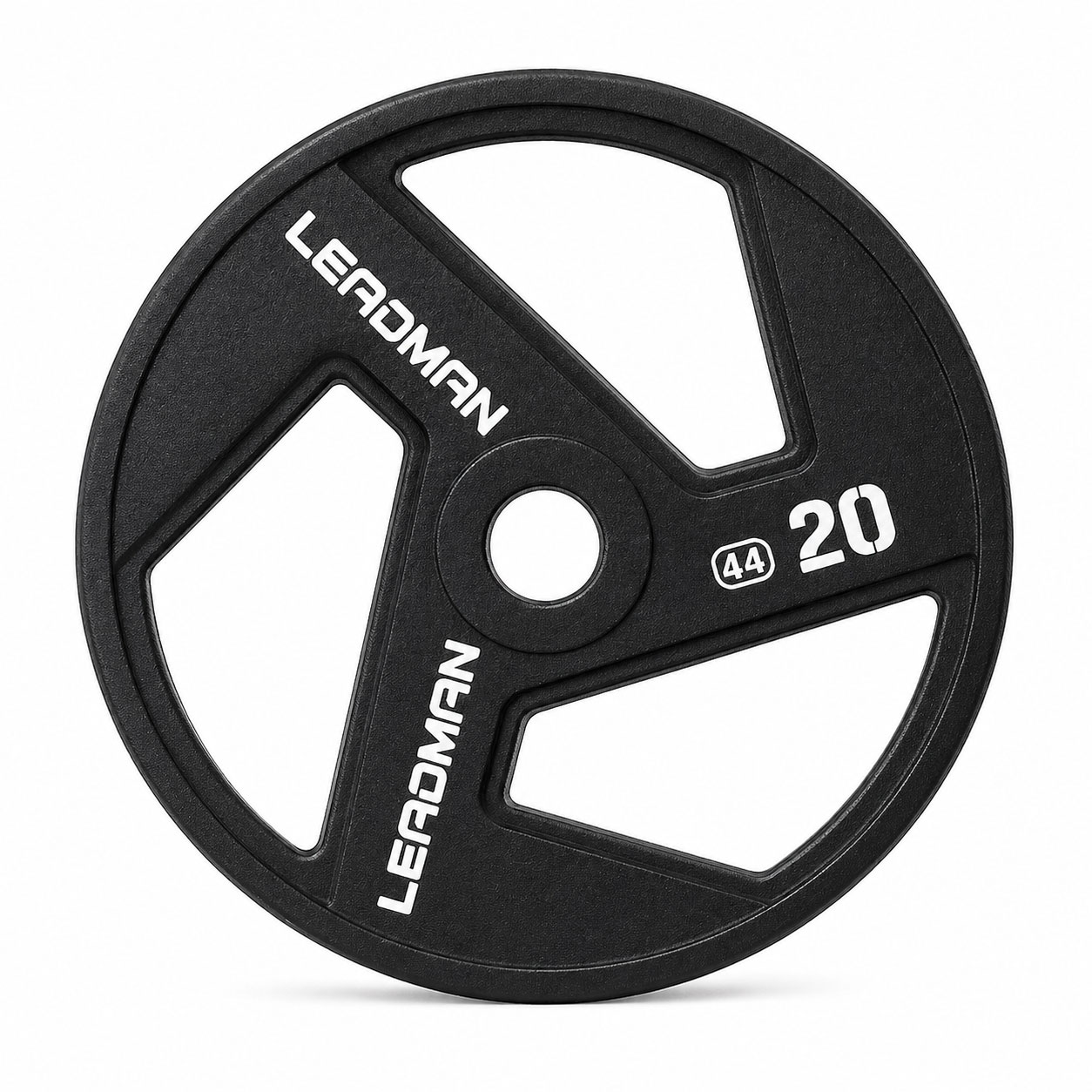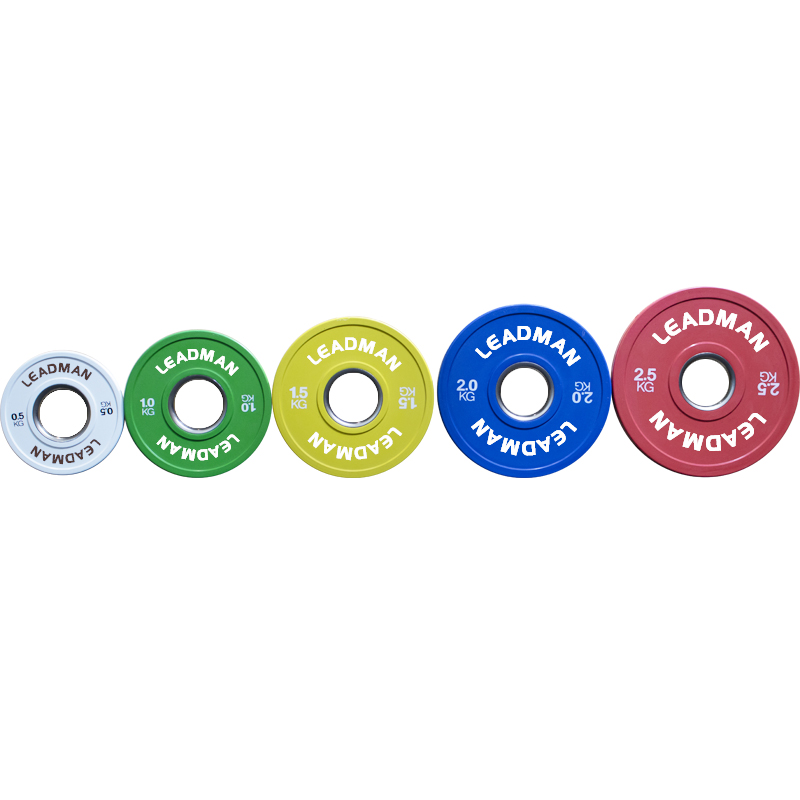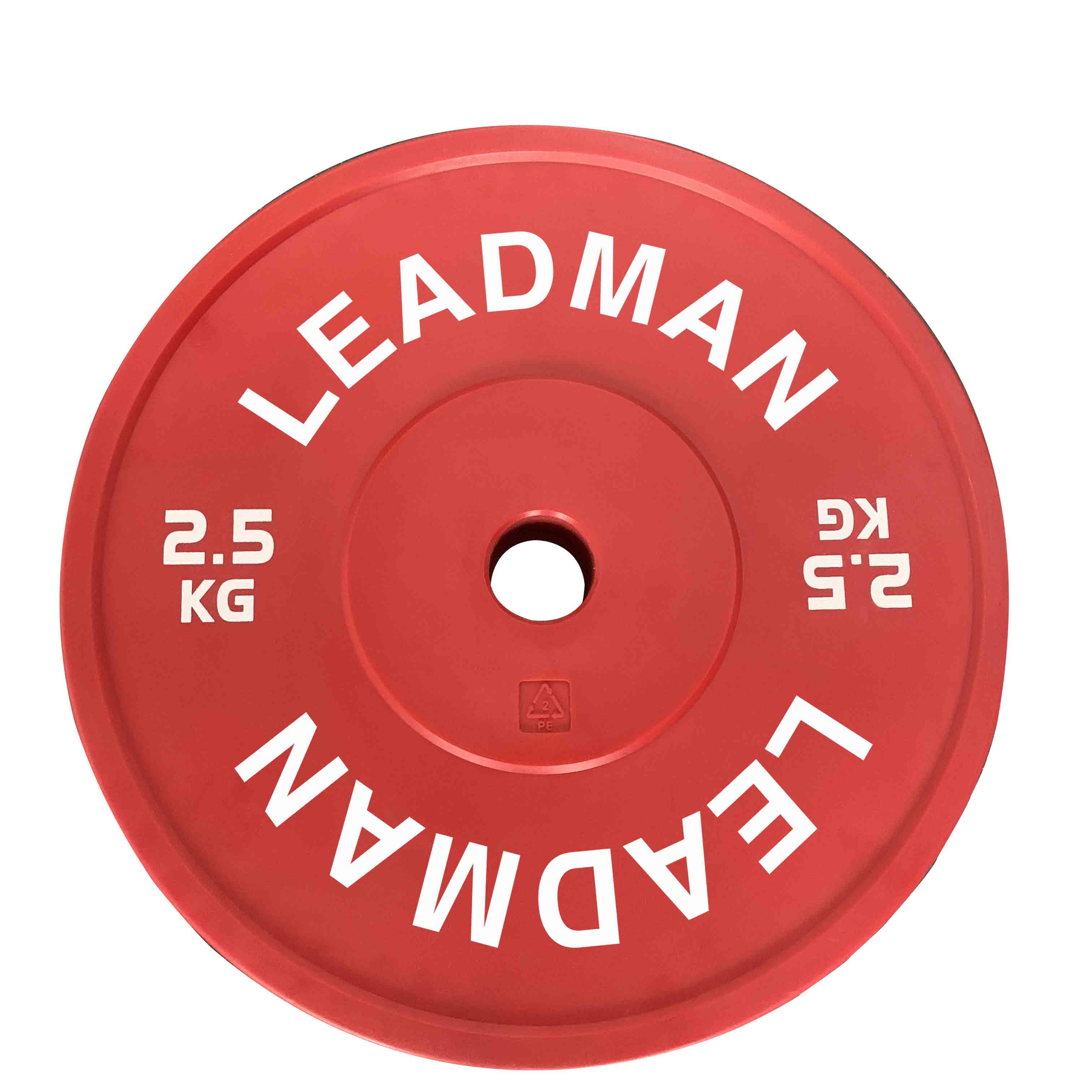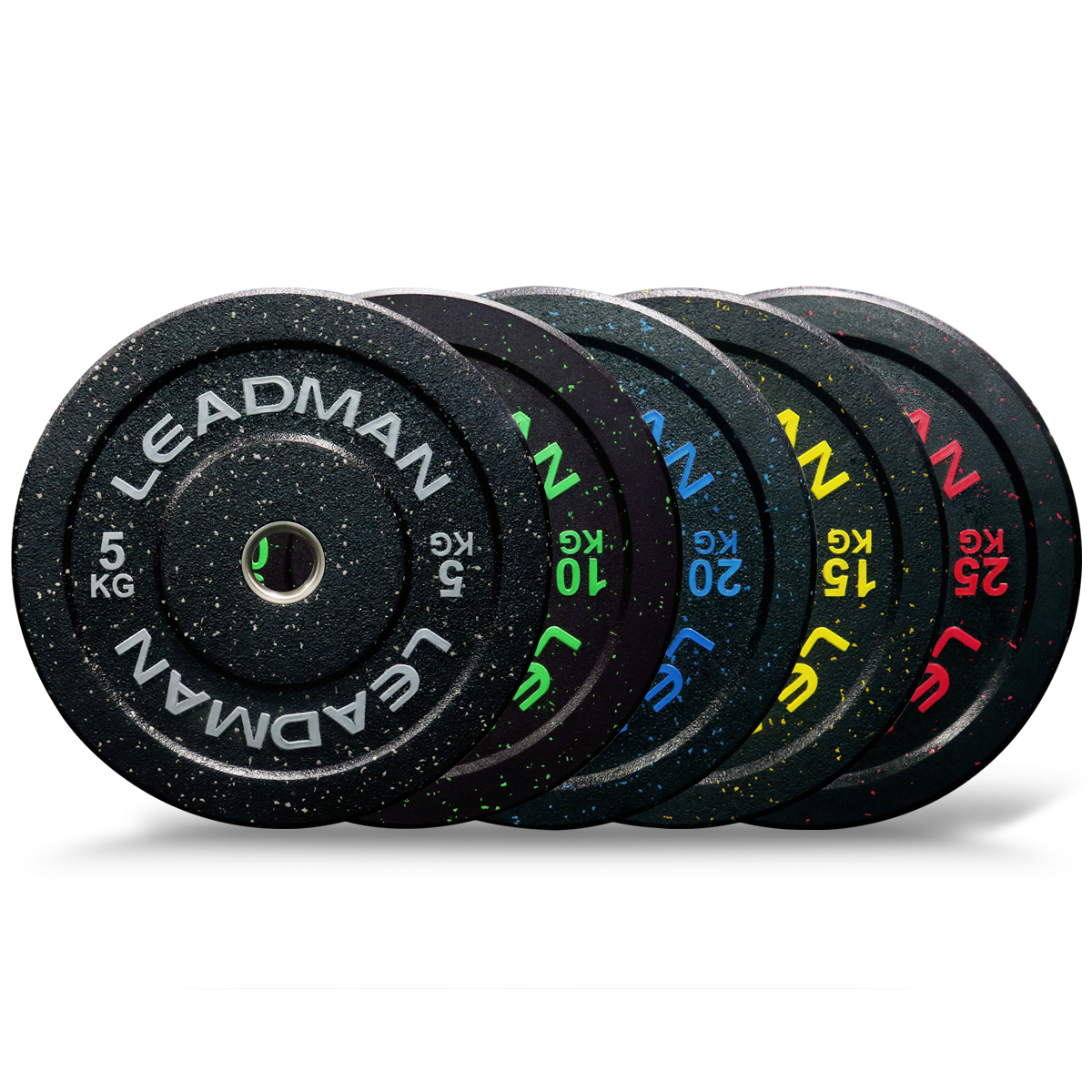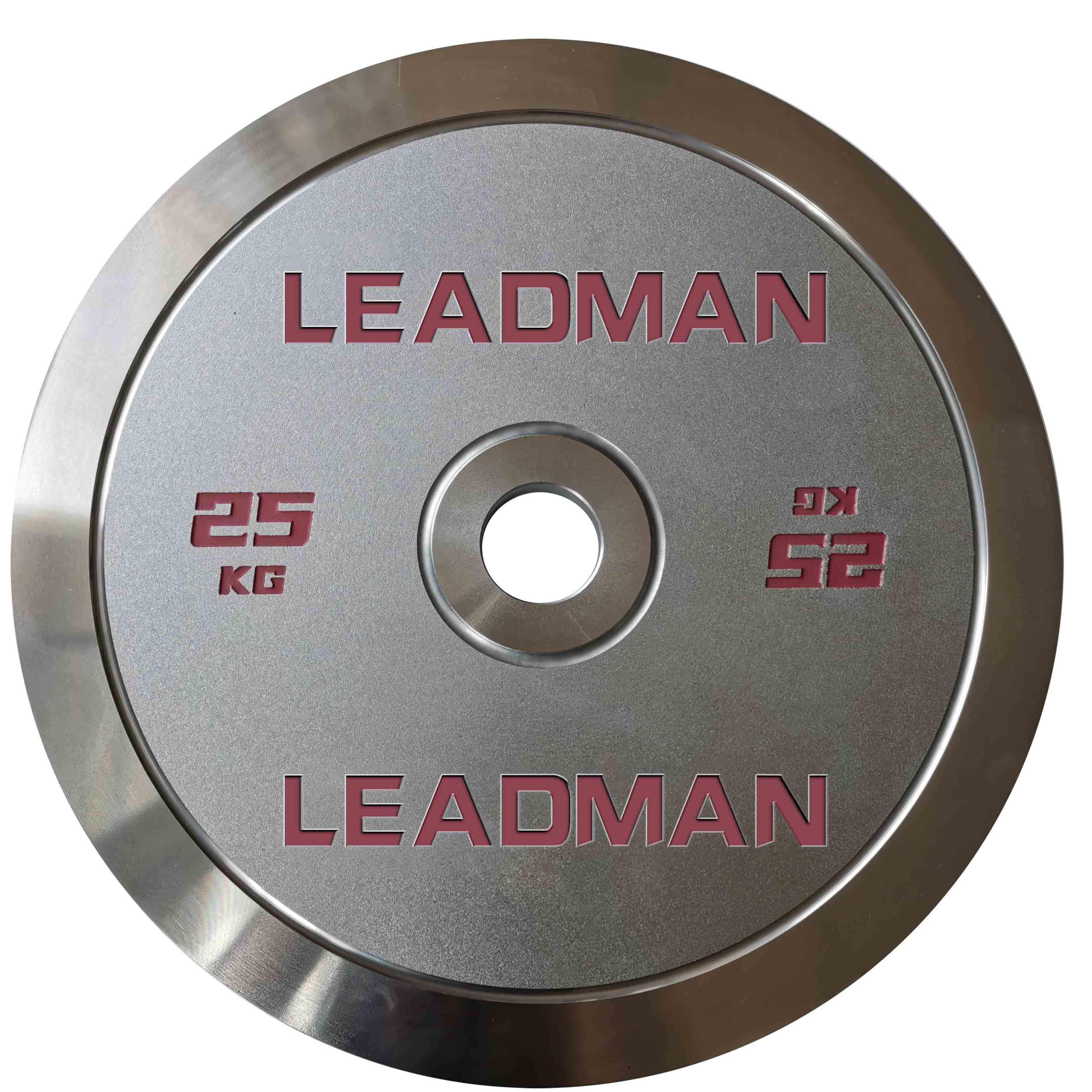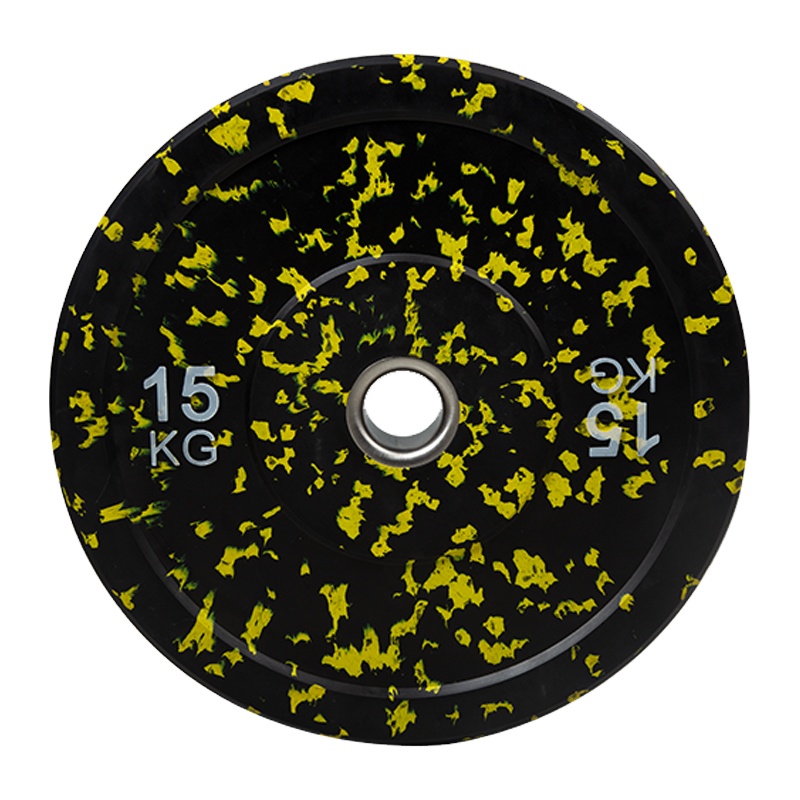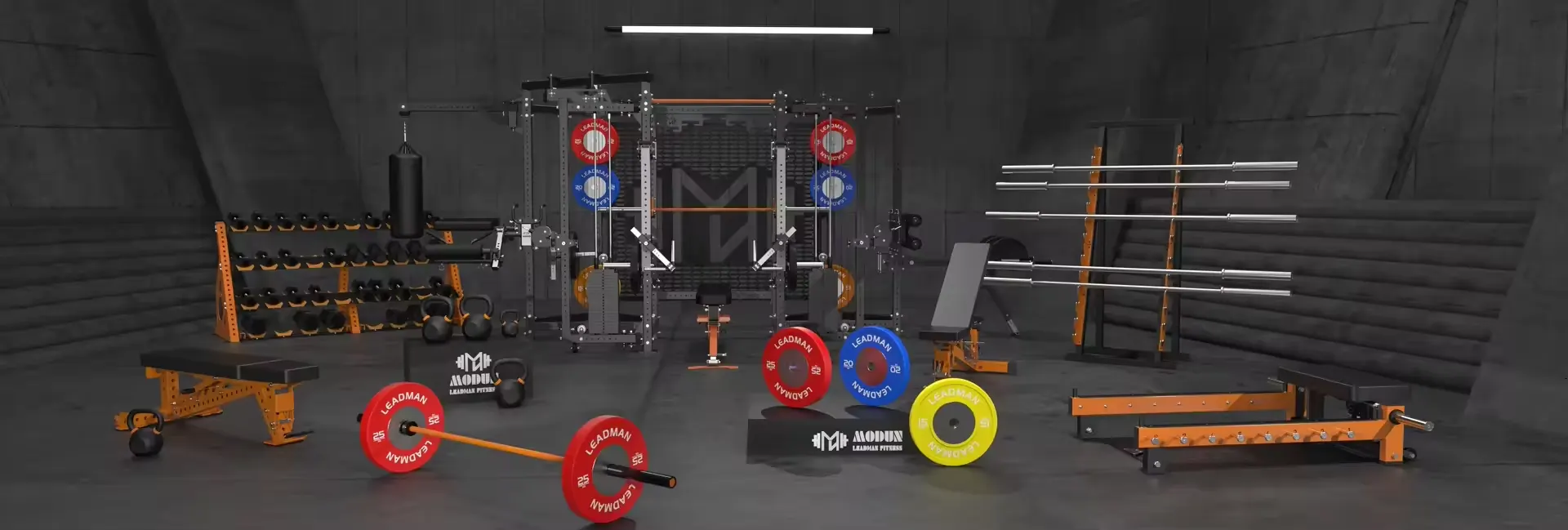
The global market for Olympic weight plates is dominated by a select group of manufacturers who have mastered the precision engineering and material science required to produce plates that meet the exacting standards of the International Weightlifting Federation (IWF) and the International Powerlifting Federation (IPF). These Olympic weight plate manufacturers operate at the pinnacle of the fitness equipment industry, producing calibrated plates with weight tolerances as low as ±0.25%—a level of accuracy that demands advanced manufacturing processes, rigorous quality control, and a deep understanding of metallurgy and polymer science. For commercial gyms, competitive training facilities, and retailers, partnering with these specialised manufacturers is essential for ensuring equipment authenticity, performance, and compliance with competition regulations.
Leading Olympic weight plate manufacturers achieve precision through a combination of advanced casting, machining, and calibration technologies. The production process begins with high-grade raw materials—virgin rubber compounds or urethane polymers for bumper plates, and certified steel or iron alloys for cast iron plates. Calibrated Olympic plates undergo precision CNC machining to achieve exact weight specifications, followed by individual weighing and certification on calibrated scales. For rubber and urethane plates, manufacturers use compression moulding or injection moulding processes that ensure consistent density and plate dimensions. Hub insertion is a critical step, with manufacturers employing mechanical locking systems, chemical bonding, or compression-fit designs to ensure the steel hub remains securely attached to the rubber or urethane body through thousands of drop cycles. This combination of precision process control and high-grade materials ensures that each plate meets the strict weight tolerance and durability requirements mandated by international federations.
Quality control and certification processes distinguish top Olympic weight plate manufacturers from commercial generalists. Certified plates undergo batch testing and individual weighing at multiple production stages to verify compliance. IWF and IPF compliance requires documented weight certifications, dimensional verification, and material composition records. Leading manufacturers maintain ISO 9001 quality management certification alongside product-specific certifications from accredited testing laboratories. Drop-test certification (20,000+ cycles) validates hub retention and material integrity for bumper plates. Plate calibration is documented with unique serial numbers and certified weight records for each plate. Manufacturers should provide full compliance documentation upon request and permit third-party audits of production facilities. This level of documentation is essential for competition equipment and important for commercial facilities seeking to verify equipment quality and compliance.
Sourcing strategies for Olympic weight plates should prioritise manufacturer reputation, certification documentation, and supply chain reliability. Established manufacturers typically maintain 8–12 week lead times for custom orders, with stock items available for 4–6 week delivery. Competitive gyms should consider calibrated competition sets for platform use, maintaining training-grade sets for daily programming. Storage and handling of calibrated plates require care to preserve certification. Manufacturing partnerships can include ongoing quality monitoring and collaborative product development. As competition standards evolve, Olympic weight plate manufacturers continue innovating in materials, processes, and certification documentation, ensuring elite performance in commercial and competitive environments.
Let our experts design the perfect gym solution for your business. Get a free consultation and quote today.