

How to Choose the Right Commercial Gym Equipment for Your Facility
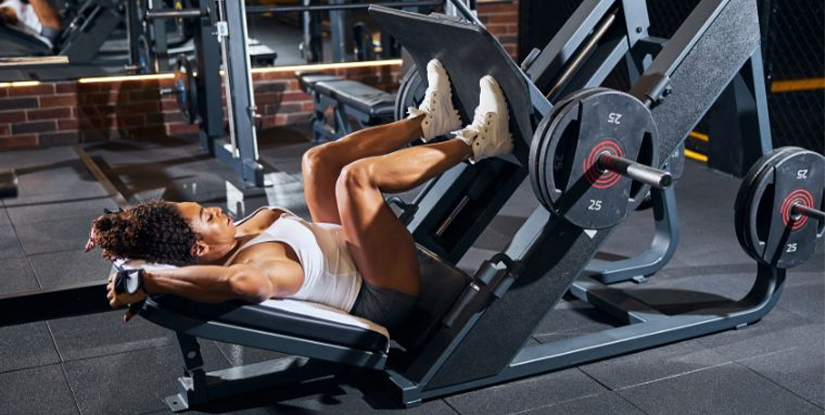
A common misconception in facility management is that higher price tags automatically equate to higher durability or better user experience. Many operators fall into the trap of purchasing equipment based on brand prestige or aesthetic appeal, only to find that the structural integrity or mechanical reliability fails to meet the demands of high-traffic environments. Choosing commercial-grade equipment is not about finding the most expensive option; it is a technical evaluation of load-bearing capacities, material tolerances, and maintenance requirements. A failure to align equipment specifications with your specific facility usage—whether it is a high-intensity training center or a low-impact wellness club—leads to premature wear, increased downtime, and significant capital replacement costs.
Material Composition and Structural Integrity Standards
Before evaluating the movement mechanics of a machine, an operator must first examine the fundamental skeletal structure. The longevity of strength training equipment is directly proportional to the gauge of the steel used in its construction. Lightweight, thin-walled tubing may appear sufficient during a showroom inspection, but under the repetitive stress of heavy lifting, these components are prone to fatigue and structural failure.
Evaluating Steel Gauge and Frame Durability
In the commercial sector, the thickness of the steel tubing determines how the machine responds to lateral and vertical forces. A common failure mode occurs when operators select equipment with low-gauge steel that cannot withstand the kinetic energy of a user dropping weights. When selecting frames, you must look for high-gauge steel and reinforced welding techniques. A standard requirement for high-traffic facilities is heavy-duty steel construction that prioritizes stability over weight reduction.
To assist in your material selection process, refer to the following comparison of structural requirements:
| Feature | Standard Commercial Grade | High-Performance/Elite Grade |
|---|---|---|
| Frame Steel Gauge | 11-gauge steel | 7-gauge or heavier structural steel |
| Weld Quality | extStandard MIG welding | Full-penetration, reinforced fillet welds |
| Finish Type | Standard powder coating | Anti-corrosive, high-impact textured coating |
| Footprint Stability | Standard base plates | Wide, weighted bases for anti-tip safety
Once you have verified the structural foundation, the next critical technical aspect involves the components that actually facilitate motion: the bearings and cables.
Mechanical Motion Systems: Bearings, Pulleys, and Cable Longevity
While the steel frame provides the structure, the smoothness of a resistance machine is dictated by its internal mechanical systems. A frequent pain point for facility owners is the "gritty" or "stuttering" feel that develops in cable machines after only a few months of use. This is rarely a sign of a bad machine, but rather a sign of substandard bearing quality or low-grade cable materials.
The Physics of Smooth Resistance
The resistance provided by weight stacks or pneumatic systems relies on the friction-free rotation of pulleys and the tensile strength of cables. If a machine utilizes nylon pulleys with low-grade bushings, the friction increases significantly as heat builds up during a workout, leading to mechanical drag. High-quality commercial equipment utilizes high-density polyethylene (HDPE) or aluminum pulleys paired with sealed ball bearings to ensure consistent resistance throughout the entire range of motion.
When inspecting a machine's motion system, use this checklist to verify performance:
- Initial Motion Test: Does the weight stack move smoothly without any sudden catches or jerks?
- Cable Tension: Is the cable taut and consistent, or is there significant slack during the transition phases?
- Bearing Sound: Listen for any grinding, squeaking, or clicking noises when the pulley rotates.
- Material Check: Are the cables coated in a high-strength polymer to prevent fraying and cable whip?
Ensuring the motion systems are robust will reduce the frequency of part replacements, but you must also consider the electrical and digital interfaces if you are integrating smart technology into your facility.
Integrating Digital Technology and User Interface Reliability
Modern facilities increasingly rely on connected fitness ecosystems to drive member engagement. However, a significant mistake among operators is choosing equipment based on software complexity without verifying the hardware's long-term reliability. Digital interfaces add a new layer of vulnerability, specifically regarding moisture damage, electrical surges, and software obsolescence.
Managing Digital Component Vulnerabilities
Cardio equipment with integrated screens introduces two major failure points: the console hardware and the connectivity stability. In a high-humidity gym environment, even slight exposure to moisture can cause internal short circuits in a non-sealed console. Furthermore, if the software is not easily updatable, the machine may become obsolete within a few years as app requirements change.
Verification Protocol for Digital Equipment:
Verify the IP (Ingress Protection) rating of the consoles to ensure they can withstand humidity and cleaning agents. Additionally, ask the supplier about the longevity of the software support. A robust system should feature a modular design where the console can be upgraded or replaced without discarding the entire mechanical chassis of the treadmill or bike.
As the technological footprint of your facility expands, the physical layout must remain optimized to accommodate both the equipment and the people using it.
Spatial Engineering and Ergonomic Layout Planning
A well-chosen piece of equipment is useless if it cannot be safely operated within your facility's specific footprint. A common mistake is calculating space based solely on the machine's dimensions, ignoring the "operational clearance zone" required for safe human movement. Improper layout leads to two primary issues: increased collision risks and hindered circulation flow.
Calculating the Operational Clearance Zone
Every piece of equipment has a footprint, but every user also has a safety perimeter. For example, a power rack requires more space than its base dimensions suggest because the user needs room for lateral movement and to step in/out of the rack. In high-intensity environments, you must account for the "buffer zone" between machines to prevent users from striking one another during heavy sets.
Use the following table to determine your actual space requirements:
| Equipment Category | Physical Dimension (Footprint) | Required Operational Space (Safety Buffer) |
|---|---|---|
| Strength Machines (Selectorized) | Machine base dimensions | Minimum 2 feet (0.6m) on all active sides |
| Free Weight Areas (Racks/Benches) | Bench/Rack dimensions | Minimum 3-4 feet (1-1.2m) for barbell rotation |
| Cardio Equipment (Treadmills) | Machine footprint | Minimum 3 feet (0.9m) behind and in front of unit |
| Functional/Plyo Zones | Intended movement path | 1.5x the maximum distance of the movement |
Once the layout is finalized and the machines are in place, the focus must shift from installation to the long-term preservation of the asset through strict maintenance protocols.
Developing a Preventative Maintenance and Inspection Cadence
The total cost of ownership (TCO) for commercial gym equipment is heavily influenced by your maintenance efficiency. Many operators wait for a machine to break before addressing an issue—this is reactive maintenance, which is significantly more expensive than proactive or preventative maintenance. Reactive maintenance results in longer downtimes, frustrated members, and higher repair costs for emergency parts shipping.
Implementation of Maintenance Cycles
A professional facility should implement a tiered inspection system. This ensures that small issues, such as a loose bolt or a dry bearing, are caught before they cause catastrophic failure of a larger component. Maintenance is not just about oiling parts; it is about structural verification and electrical safety.
- Daily/Weekly (Operator Level): Wipe down surfaces, visual check for frayed cables, and check for any unusual noises during operation.
- Monthly (Facility Manager Level): Check bolt torque on all structural joints, inspect upholstery for tears, and test all electronic consoles for responsiveness.
- Quarterly (Technical Specialist Level): Deep clean internal tracks, lubricate bearing housings, and perform a thorough inspection of all electrical connections and grounding.
By following a structured cadence, you can extend the operational lifespan of your equipment by several years, ensuring a higher return on investment.
Mitigating Liability through Safety Compliance and Certification
Selecting the right equipment is also a matter of risk management. Commercial gyms face significant liability if a piece of equipment fails due to substandard construction or a lack of safety-oriented design. A failure to verify that your equipment meets international safety standards can result in legal complications and increased insurance premiums.
Verifying Safety Standards and Certifications
When reviewing spec sheets, do not simply look for "high quality." Look for specific certifications that demonstrate the equipment has been rigorously tested for both strength and safety. These certifications provide empirical evidence that the machine can handle the stresses of commercial use without failing.
Key Indicators of Safety-Grade Equipment:
- Load Capacity Certification: Evidence that the machine can handle the maximum weight stack plus a dynamic impact factor.
- ASTM or ISO Compliance: Adherence to international standards for mechanical safety and structural durability.
- Emergency Stop Mechanisms: For motorized equipment (treadmills/bikes), a reliable and accessible emergency shut-off is mandatory.
- Upholstery Integrity: High-density foam and medical-grade vinyl that does not easily tear or harbor bacteria.
Regularly checking these standards during the procurement phase prevents the mistake of buying "home-grade" equipment disguised as commercial-grade.
Optimizing Return on Investment via Equipment Lifecycle Analysis
The final step in choosing the right commercial gym equipment for your facility is understanding the economic lifecycle of each asset. A cheap machine that lasts 2 years has a much higher cost-per-use than an expensive machine that lasts 10 years. True procurement professionals focus on the lifetime value of the equipment rather than the initial purchase price.
Calculating Long-Term Asset Value
To make an informed decision, you must calculate the projected depreciation and the cost of maintenance over the first five years of ownership. This involves estimating the frequency of component replacements (cables, belts, upholstery) and the cost of specialized labor required for repairs. A machine with highly proprietary parts may be cheaper to buy, but if those parts are difficult to source or require expensive technicians, the TCO will soar.
Pro-Tip for Procurement: Always request a "parts availability guarantee" from your supplier. A machine is only an asset if you can maintain it. If a critical component becomes unavailable due to a design change, your entire machine becomes dead weight, negatively impacting your facility's revenue-generating capacity.
By synthesizing material science, mechanical reliability, spatial planning, and financial analysis, you transition from a simple buyer to a strategic facility operator capable of building a durable, high-performing fitness environment.