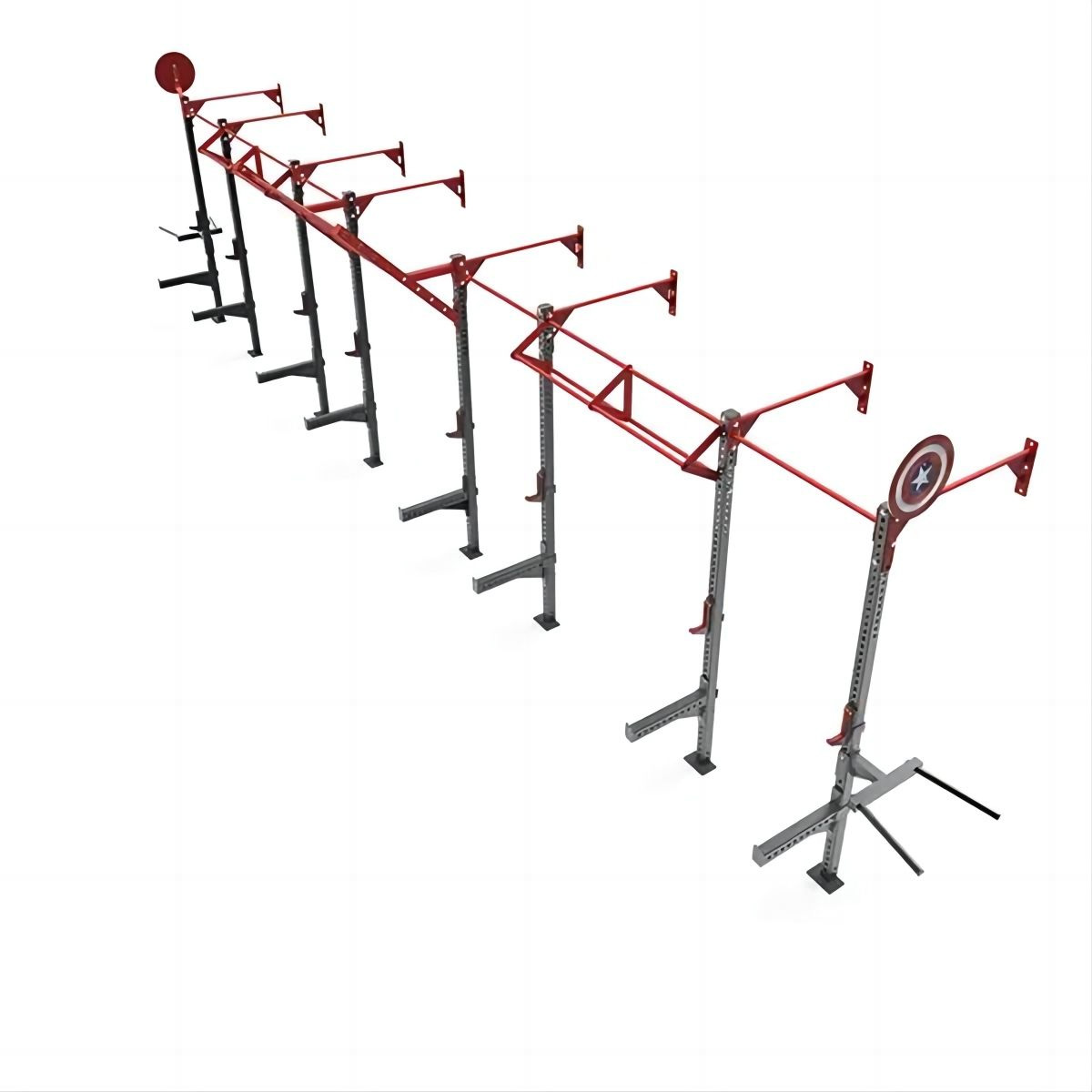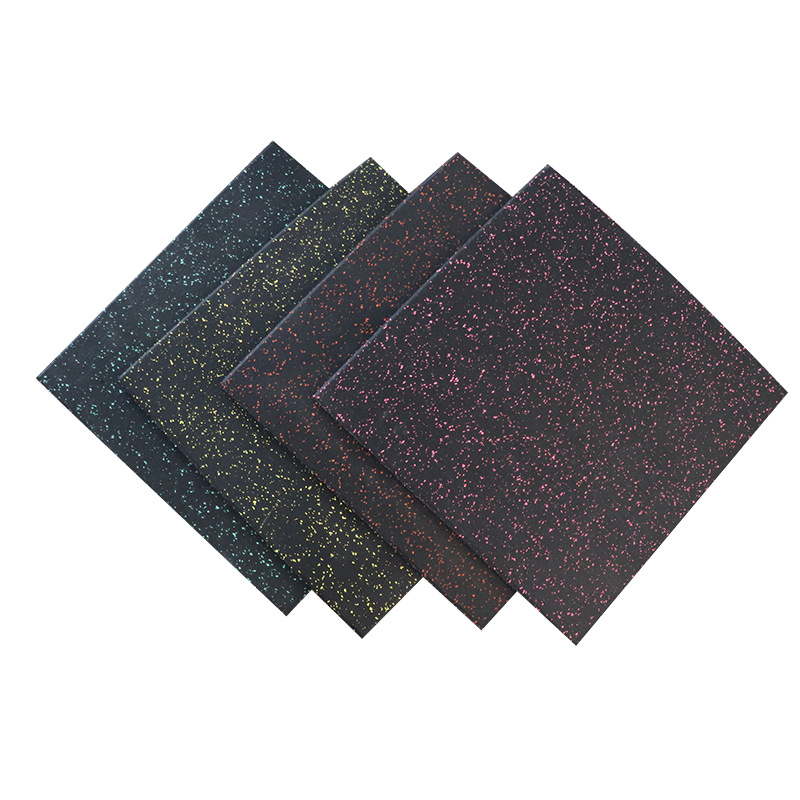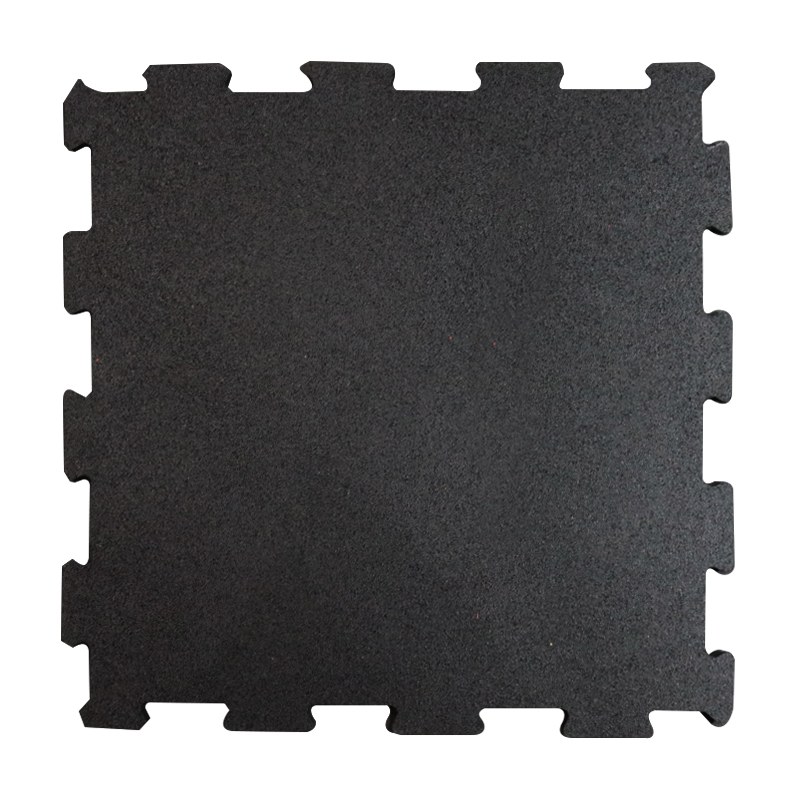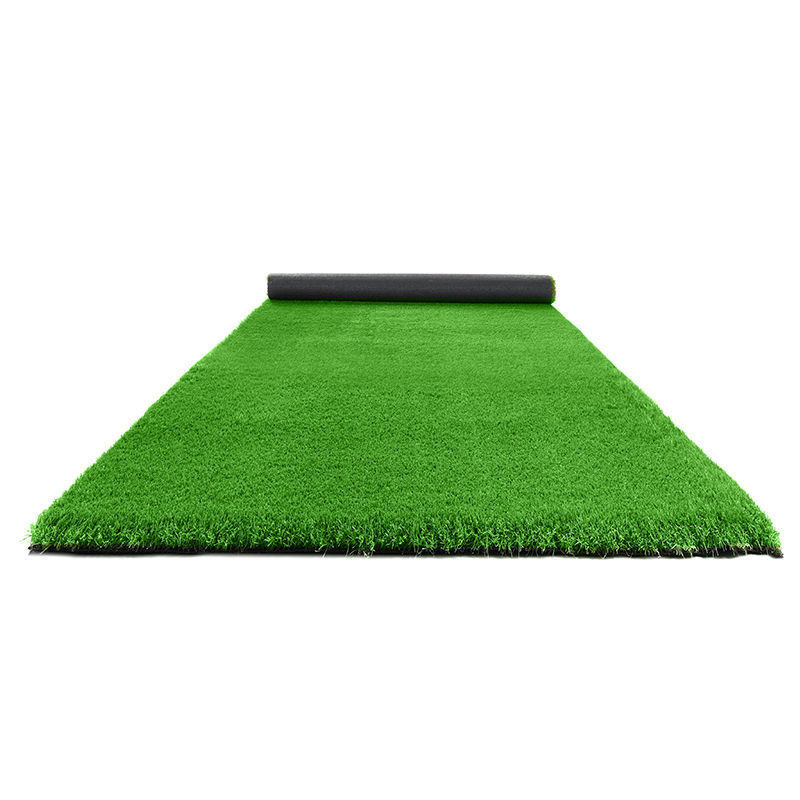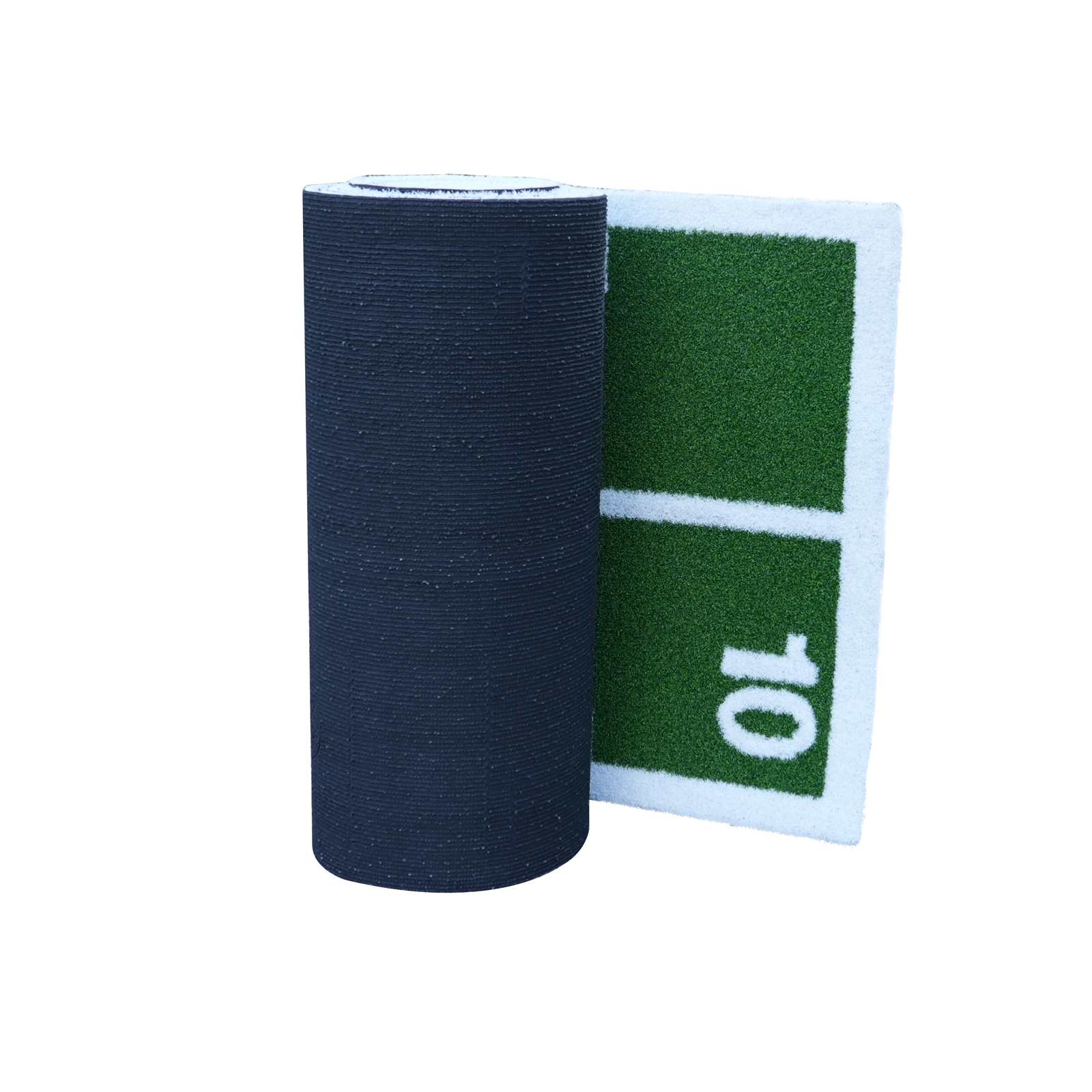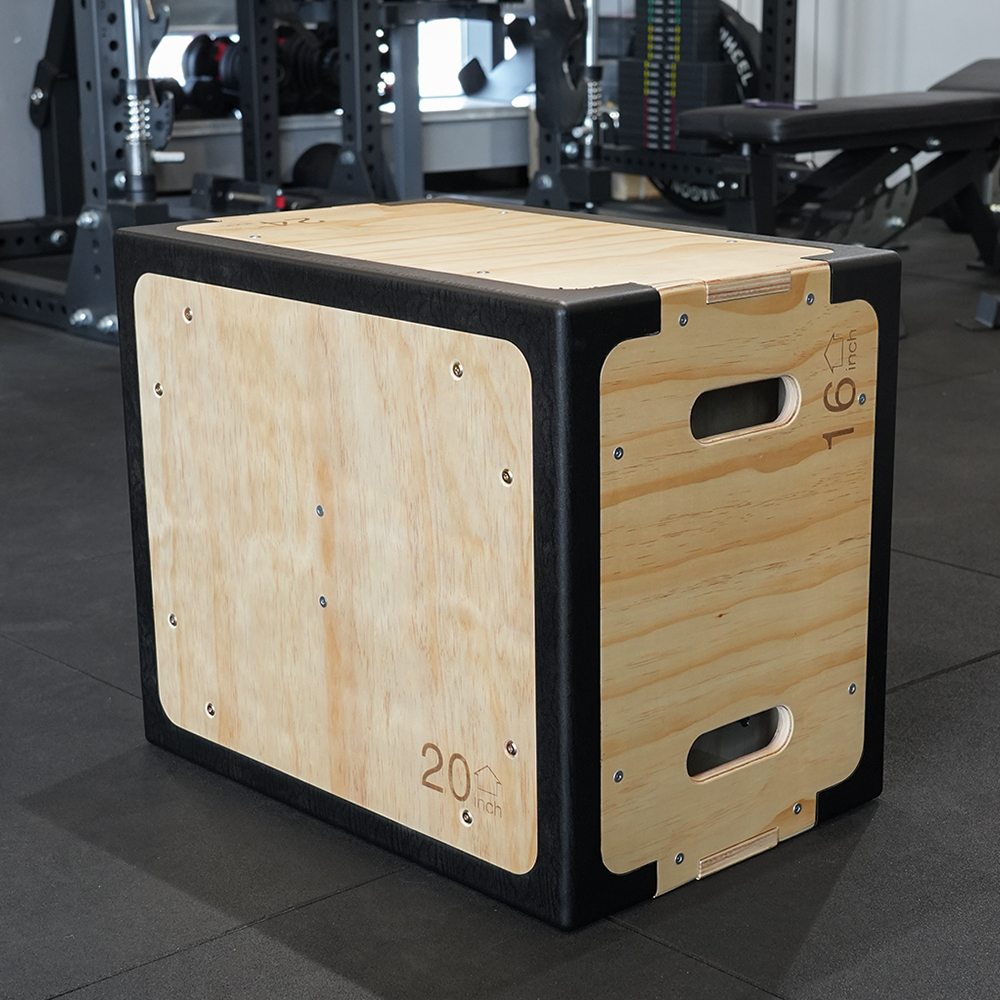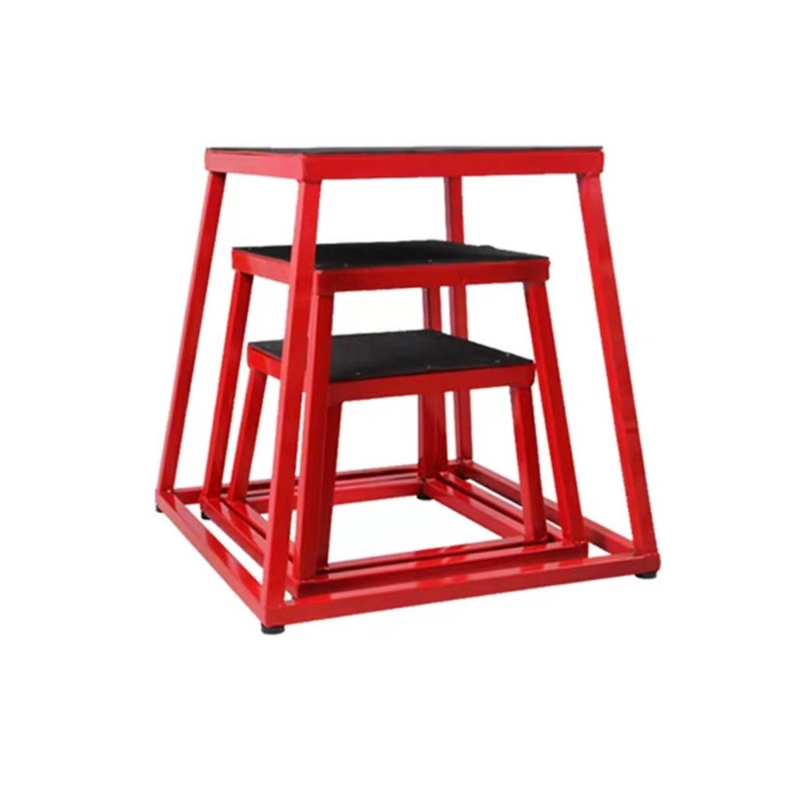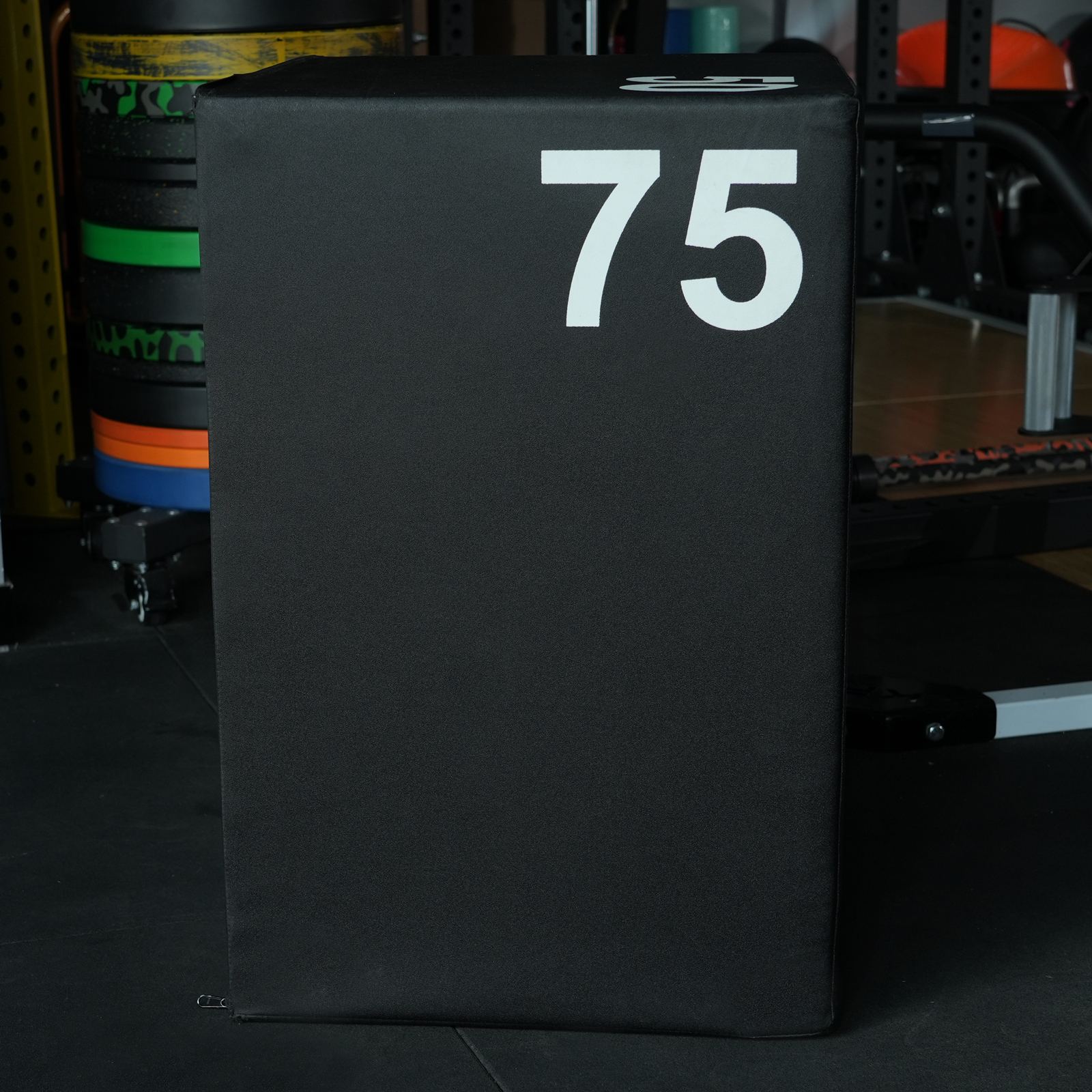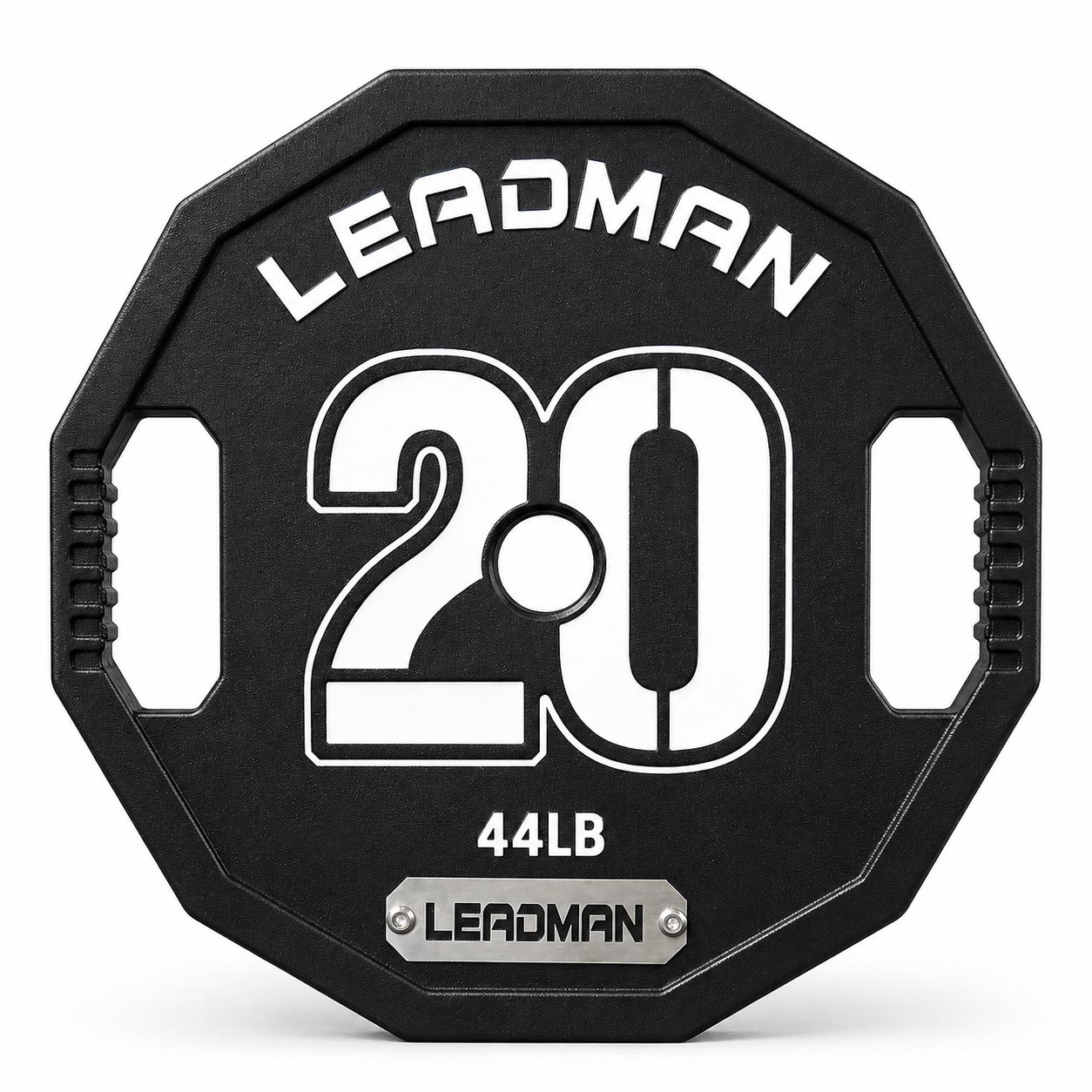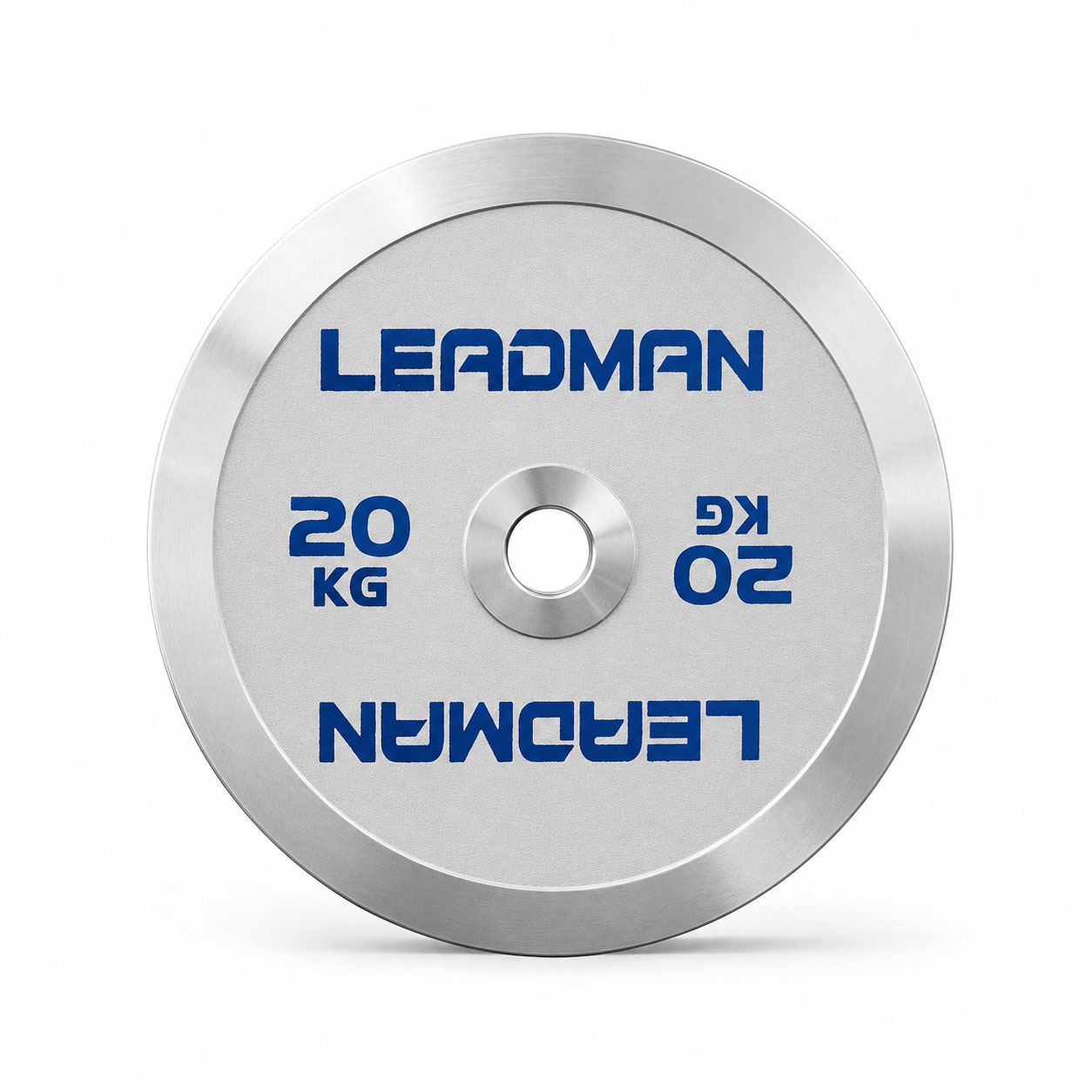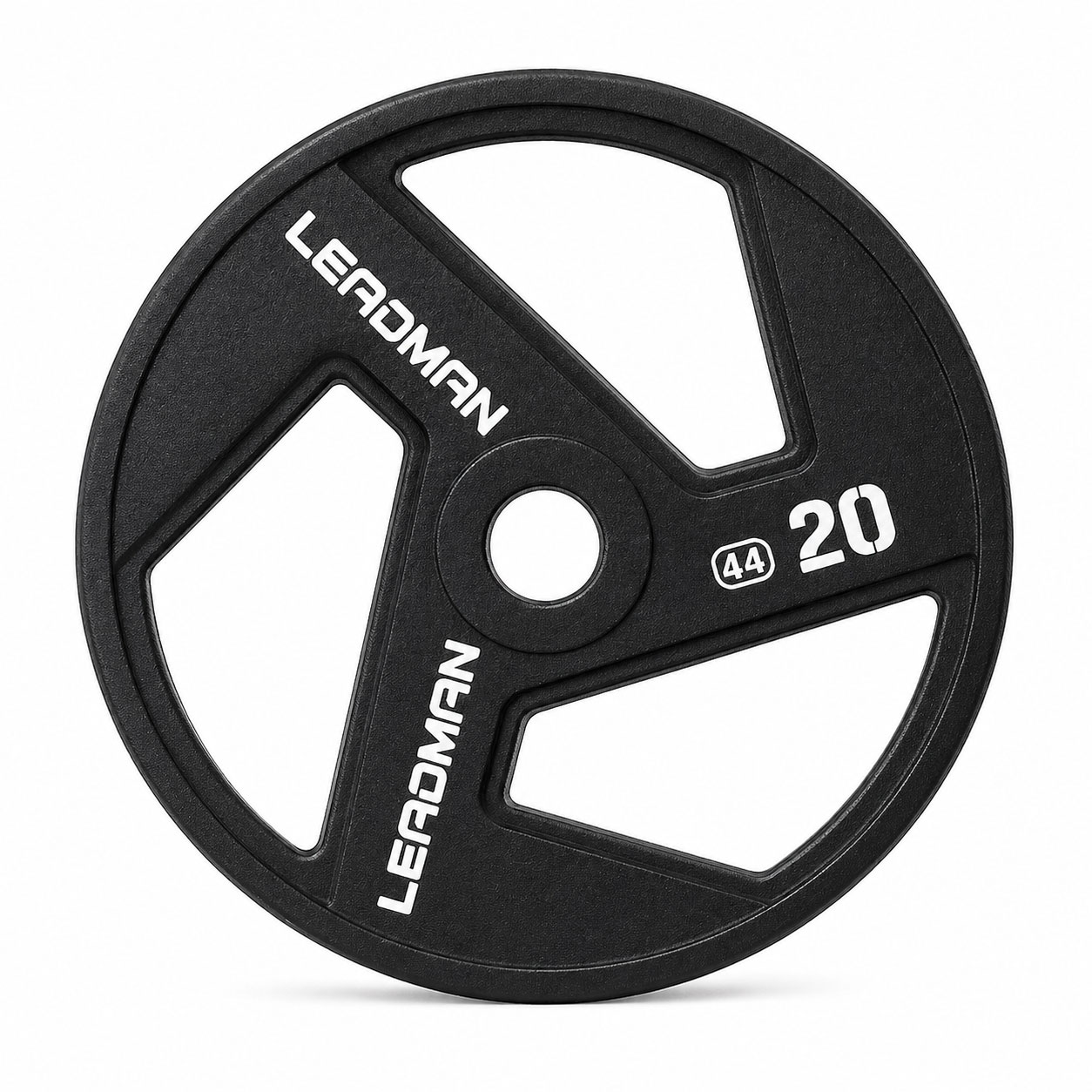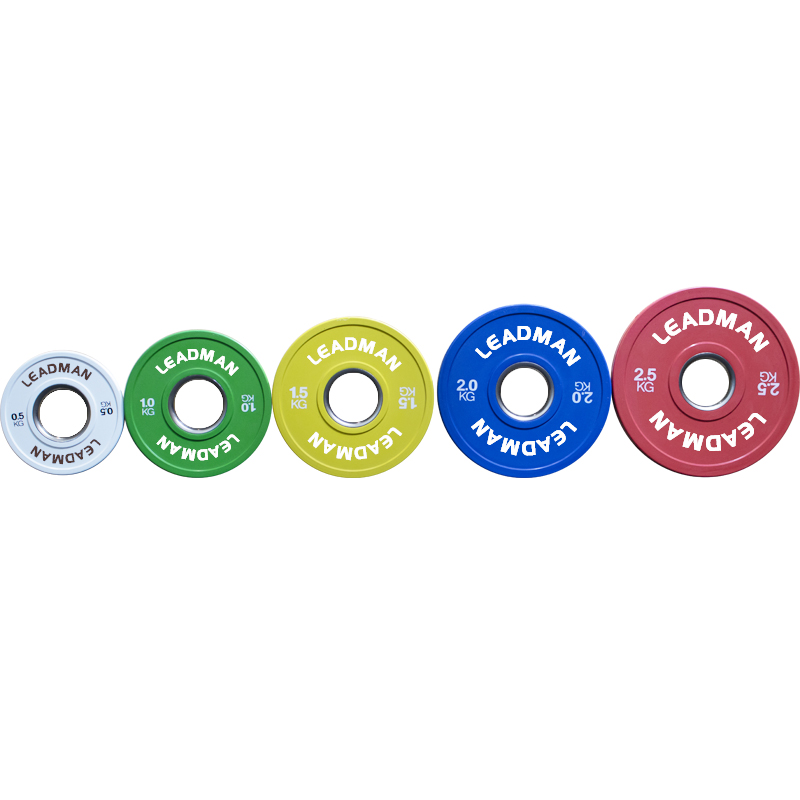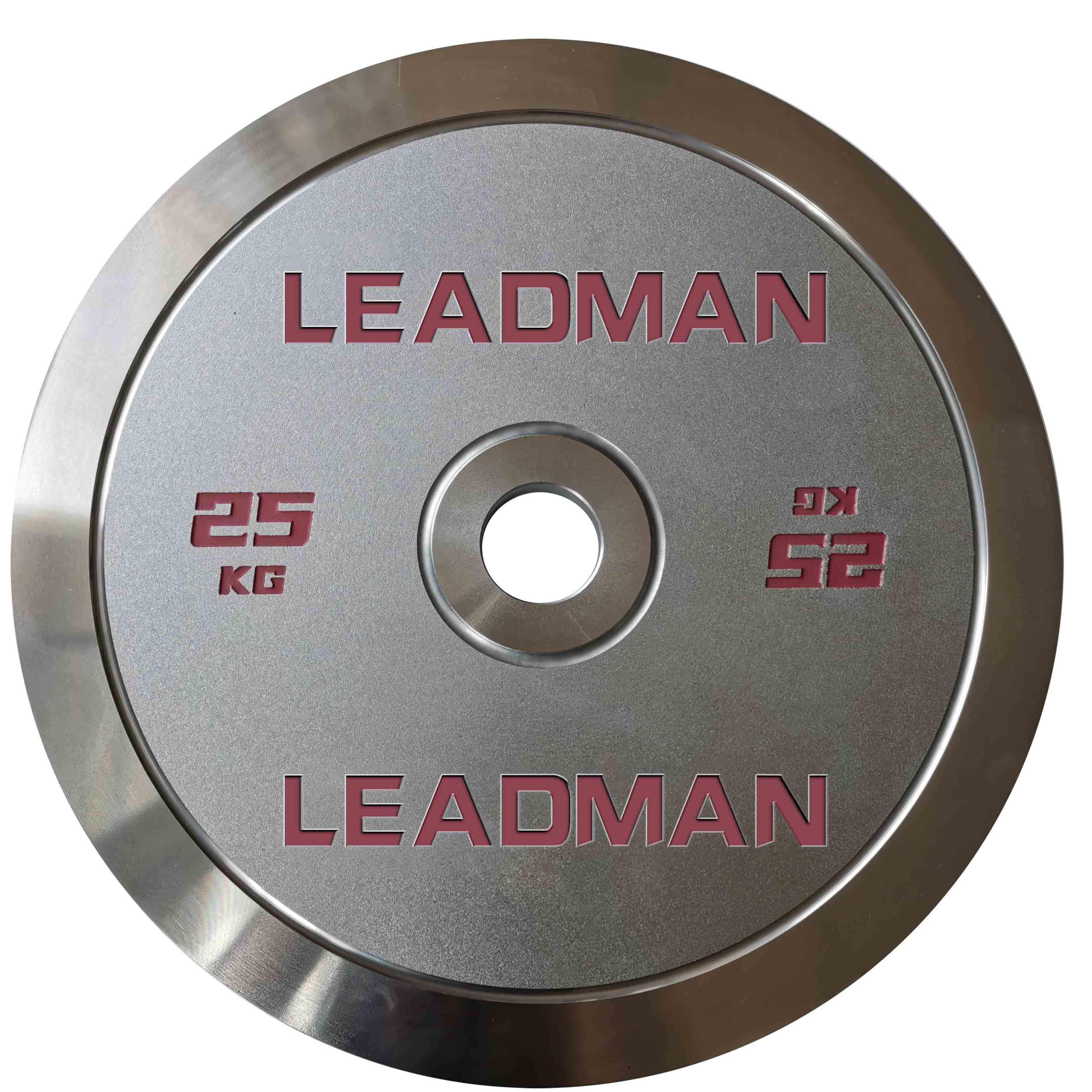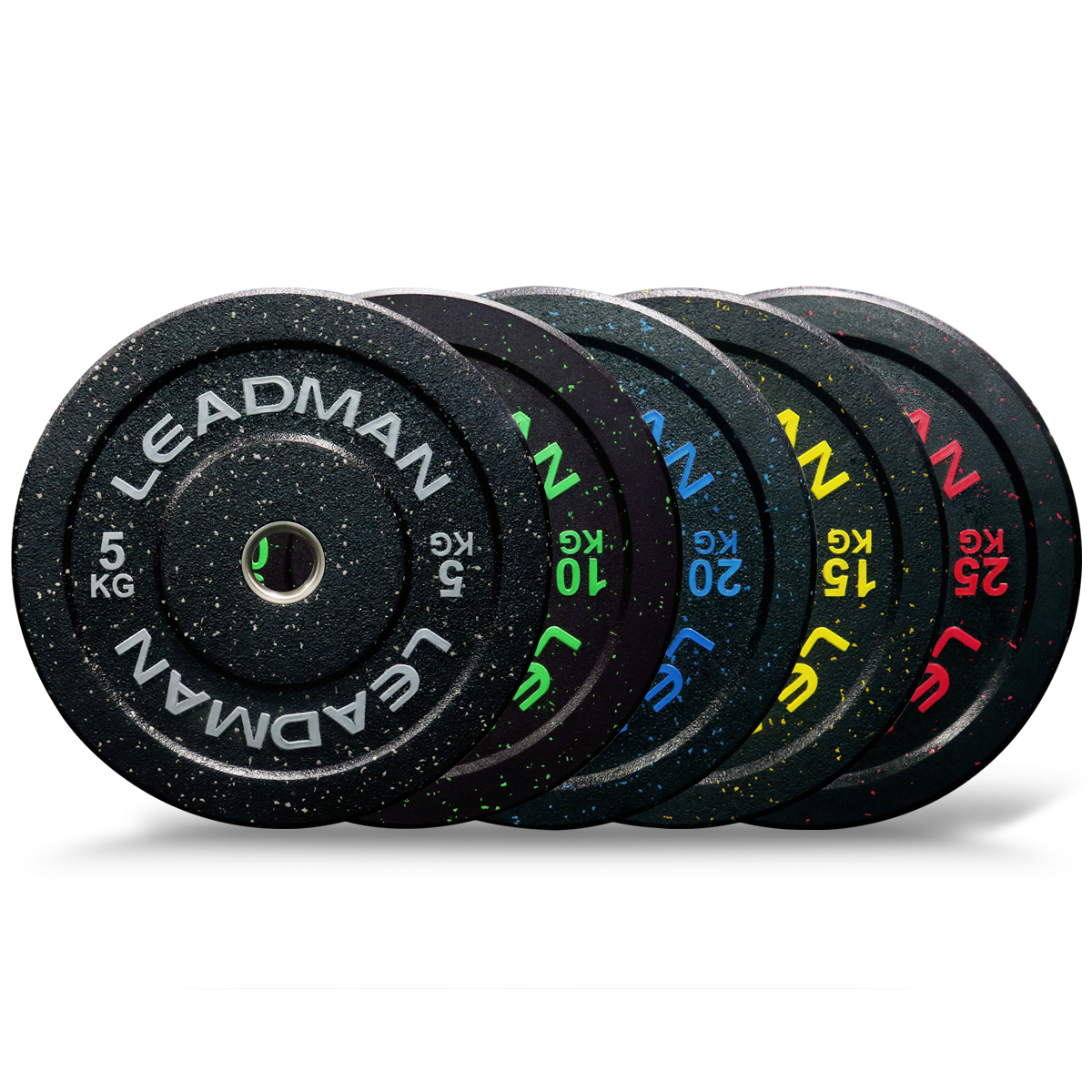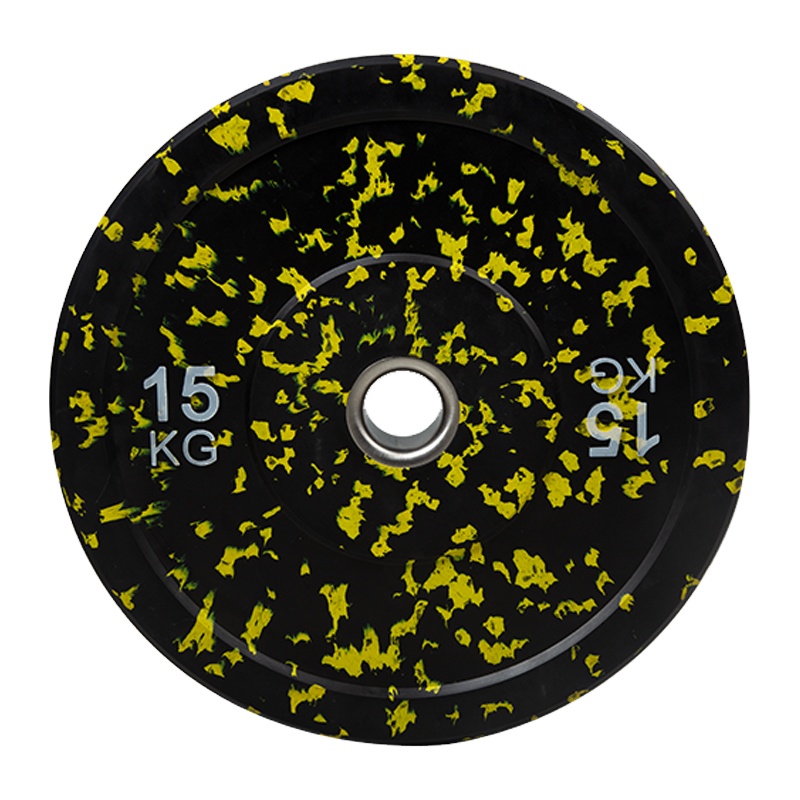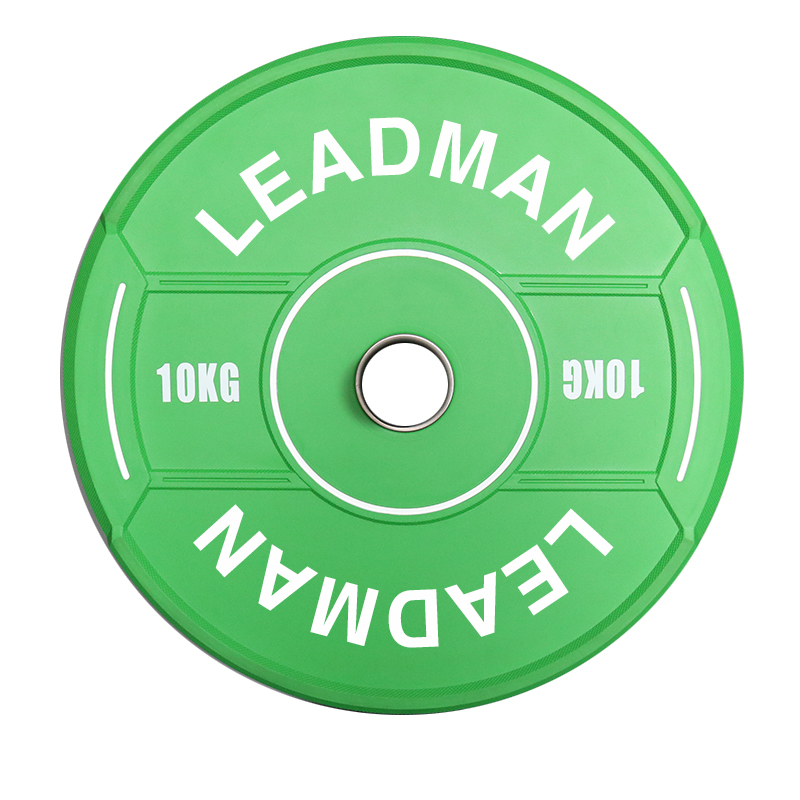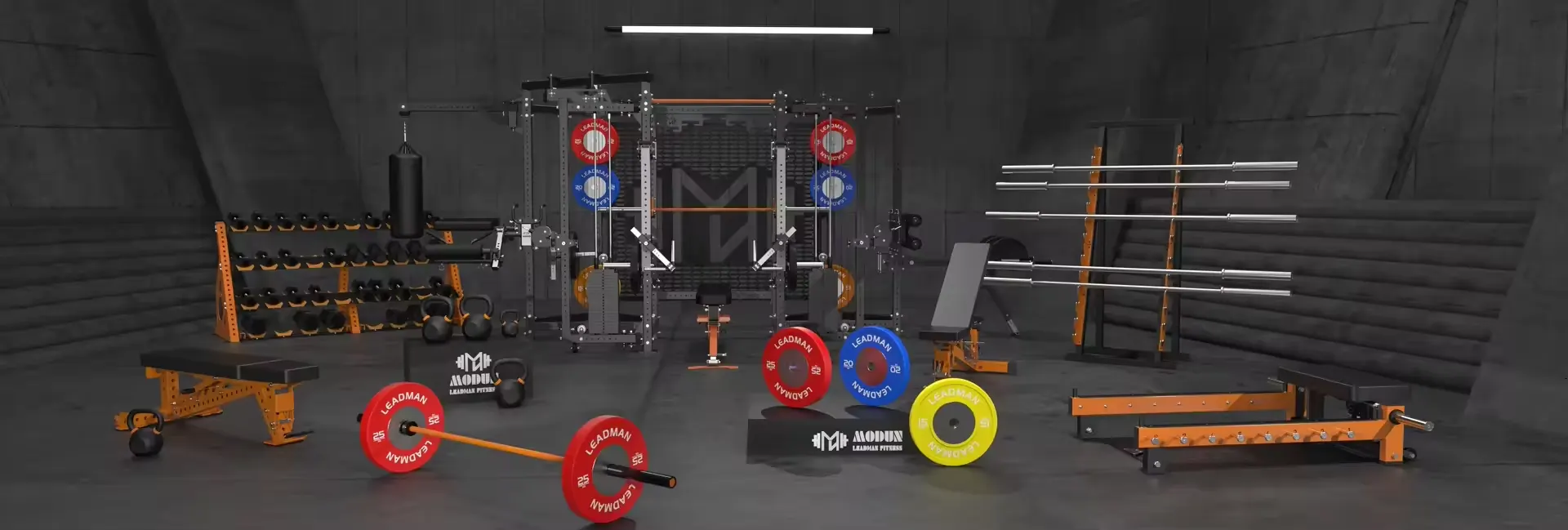
The selection of appropriate gym equip represents the foundational decision that determines a commercial facility's capacity to attract members, deliver effective training outcomes, and maintain sustainable operations over extended timeframes. This gym equipment ecosystem encompasses everything from heavy-duty strength training apparatus and cardiovascular machinery to specialized functional fitness implements and accessory items that complete the training experience. For facility planners, the fitness equipment procurement strategy must account for demographic targeting, programming diversity, and spatial efficiency—ensuring that each square foot contributes meaningfully to member engagement and revenue generation. The commercial gym equipment investment typically represents 30–40% of total facility startup costs, making equipment selection among the most consequential decisions in fitness business planning.
Systematic evaluation of gym equip demands assessment across multiple performance dimensions, including construction quality, biomechanical accuracy, serviceability, and member experience factors. Premium workout equipment incorporates commercial-grade materials—11-gauge steel frames, self-lubricating bearings, and corrosion-resistant finishes—that withstand the continuous high-frequency usage characteristic of busy training environments. The biomechanical design must accommodate diverse user populations, with adjustable ranges of motion, intuitive adjustment mechanisms, and ergonomic contact points that reduce injury risk while maximizing exercise effectiveness. For facilities serving broad demographic profiles, the exercise equipment selection should balance advanced performance features with accessibility considerations, ensuring that novice users and experienced athletes alike can achieve productive workouts without compromise.
The operational dimension of gym equip procurement addresses maintenance requirements, parts availability, and equipment lifecycle costs that significantly impact facility profitability over the equipment's usable life. Commercial facilities should prioritize equipment with standardized components—common fasteners, interchangeable parts, and readily available consumables—that minimize downtime when maintenance becomes necessary. The availability of comprehensive service documentation, including parts diagrams and maintenance schedules, enables facility staff to perform routine preventative maintenance that extends equipment lifespan and maintains optimal performance. For facilities integrating gym equipment across multiple training zones, maintaining consistent specifications and control interfaces across equipment families reduces member confusion and streamlines maintenance procedures.
Let our experts design the perfect gym solution for your business. Get a free consultation and quote today.