

Maximizing Longevity of Your Olympic Barbell Rubber Weight Set
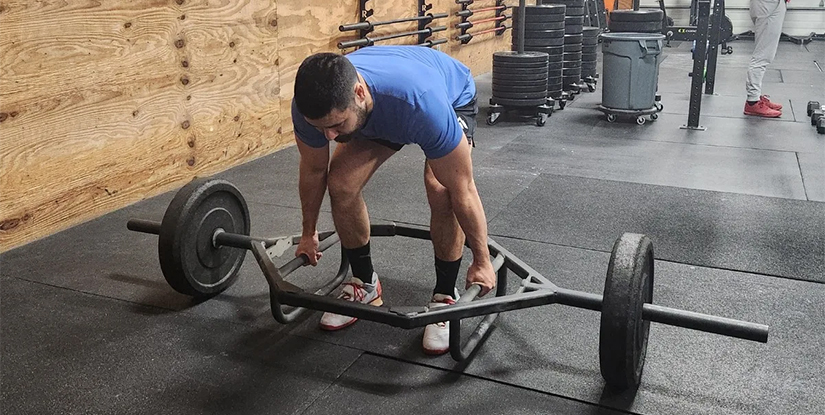
In high-performance training environments, the integrity of weight plates is often an overlooked variable. A high-quality Olympic Barbell Rubber Weight Set serves as the foundation for heavy lifting, yet many facility managers and home gym enthusiasts encounter premature degradation. This degradation typically manifests as rubber cracking, scent issues, or weight imbalance. Understanding the technical composition and operational requirements of these sets is the first step in protecting your investment.
Material Composition and Density Standards
Before selecting or maintaining a set, one must understand the underlying material science. Most professional-grade rubberized weights utilize either high-density vulcanized rubber or a polyurethane coating over a steel core. The choice between these materials dictates the durability and the impact resistance of the set.
The primary problem with low-grade sets is 'outgassing'—the release of volatile organic compounds that create a persistent chemical odor in enclosed spaces. This is often caused by poor-quality binders used during the molding process. High-density rubber provides better impact absorption, which protects both the floor and the internal steel ring, but it requires more rigorous temperature control during storage.
| Material Type | Durability Profile | Impact Absorption | Common Failure Mode |
|---|---|---|---|
| Vulcanized Rubber | Extreme (High longevity) | Superior | Surface cracking due to UV exposure |
| Polyurethane Coated | High (Scratch resistant) | Moderate | Coating delamination from core |
| Standard EPDM | Moderate | Good | Compression set (permanent flattening) |
Verifying the density is a critical step; a professional can often judge quality by the lack of 'bounce' and the uniformity of the weight distribution. Once the material type is identified, the next step involves understanding the structural assembly of the plate itself.
Internal Structure and Load-Bearing Integrity
The durability of an Olympic Barbell Rubber Weight Set is not just dependent on the outer shell, but on the interface between the rubber and the central steel hub. A common failure point occurs when the rubber expands or contracts at a different rate than the steel, leading to loose or uneven weight distribution.
The Role of the Inner Steel Ring
A well-constructed plate features a continuous steel ring that sits inside the rubber molding. This prevents the weight from becoming 'lopsided' during high-velocity movements like cleans or snatches. Without this ring, the rubber can deform under repeated heavy impact, causing the center hole to become elliptical.
Verifying Weight Uniformity
Operators should perform a 'calibration check' periodically. This involves weighing individual plates on a high-precision scale to ensure they fall within a ±1-2% tolerance range. If a 20kg plate consistently weighs 19.5kg, the internal density is inconsistent, which can lead to technical errors during training. A failure to detect this early can lead to systemic imbalances in barbell loading.
Identifying these structural nuances prepares the operator for the actual physical handling and storage requirements of the equipment.
Explore the complete technical specifications:
Barbell Guide | Olympic Bar Sizes, Knurling & Tensile Strength
Environmental Factors and Storage Optimization
Even the most robust rubberized weights are susceptible to environmental degradation if not stored according to industry standards. Temperature fluctuations and UV exposure are the two primary culprits behind the premature aging of rubberized equipment.
When rubber is exposed to extreme cold, it becomes brittle and prone to cracking upon impact. Conversely, excessive heat can cause the material to soften and undergo 'compression set,' where the plate loses its original shape. To prevent this, facilities should maintain a stable ambient temperature and avoid direct sunlight.
- Temperature Range: Aim for a stable environment between 15°C and 25°C.
- UV Protection: Never store plates near large windows or outdoors without UV-rated covers.
- Stacking Protocol: Avoid stacking heavy plates for extended periods without vertical support; use dedicated plate trees.
A disciplined approach to storage mitigates the risk of material fatigue, but physical use still necessitates a strict inspection and cleaning regimen.
Explore the complete technical specifications:
Barbell Diameter Standard: Olympic, Powerlifting, and Specialty Bars
Routine Inspection and Cleaning Protocols
Maintaining a professional training environment requires more than just visual checks; it requires a systematic approach to cleaning and inspecting the surface integrity of the weights. Dirt, sweat, and chalk buildup are not just aesthetic issues—they can actually degrade the surface over time.
A common mistake is using petroleum-based cleaners or harsh solvents to clean the weights. These chemicals can dissolve the binders in the rubber, leading to a sticky texture or surface erosion. Instead, use a mild solution of water and pH-neutral soap to maintain the surface finish.
The Step-by-Step Inspection Checklist
Perform this inspection once per quarter or after any major equipment shipment:
- Visual Surface Audit: Check for hairline cracks, chips, or peeling edges.
- Tolerance Verification: Weigh a random sample of plates to ensure they meet the specified weight class.
- Odor Assessment: Note any significant changes in scent, which could indicate chemical breakdown.
- Hub Inspection: Ensure the central hole remains perfectly circular and free of debris.
Regular adherence to these protocols ensures that the Olympic Barbell Rubber Weight Set remains a reliable asset. However, even with perfect maintenance, mechanical failures can occur during intense training sessions.
Explore the complete technical specifications:
Barbell Rack Stand: Commercial Storage, Specifications, and Selection
Troubleshooting Common Performance Issues
When a weight set begins to underperform, the cause is often a mismatch between the equipment's capabilities and the training intensity. Understanding how to diagnose these issues allows for faster resolution and prevents unnecessary replacement costs.
| Observed Symptom | Likely Cause | Recommended Fix/Action |
|---|---|---|
| Unpleasant Chemical Odor | Low-grade vulcanization/outgassing | Improve ventilation; relocate to a well-ventilated area. |
| Plate 'Bounce' Increase | Material fatigue or extreme temperature change | Check ambient temperature; inspect for internal structural breaks. |
| Weight Imbalance | Inconsistent internal density | Recalibrate individual plates; replace non-compliant units. |
| Surface Stickiness | Chemical/Solvent contamination |
If you encounter a 'bounce' issue, it is often a sign that the rubber has lost its elasticity due to heat or age. This is a critical indicator that the set may be reaching the end of its functional lifecycle. Determining these variables is essential for long-term budgeting and procurement planning.
Explore the complete technical specifications:
Different Barbells And Their Weight: Complete Commercial Reference Guide
Procurement Strategy: Selecting the Right Set
Because the lifecycle of the equipment is so heavily influenced by initial material quality, the procurement stage is the most vital part of the process. A professional buyer should never look solely at the price per kilogram, but rather at the technical specification sheet.
When sourcing a new Olympic Barbell Rubber Weight Set, demand documentation regarding the rubber's density and the center-hole construction. A high-quality set will often come with a guarantee of weight tolerance and material longevity. Asking for the specific type of rubber used—whether it is EPDM, vulcanized, or polyurethane—can provide a clear indication of the manufacturer's transparency.
The following table summarizes the decision criteria for different facility types:
| Facility Type | Primary Requirement | Recommended Material |
|---|---|---|
| Home Gym (Low Use) | Cost-Effectiveness | Standard EPDM Rubber |
| CrossFit/High Impact | Shock Absorption | High-Density Vulcanized Rubber |
| Commercial Strength Club | Durability & Appearance | Polyurethane Coated Steel |
Selecting the correct material ensures that your maintenance and storage needs remain predictable and manageable throughout the equipment's life.
Finalizing Equipment Lifecycle Management
Effective management of an Olympic barbell rubber weight set involves a continuous loop of procurement, usage, inspection, and potential replacement. By treating the set as a technical instrument rather than a simple piece of hardware, you ensure sustained performance and safety.
As training technologies evolve, the demand for higher-precision weights continues to grow. Maintaining a high standard for your rubberized weights today protects your facility's reputation and the safety of its athletes tomorrow. Always verify the current state of your equipment against the benchmarks established in this guide to maintain an optimal training environment.