The barbell diameter standard is a fundamental specification that dictates performance, compatibility, and user experience across all strength training disciplines. Unlike uniform Olympic standards, barbell diameters vary significantly based on the intended application, with each diameter engineered to optimise grip security, whip characteristics, and biomechanical efficiency. Understanding these diameter standards and their functional implications is essential for facility operators selecting appropriate barbells for diverse member populations—from competitive weightlifters to general fitness users—ensuring that each bar delivers the intended training stimulus while maintaining safety and compliance.
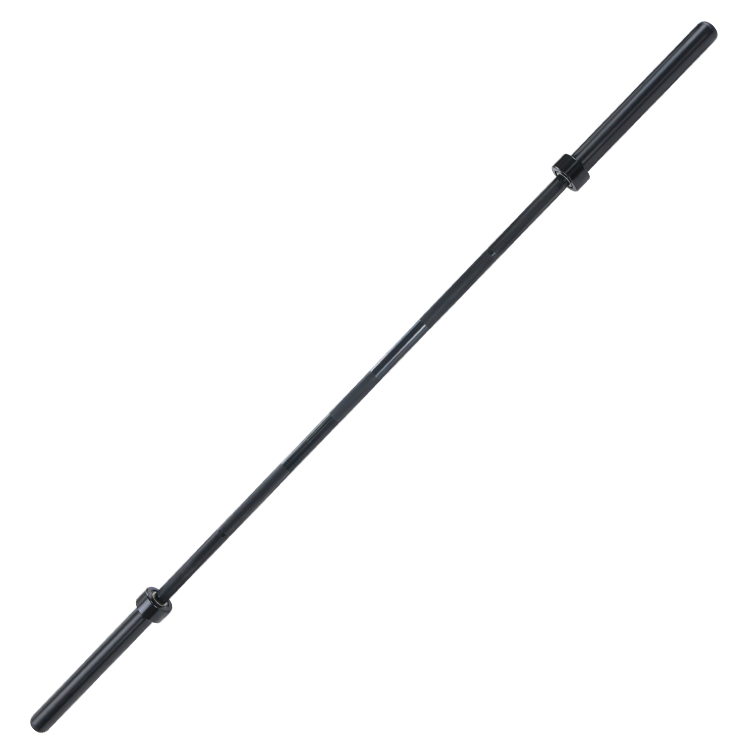
The Olympic standard defines the men's barbell shaft diameter at 28mm, while the women's version measures 25mm—specifications established by the International Weightlifting Federation (IWF) to optimise both grip security and barbell whip during the snatch and clean & jerk. The 28mm men's diameter provides a balance between grip circumference and barbell flexibility, allowing the bar to flex and whip during rapid elevation, a critical mechanical advantage in the Olympic lifts. The 25mm women's bar accommodates smaller hand sizes, reducing grip fatigue and improving performance. These diameter standards dictate plate compatibility, ensuring 50.4mm hub bores fit all competition bars across manufacturers, a fundamental element of equipment standardisation in competitive weightlifting.
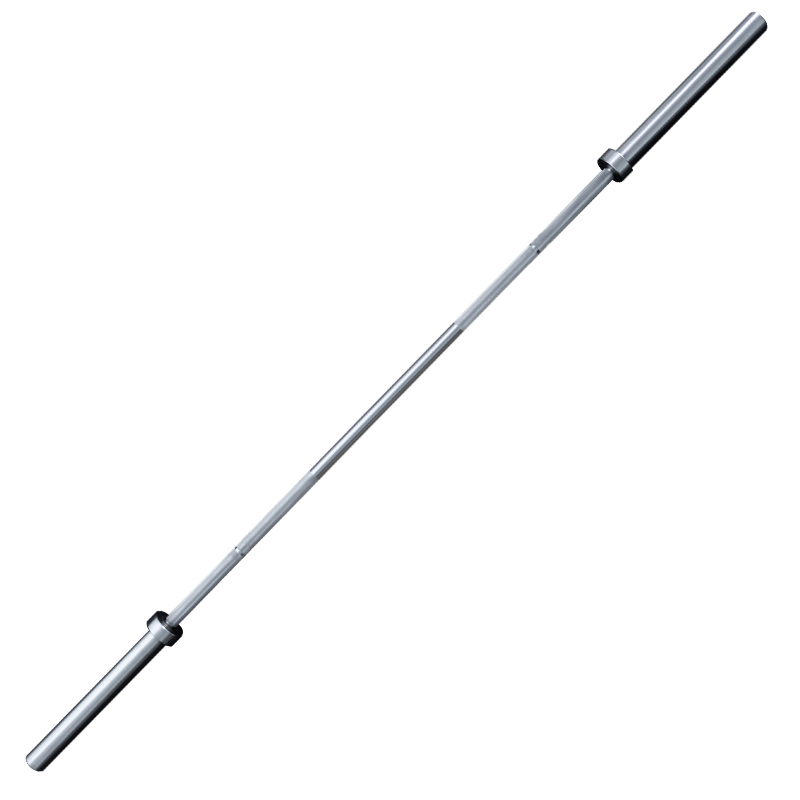
Powerlifting introduces a distinct powerlifting barbell diameter standard: 29mm for both men and women, as mandated by the International Powerlifting Federation (IPF). The thicker shaft enhances rigidity under maximal loads, reducing flex during heavy squats, bench presses, and deadlifts, enabling more efficient force transfer from lifter to the barbell. The 29mm diameter combined with aggressive knurling and centre knurling ensures grip security and bar position stability across the back. Although the IPF does not specify a separate women's bar diameter, some manufacturers produce 27mm bars for female competitors, providing a compromise between grip comfort and rigidity. Powerlifting bars also feature 50.4mm sleeves compatible with Olympic plates.
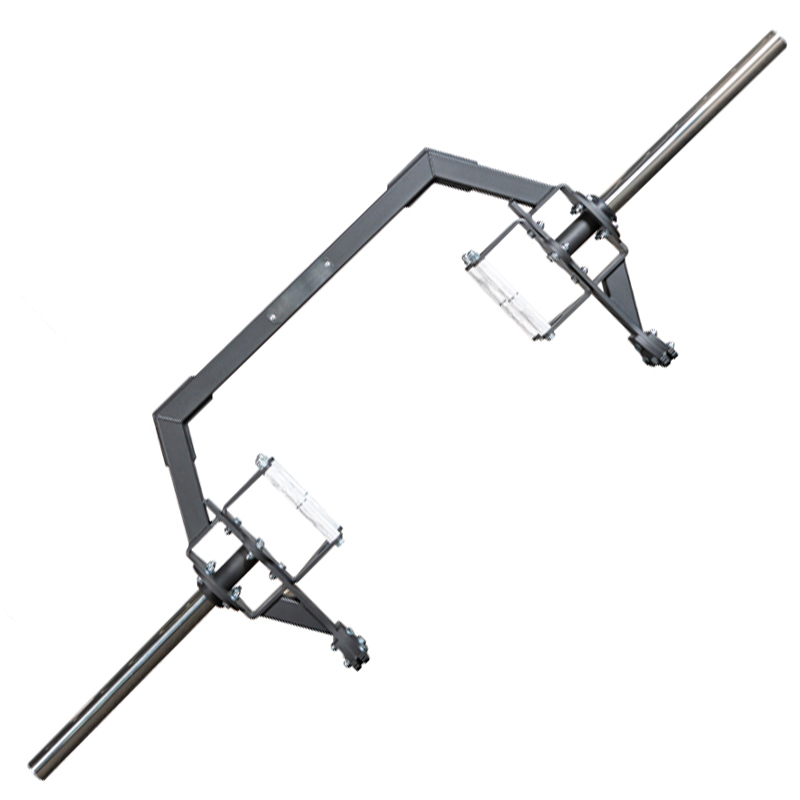
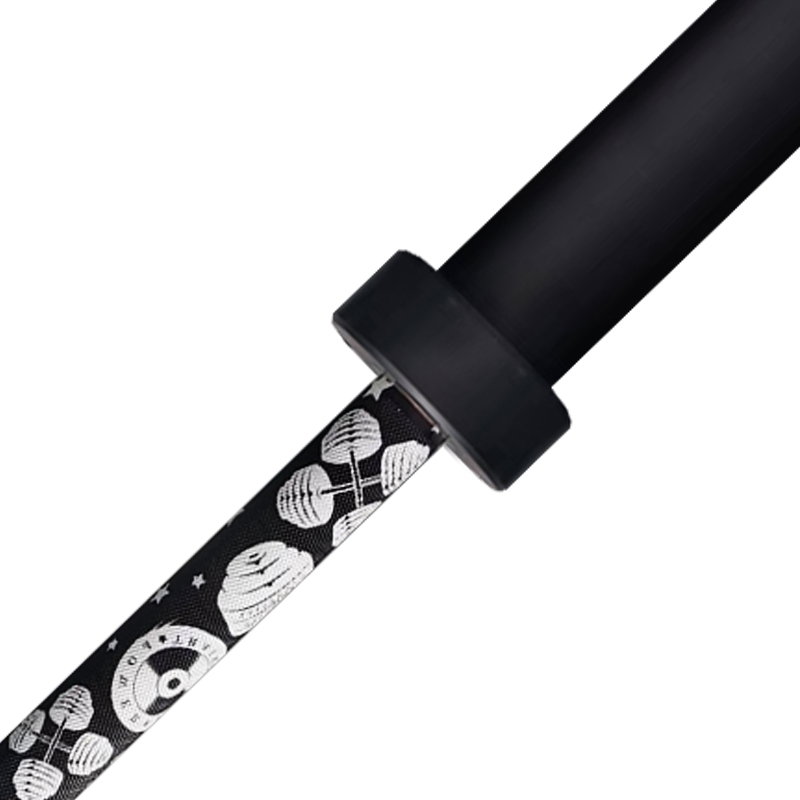
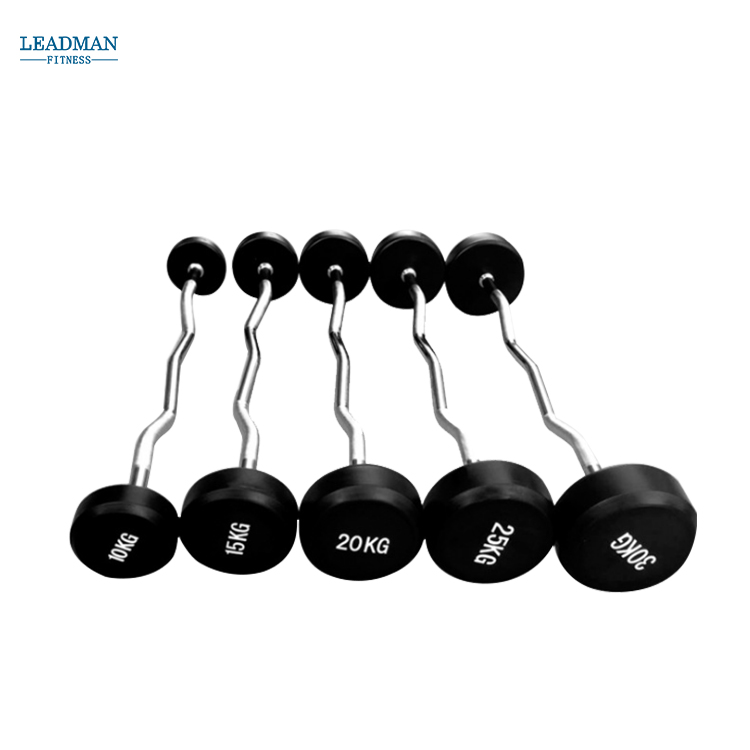
Specialty barbells introduce further diameter variations, with each dimension serving specific training functions. Multi-grip or Swiss bars typically measure 28mm for general pressing and rowing, EZ-curl bars range 27–28mm at the grip sections, and trap or hex bars feature 28–30mm handles. Technique or junior bars with 25–26mm shafts accommodate youth and novice populations. Deadlift-specific bars, sometimes 28mm but with extended length, increase flexibility and whip while reducing the initial pull distance. Facilities should stock diameter-appropriate bars for their training populations, prioritising 28mm Olympic and 29mm powerlifting bars for dedicated zones. Understanding these diameter standards enables comprehensive equipment planning that supports varied training modalities.

Let our experts design the perfect gym solution for your business. Get a free consultation and quote today.