The fitness industry presents a diverse array of barbell types, each engineered with specific weight specifications, dimensional standards, and performance characteristics that cater to distinct training disciplines. Understanding different barbells and their weight is essential for facility operators, personal trainers, and athletes alike, as these variations directly influence programming, safety, and competitive compliance. From the standardised Olympic barbell to specialty bars like the trap bar, Swiss bar, and curl bar, each variant embodies deliberate engineering choices that optimise biomechanics, load distribution, and user experience across diverse training modalities.
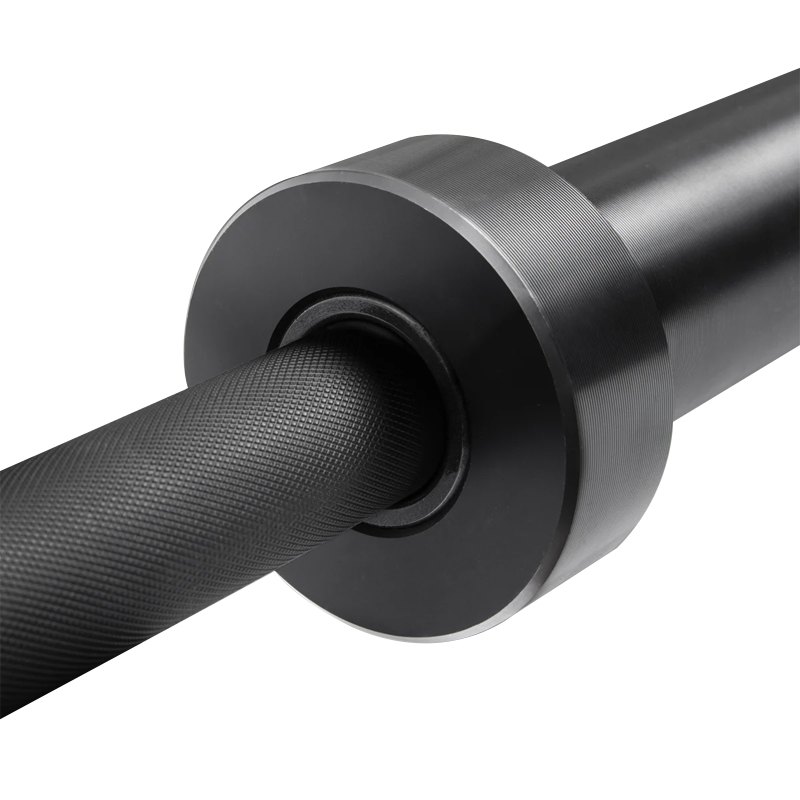
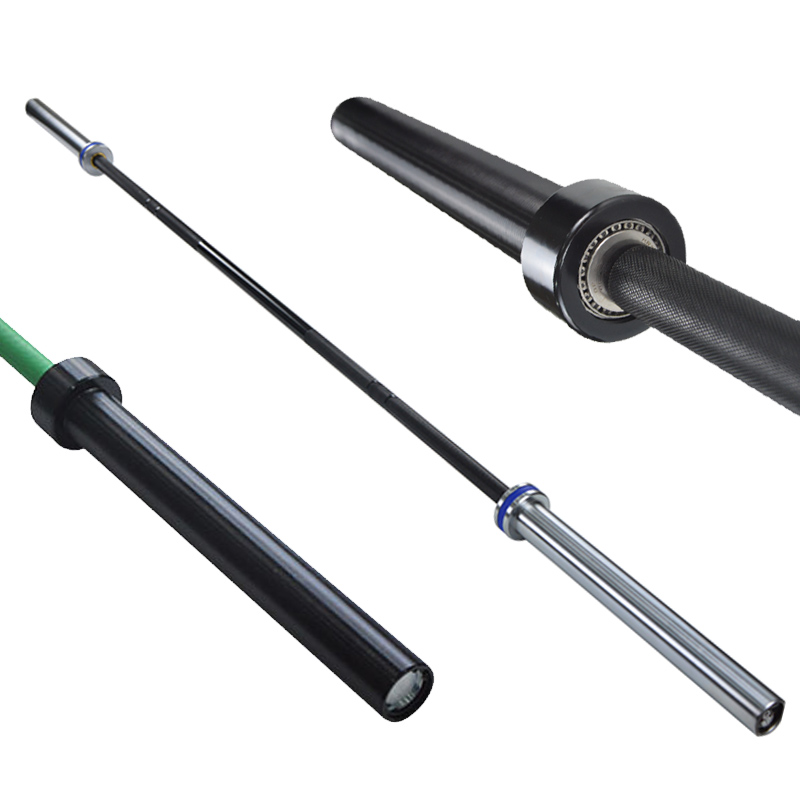
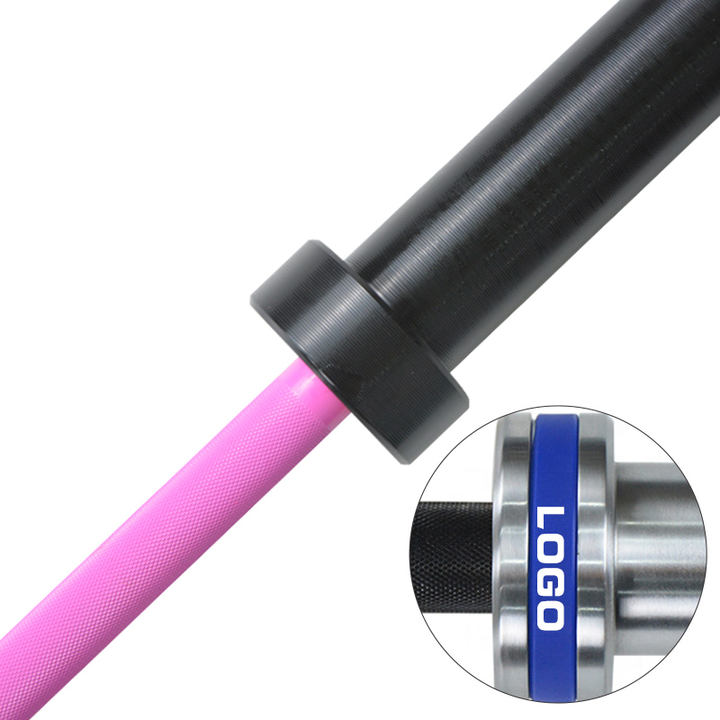
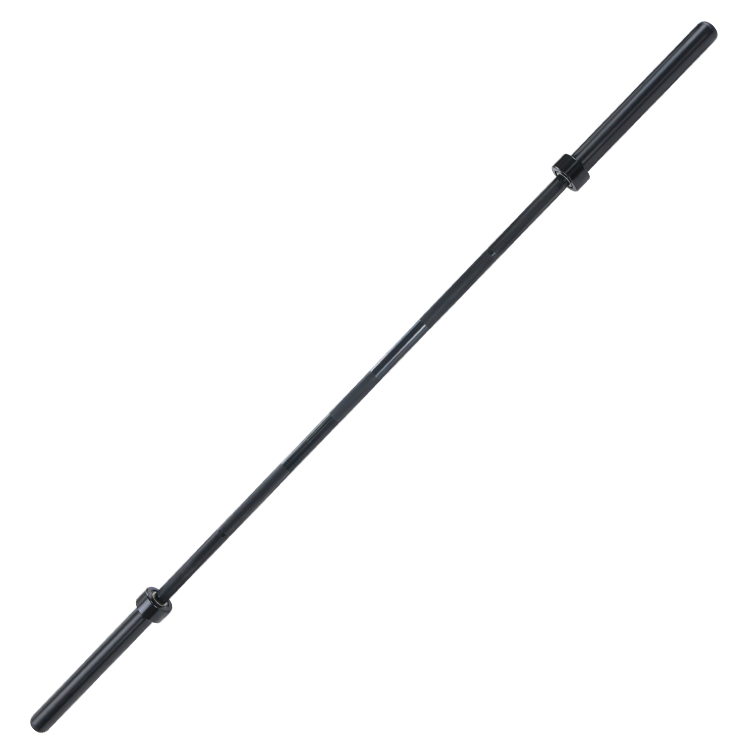
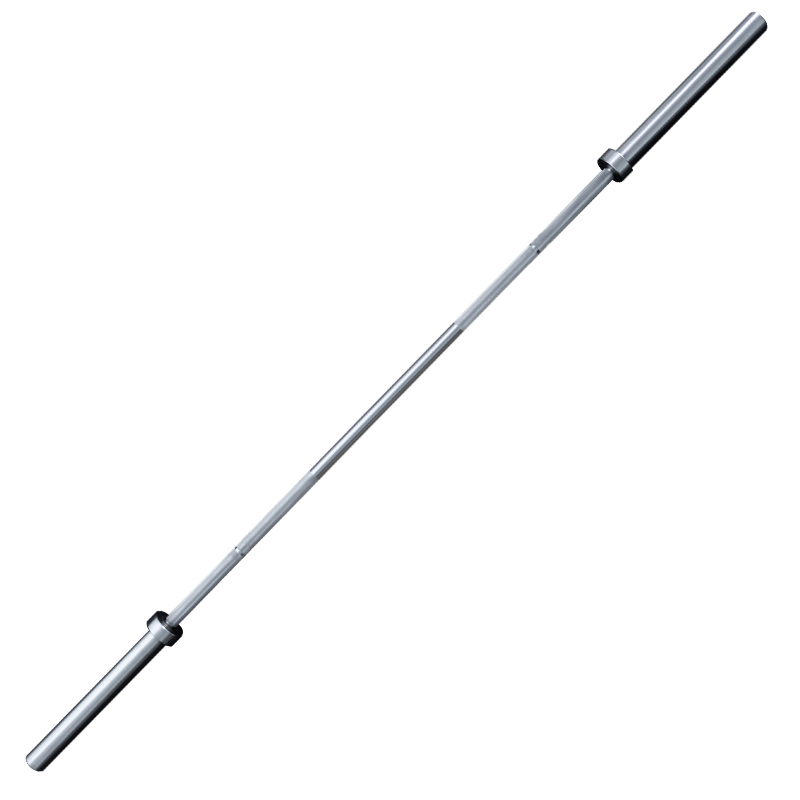
The Olympic barbell stands as the universal benchmark, adhering to International Weightlifting Federation (IWF) specifications: the men's bar weighs 20kg (44.1lbs) with a 28mm shaft diameter, while the women's bar weighs 15kg (33.1lbs) with a 25mm shaft. These bars feature aggressive knurling, needle-bearing rotation, and specific whip characteristics tuned for snatch and clean-and-jerk performance. Powerlifting bars, conversely, weigh 20kg but employ a 29mm shaft for increased rigidity during squat, bench, and deadlift, with deeper knurling and centre knurling for enhanced grip during low-rep, maximal-effort lifts. Deadlift bars, also 20kg, feature extended length and increased flexibility to reduce the initial pull distance, benefiting athletes seeking competitive advantage.
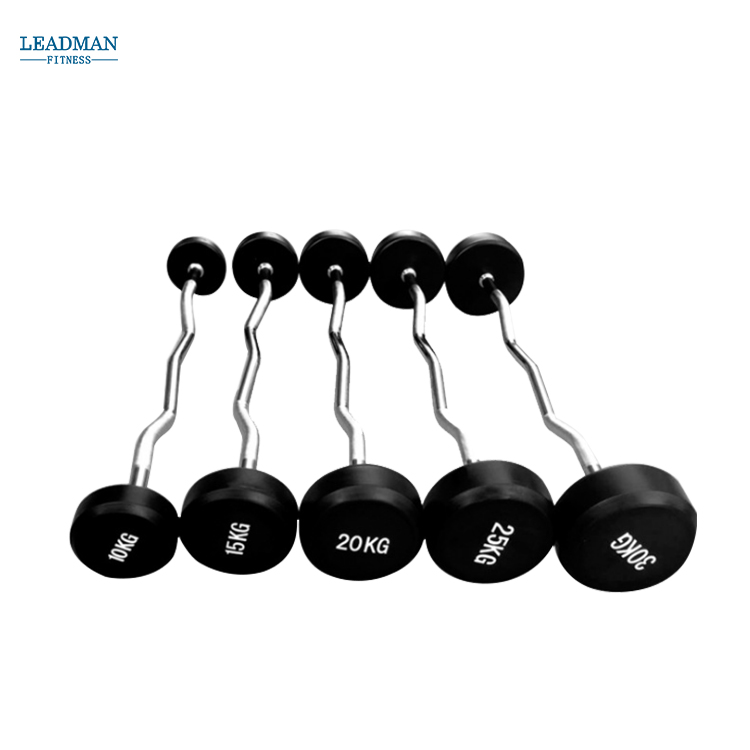
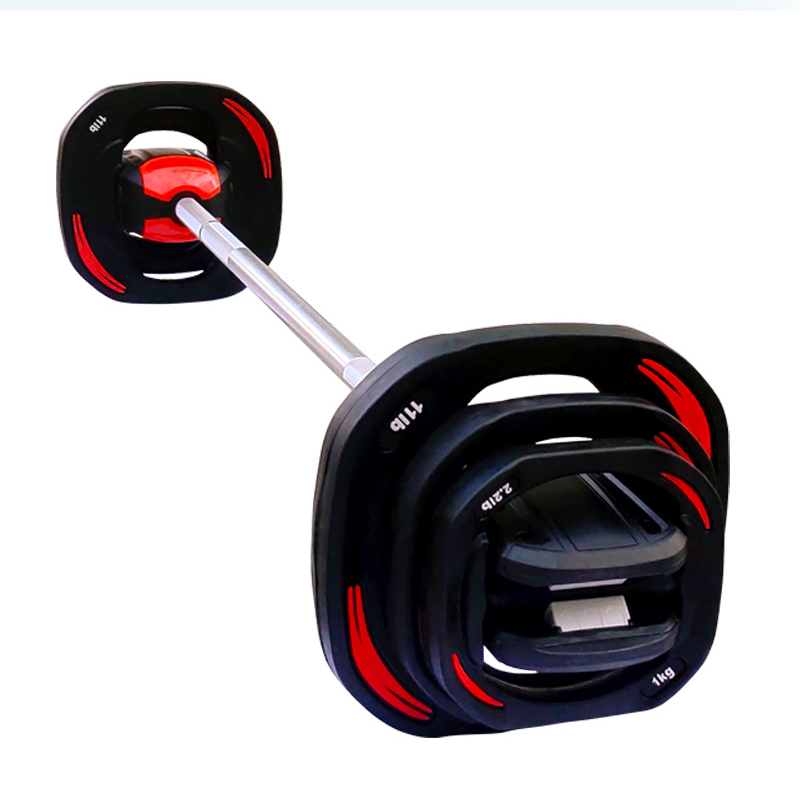
Specialty bars broaden the barbell ecosystem significantly. The trap bar (hex bar) typically weighs 25–30kg (55–66lbs), depending on manufacturer, with neutral hand positions that reduce lumbar loading during deadlift variations and farmers' carries. Swiss or multi-grip bars weigh approximately 15–25kg (33–55lbs) and feature multiple hand positions, allowing shoulder-friendly pressing and rowing alternatives. EZ-curl bars, designed for arm isolation, weigh 8–12kg (18–26lbs), with angled grips that reduce wrist strain during bicep curls and triceps extensions. Technique or training bars at 5–10kg (11–22lbs) serve developmental athletes, youth programmes, and rehabilitation protocols.
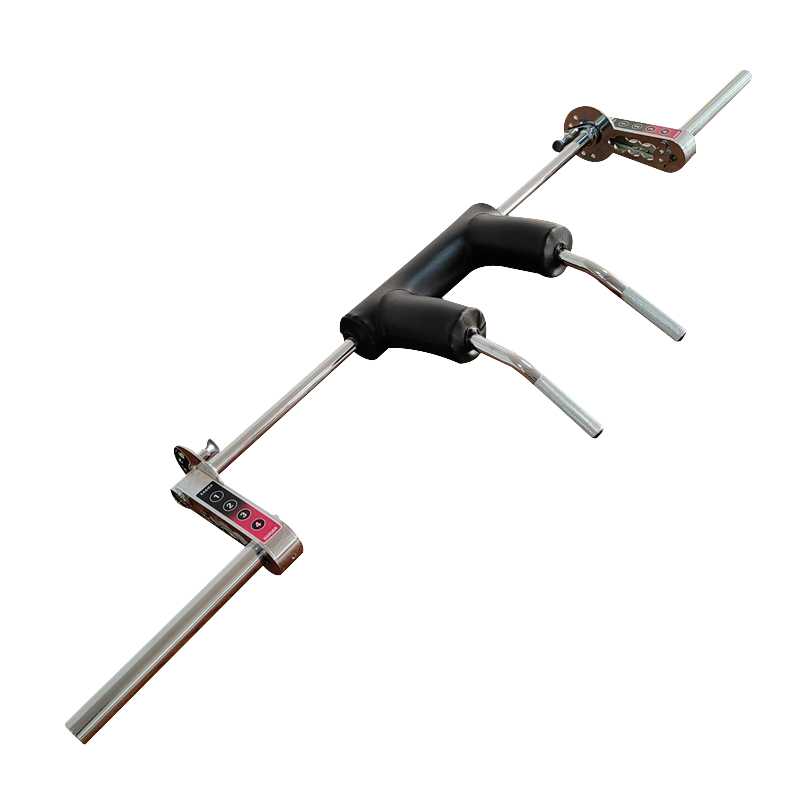
Further weight variations arise from specialty training bars: bamboo or earthquake bars (typically 8–12kg) introduce instability for proprioceptive development, while safety squat bars (20–25kg) redistribute load placement for athletes with shoulder mobility limitations. Cambered squat bars extend range of motion and often weigh 25–30kg, emphasising eccentric loading. Facilities should document the exact weight of every bar in inventory, as variations of 2–5kg across similar-looking bars can disrupt established loading progressions. Strategic inventory management—stocking multiple bar types in appropriate weight ranges—enables comprehensive programming across strength, power, and specialty populations without necessitating plate adjustments or risking progression errors.

Let our experts design the perfect gym solution for your business. Get a free consultation and quote today.